Categories
Blarney Buses Ireland

Blarney

It’s been substantially wetter in Cork, and indeed all of Ireland, this February than normal. So we’ve kept our eye on the forecast for sunny, or at least cloudy days, in order to explore the surrounding areas.

Blarney, or at least the Blarney Stone, wasn’t high on our list. But it is an 800 year old castle, and it does have a nice set of gardens, and, most importantly, it’s a 20 minute bus ride in the local zone, about 2 Euro each way.

Wednesday was our day.
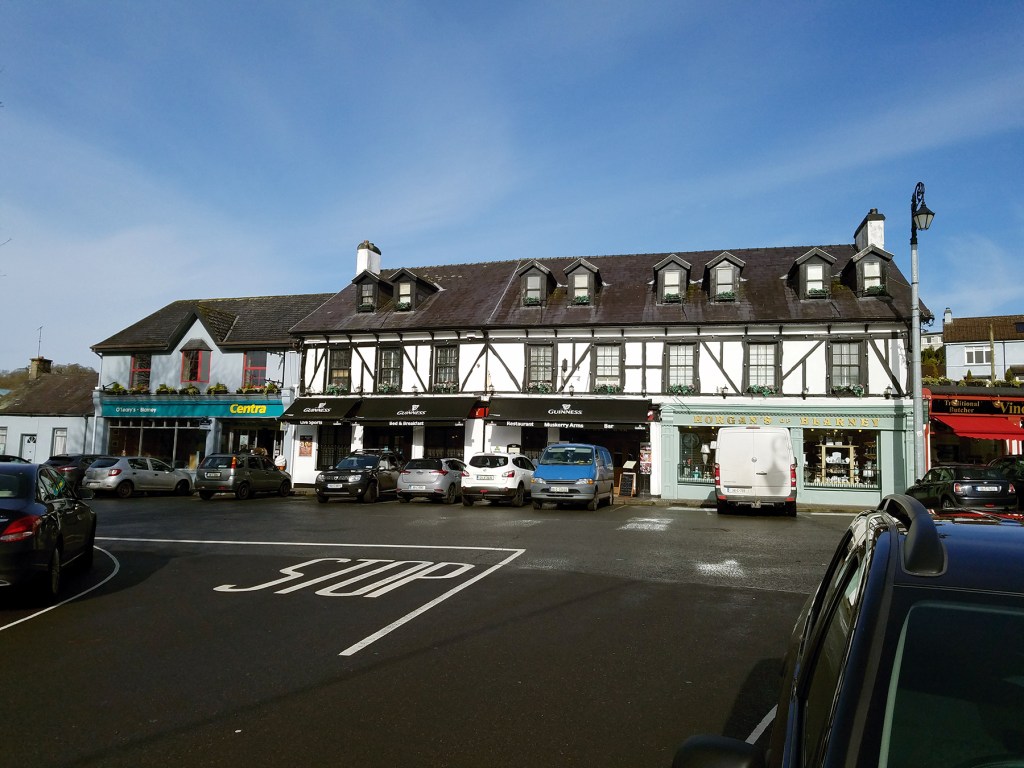
Pretty much downtown Blarney

The bus stops adjacent to the Blarney Woolen Mills, which, having been shuttered 45 years ago after a 150 year run, is now a tourist destination where you can purchase all manner of Irish woolen goods and trinkets. And i guess there are some folks who come to Blarney just to buy a sweater, but i assume it’s mostly the kind of thing you do after climbing the castle steps and kissing the stone.

Only 1 restaurant in town, and the one at the mill, were open when we were there. I was having a hankering for sausage rolls, and they weren’t on the menu at either, so we skipped it, and ate when we got back home.

Anyway, from town, you can get your first view of the castle.
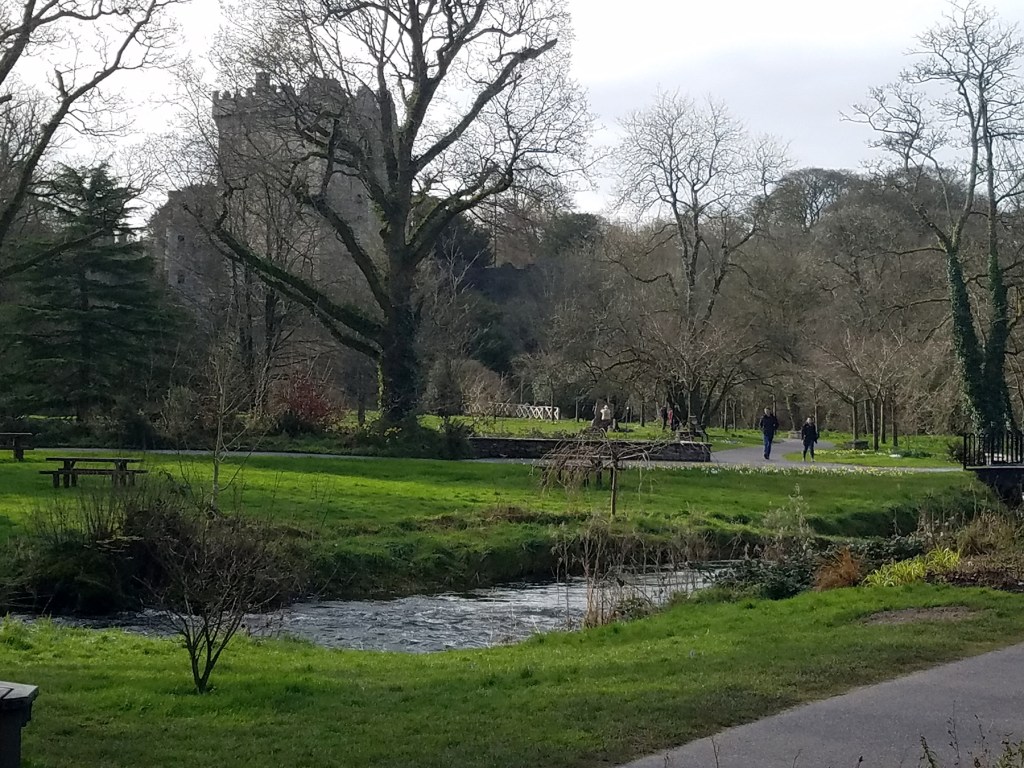
Actually, this photo is from the castle grounds, but the view is essentially the same as from town.

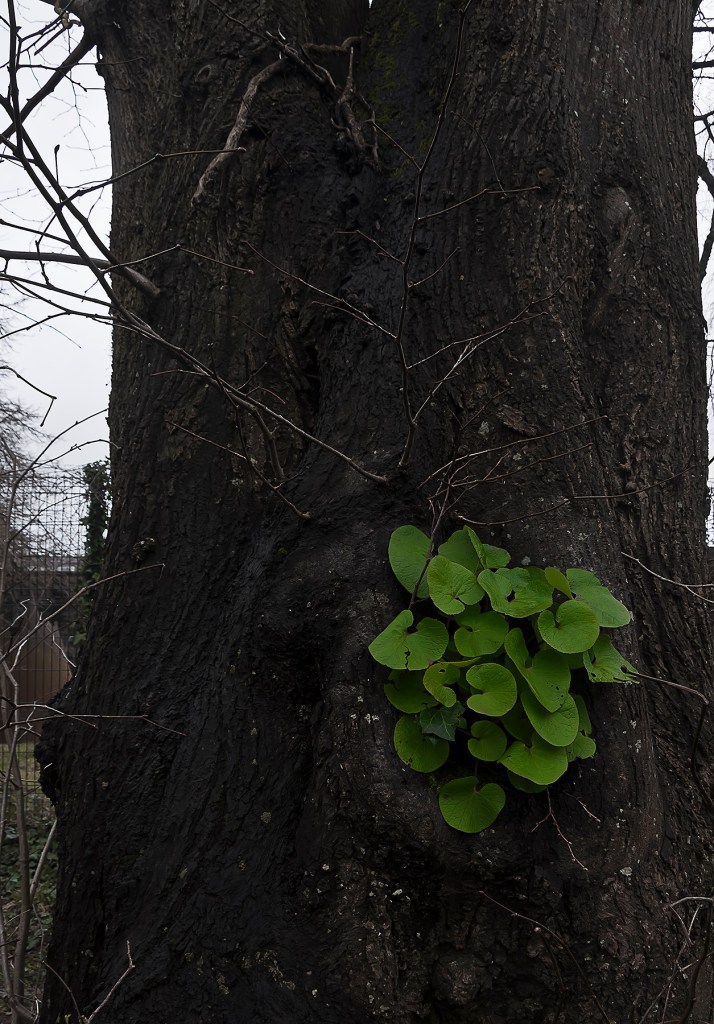
Had a nice chat with one of the groundskeepers, who seemed eager for a break, about native species, invasives, both in Ireland and North Carolina, some of the odd ferns growing on the grounds, whether he had given names to the trees he was tending. He had an interesting theory that, after the last Ice Age, almost all of Europe and much of the Americas had been denuded of plant life, so whatever took in the aftermath couldn’t be considered invasive. I told him about kudzu, so maybe that data point will lead him to modify his philosophy.
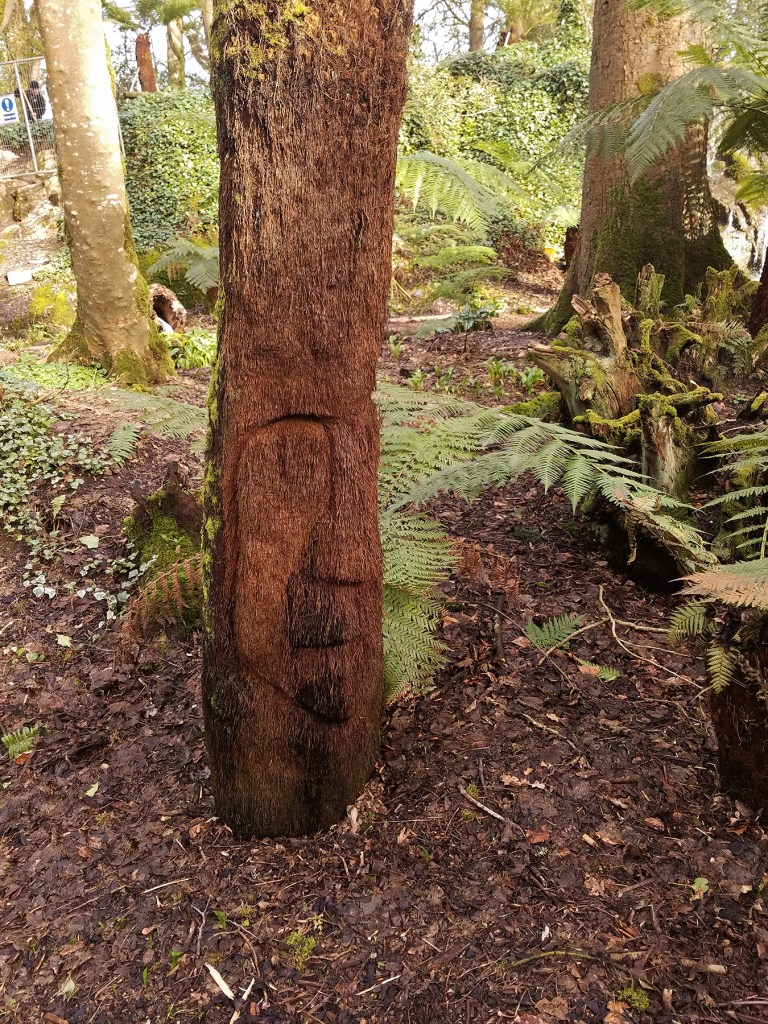
Tiki fern
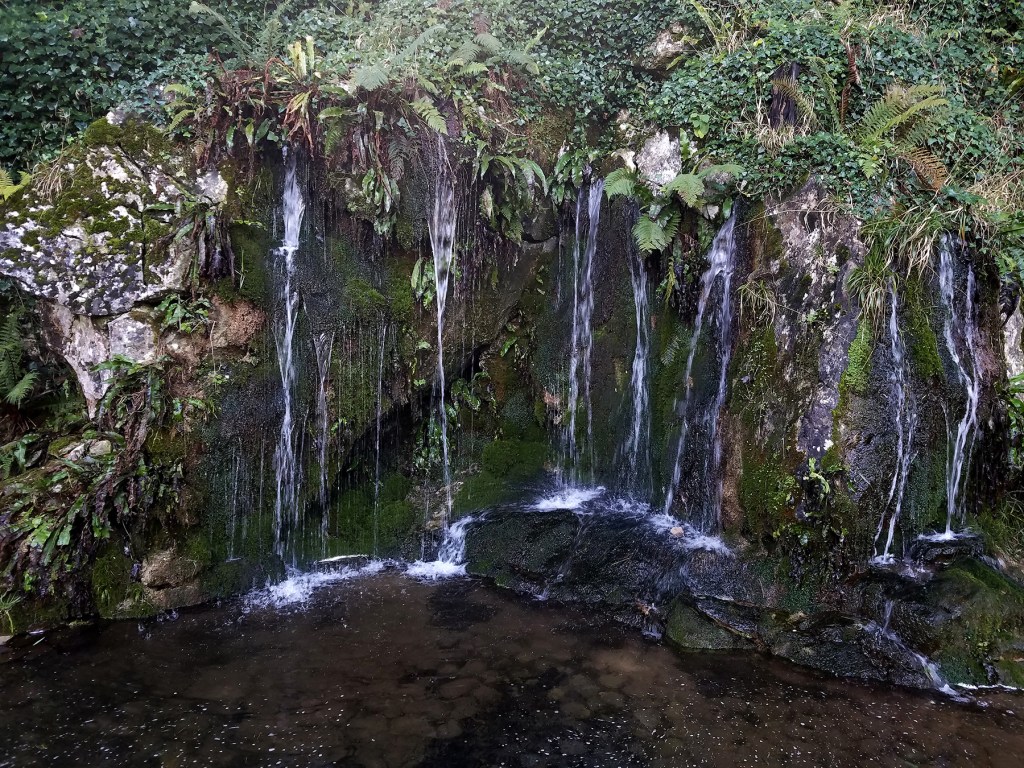
One of several waterfalls on the grounds

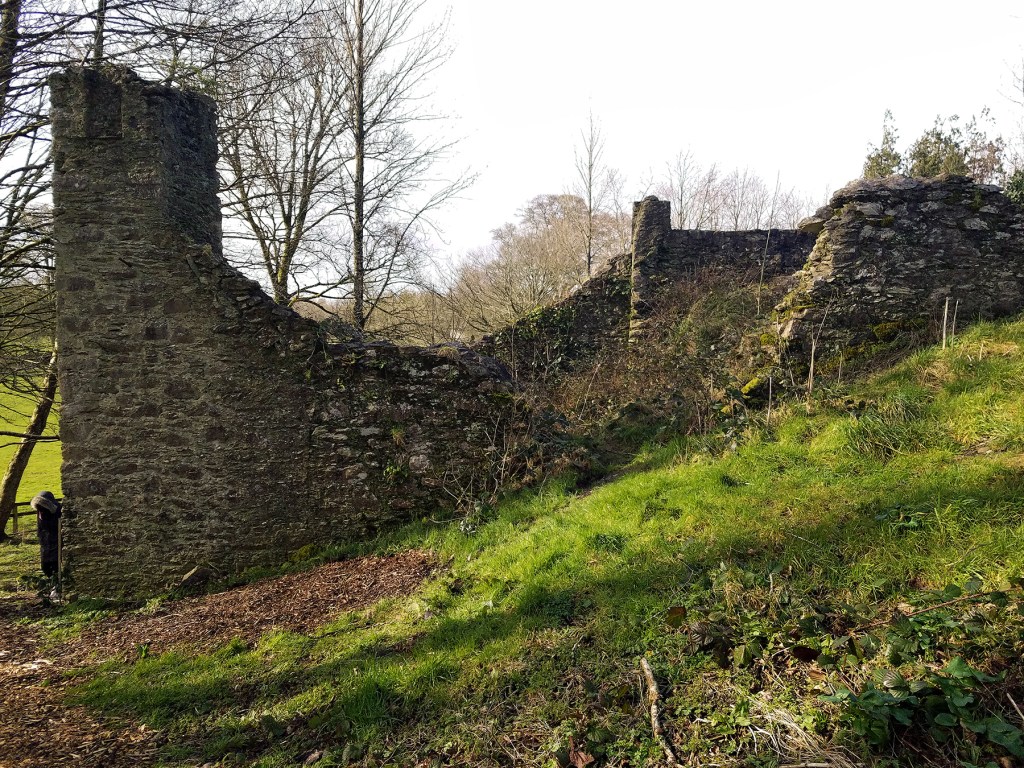
There is, of course, a lot of history on the grounds. This old lime kiln, where limestone was converted into quicklime to use as fertilizer, fascinated me. On the placard was a reminder that “lime enriches the father, but impoverishes the son.” Referencing that the continued use of lime as a fertilizer ends up depleting the soil in the long run.
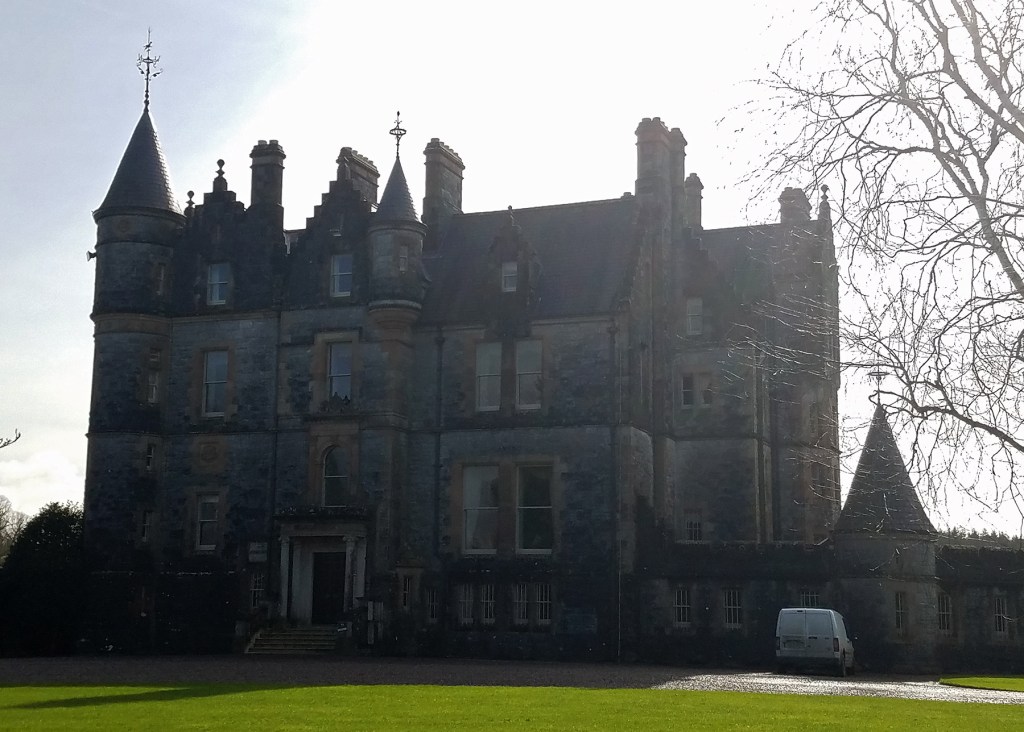
I like to think of these as the servants’ quarters, but in reality it’s a residence built in more recent times (late 19th century) by the family that currently owns the castle

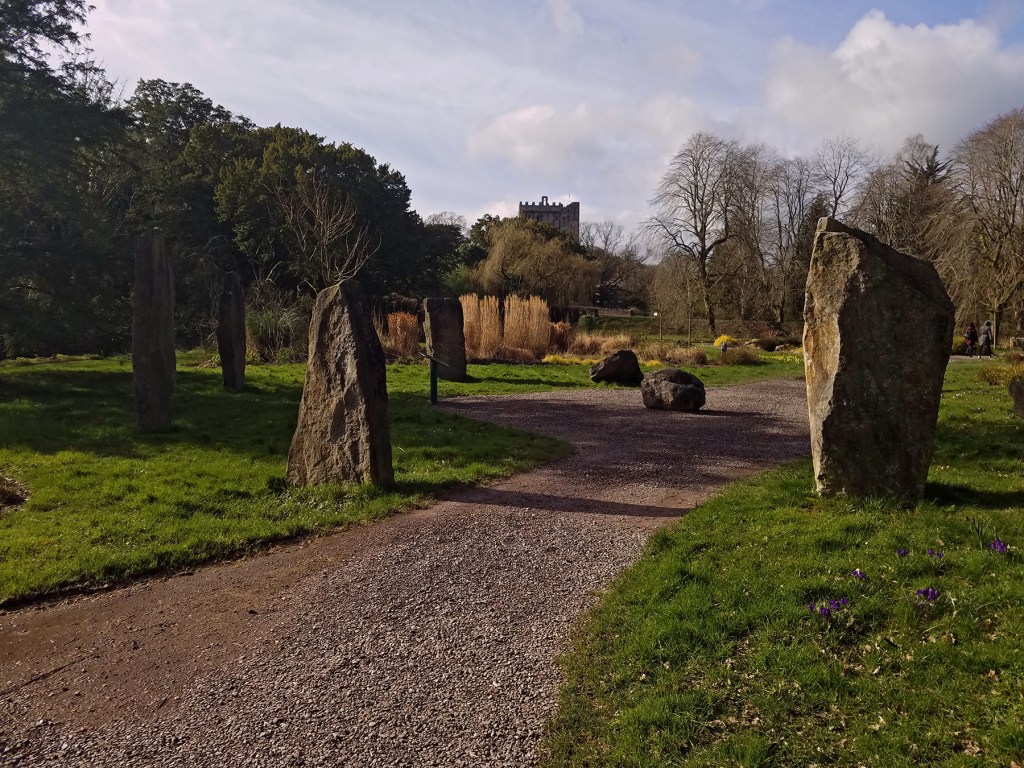
This formation of nine rocks, 7 standing and 2 toppled, supposedly dates back centuries. The story is that the king on the land, father of 9 children, led his people to a war in which he lost both his sons and so, in mourning, toppled the two stones representing them.
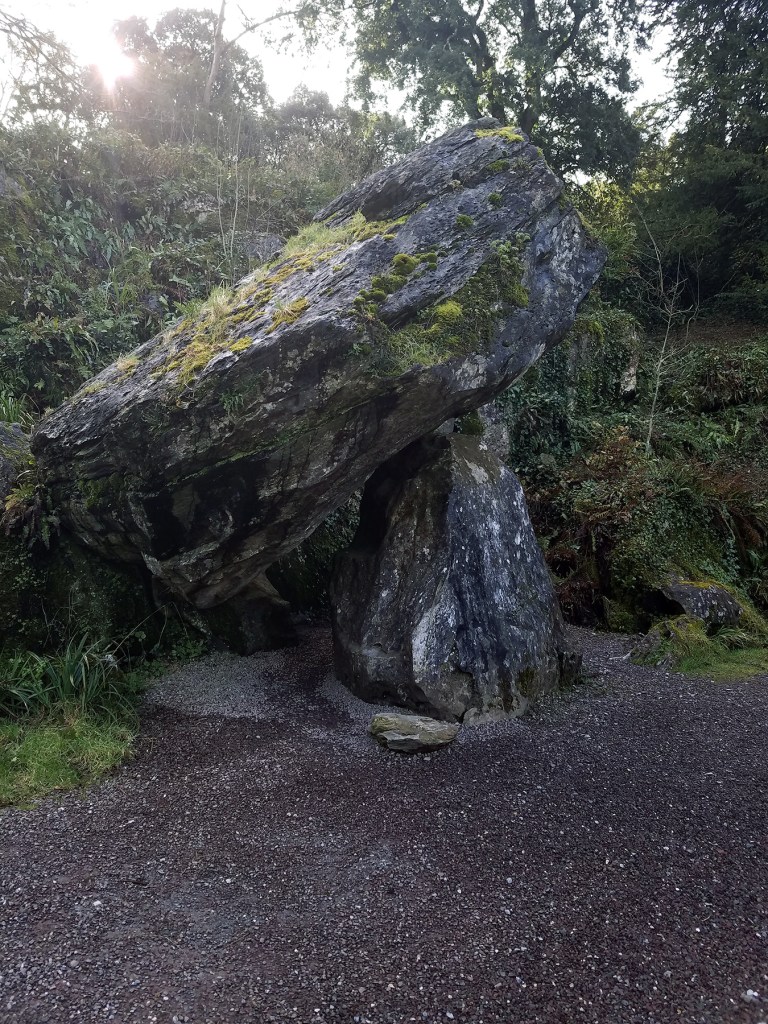
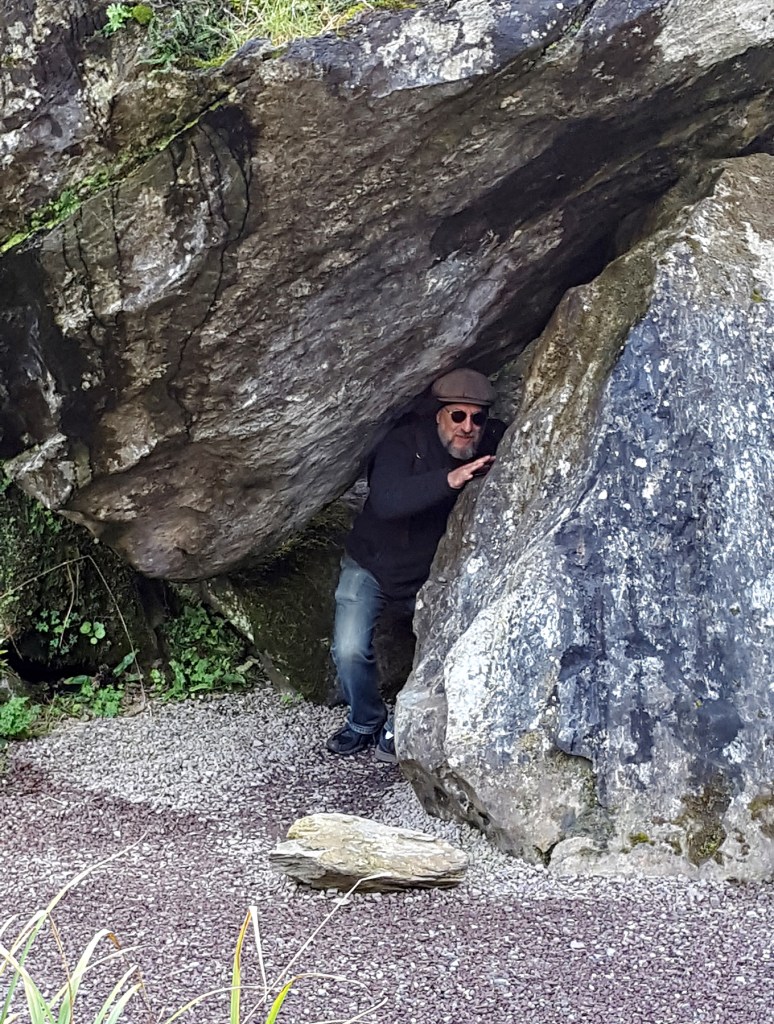
There was also this fallen dolmen, whose portal i passed through. Perhaps i now have some mystical powers.
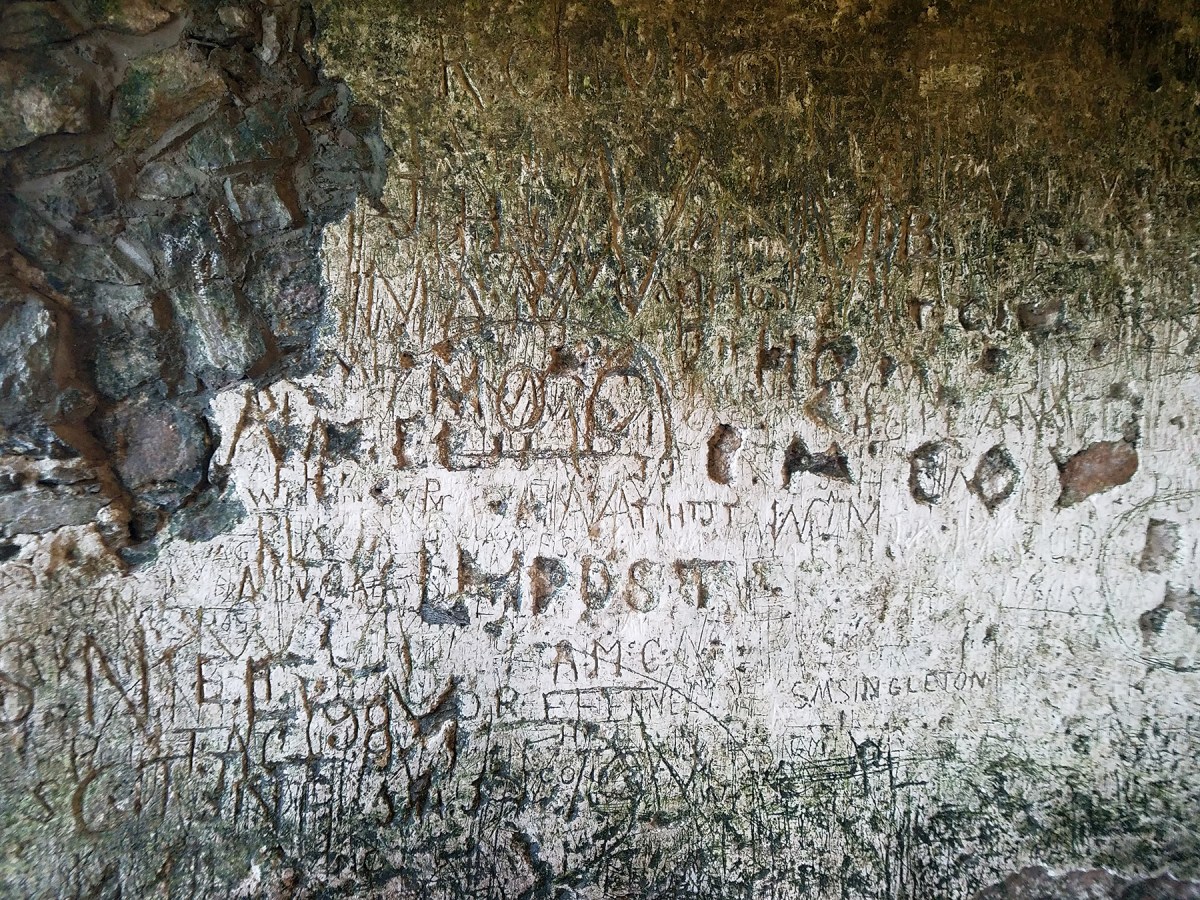
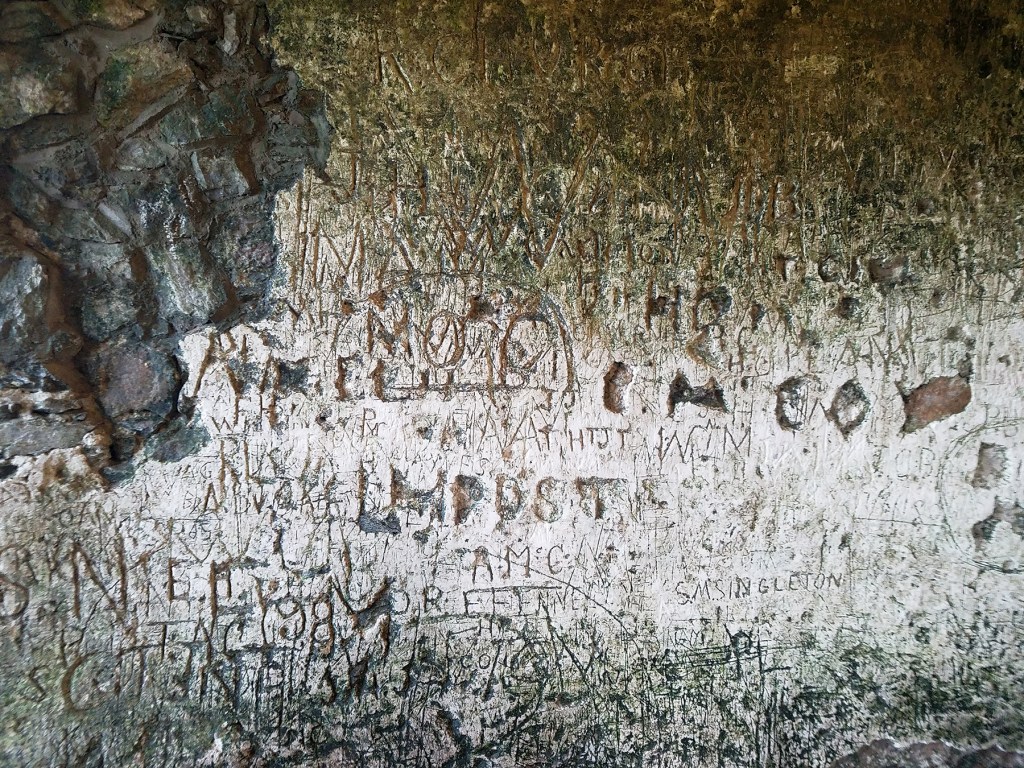
On to the castle itself! We obviously were not the first to be here.
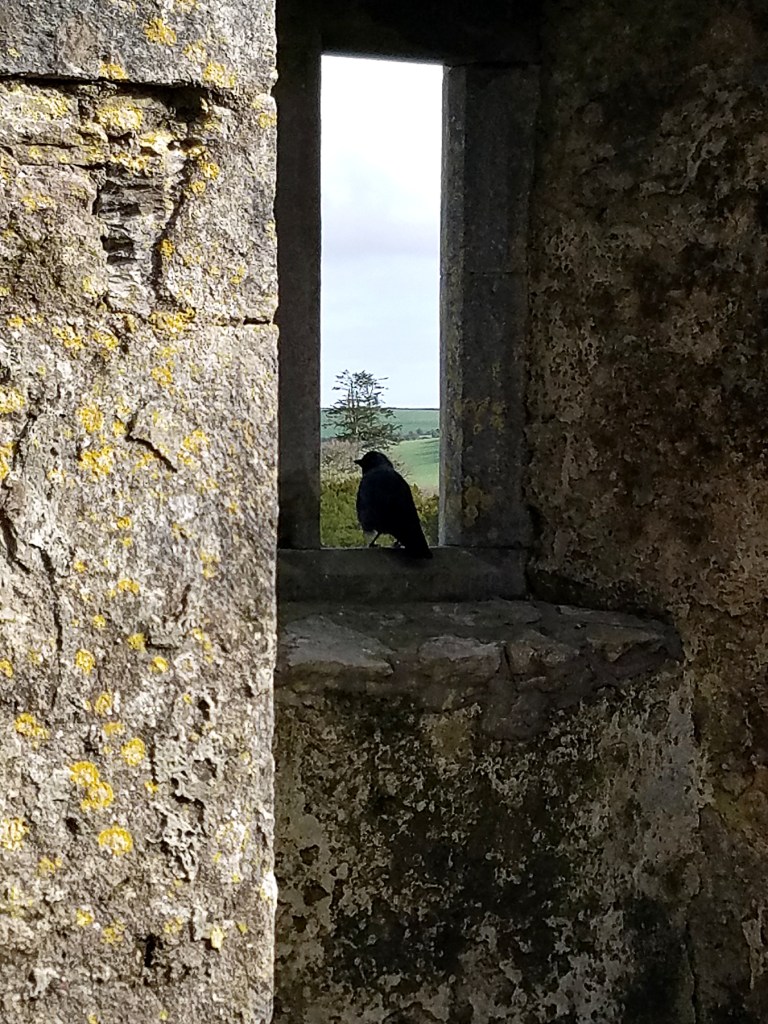
Also had some company on the way up.
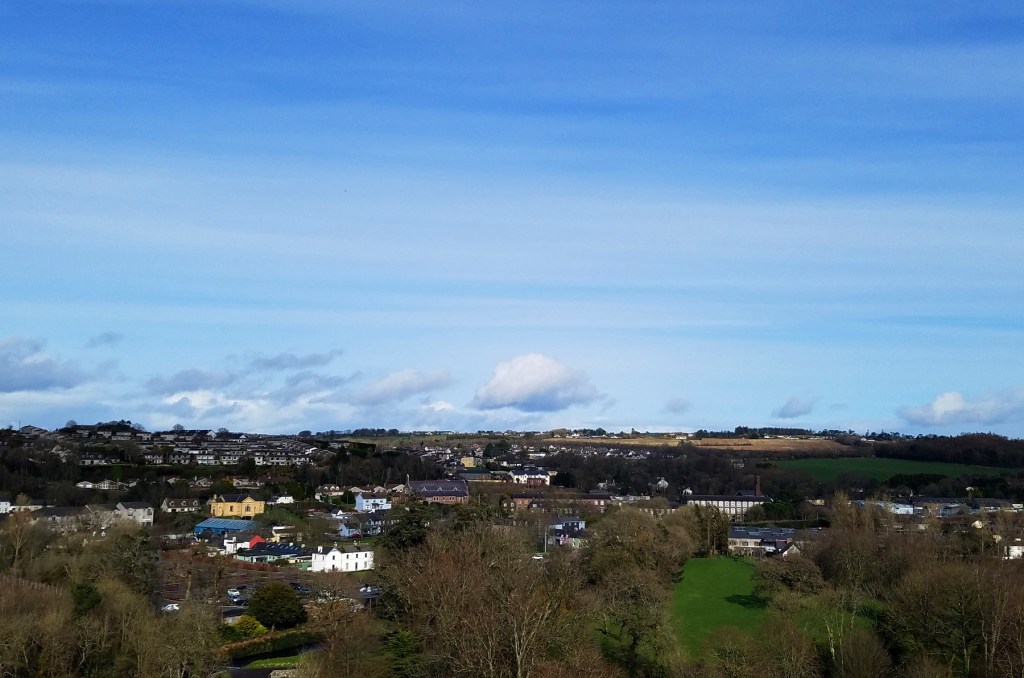
The view from the top is pretty spectacular.
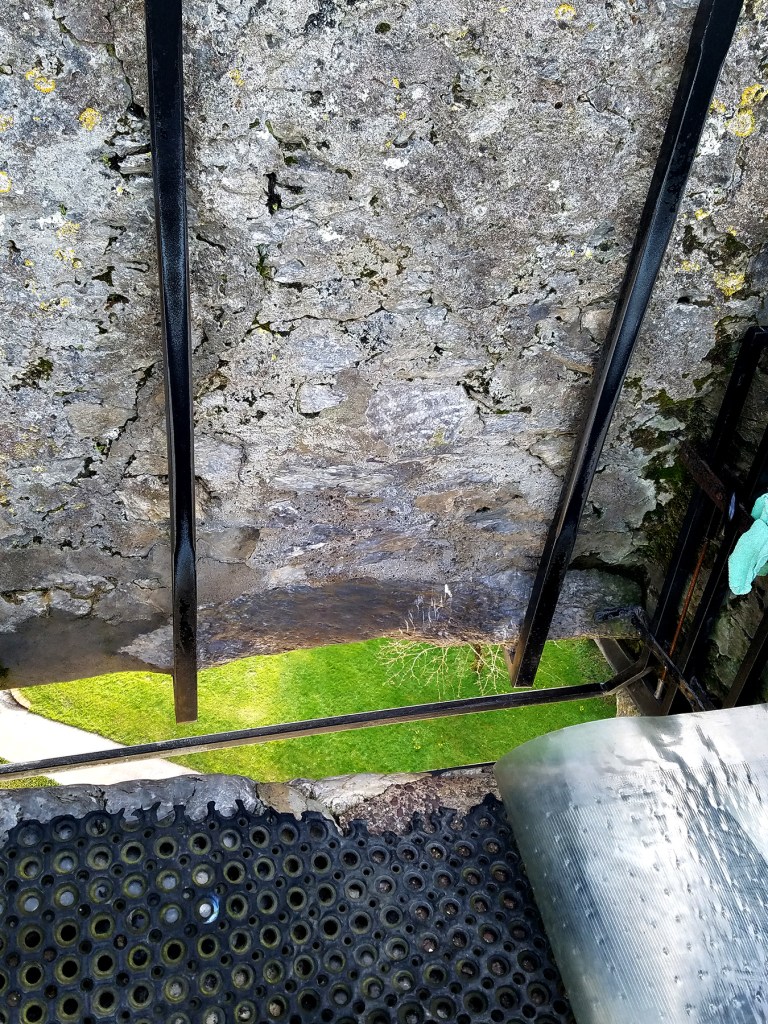
And, finally, the great stone itself. It’s the smooth, almost bluish thing at the bottom of the wall. And no, i didn’t put my lips on it. But i did tip the two attendants who help contort you into the ridiculous position you need to assume in order to get your face near enough to kiss it.
Categories
Cork City

A Little Bit of Nature

Been a busy couple of days here. Yesterday we took a spontaneous bus trip up to Blarney. Lots of photos and impressions to come when we get caught up. Also went to see some live music last night at Coughlan’s; Lynda Cullen, whose most recent LP was produced by Durham’s Dave Tilley, put on a memorable show.

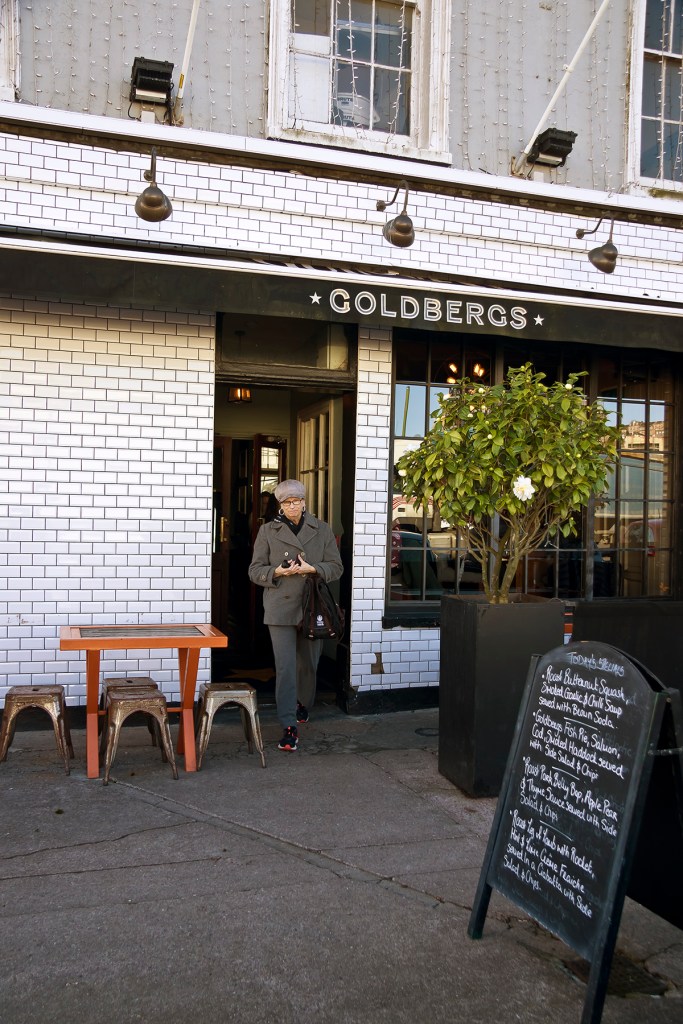
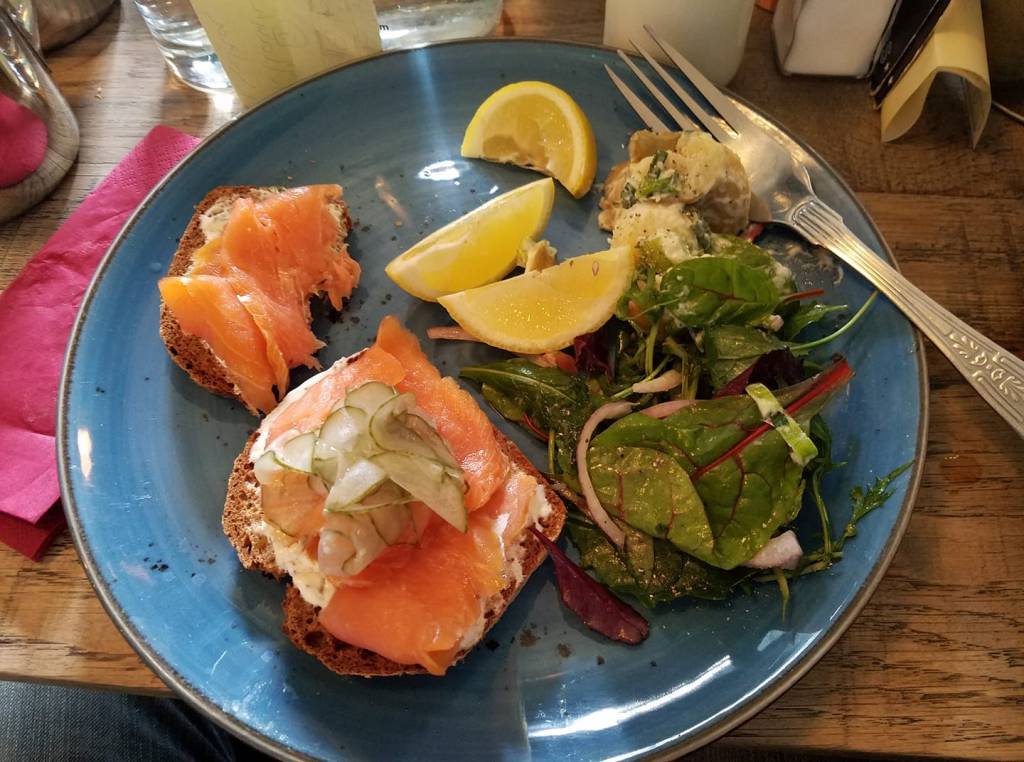
Today, though, we caught a break in the weather, and decided to spend most of the day strolling along the river. First, though, lunch at Goldberg’s. Been trying to find the opportunity to grab a meal there since we got here. The smoked salmon didn’t disappoint.

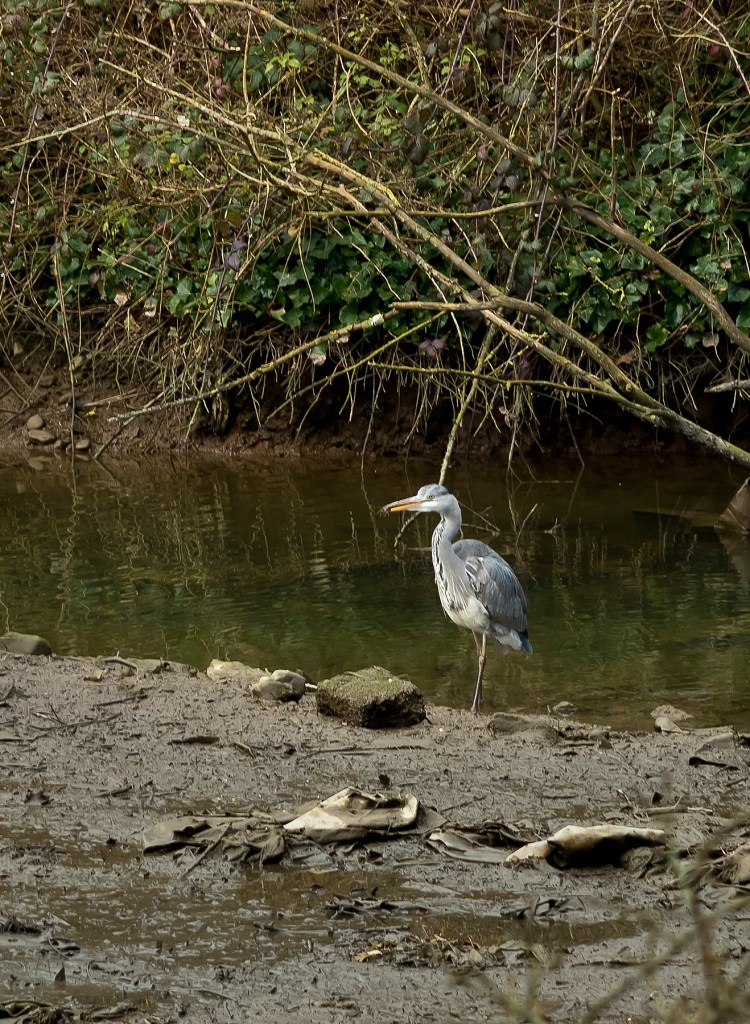
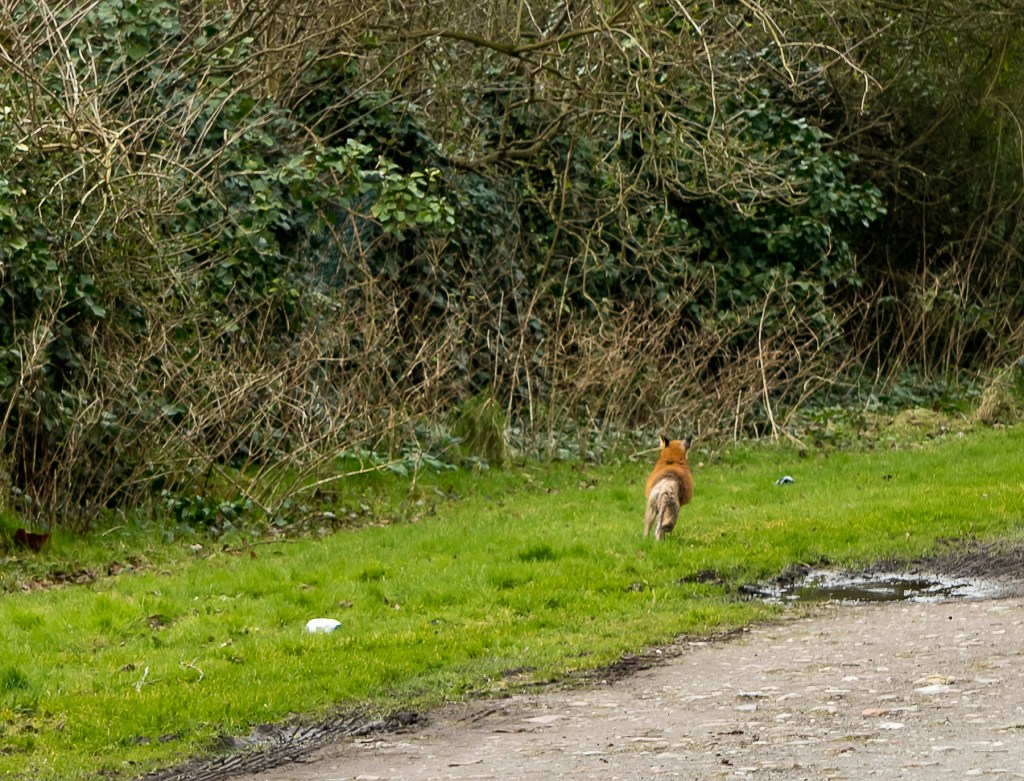
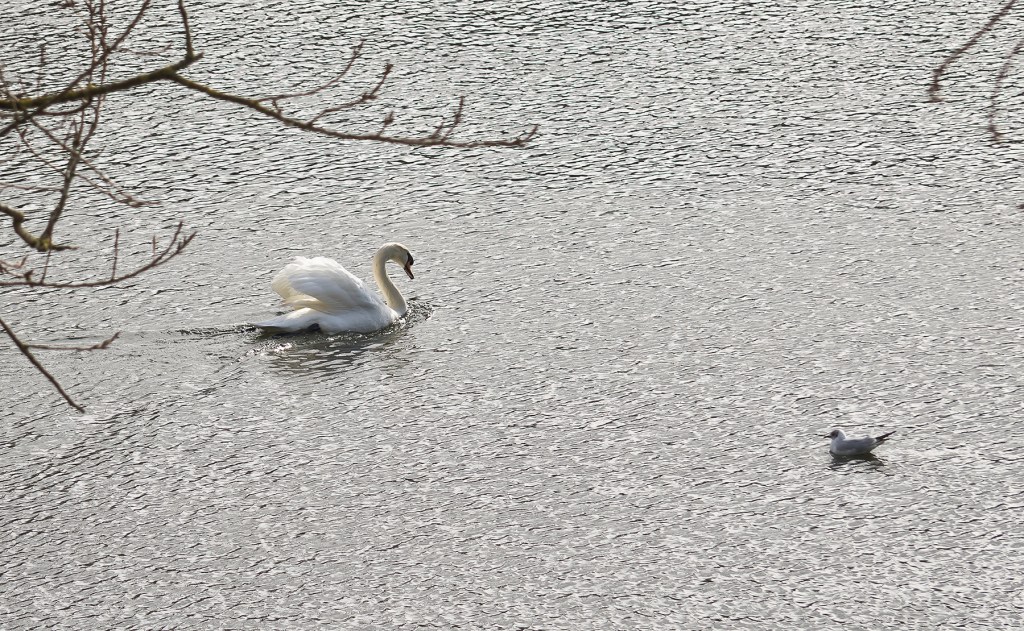
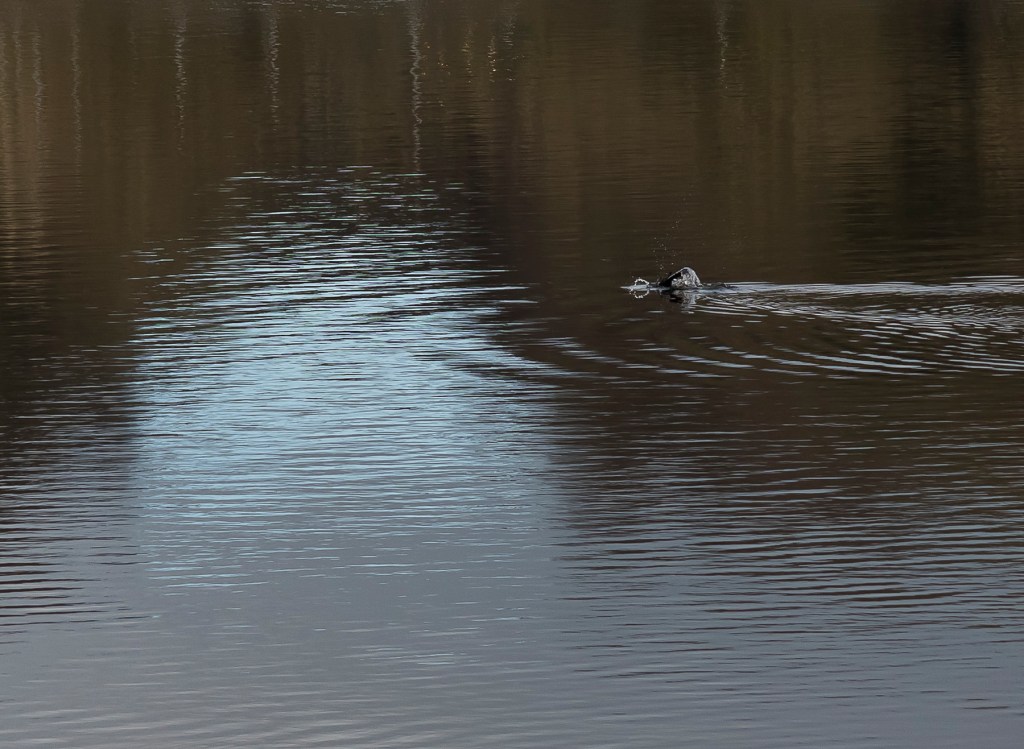
We walked a greenway east of the city that eventually gets you to Blackrock Pier, near the observatory we visited last week. Despite passing through some industrial zones, we saw a variety of wildlife. I am developing a healthy respect for people who take wildlife photos for a living – you have to carry some serious gear around with you to get decent shots, with lighting conditions that are constantly changing, and subjects that are extremely uncooperative. But here’s what we saw, anyway.

Grey Heron
Red Fox
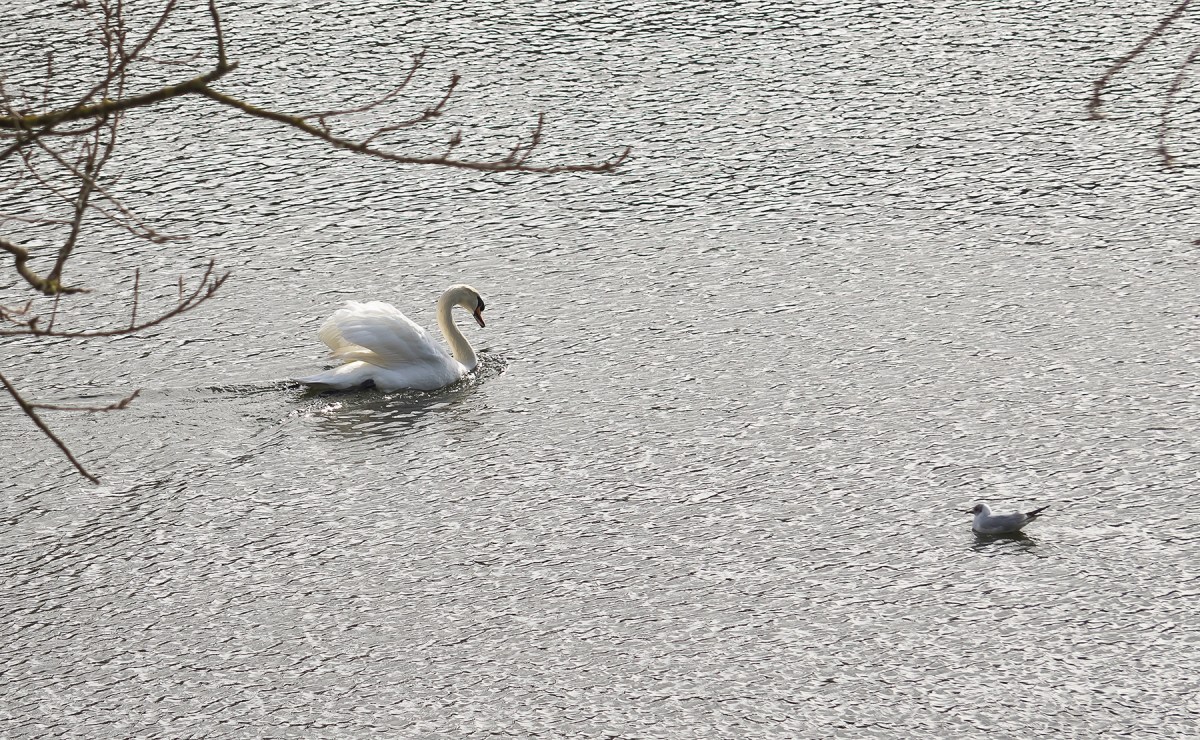
Swan
If the river was whiskey . . .

Categories
Ireland Midleton

Midleton: Distillery

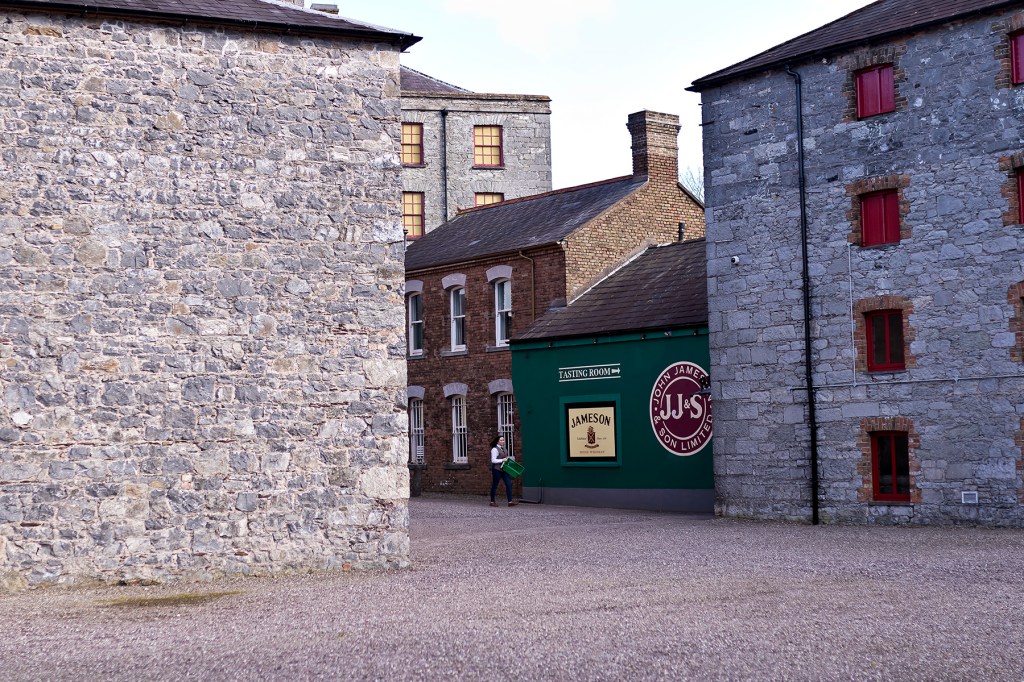
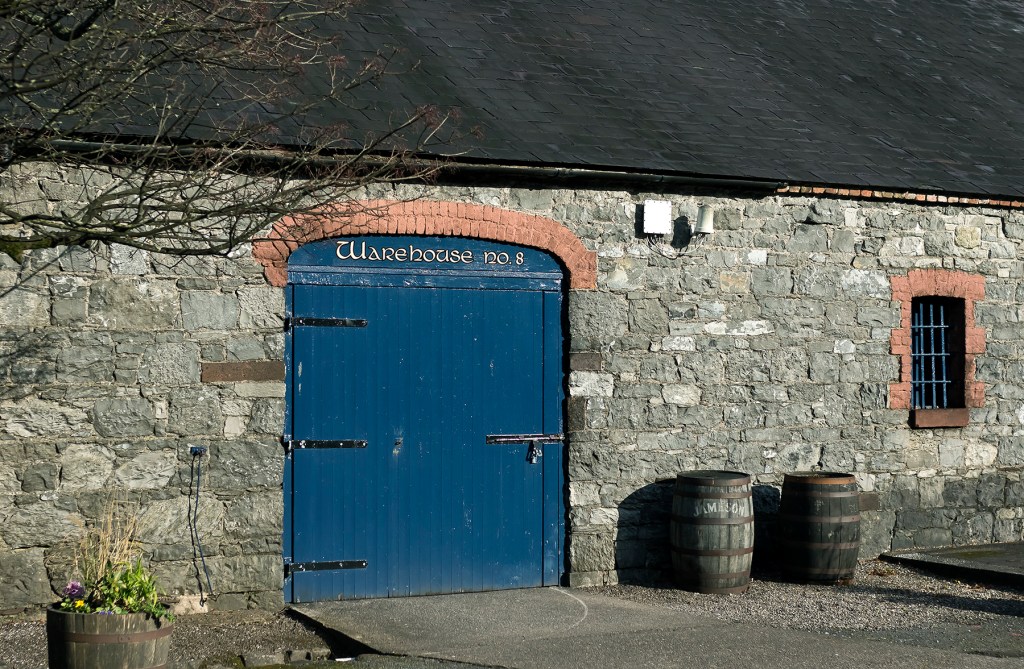
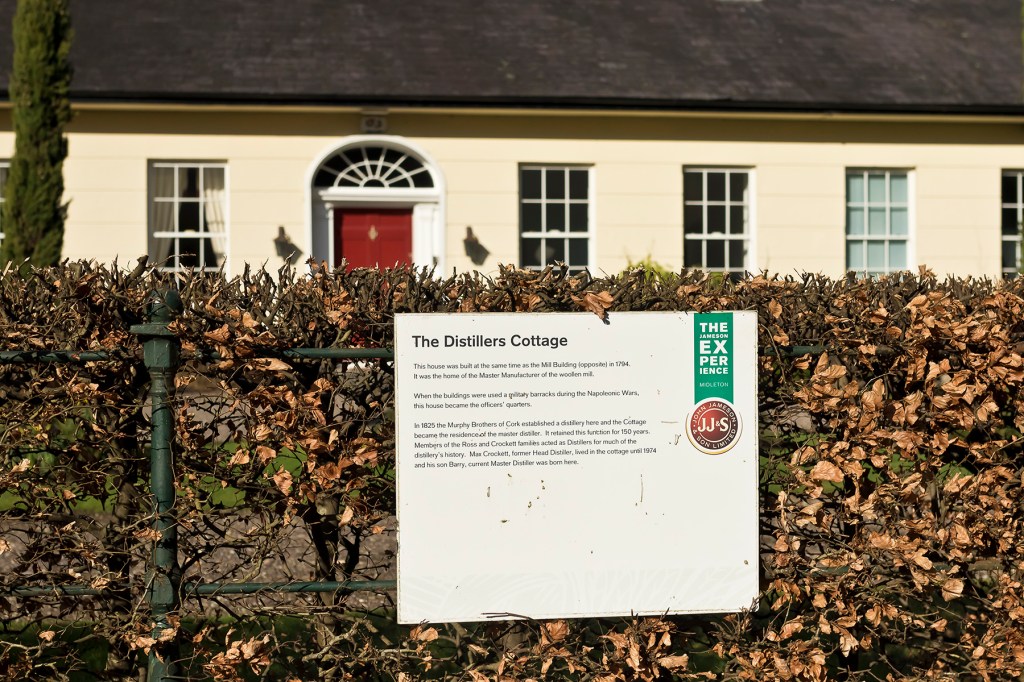
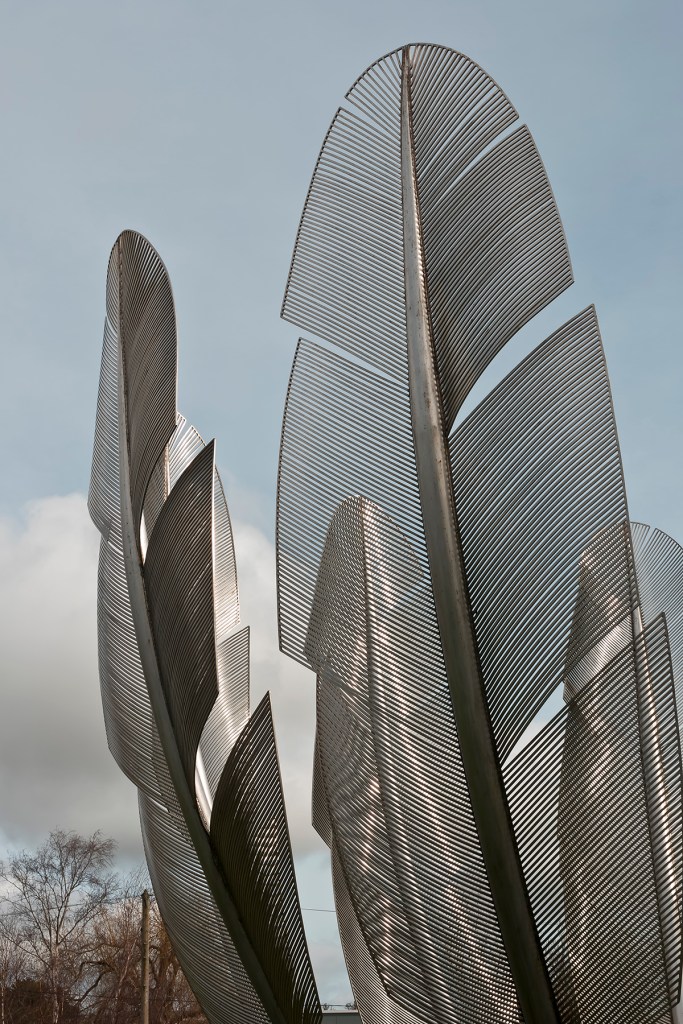
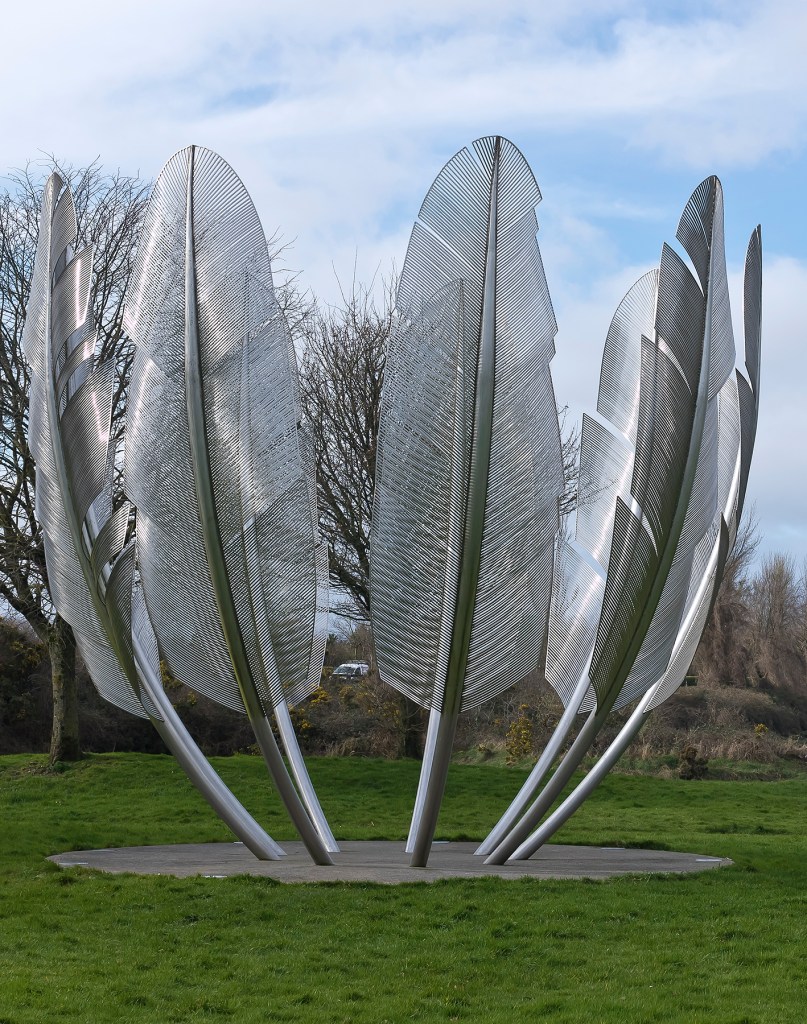
After the Kindred Spirits memorial, and probably before it in most minds, Midleton is best known as the home of the Jameson whiskey distillery. In actuality, the distillery is home to a number of brands belonging to Irish Distillers, a joint venture between the Jameson, Powers, and Cork distillers formed in the mid 1960s, at a time when the whiskey industry worldwide was at a nadir. The original distillery was constructed in the 1700s as a wool mill, and eventually became a distillery around 1825. It was a production distillery through 1975, when the new distillery was constructed adjacent. The old buildings were converted to a visitor center in the early 90s.

I’ve toured the Bourbon Trail in Kentucky a few times. I’ve also been a home brewer for about 30 years, so i have a bit of background in how corn or barley are turned into alcohol, and how alcohol is turned into whiskey. Even so, the unique history of the Midleton Distillery, and the enthusiasm of Connor, our tour guide, made this a very enjoyable 90 minutes.

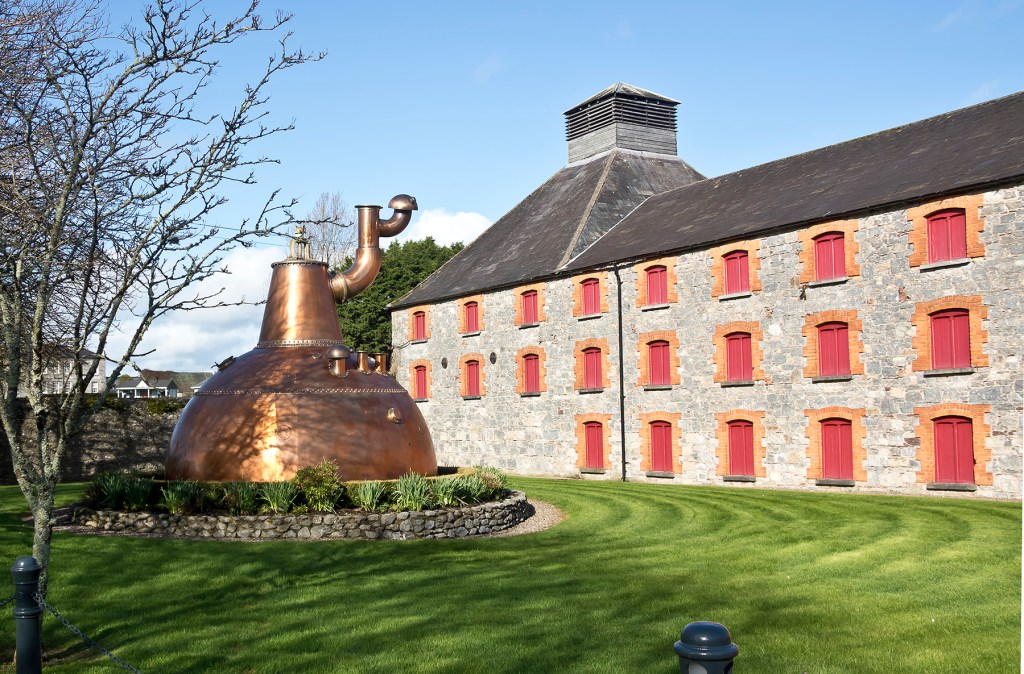
Exterior of the old distillery, with copper pot still.

The tour starts with a short film explaining some of the history of whiskey making in Ireland, particularly of the Jameson brand, before you get into the details. Jameson is the most widely distributed of the brands produced here, especially in the US, but i’ve been able to purchase the Redbreast 12 year, and a John Powers whiskey back home in NC.

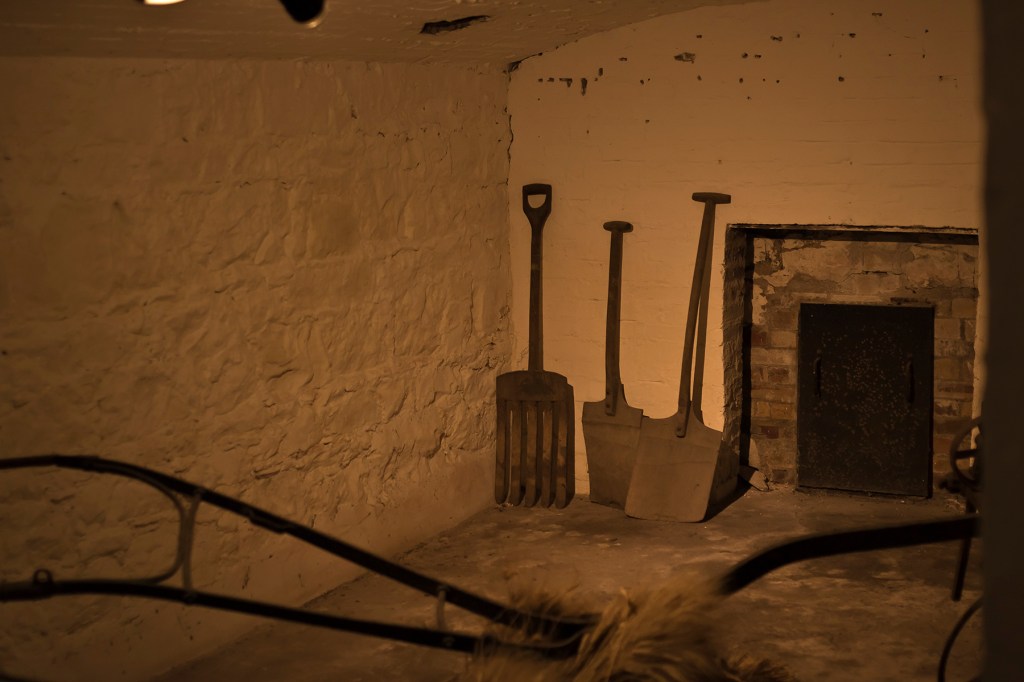
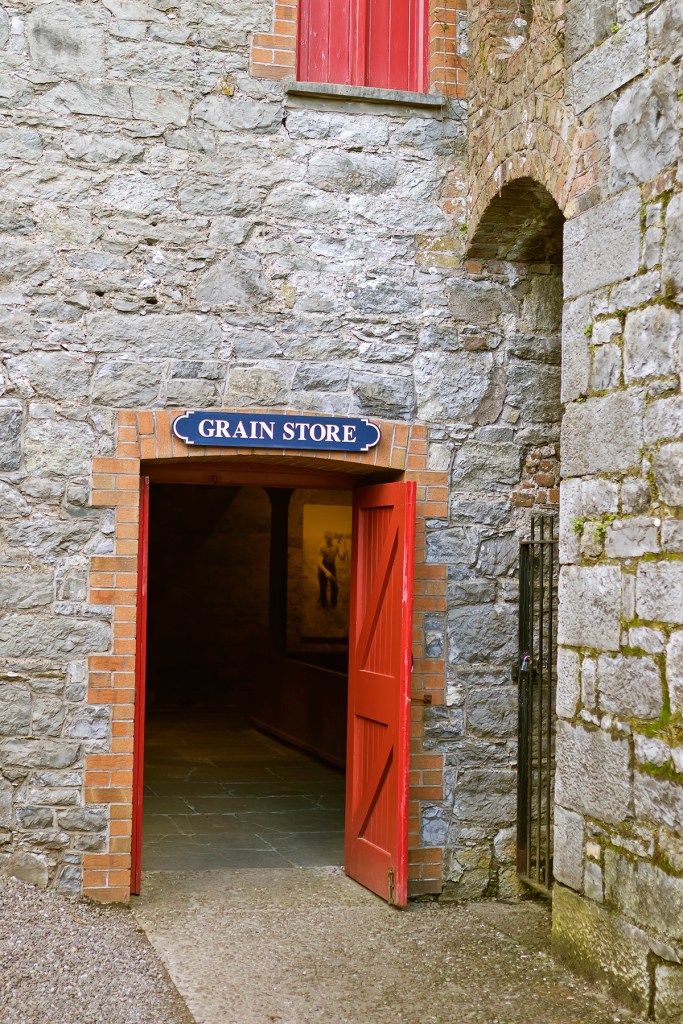
In the past, the buildings we toured were in use as grain warehouses, malting houses, and milleries in addition to distilling stations.

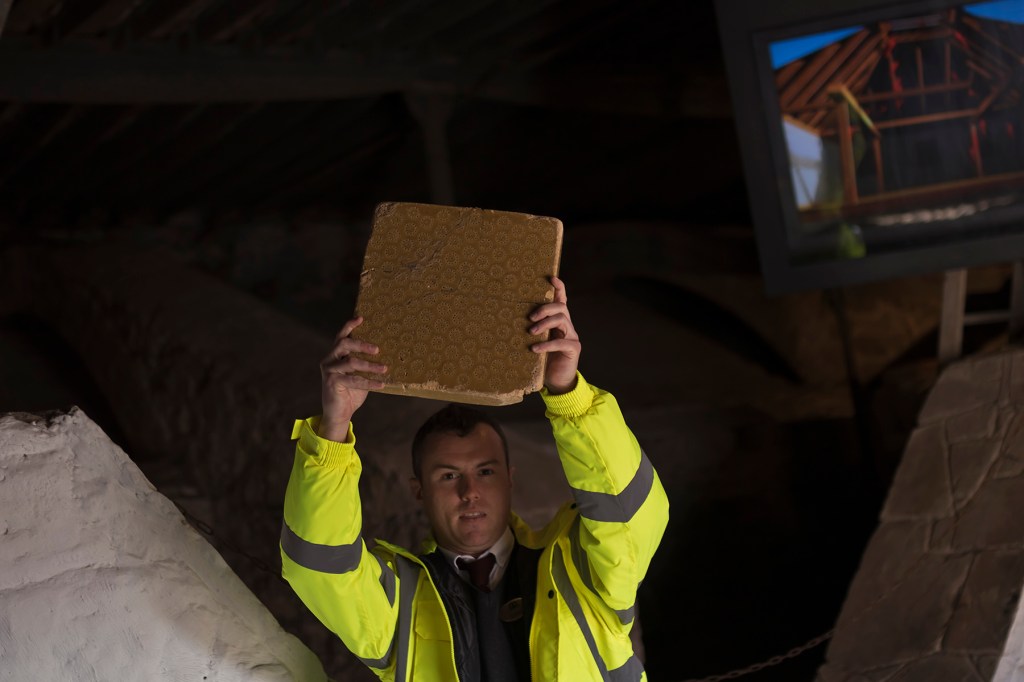
Tour guide Connor holds up a tile from the old maltings. The small indentations allow the soaked grain to begin to sprout; larger holes on the bottom of the tile allow air to circulate.
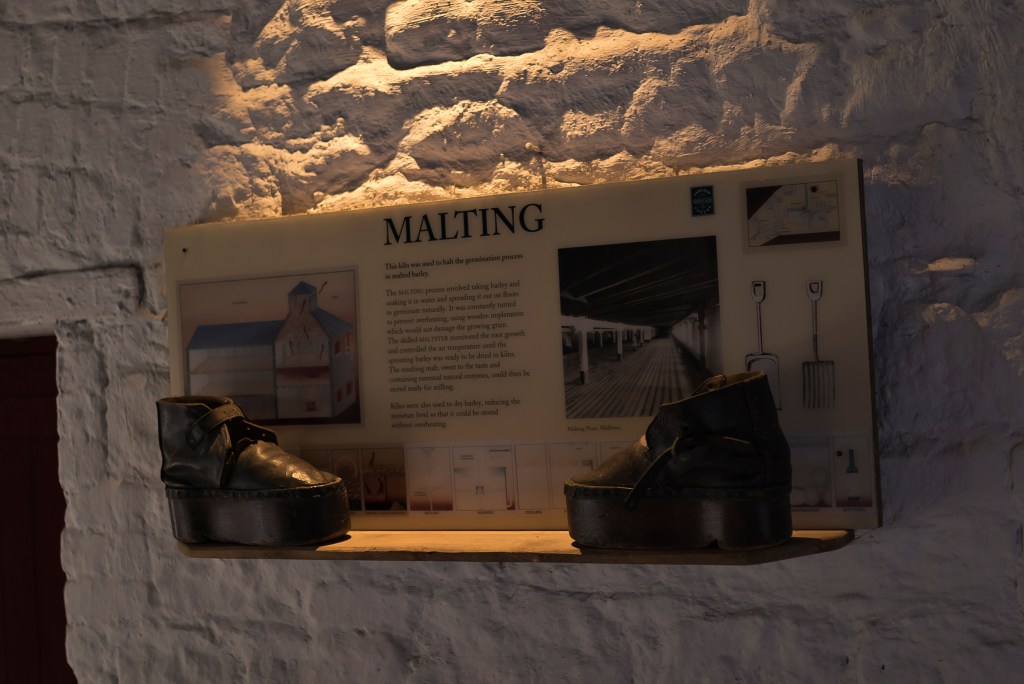
After germinating, the grain has to be kiln dried. The kiln floors can get hot, so this was the 19th century solution to keeping your feet from burning.

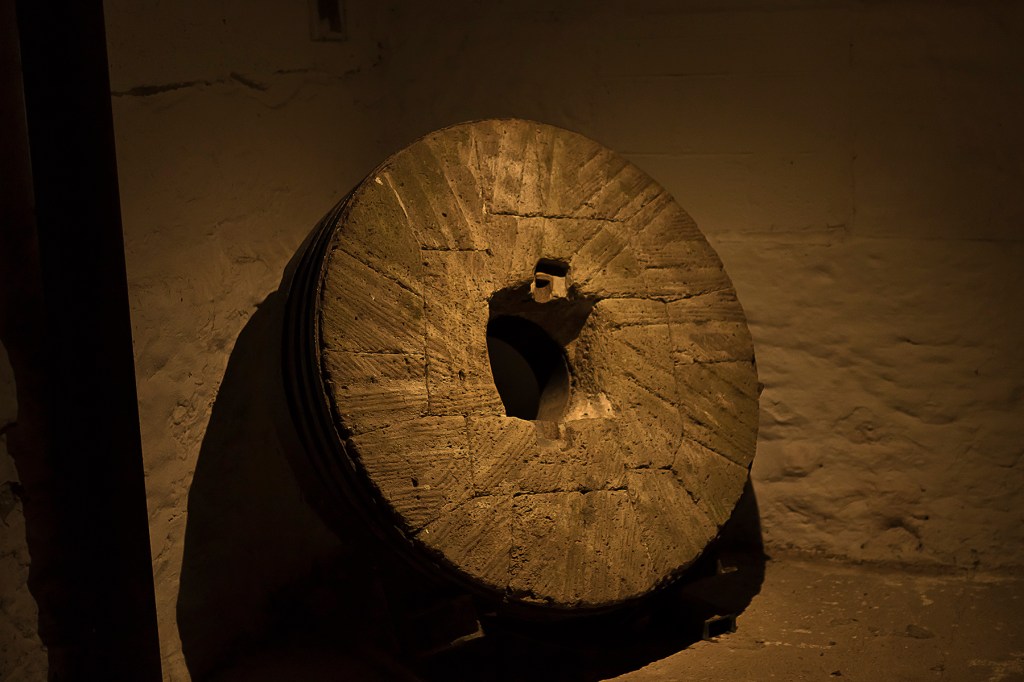
The main thing I’ve learned that differentiates Irish whiskey from any other style, is that it is distilled from a mixture of malted and unmalted, that is, germinated and ungerminated, barley. This came about mostly as a result of the British Crown’s taxation policies. Malted barley was taxed at a much higher rate than unmalted barley. In order to keep at least some profits in house, Irish distillers learned how to balance the two types in their production processes. After the sprouted grain was kiln dried, it was then milled into grist onsite.

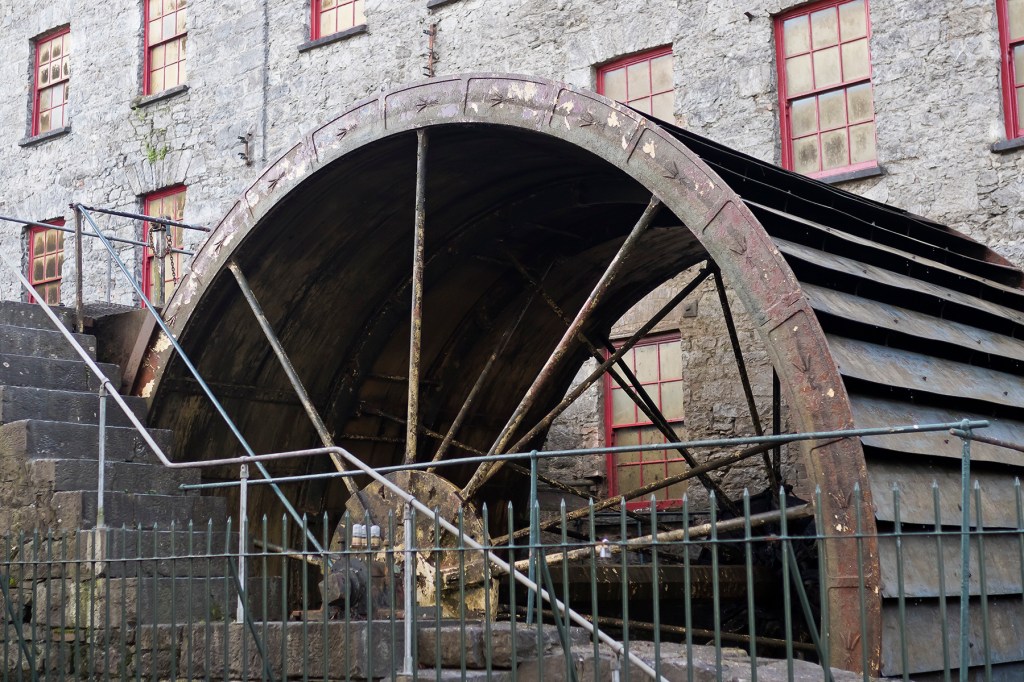
This waterwheel dates back to 1852.

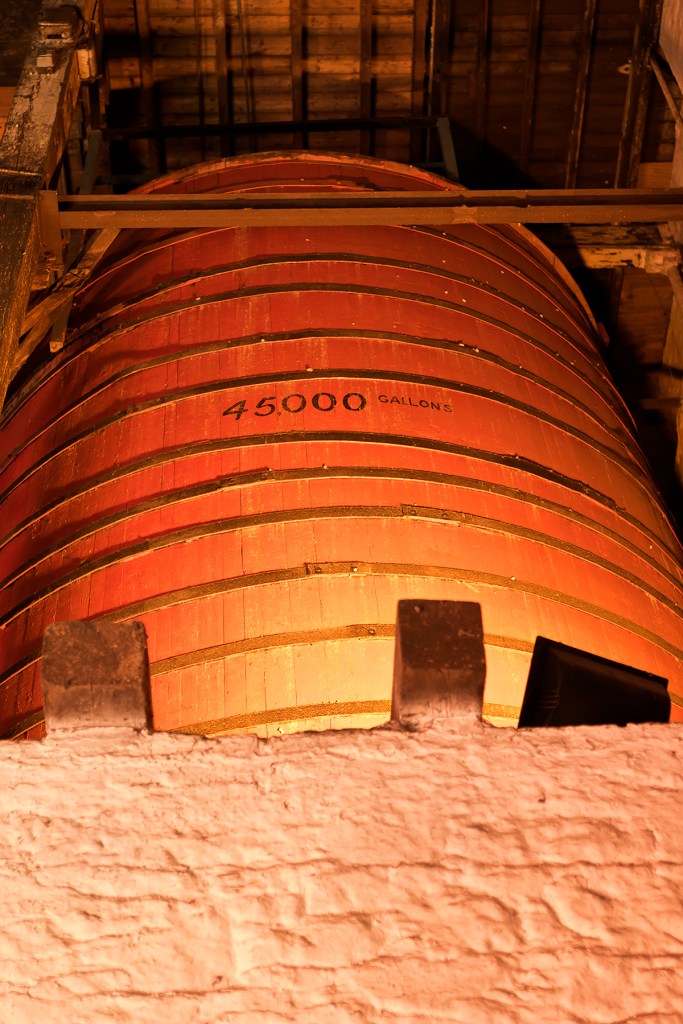
As in beer making, the crushed grain is mashed to encourage the conversion of starch into sugars. The resulting wort is then cooled for a bit, before yeast is introduced to turn that sugar into alcohol. In this case, it was transferred to 45,000 gallon wooden tanks.

No, seriously, 45,000 gallon wooden tanks, hanging out 10 feet above your head. At a pound a pint, that’s 180 tons of liquid.

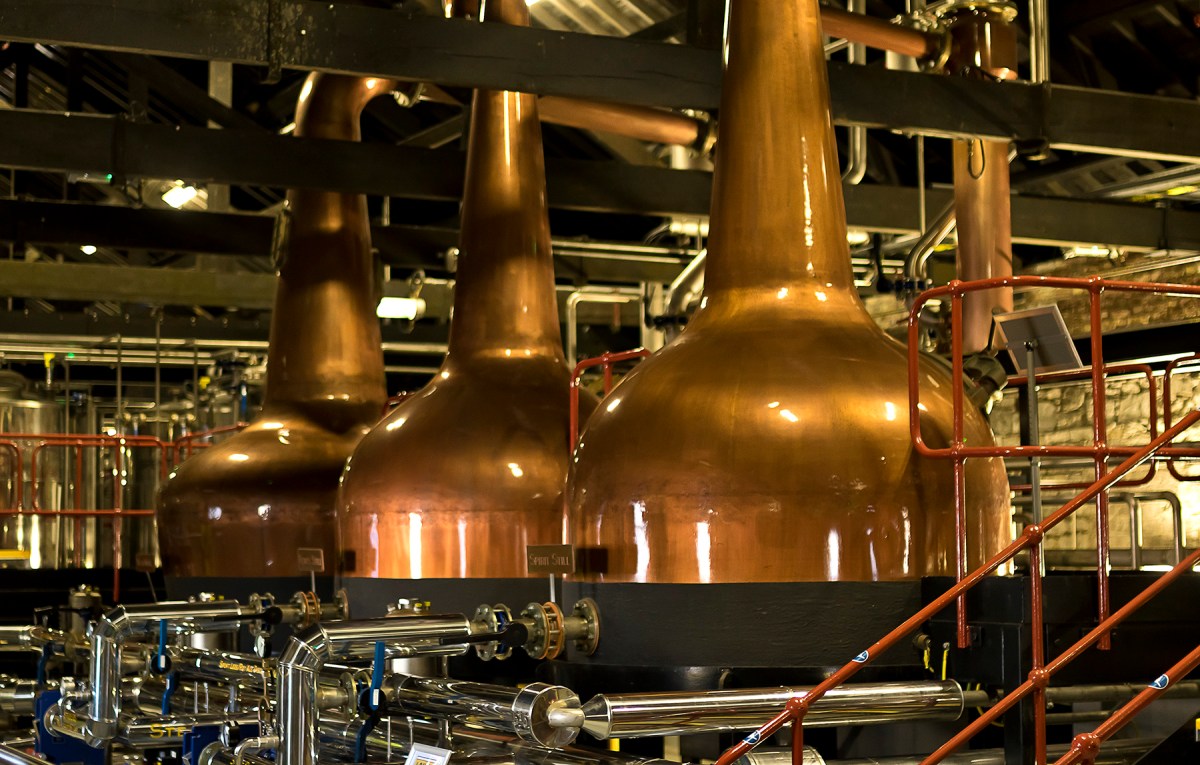
Distilling is the process of separating the alcohol from the fermented wort. There’s a couple of ways of doing that, but they all take advantage of the fact that alcohol boils at a lower temperature than water. You heat the liquid to somewhere around 180° F, collect the alcohol laden vapor in a tube, then chill it and catch the condensate in a separate tank. Which impurities you leave in, and which you take out, is part of the distiller’s art. Traditionally, Irish whiskey was all made in a copper single pot still, like the one in the first picture above. Now, most are made using a combination of pot stills and column stills. The latter is common in bourbon making. Irish whiskeys made the traditional way are labeled as single pot still.

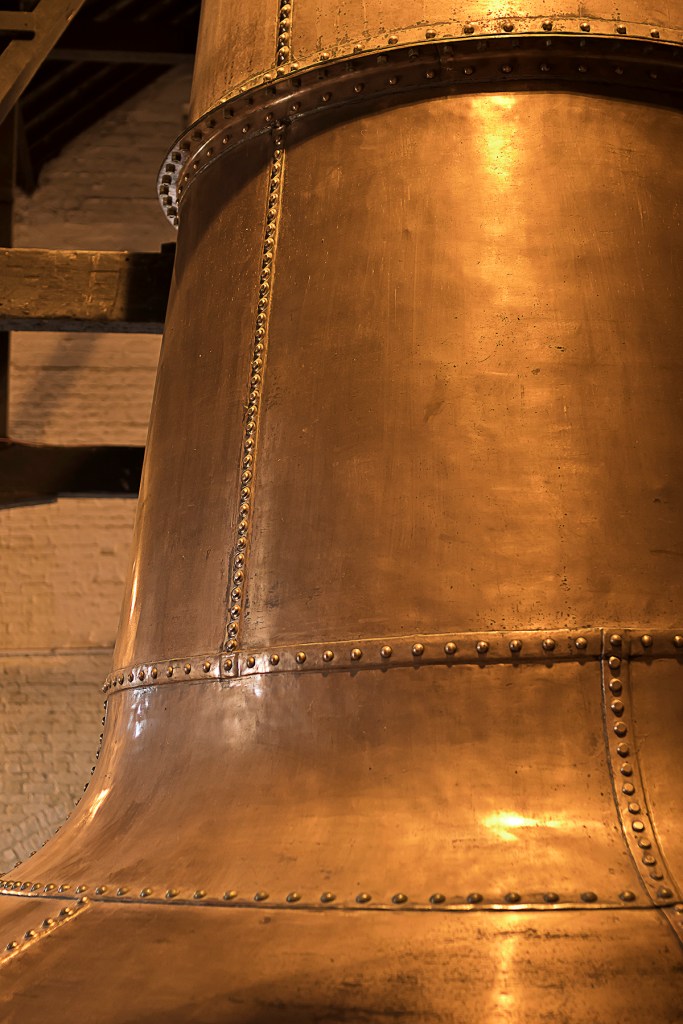
This is apparently the largest pot still in the world. It was so big, and the room so small, that even with my widest angle I couldn’t get all of it in the frame. So here’s a closeup.
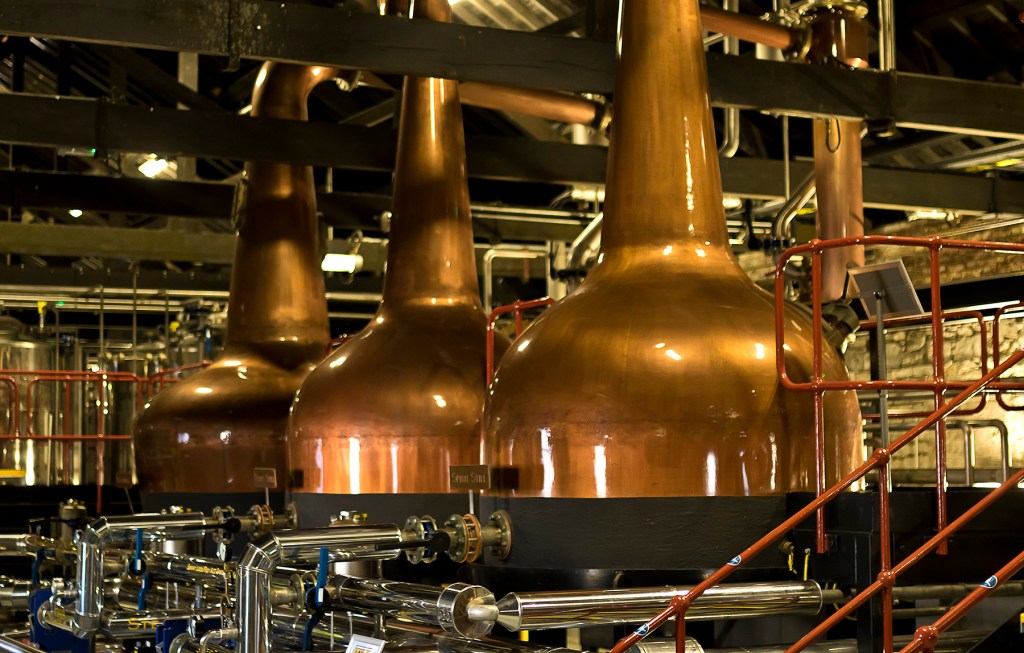
These three are much smaller, and are in use in the testing rooms, where new recipes are concocted and tried out. I suspect they are much newer than the big boy.

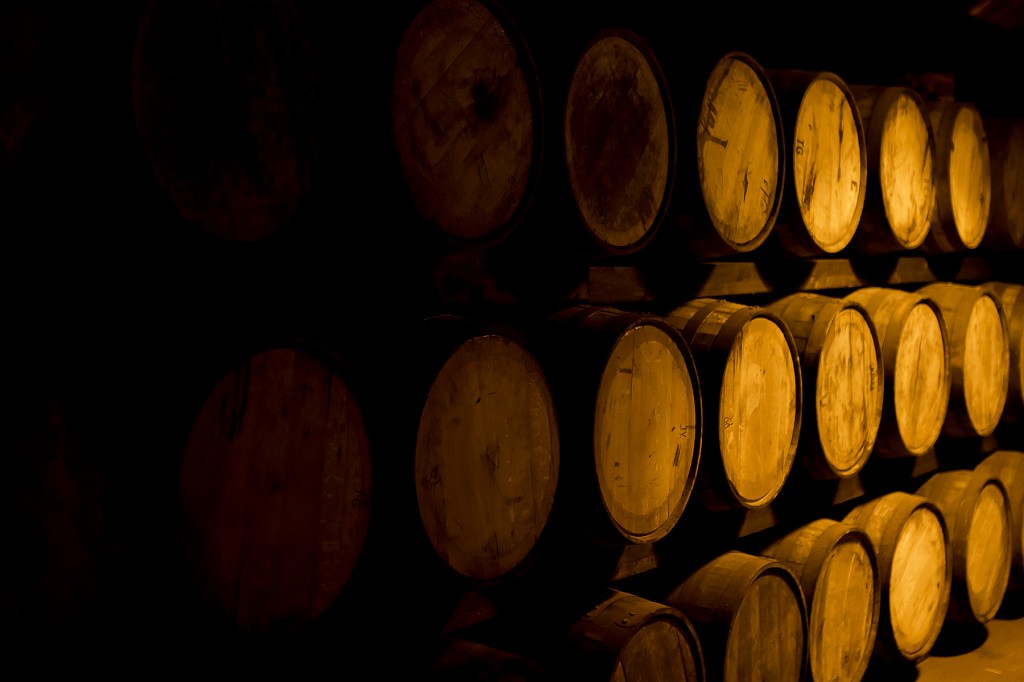
The second part of the distiller’s art is the aging. American bourbons are aged for a minimum of two years in charred oak barrels, which can only be used once. The warehouses are a couple of stories high, and the barrels are rotated from the top to the bottom at least once, because the temperature differences, both throughout the year, and across the building, are great enough that a barrel allowed to age in the warmer top story in the summer will impart a different flavor to its whiskey than one on the floor in the winter.

Temperatures in Ireland are not so variable, and the warehouses are generally a single story. So the barrels are stacked three high, and not rotated during the aging process. Different types of barrels are used, including former bourbon and sherry barrels, as well as some virgin oak barrels. Much Irish whiskey is actually matured in a sequence of barrels, which can be re-used up to 3 times before being discarded. Most of the discards end up in Cuba, where they are used to age rum.

Master Distiller Barry Crockett grew up on the site. Some of the last whiskey produced by his father was made available for purchase recently, at $40,000/bottle. You had to act fast, though. All 48 bottles sold out in a couple of days. Maybe start saving for the 2021 release.

Categories
Ireland Midleton Trains Traveling

Midleton: Town & Kindred Spirits

Yesterday we took the train into Midleton. It’s about a half hour ride, most of the way sharing the same track as the train to Cobh, splitting off for the final two stops.

Midleton is a bit smaller than Cobh, with much less waterfront and no harbor to speak of. There are two main points of interest, the distillery and the Kindred Spirits memorial. I’ll make a separate post about the distillery, but here’s some thoughts and images about the memorial and the town.

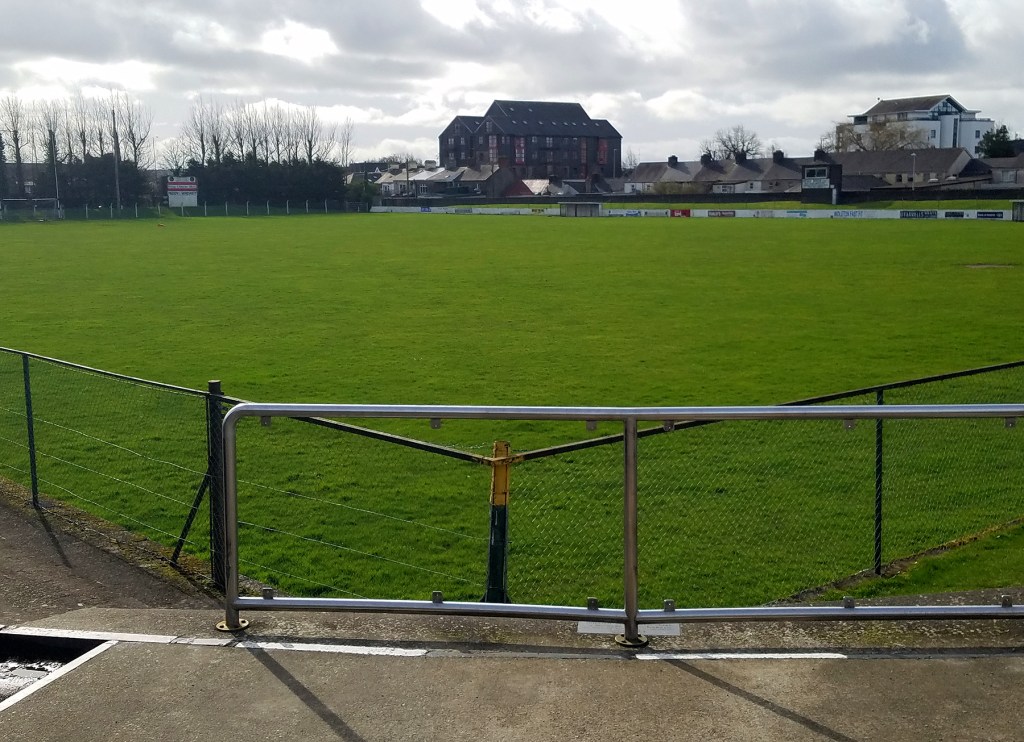
Directly adjacent to the train station is Midleton’s hurling pitch. Unfortunately for us, the next match is a few months down the road.

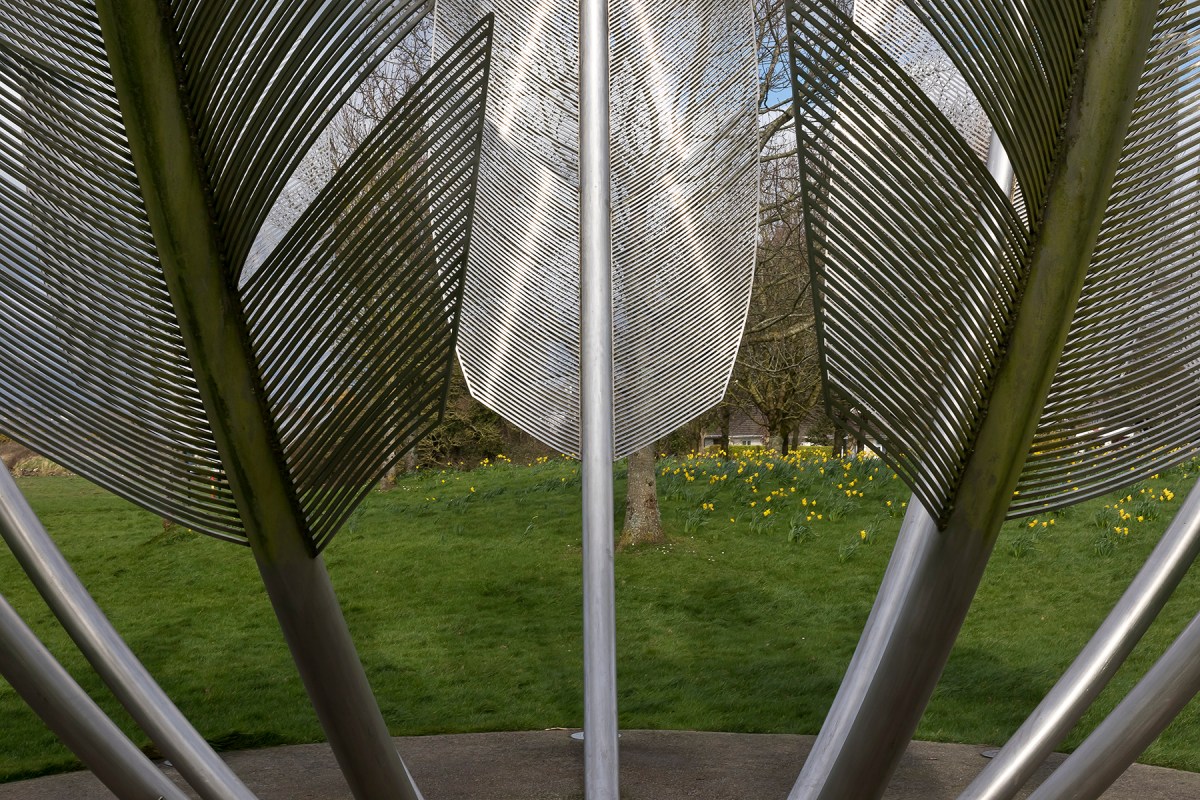
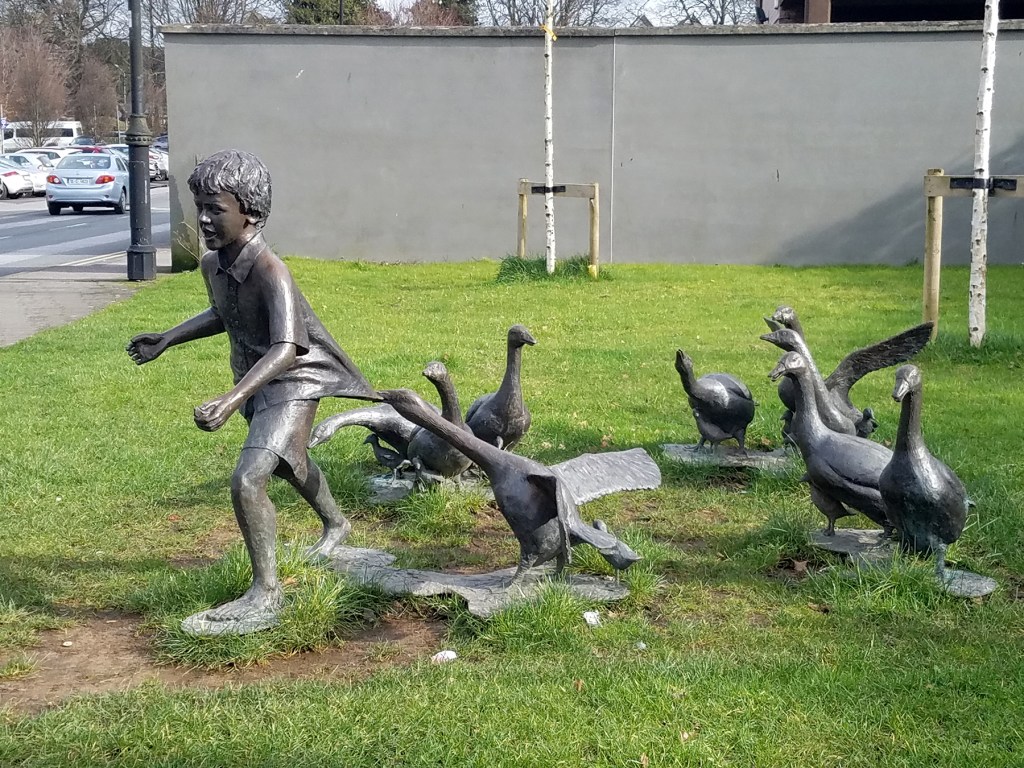
This sculpture, near where the railway road lets you off into town, is entitled Flock of Geese, or some such. Seems to me that “Halp!” would be more appropriate.

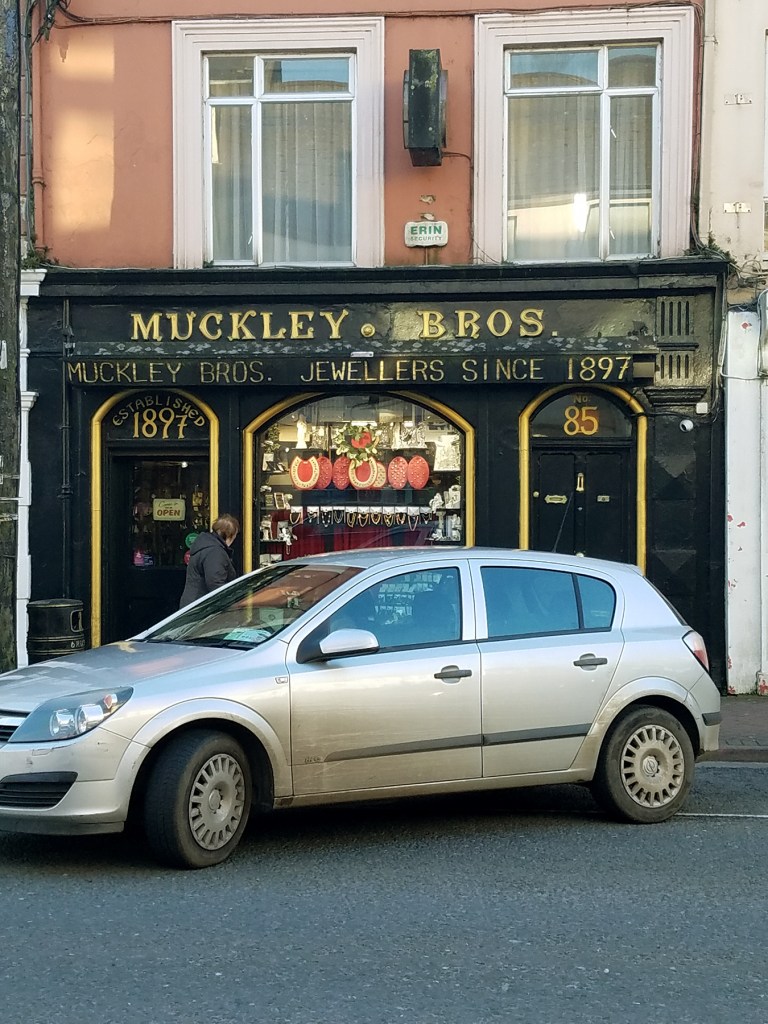
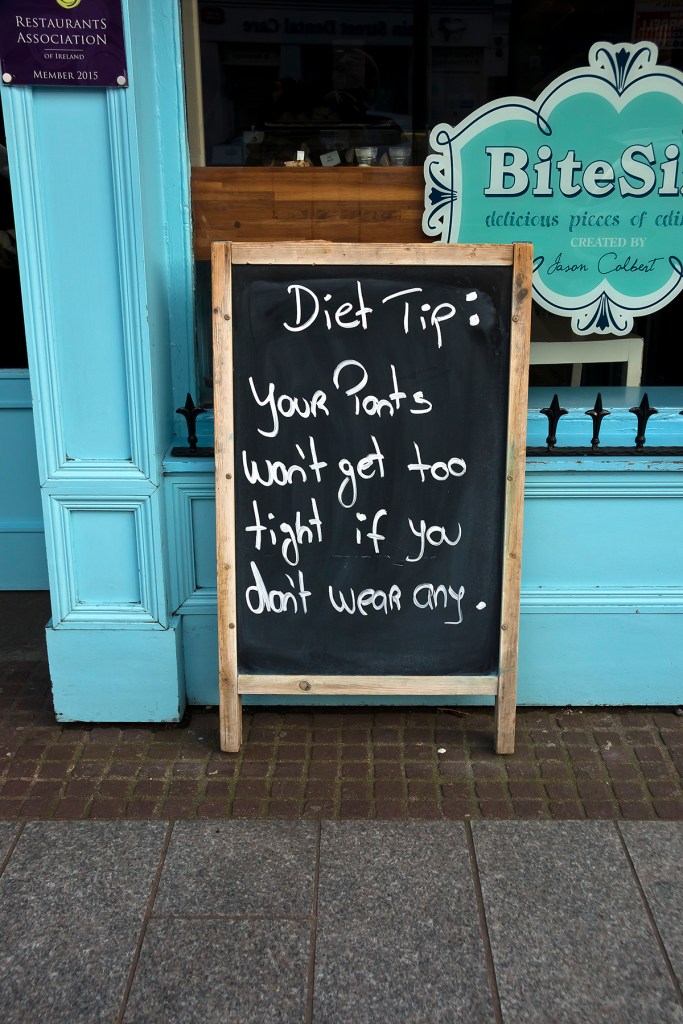
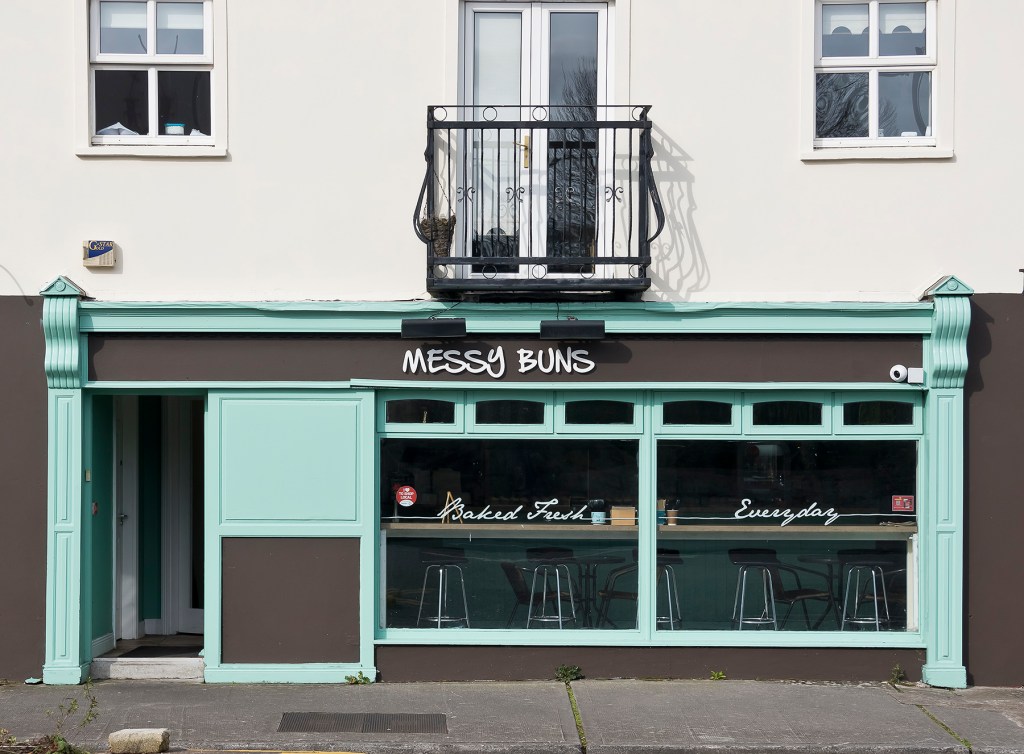
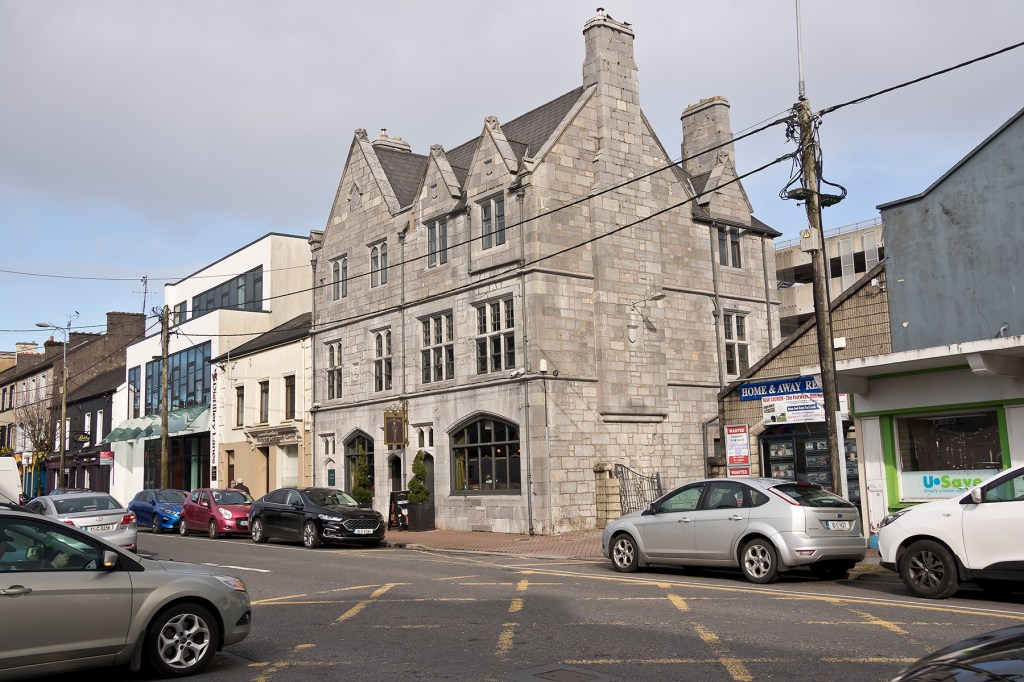
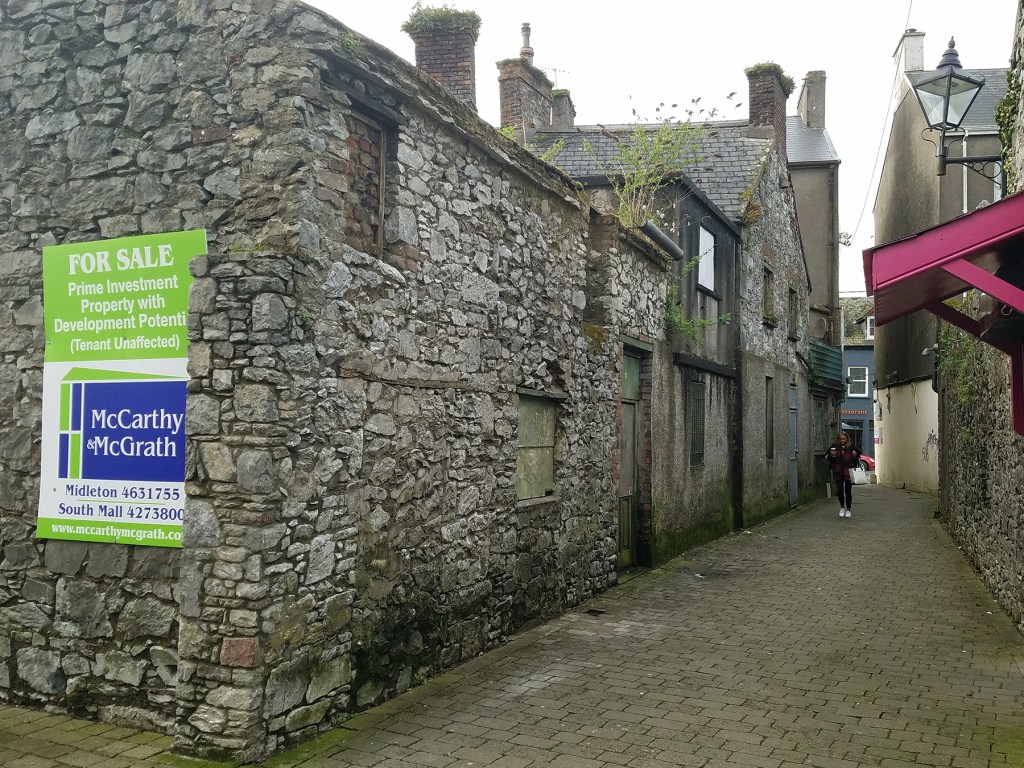
Midleton is, essentially, a single main street kind of town. It’s about 7 or 8 blocks long, with enough restaurants, bars, bake shops, etc., for a town thrice its size, and a decent number of shoe stores, clothing stores, & real estate offices as well. The alleys and side lanes hold a few surprises, too.

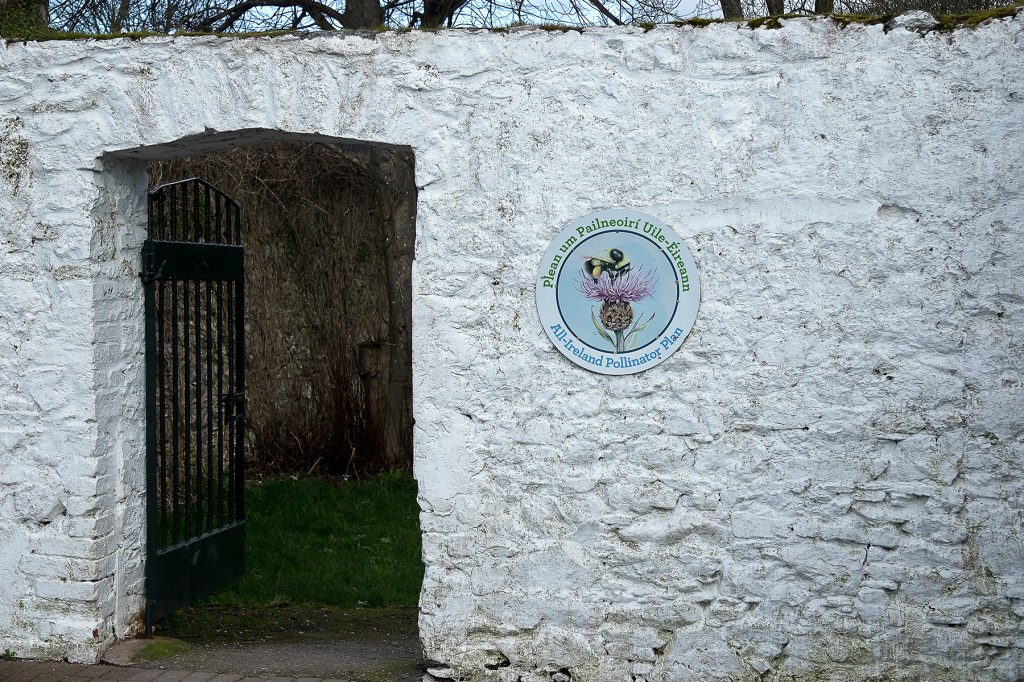
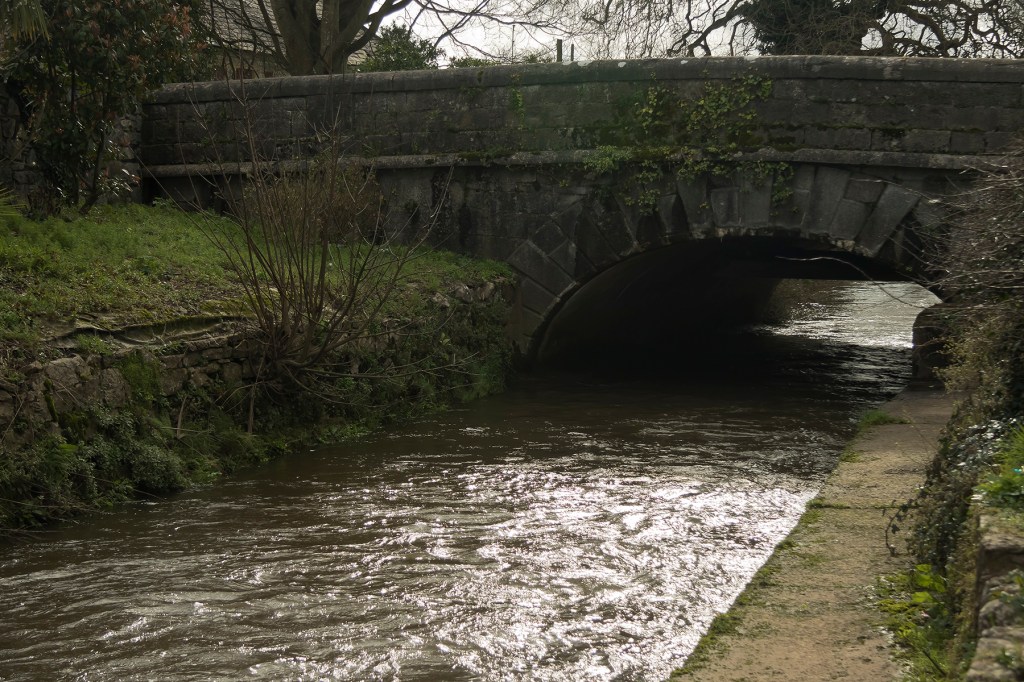
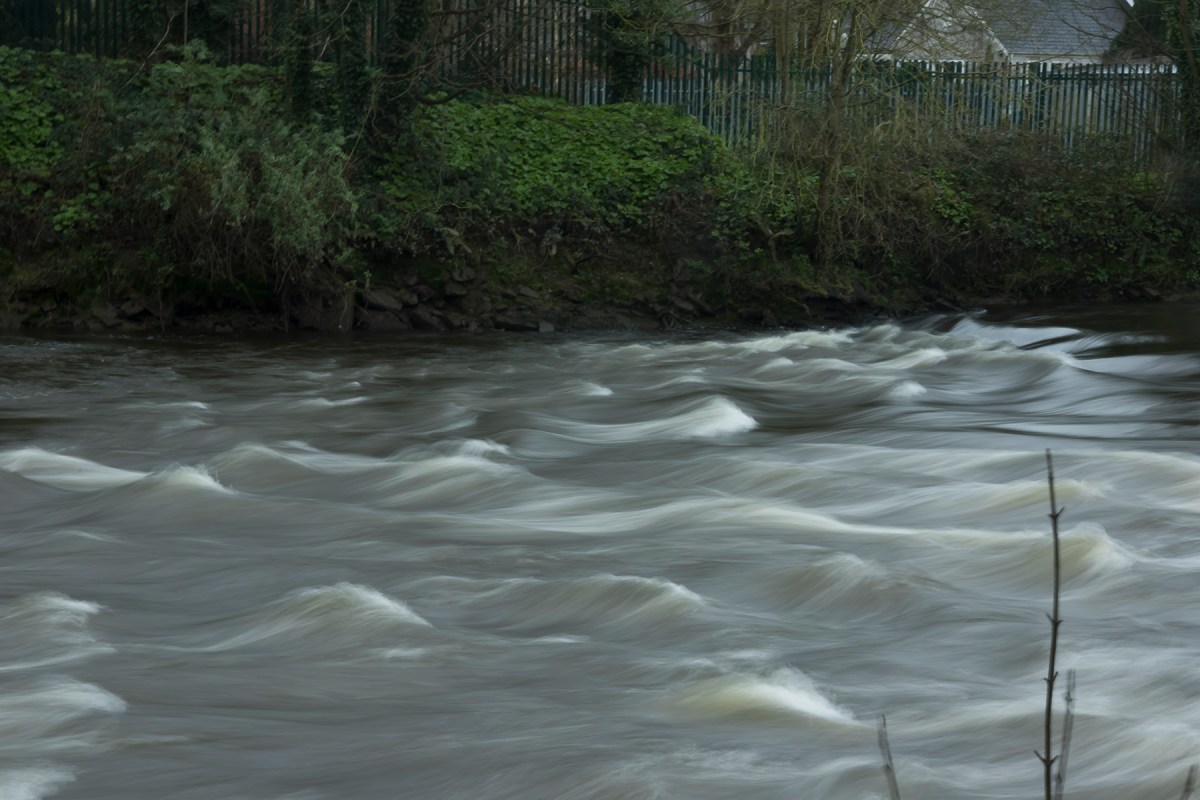
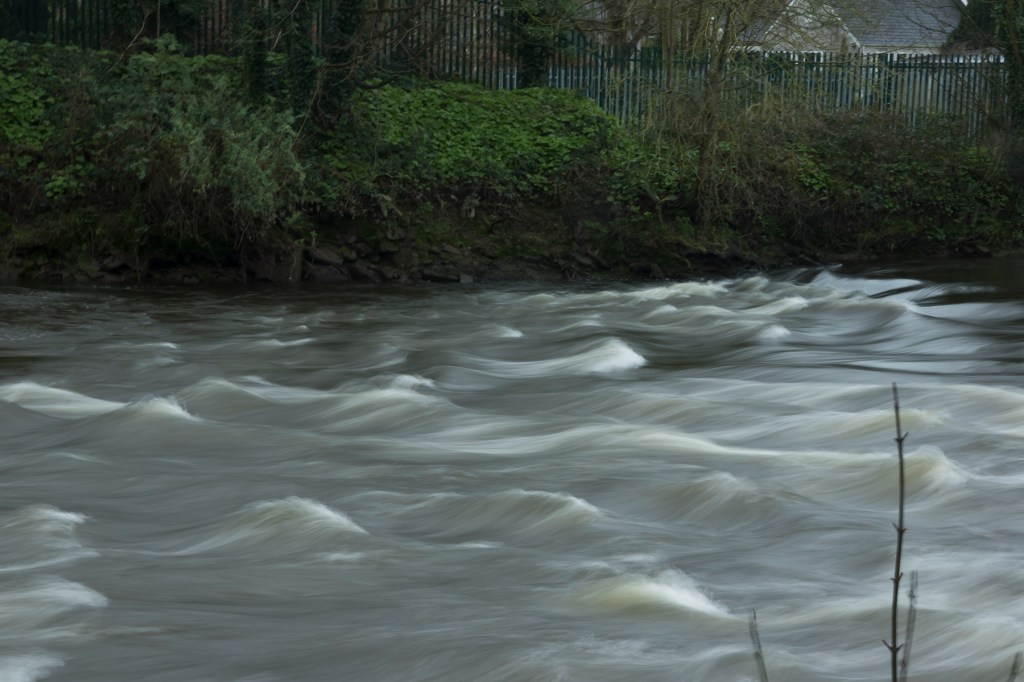
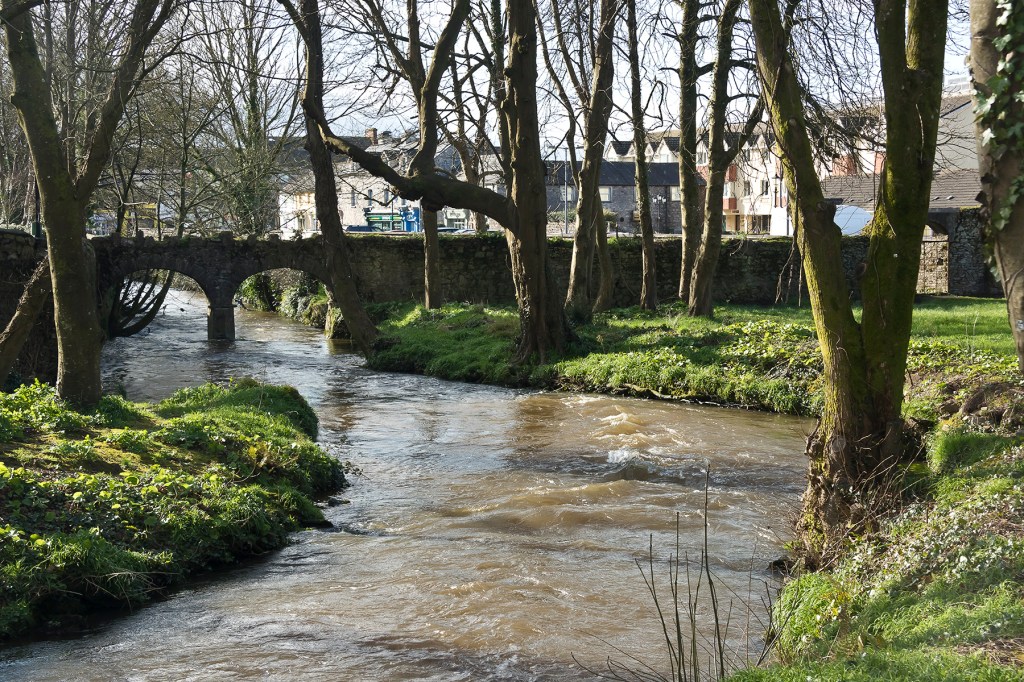
Adjacent to the distillery is a pollinator garden. It’s still winter (even if the pagan calendar says it’s early spring), so not much is blooming. Roughly double the normal amount of rain has fallen across the country this February, so every small creek is racing.

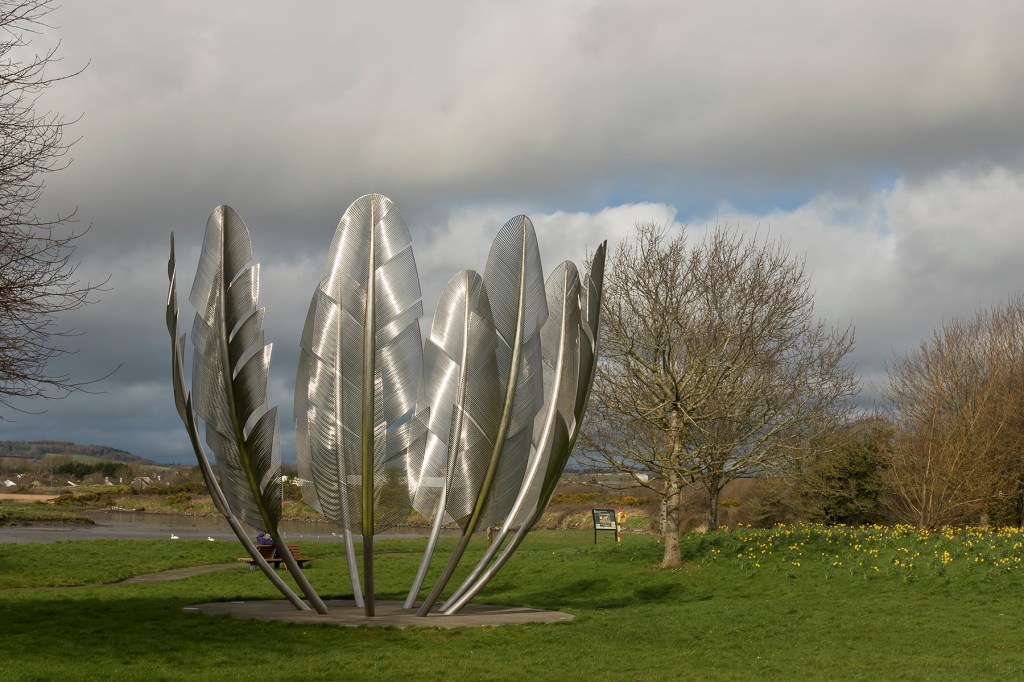
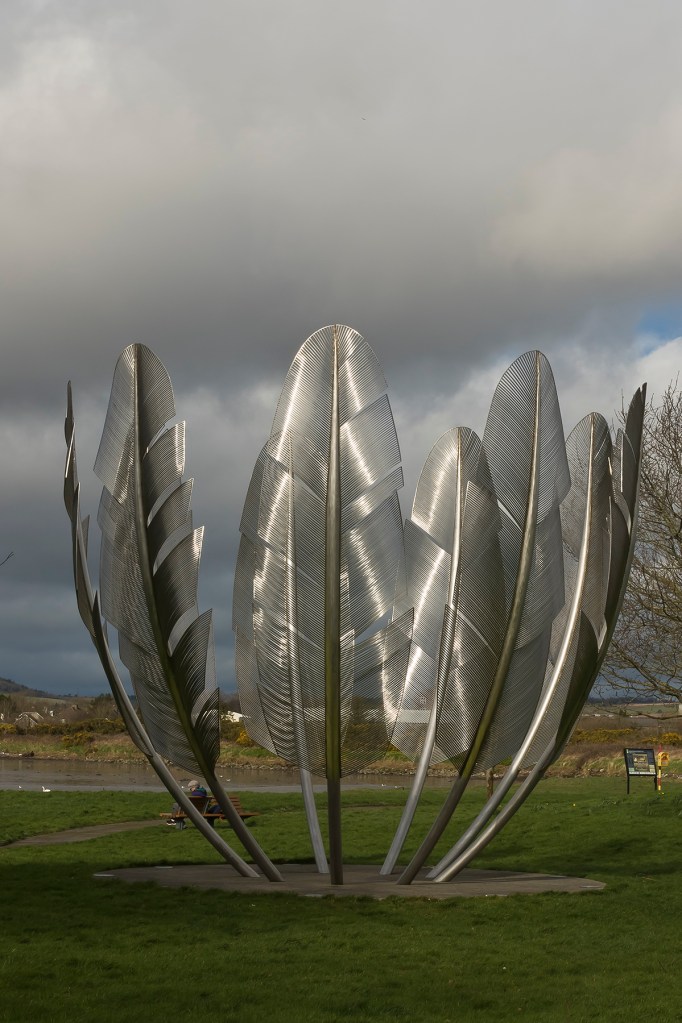
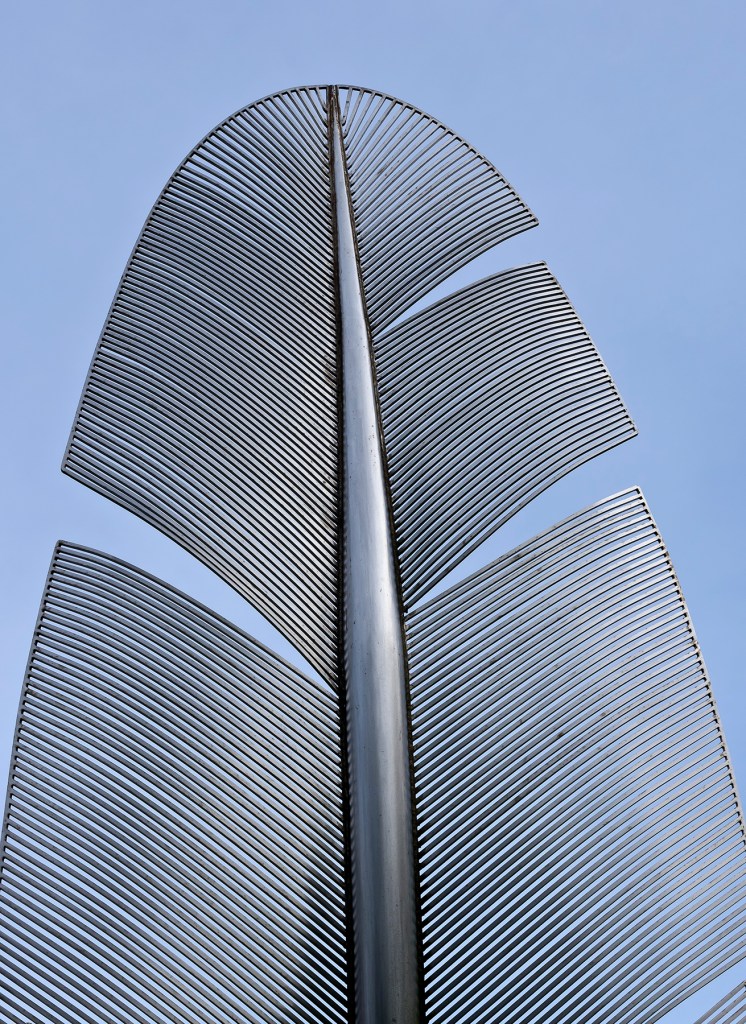
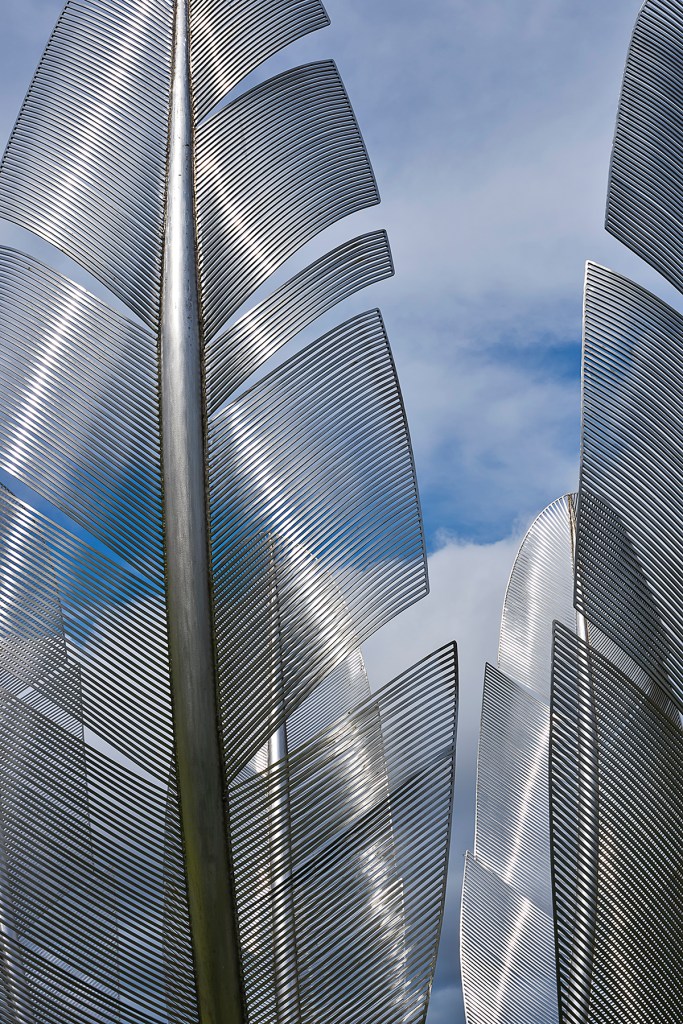
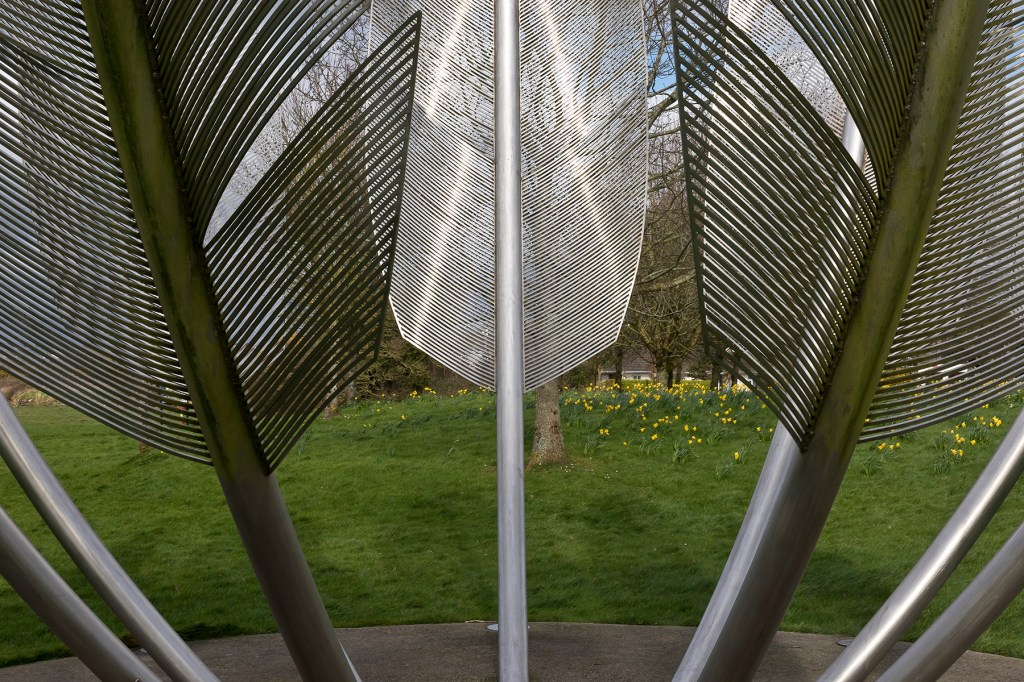
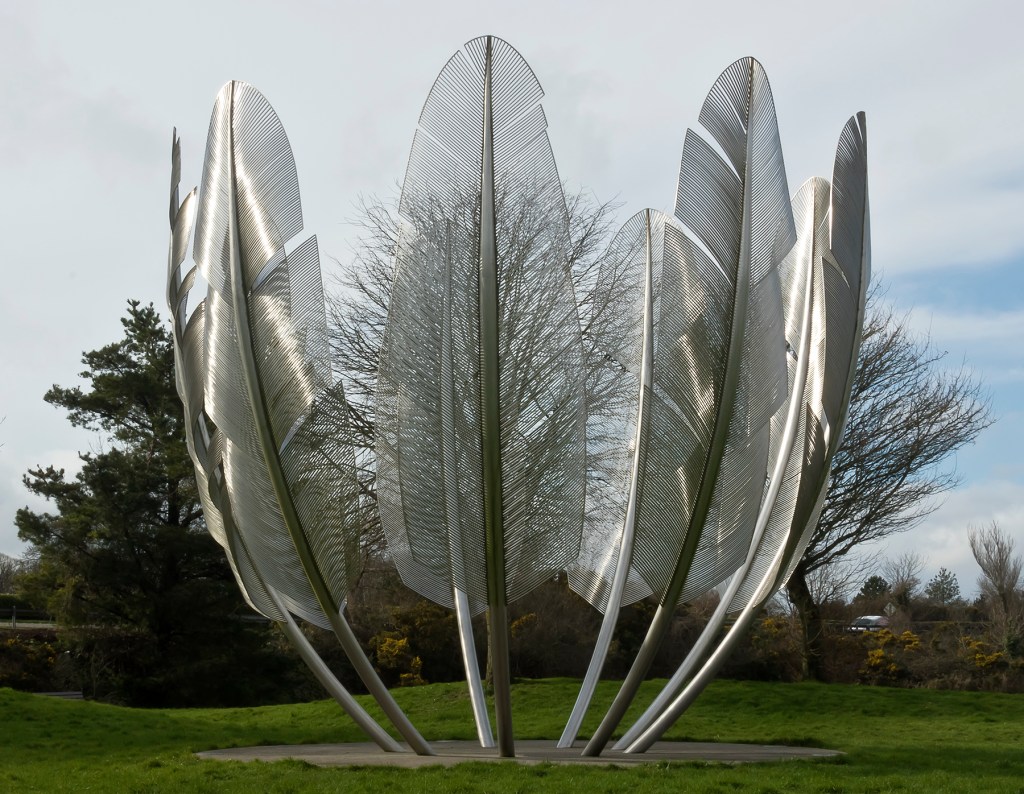
The Kindred Spirits memorial is in a small park, roughly a kilometer south of the town center. Enough has been said about the memorial elsewhere that i don’t need to add anything. It was a truly humbling experience. I hope some of my photos can convey that feeling.

Categories
Cork City Ireland

A walk in the park

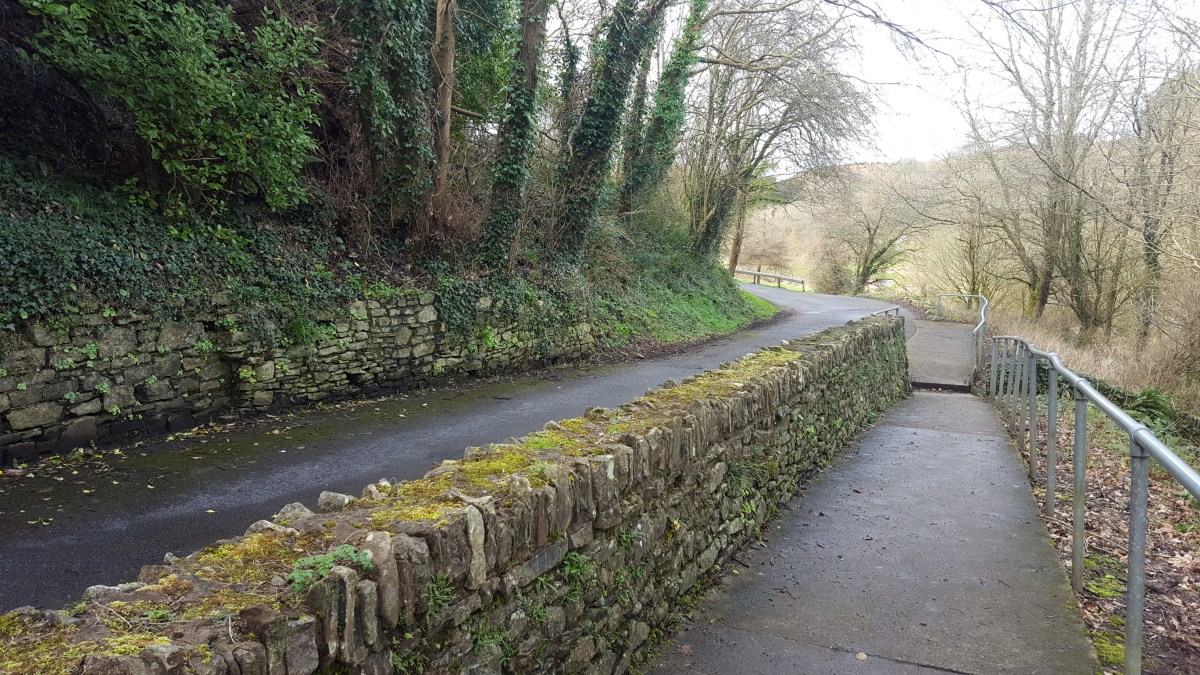
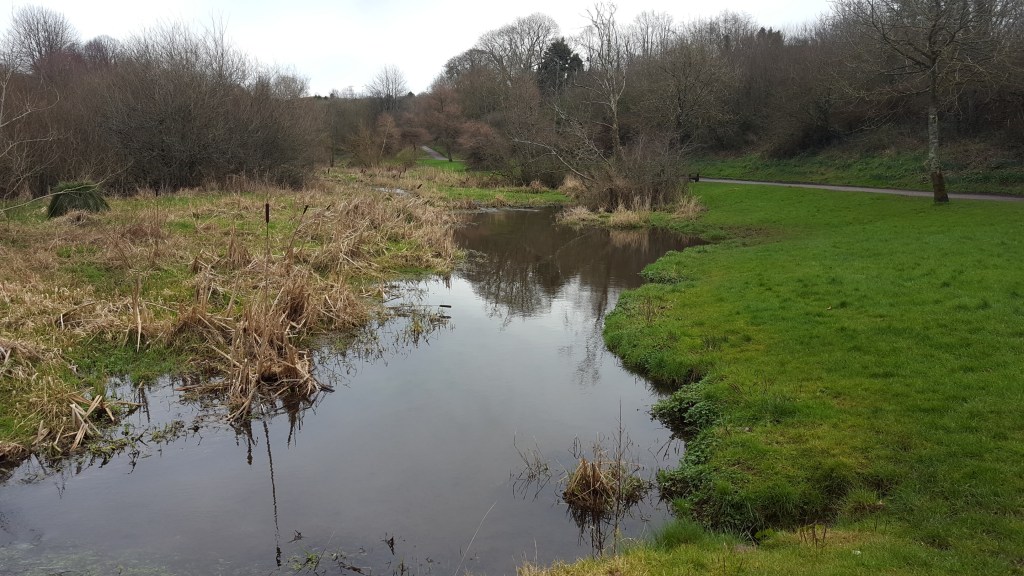
Yesterday we took a short bus ride to Glen River Park, at the north end of the city. We walked through the park and back into town.

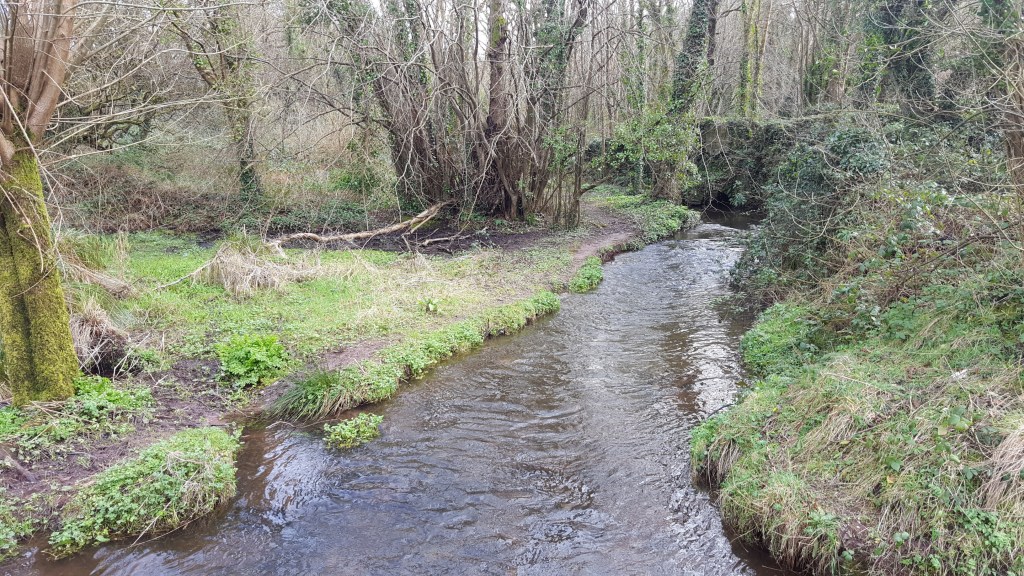
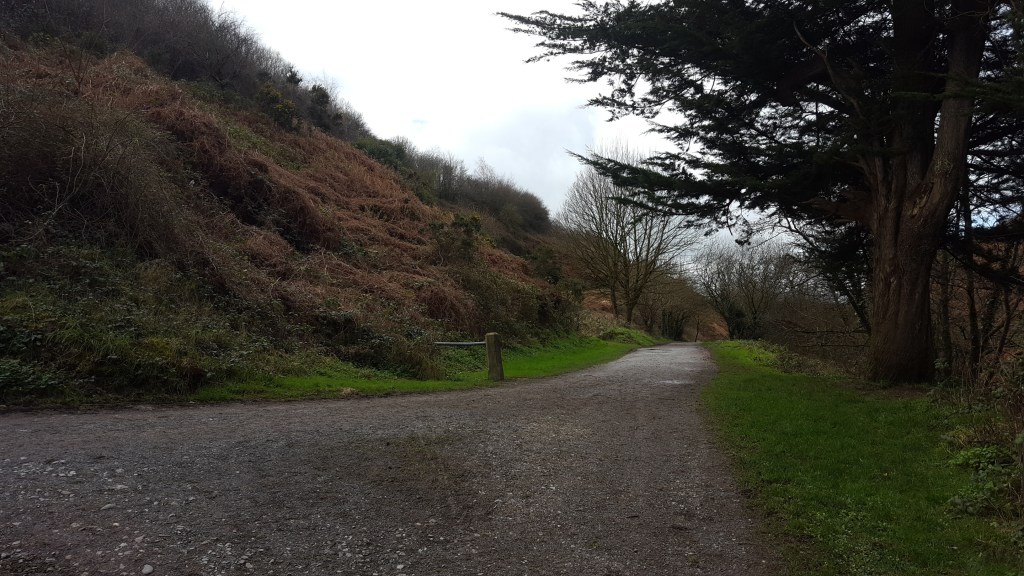
The trails through the park — some paved, some not — follow a small stream. We were never too far from civilization; in most places you could see nearby houses, and sometimes hear a nearby highway. But it was still a peaceful stroll by a babbling brook.

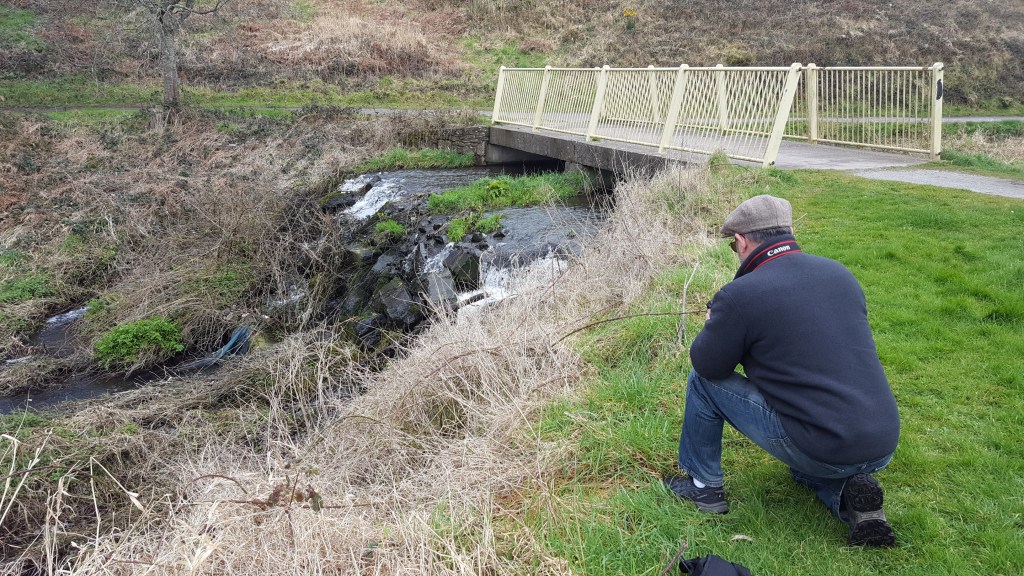
As usual, Barry took a lot of photos, and I’m sure he will be sharing them!

I’ve gotten a bit spoiled by the Eno River State Park, especially by the unofficial trails that I usually follow, or the bushwhacking I do when it’s not tick and poison ivy season. I’d forgotten how much litter gathers in urban parks. It was a big disheartening.

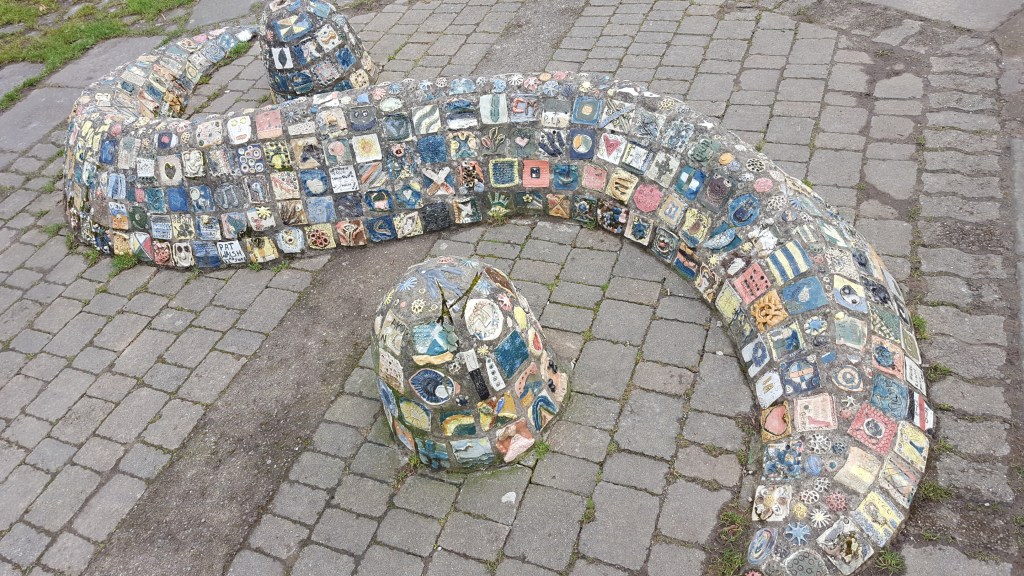
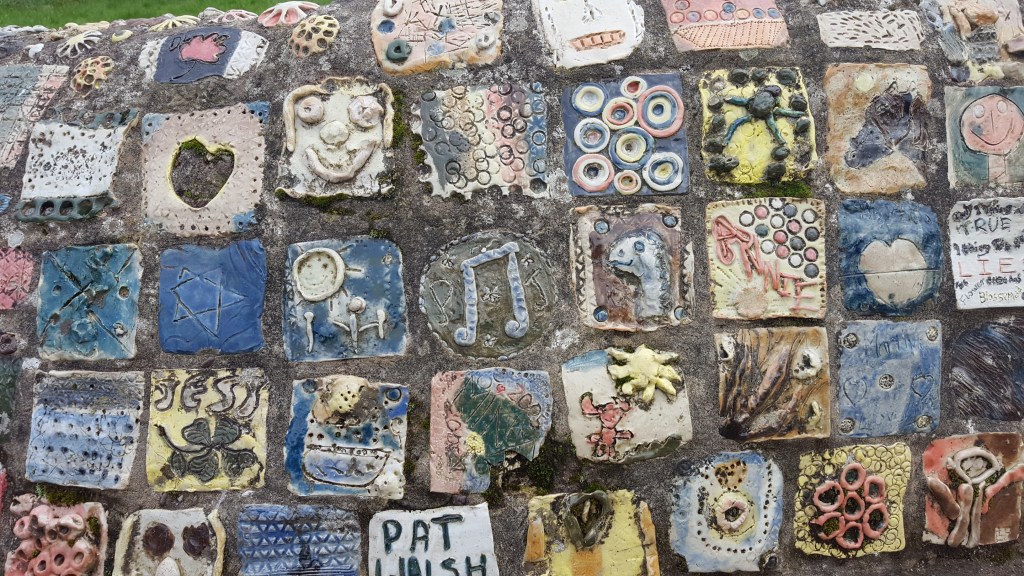
This bit of artwork was in the park, with no plaque or explanation. It sort of evokes a yin/yang symbol, and included all these little tiles that looks like they were likely made by kids.

Categories
Cork City Ireland Street Art

Miscellany

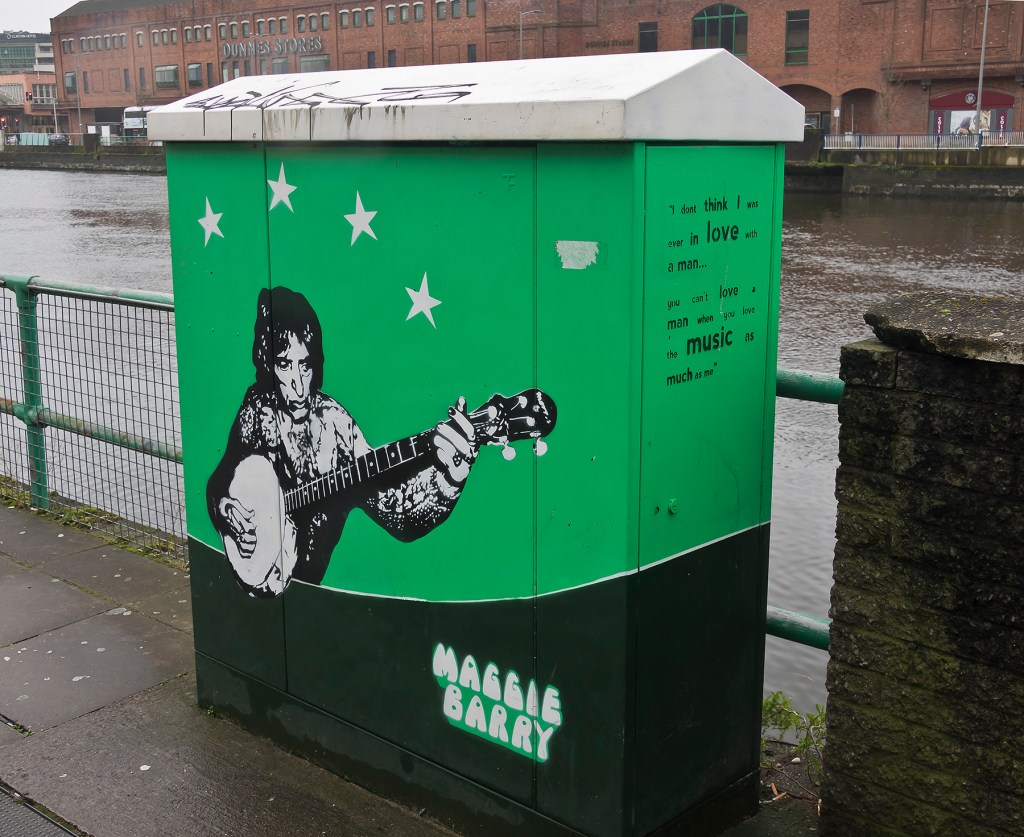
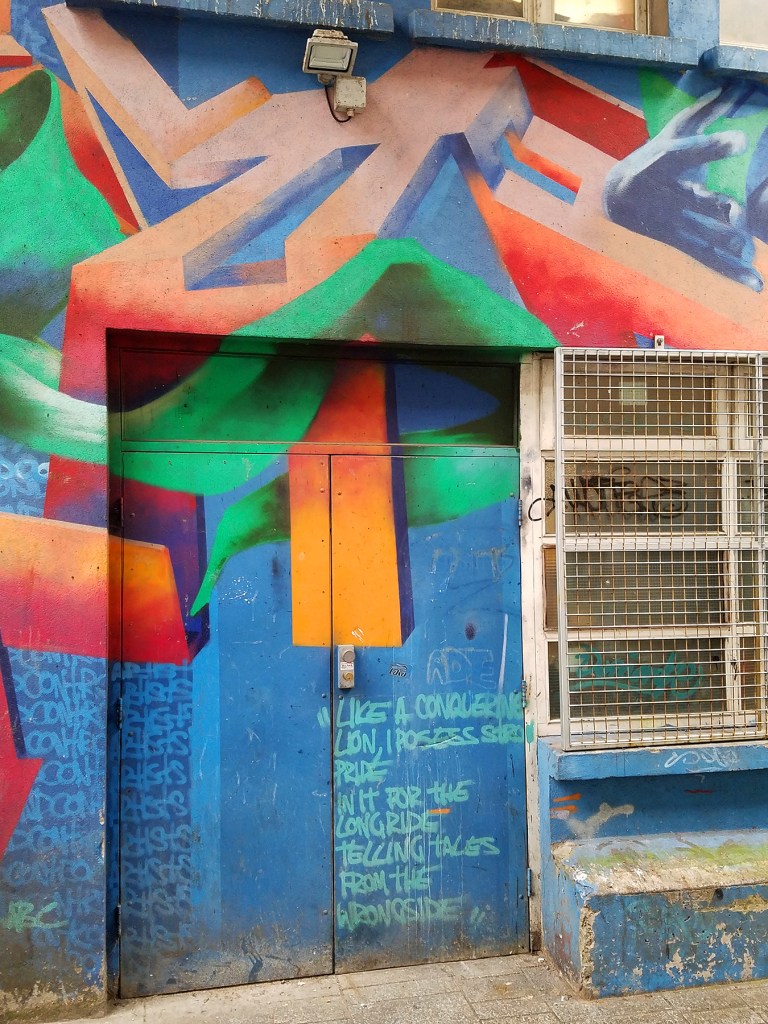
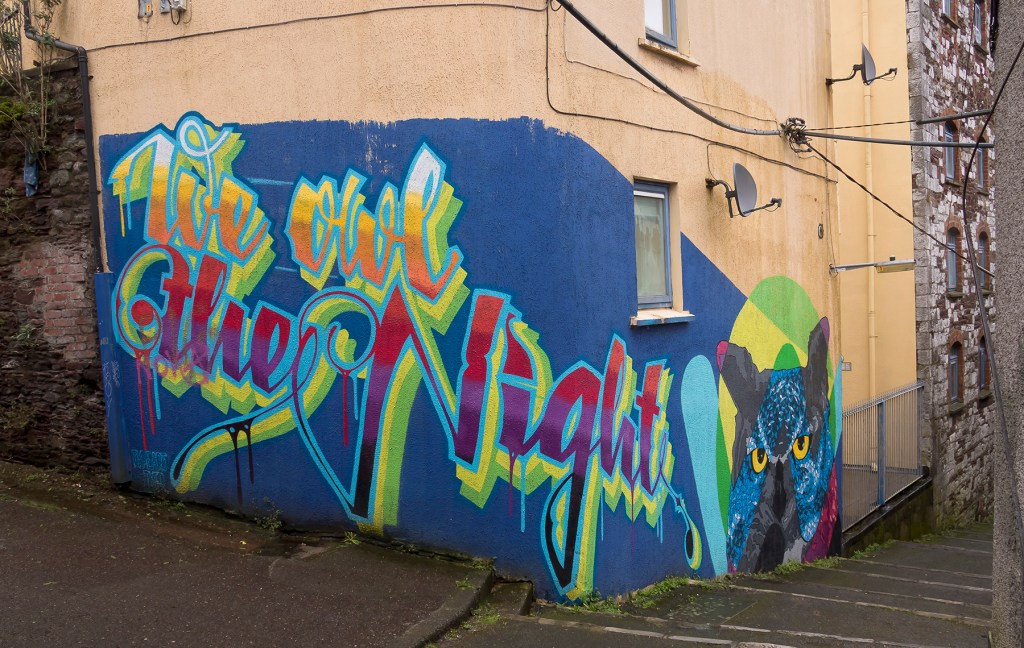
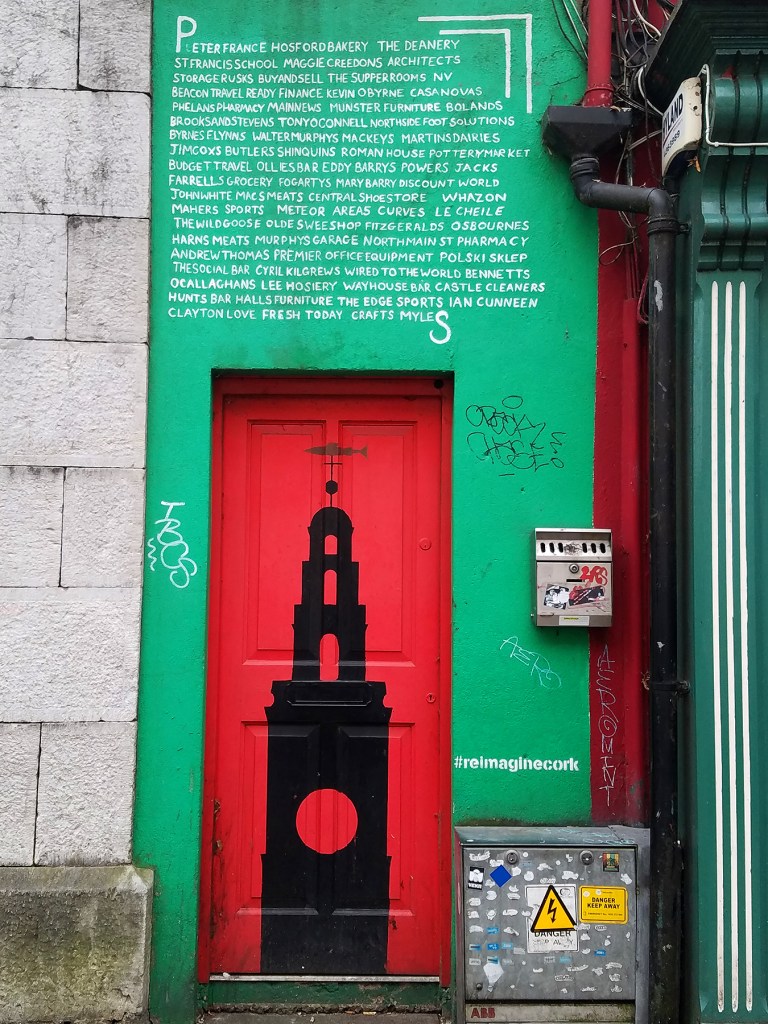
I’ve taken a lot of photos that haven’t found a home in any blog posts the past couple of weeks. Plenty of street art, but some other things as well. Here’s a catch-all post for some of them.

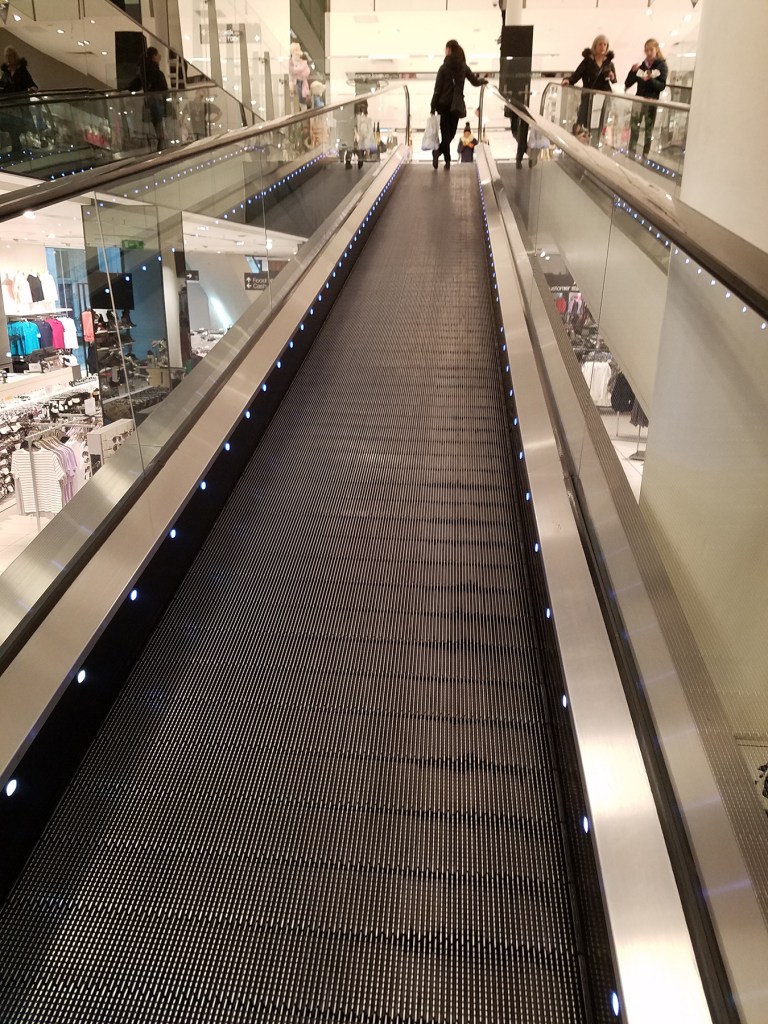
This escalator has no steps!
Categories
Durham

What You Leave Behind

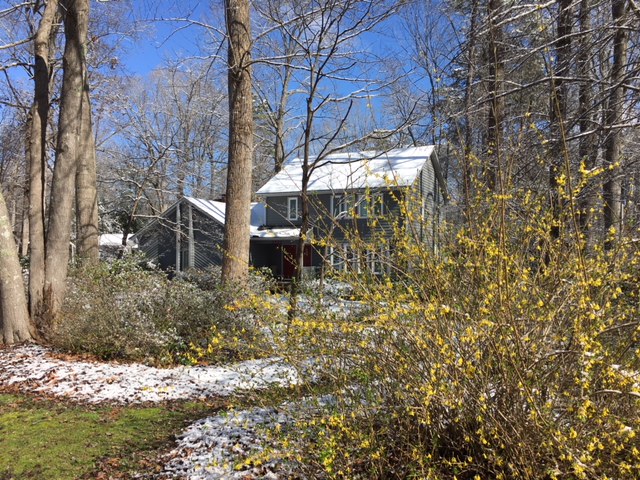
One of my neighbors sent a photo of our house in the snow storm yesterday. Thanks, Anne!

Categories
Black Rock Castle Blackrock Cork City

Black Rock Castle

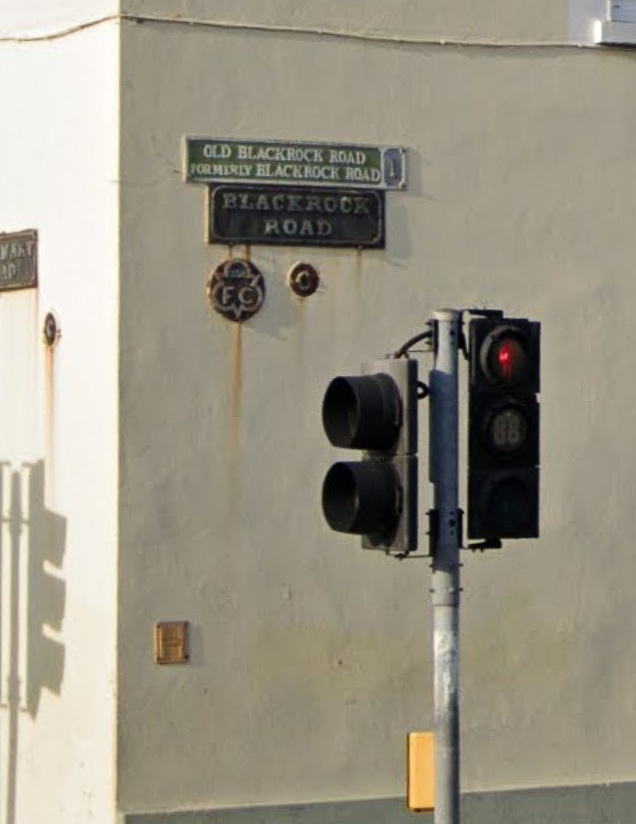
Claire’s post below covers the highlights of our trip to the Black Rock Castle observatory and science yesterday. We took advantage of some relative sunshine (only one hail storm!) and walked 4 miles up the Old Black Rock Road (formerly Black Road Road, now Black Rock Road; Irish street names being somewhat arbitrary) to the Castle.

Old (new?) Black Rock Road

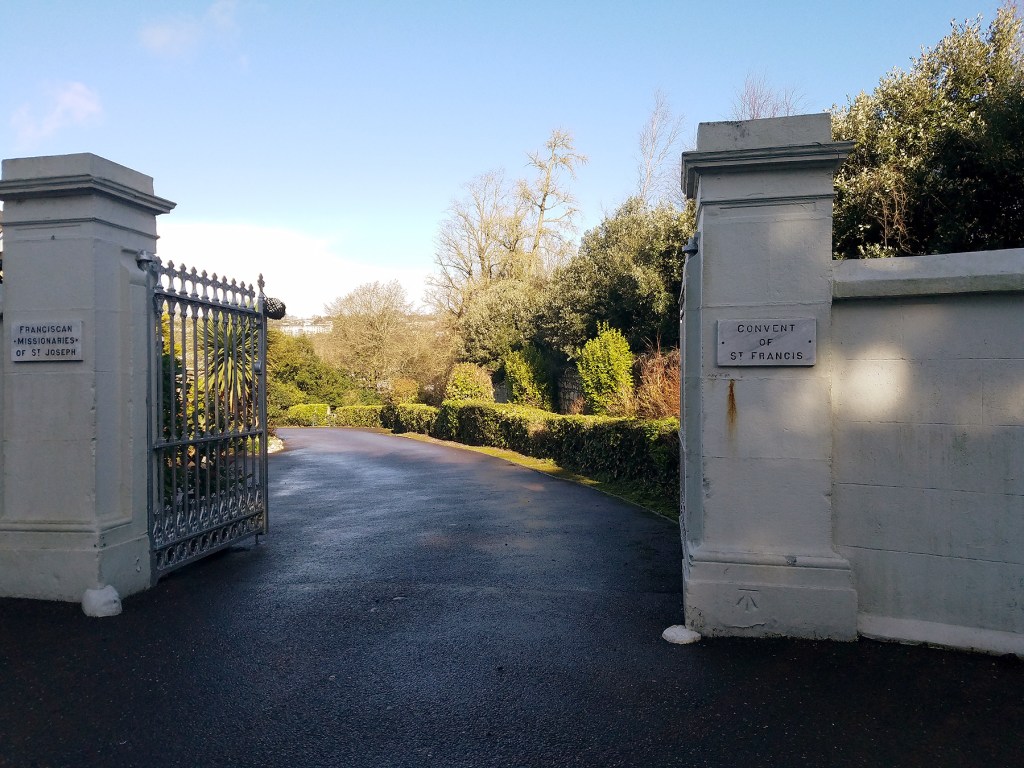
It’s at least a two, possibly 3, convent walk.

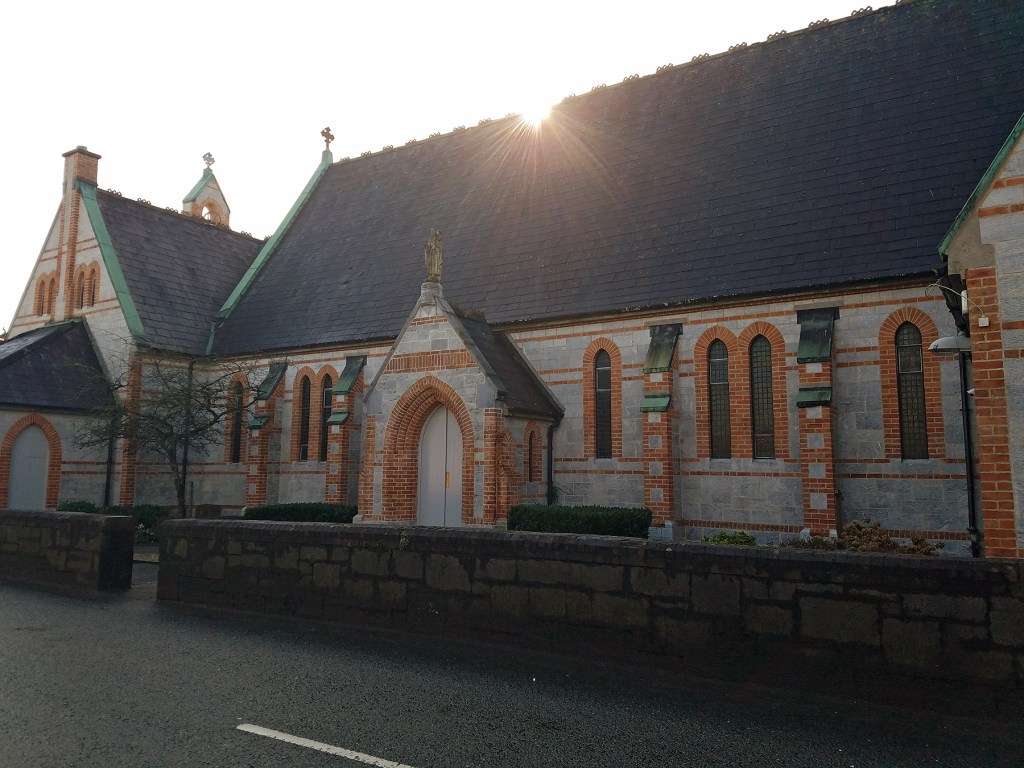
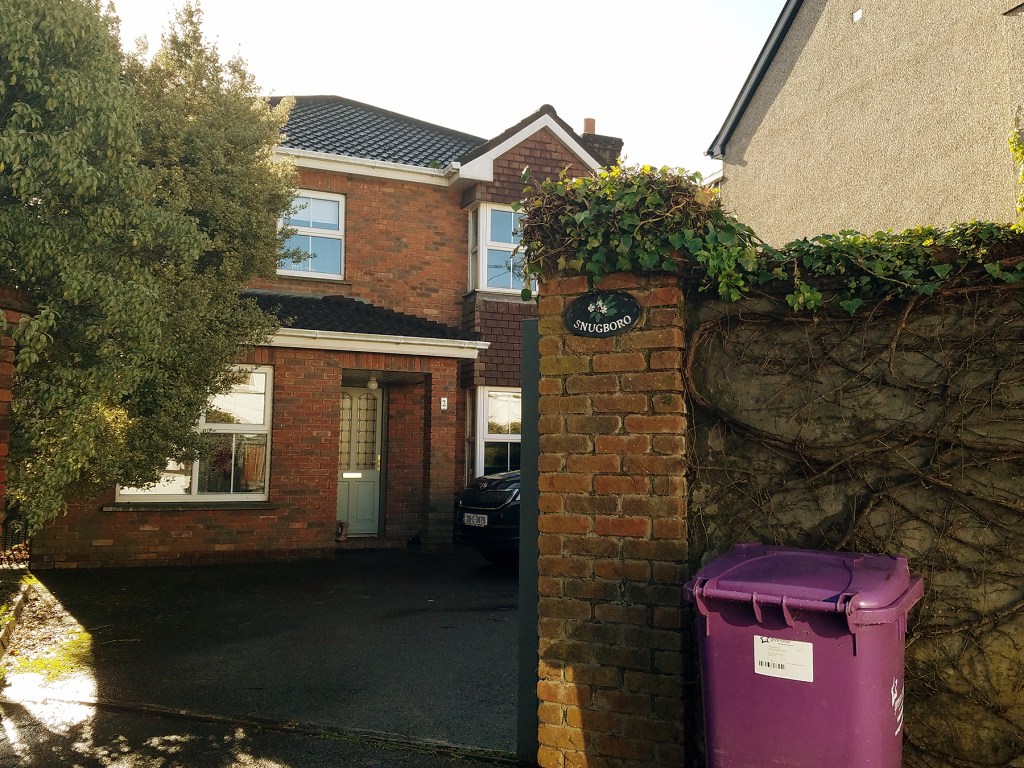
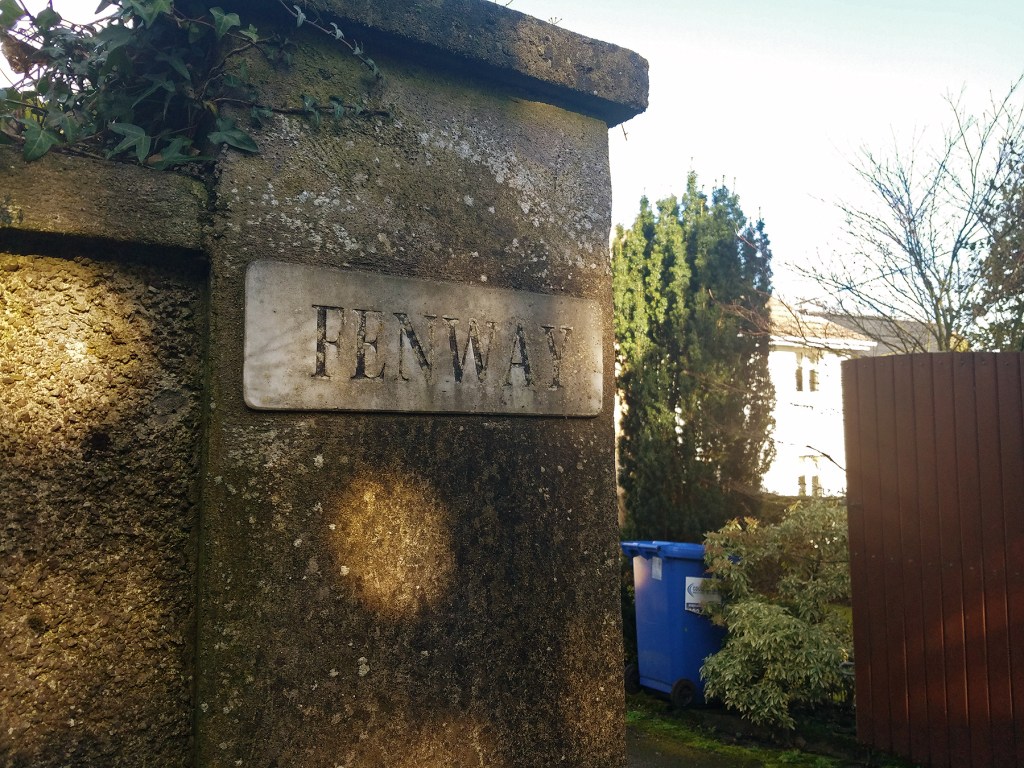
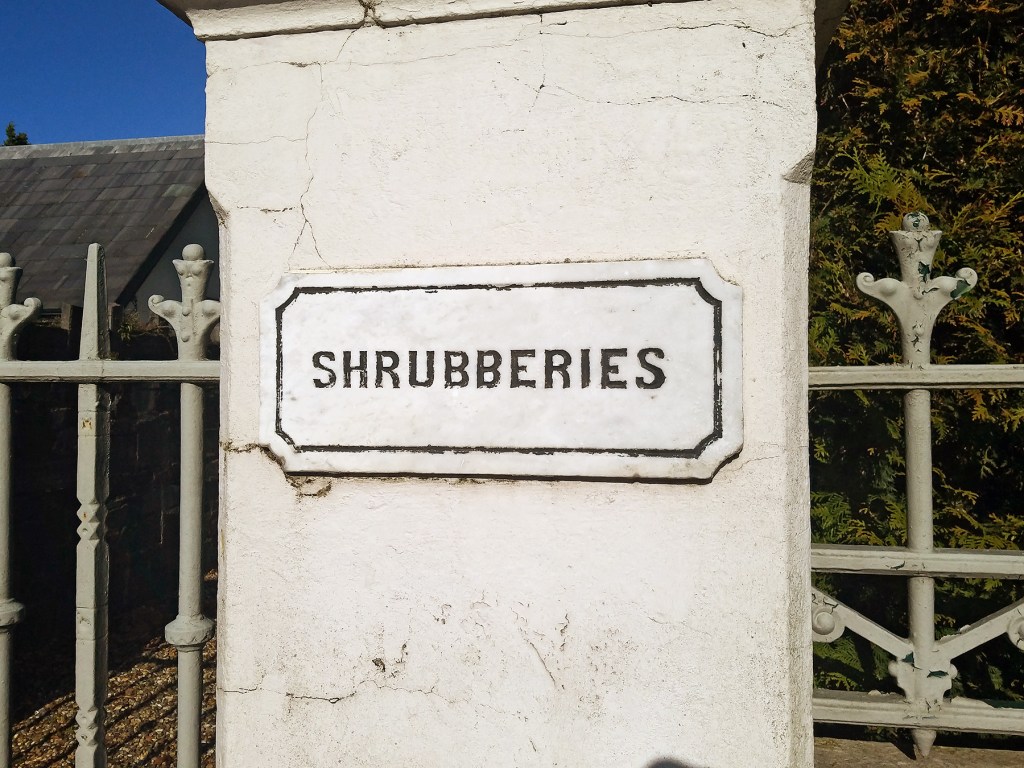
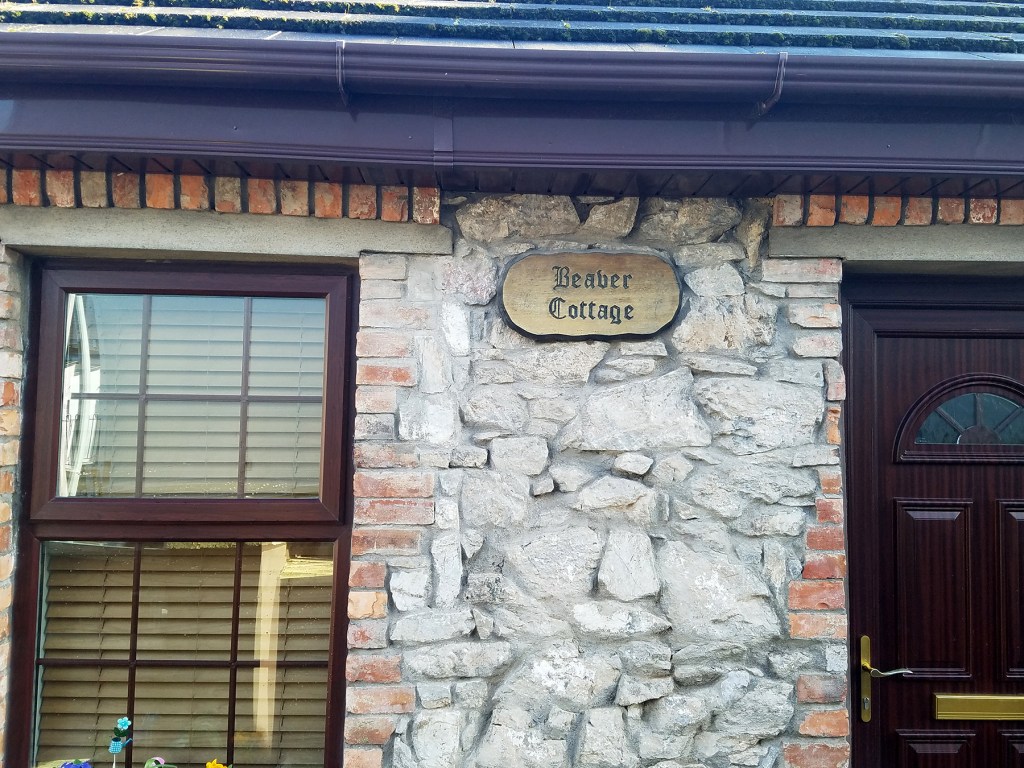
And, as on our walk down to Douglas, once you get out of the city center and into the detached housing portion of the program, pretty much every house has its own name.

Some come with a sense of humor, and some should be invited to Durham for the Beaver Queen Pageant.

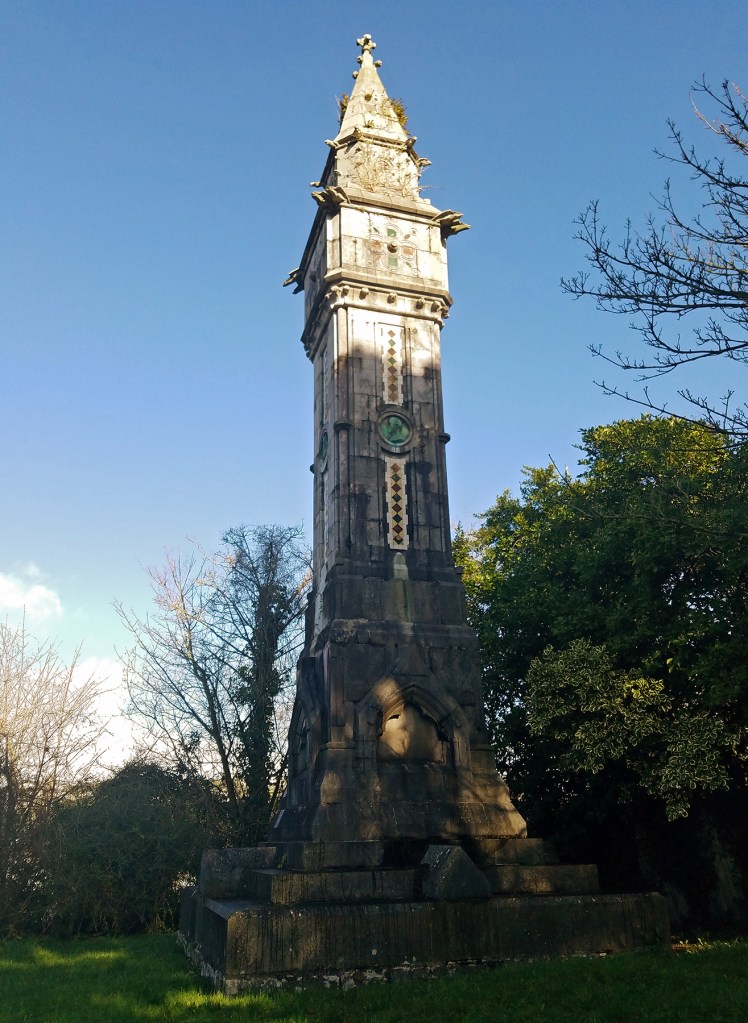
Also, monuments. This one from 150 years ago, to Alexander McCarthy.

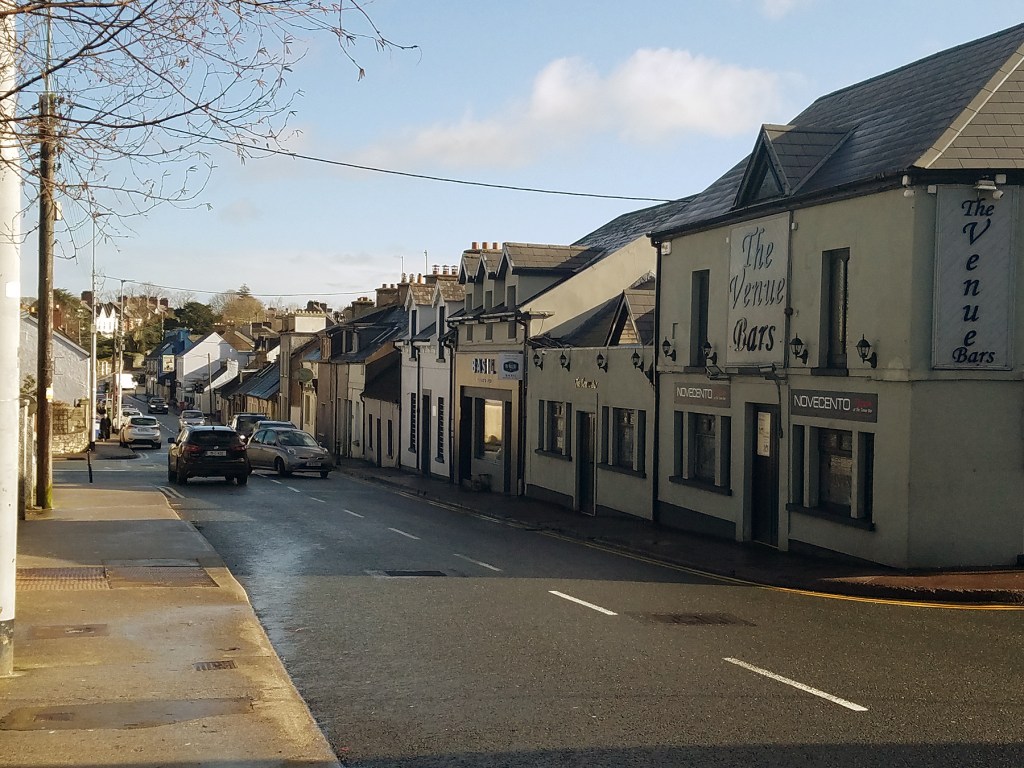
The Black Rock Road also passes through the old village of Ballintemple, now a suburb of Cork, before ending at the pier of Black Rock. The Castle Road takes you the rest of the way there.

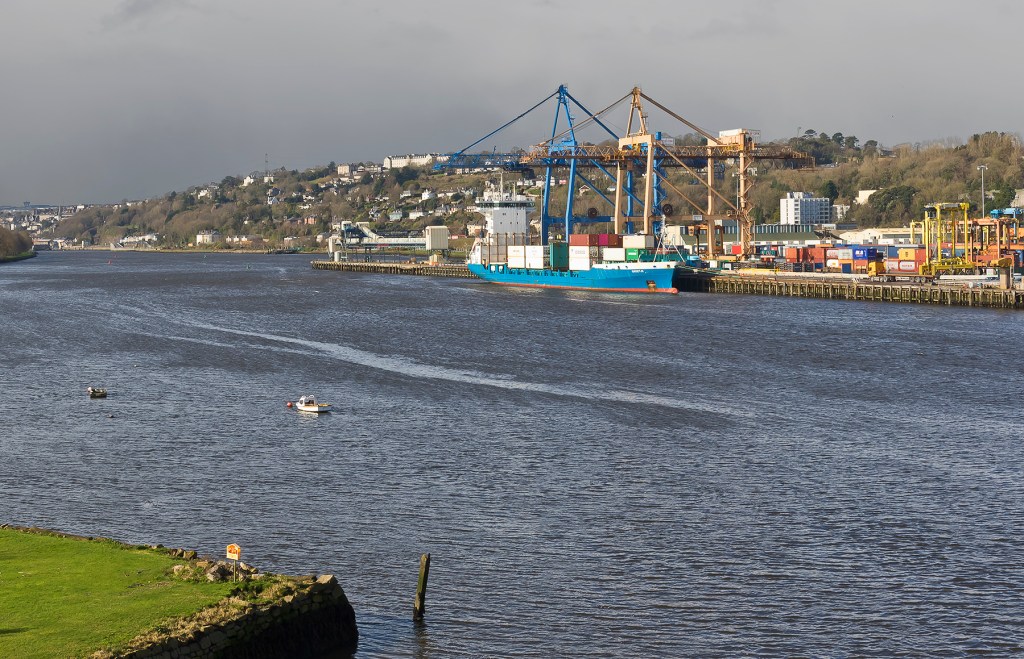
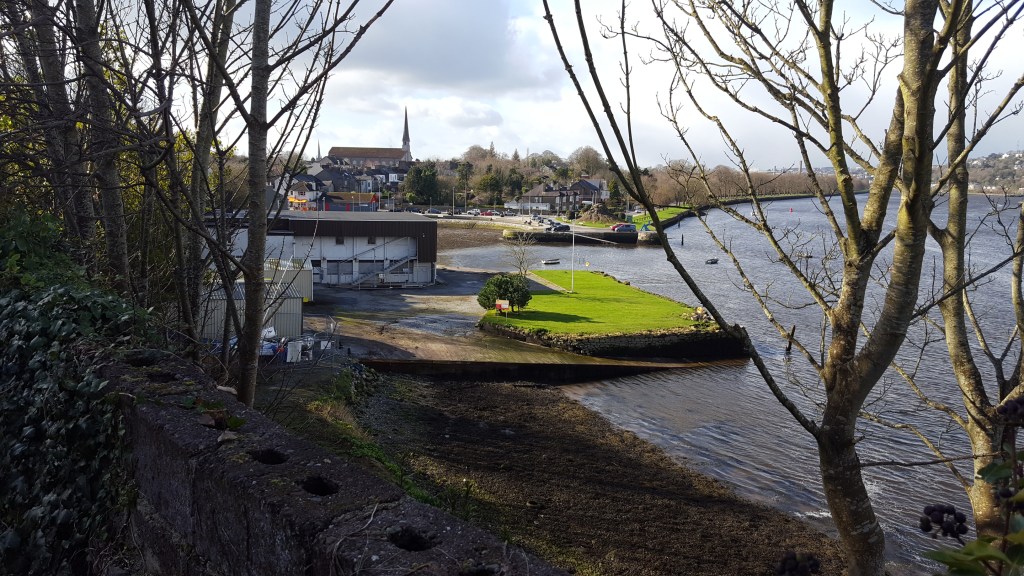
There’s a pretty good view of the port from the Castle Road.

The sky above the port was the color of television, tuned to a dead channel.

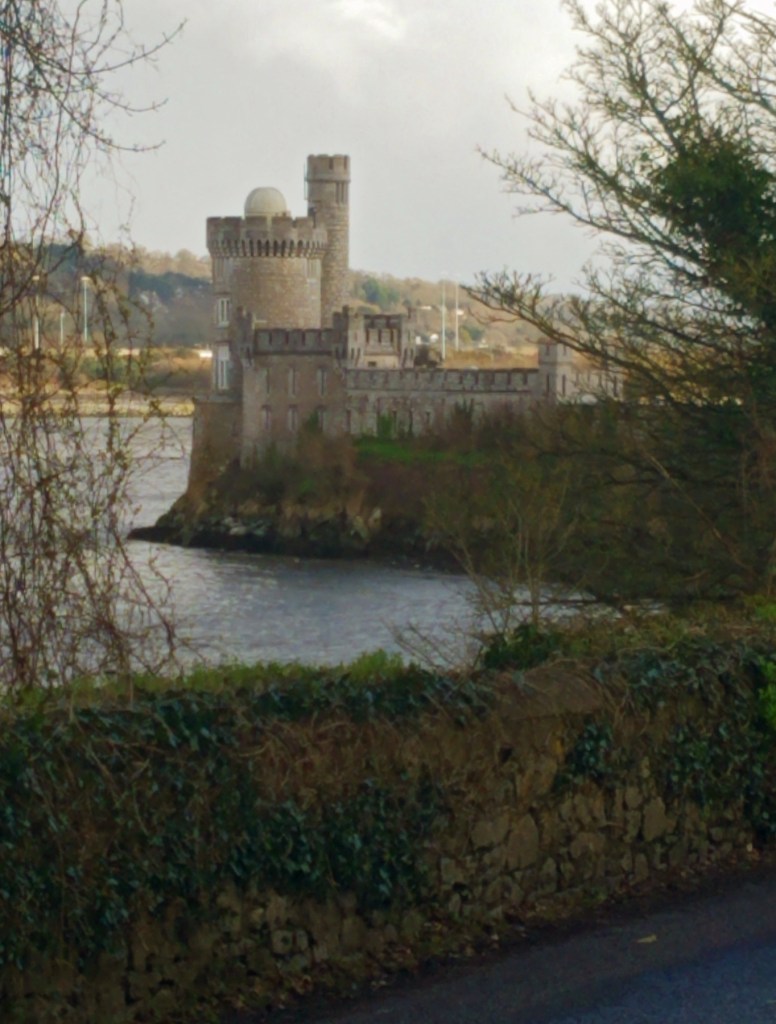
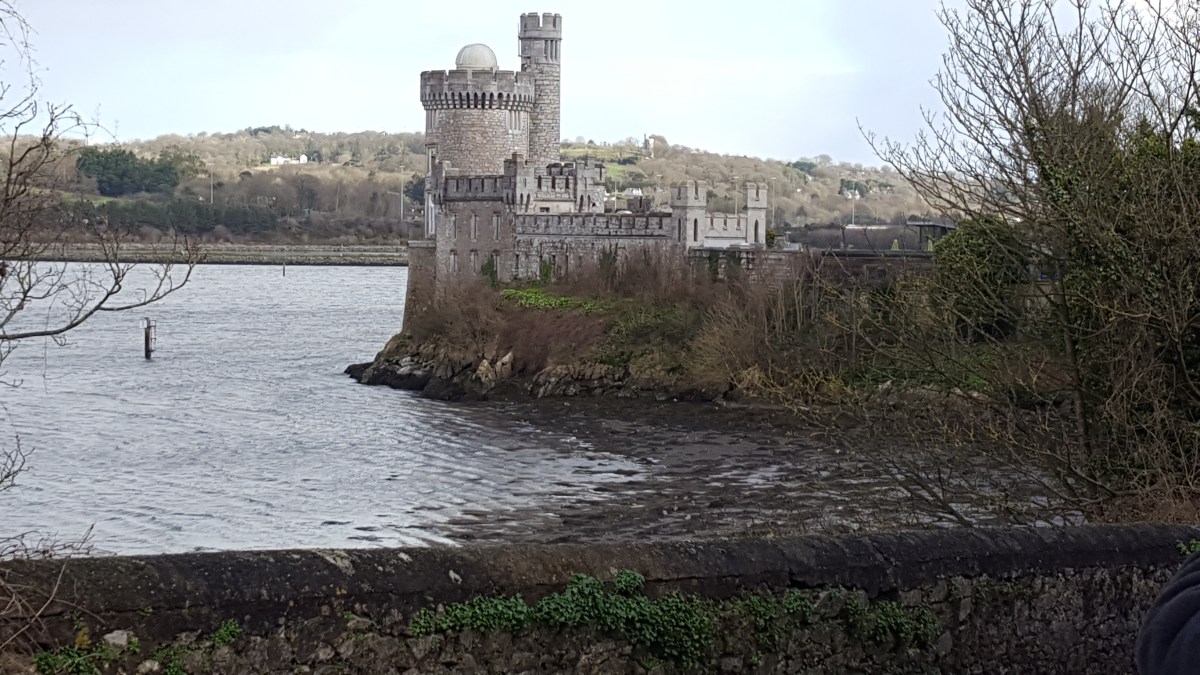
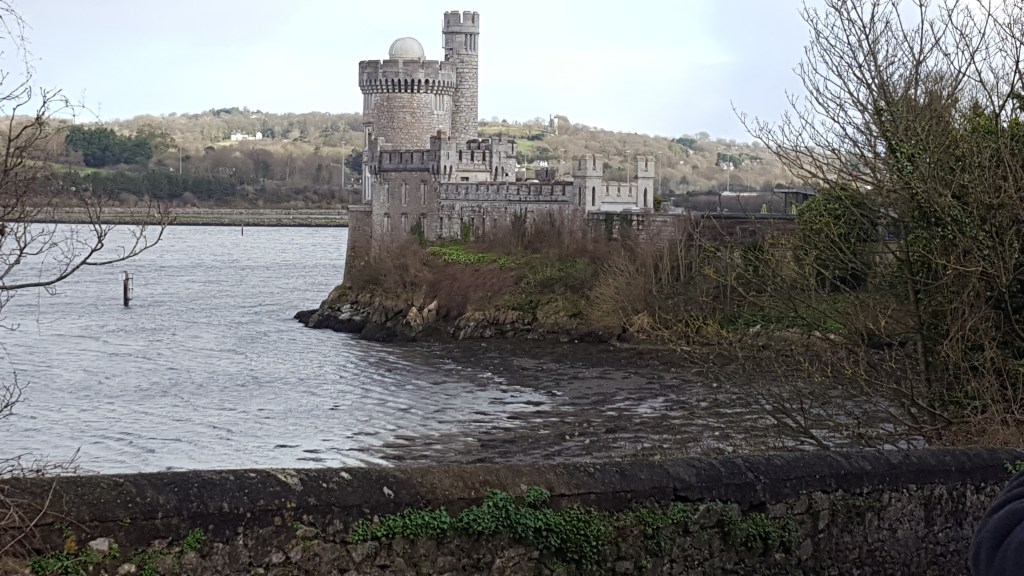
And of course, a pretty good view of the castle.

Yonder lies . . . oh, hell, never mind.

Our tour guide gave us a pretty good sense of the history of the castle. It was never really intended to be a fortification for defense of the city. More built in the early 1600s to scare pirates away. The British turned it for a time into an actual battlement, but for most of its existence, it was a party room for Cork’s elite trading families. Accordingly, it was burned down a couple of times in drunken revelry, fell into disrepair, and ended up in the city’s hands around the beginning of the 21st century. The Cork Institute of Technology’s proposal to turn it into a science center was selected for implementation, and it opened a little over a decade ago.

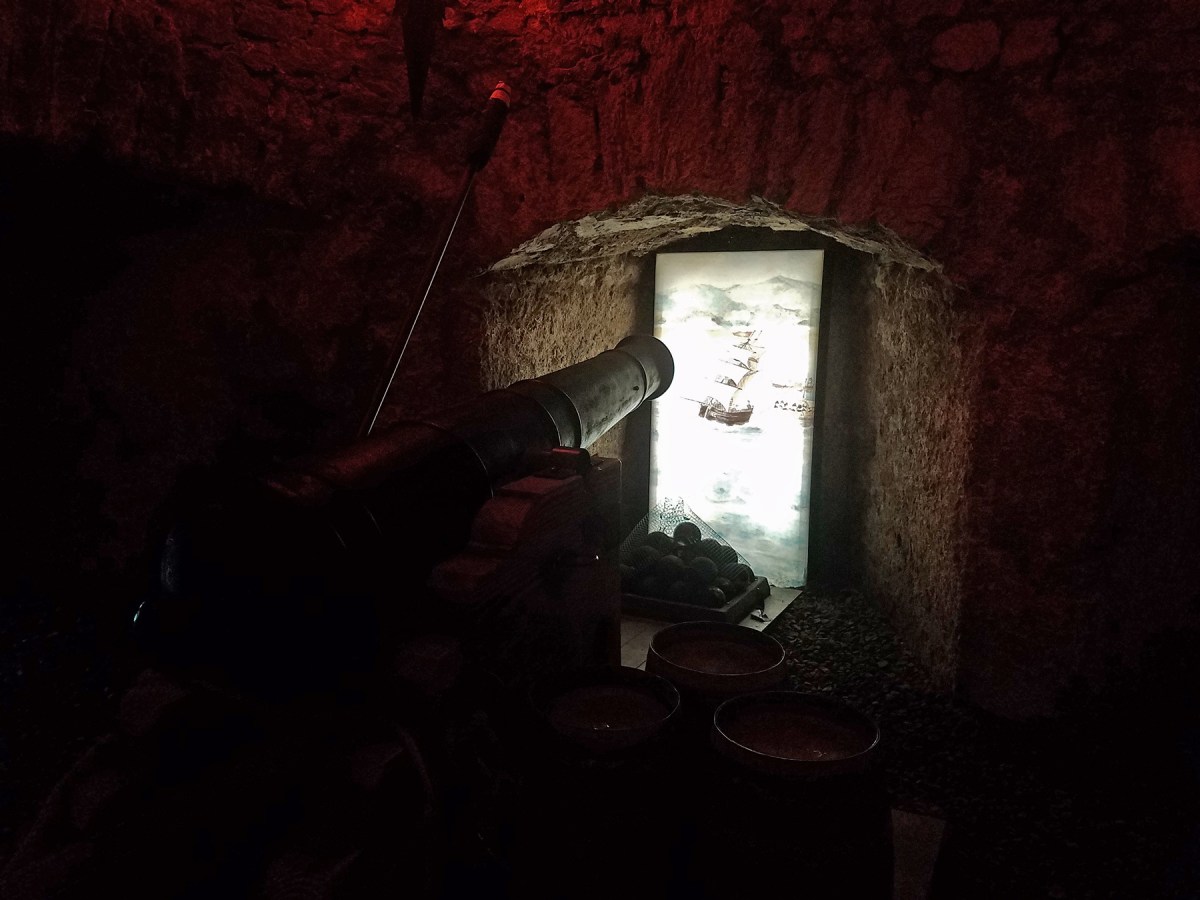
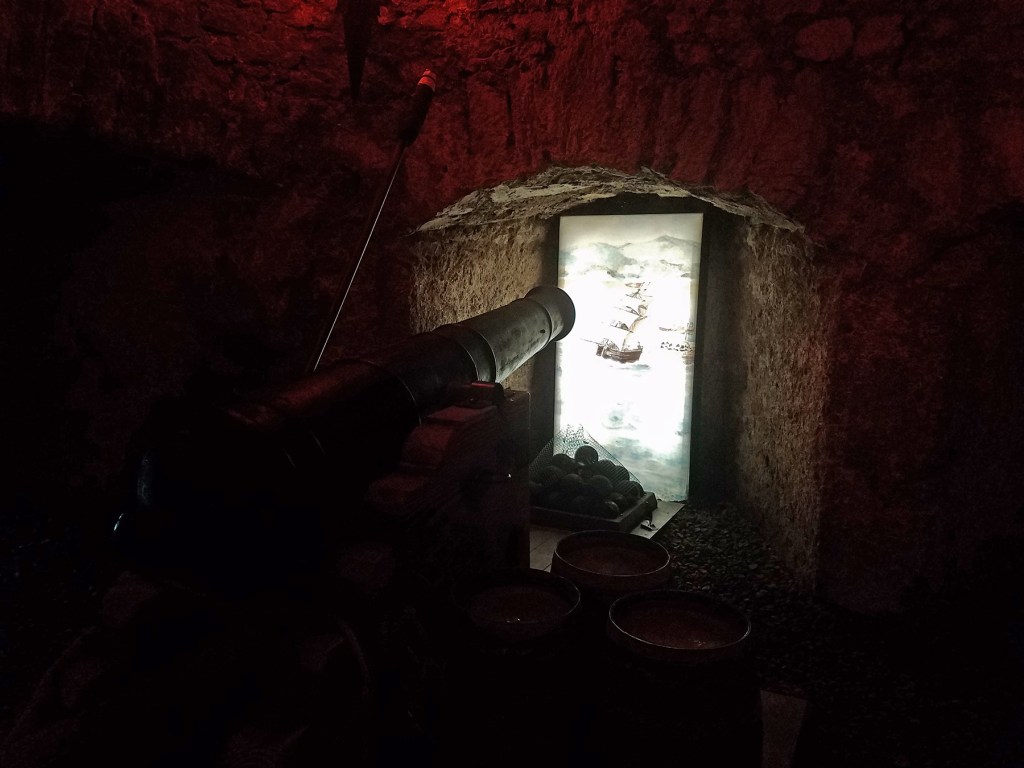
The bottom portion is the oldest, and is maintained to show its original function.

Categories
Blackrock Buses Cork City Ireland

The planetarium inside an inflatable igloo inside a castle

Yesterday we walked four miles east and a bit south of the city to the Blackrock Castle Observatory. There was a clear blue sky when we left, within 10 blocks there was a few minutes of sleet, then it was lovely enough to remove our coats, and by the time we arrived at the castle there were gale force gusts of wind. The walk took us through some of the more posh residential neighborhoods than we’ve seen thus far, as well as a couple of small villages/neighborhoods, and a stretch along the Lee River.

Blackrock pier

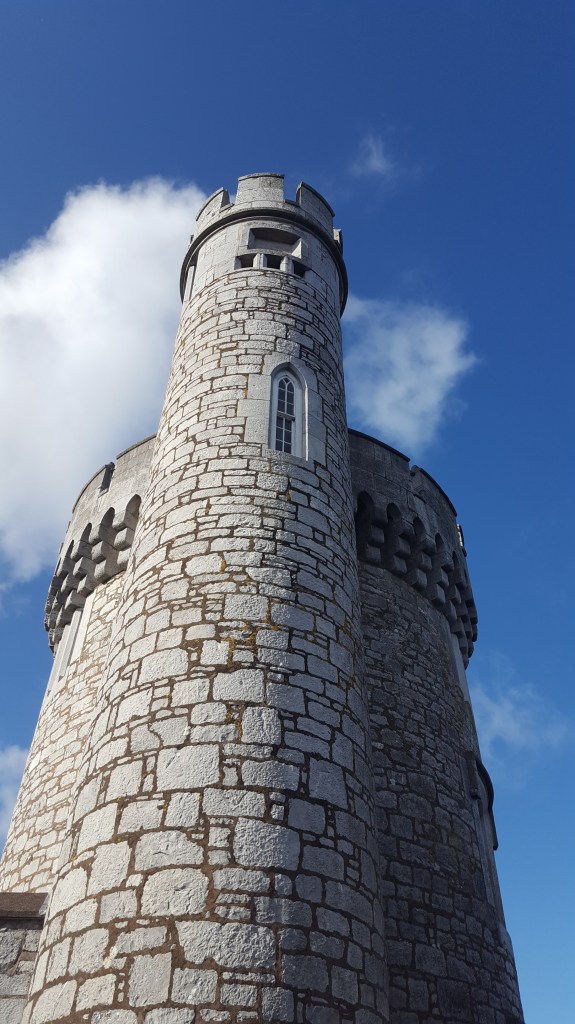
The base of the castle — the squarish part below the towers — was built in the late 16th century to intimidate pirates who were sailing upriver and wreaking havoc. Later, when England was at war with Spain and the fighting spilled over into Ireland, the towers were built, although the war ended without the fort ever being used in battle. It went through a number of uses in the ensuing centuries, primarily as a sort of country club for the wealthier citizens. There were a couple of fires that destroyed any of the furnishings and tapestries that we normally associate with castle life. By the end of the 20th century it was a restaurant and event center. In 2007, the Cork Institute of Technology had the winning proposal of what to do with the property, and along with the City of Cork turned it into the science center it is now.

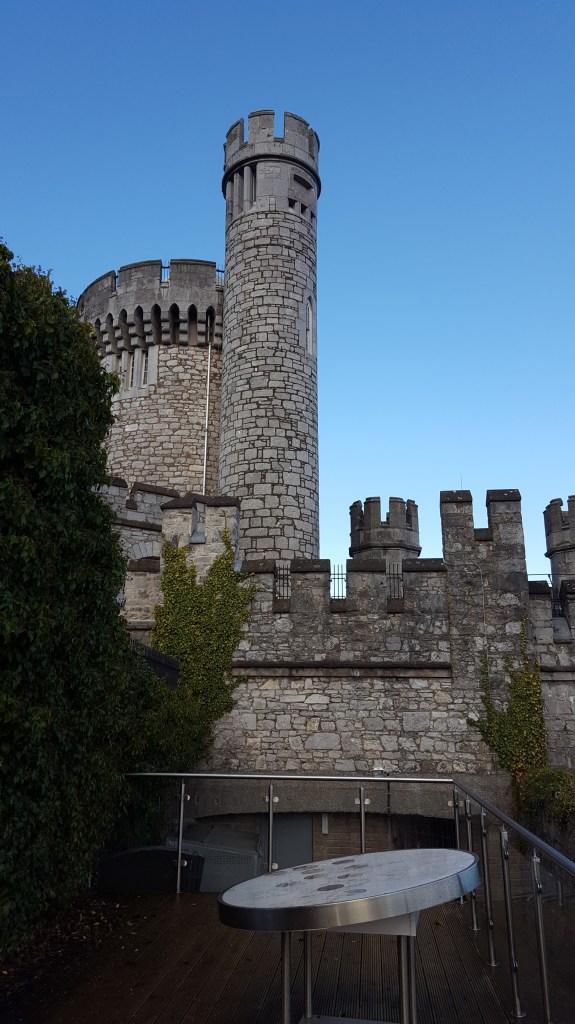
View from below the castle. The circular display in the foreground is for spotting landmarks on the view of the river.
It gets bit windy up there.

This is not just a science museum for kids, but also a working observatory. While we were getting the tour, a young scientist worked his way through the crowd and into the lab that we were viewing through glass doors. They have a telescope, but the Irish climate does not allow for a lot of clear skies for viewing. So the scientists there focus on software development that they share with other observatories.

It isn’t as big as other kid-oriented science museums that I’ve seen, but the kids who were there were clearly enjoying themselves. In addition to the few exhibits, interactive and otherwise, there is the planetarium.

I’ve been to planetariums (planetaria?) in New York and San Francisco, and even the one in Chapel Hill is a sizable auditorium with the sort of show that evokes Ooohs and Ahhhs.

The planetarium at Blackrock Castle was nothing like those.

Inside a room in the castle stood a dome made out of fabric: the inflatable igloo. You enter through a rather, um, evocative slit between two inflated tubes, into a small chamber no bigger than a person, then through another slit. The room inside is maybe 15′-20′ in diameter; there were roughly 10 adults and 8 kids at our show. In the center is the planetarium apparatus; the audience sits on the floor in a single row around the edge of the circle. The presenter sits on the floor, too.
The show itself was very basic: what’s in the sky tonight, when is the best time of day or year to view various planets, a bit about some constellations. The presenter runs the show from a tablet, and she seemed to be fairly new to it as there were a few Ooopsies as she sped through months instead of hours, or couldn’t get the button to work to highlight Ursa Major.

But it was utterly charming. Unlike auditorium shows where everyone is suitably hushed, this was more of a conversation, with kids shouting out comments or questions, smaller ones squirming in their parents’ laps. It may not be Hayden planetarium, but it was a hit with the kids, and families were lined up for the next show.

We took the bus back into town, our first foray by (double decker!) bus. The castle is also the starting point for a greenway that extends several miles south along the river, so we will likely take the bus out there again at some point and enjoy the walk.

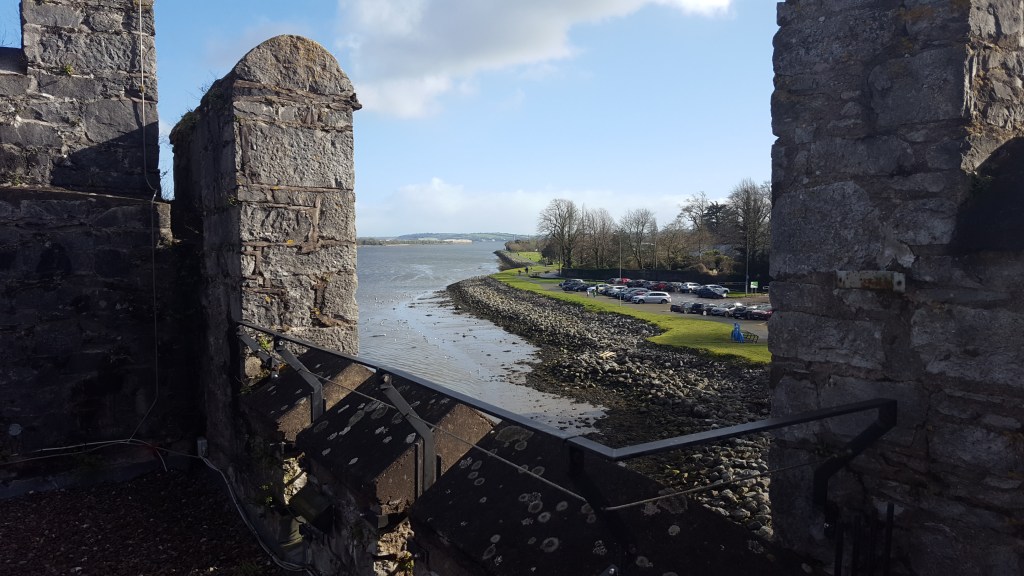
View of the greenway along the Lee River from the castle roof. We were on the roof of the fort portion of the castle. They were not taking visitors to the tower roof because there had been gale force gusts that day!
Categories
Uncategorized

Theater

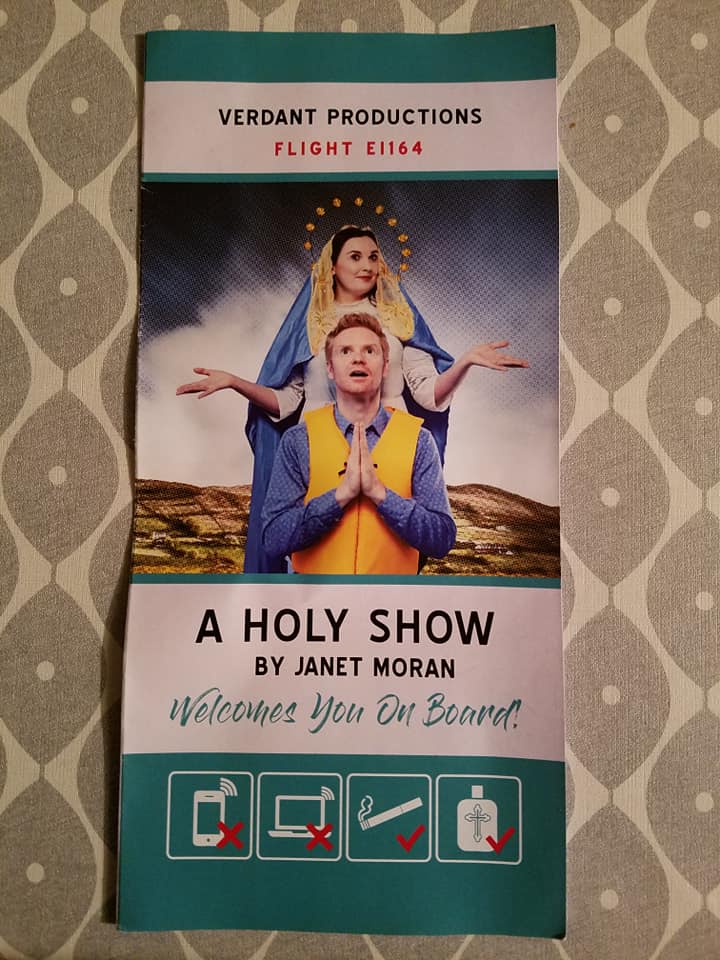
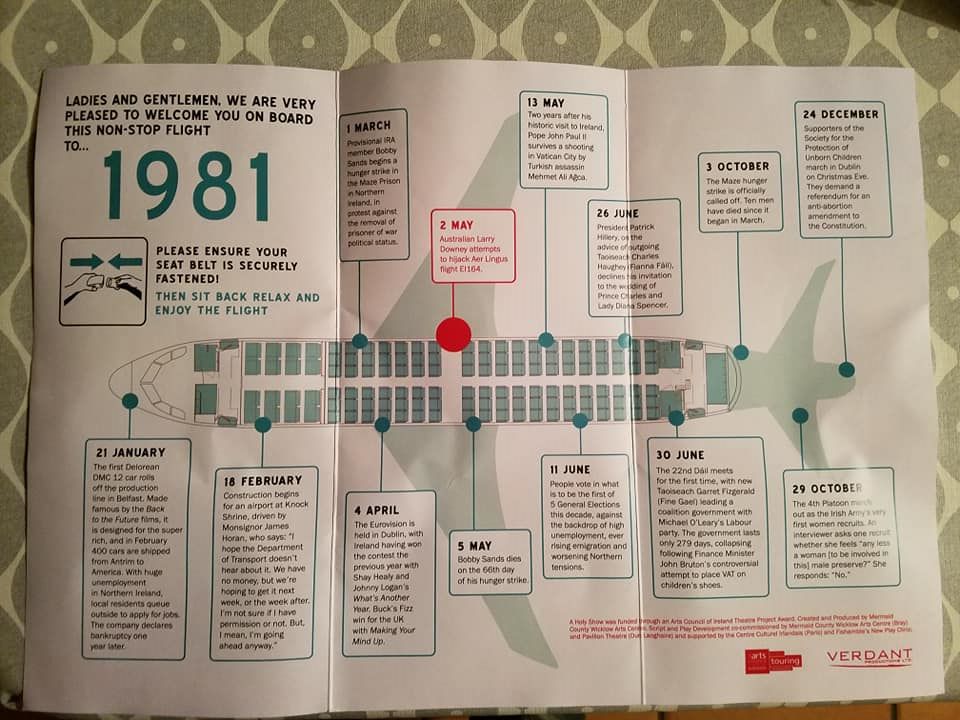
Saw a charming and funny performance tonight at The Everyman Palace. A Holy Show is the slightly modified story of the May 1981 hijacking of an Aer Lingus flight headed from Dublin to London by a slightly disturbed former Trappist monk named Larry Downey.

I learned a lot about the miracles and secrets of Our Lady of Fatima, not to mention the secret of life, which i am unable to share with you, sadly.

A bit of a challenge getting the humor and references clearly aimed at an Irish Catholic audience, but not impossible. Recommended if it is performed near you.

Design a site like this with WordPress.com
Get started