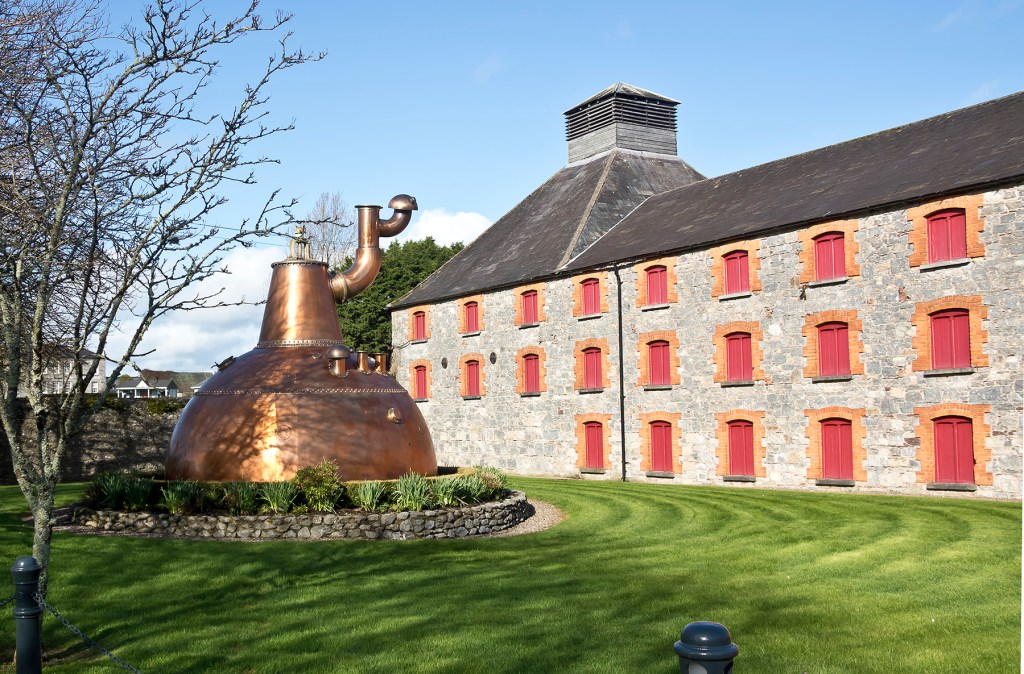
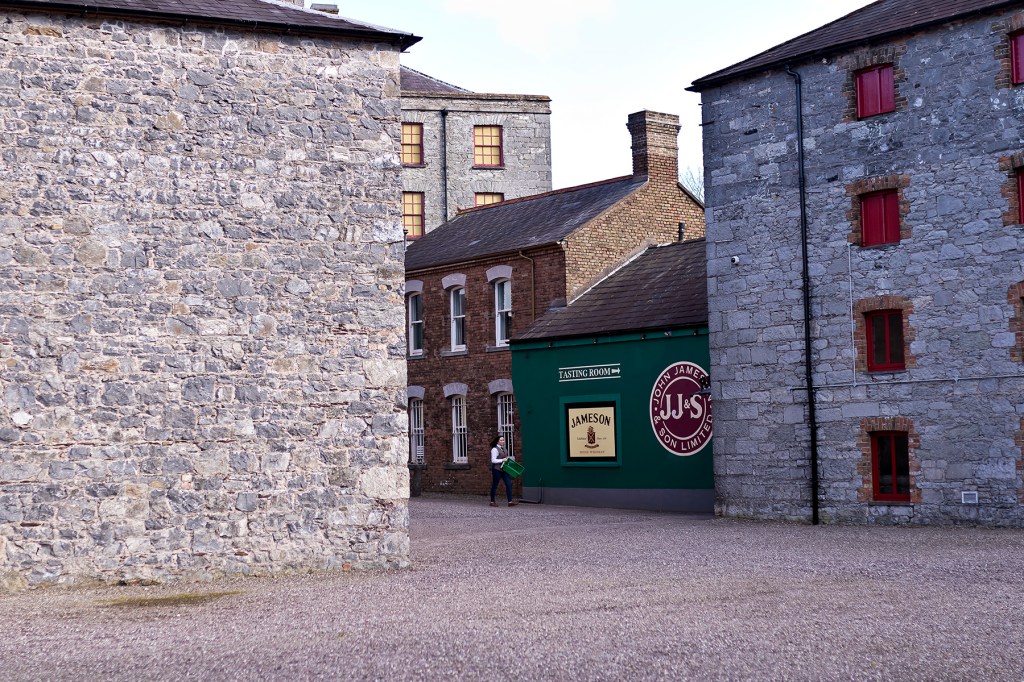
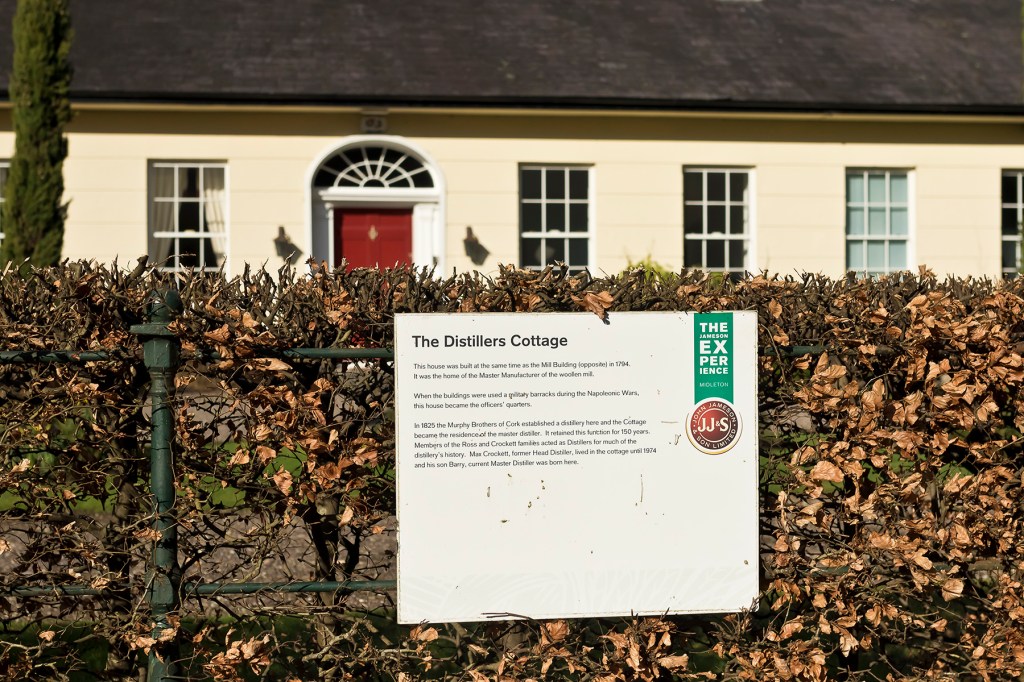
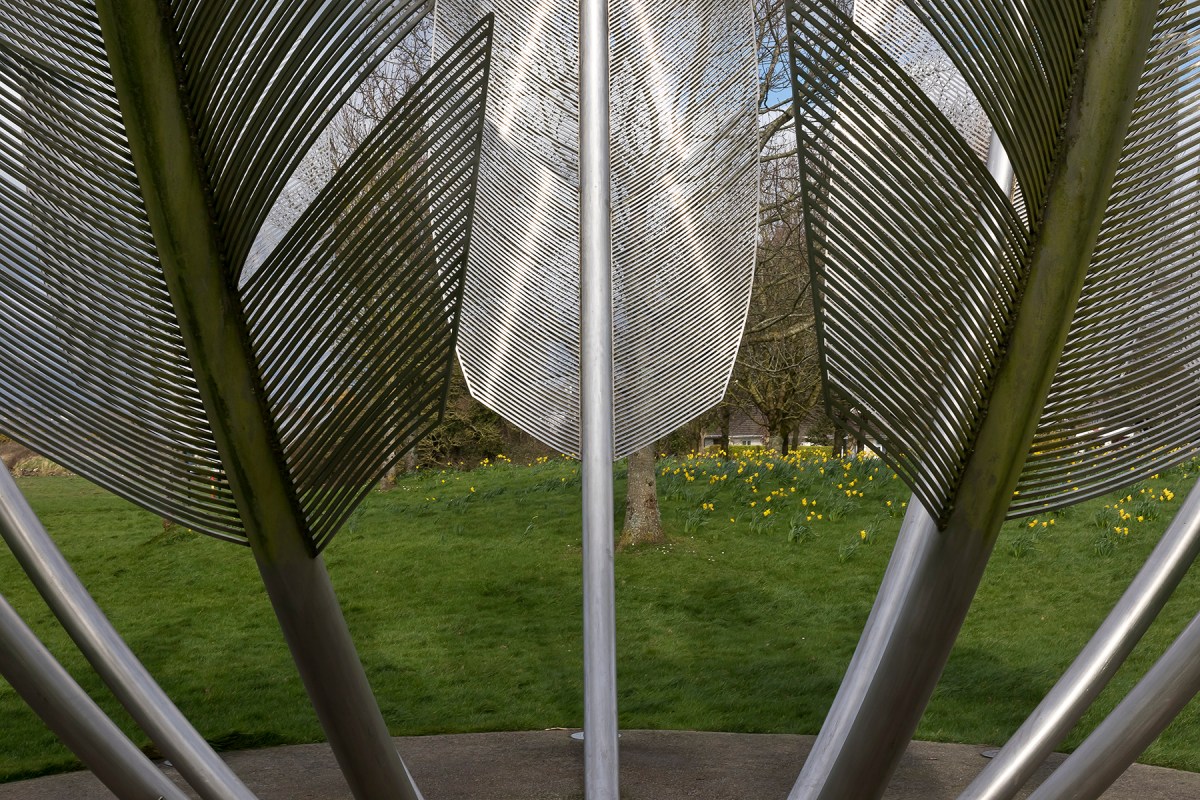
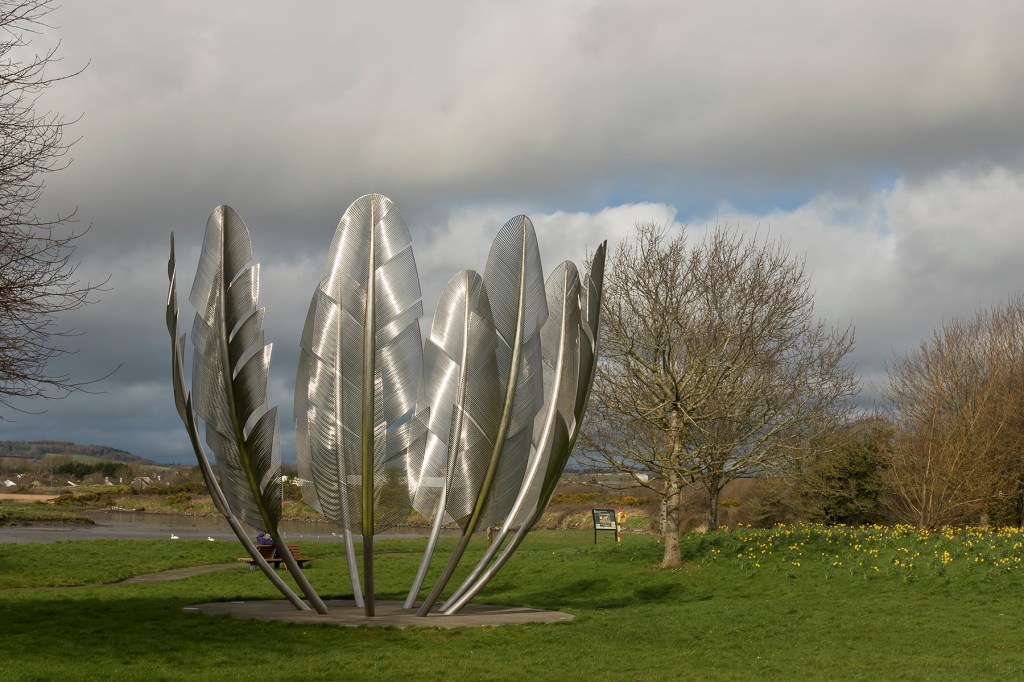
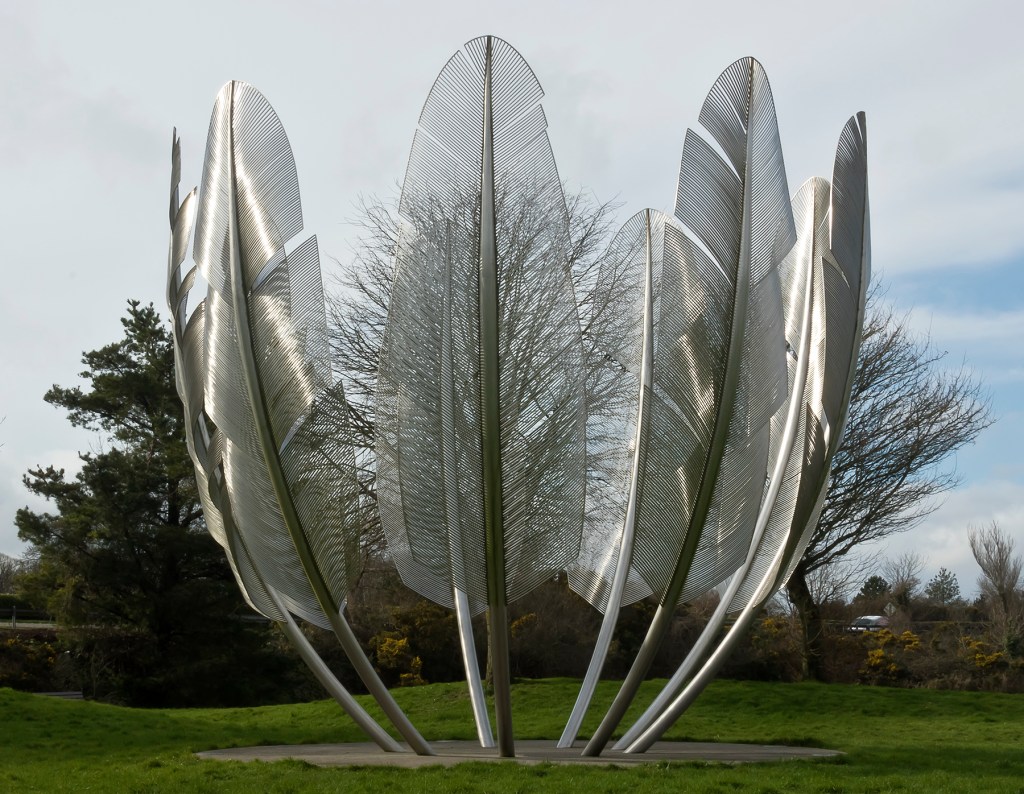
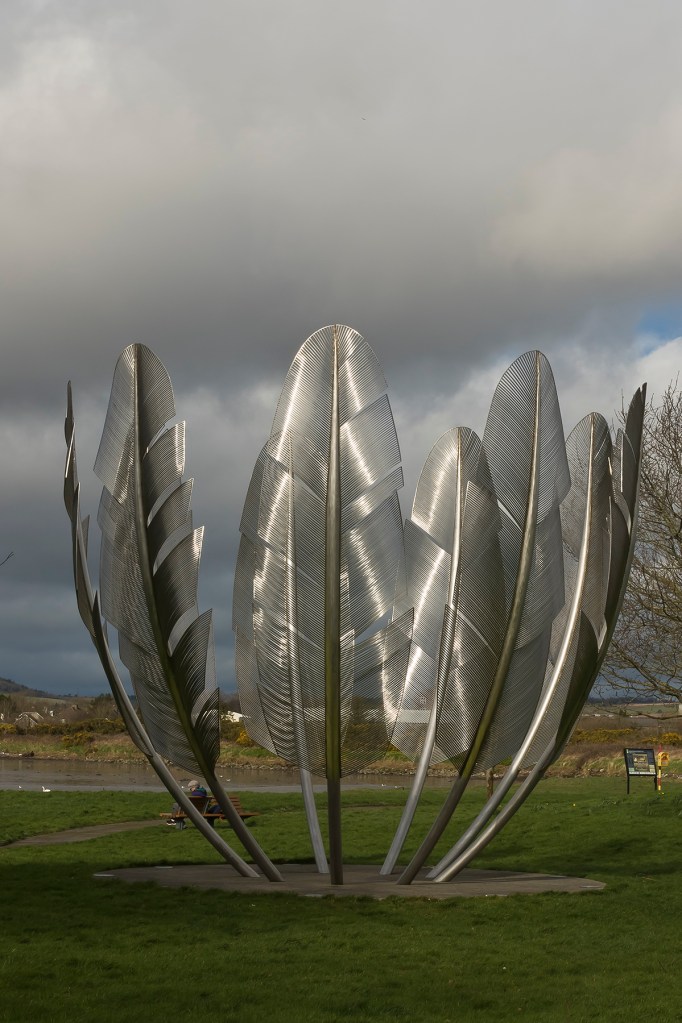
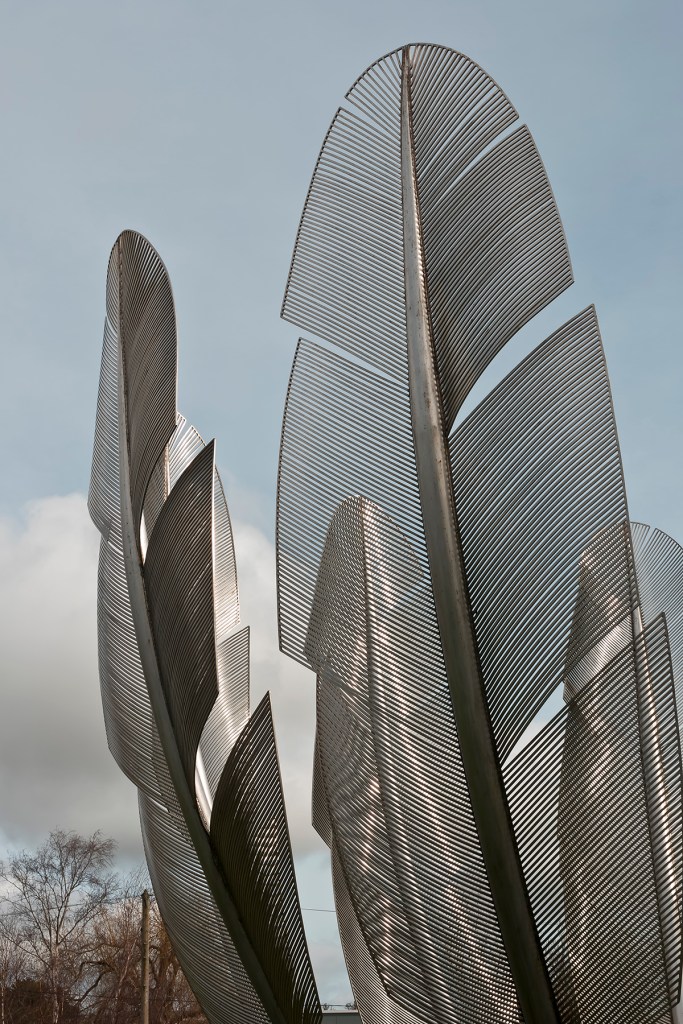
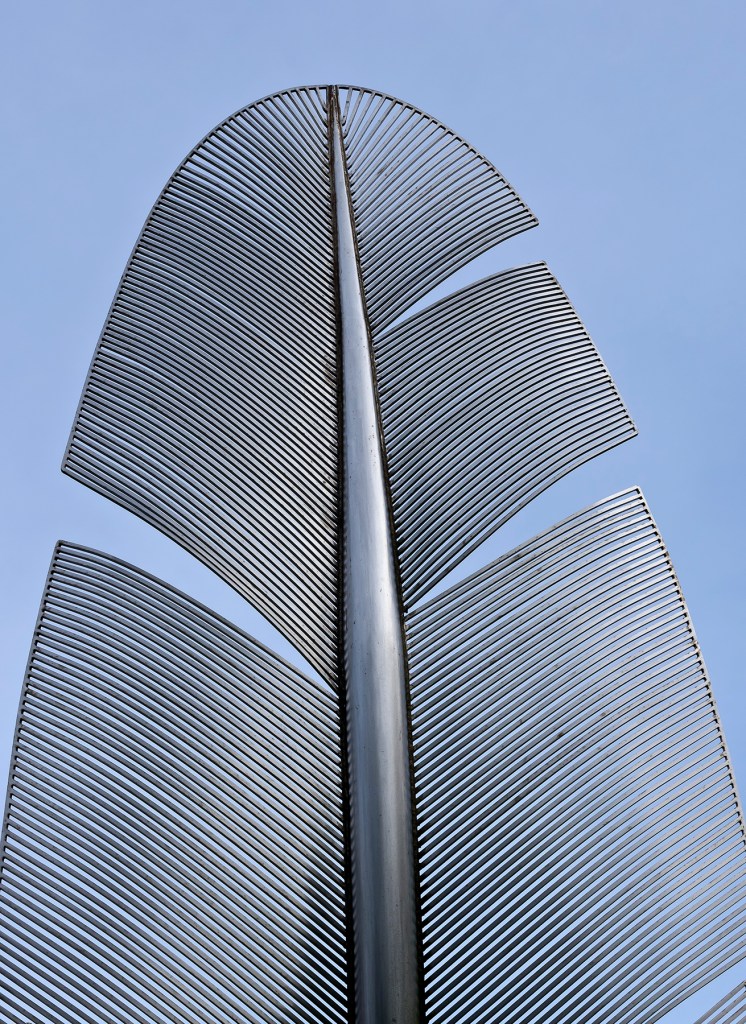
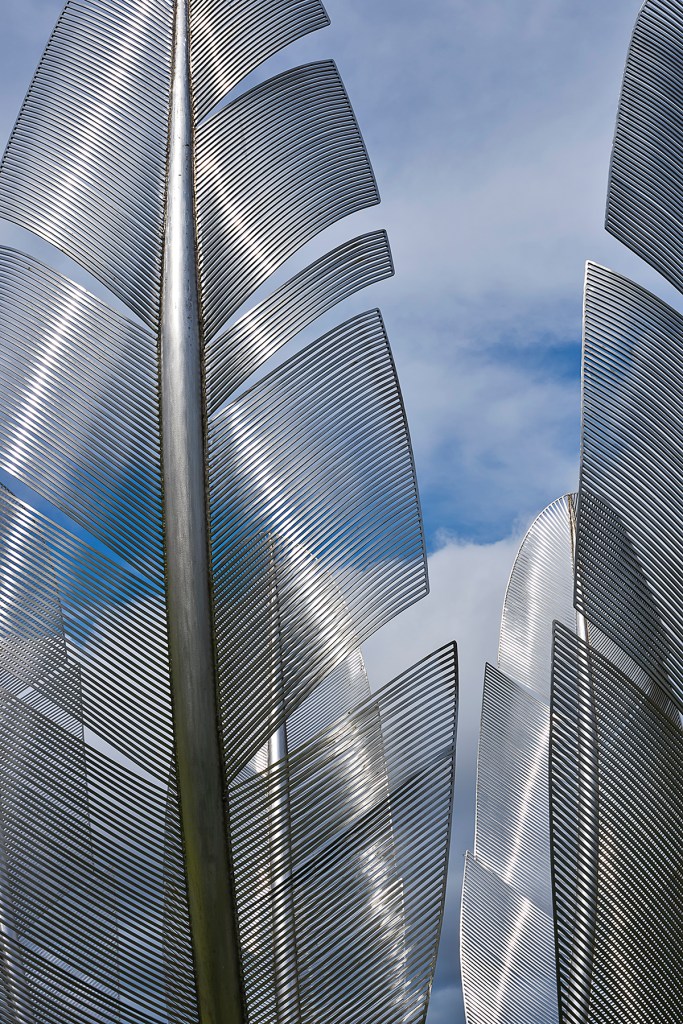
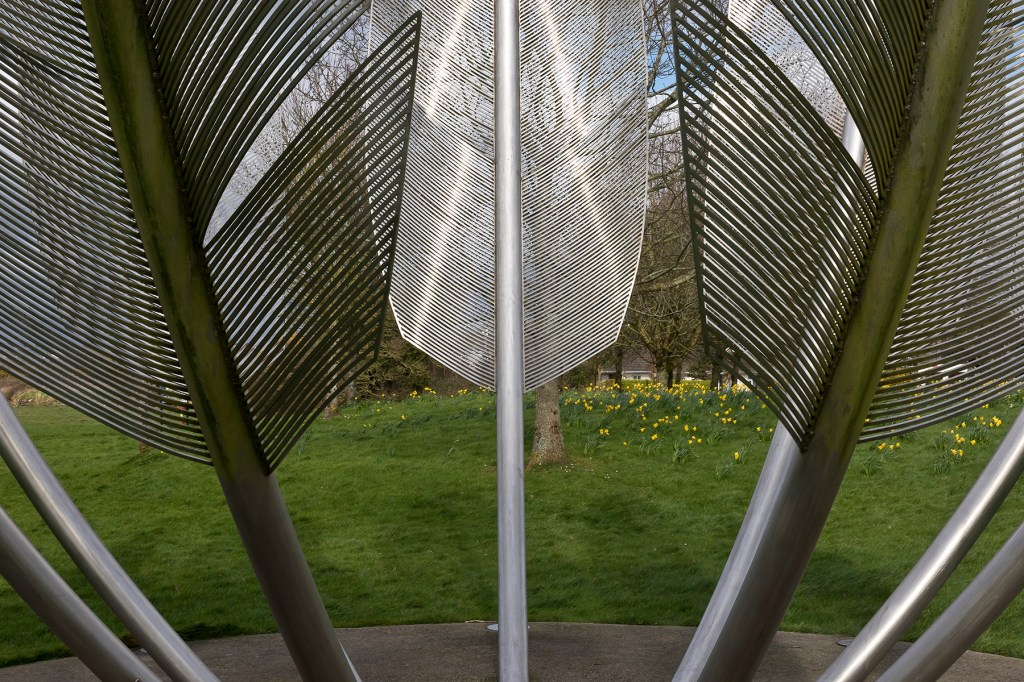
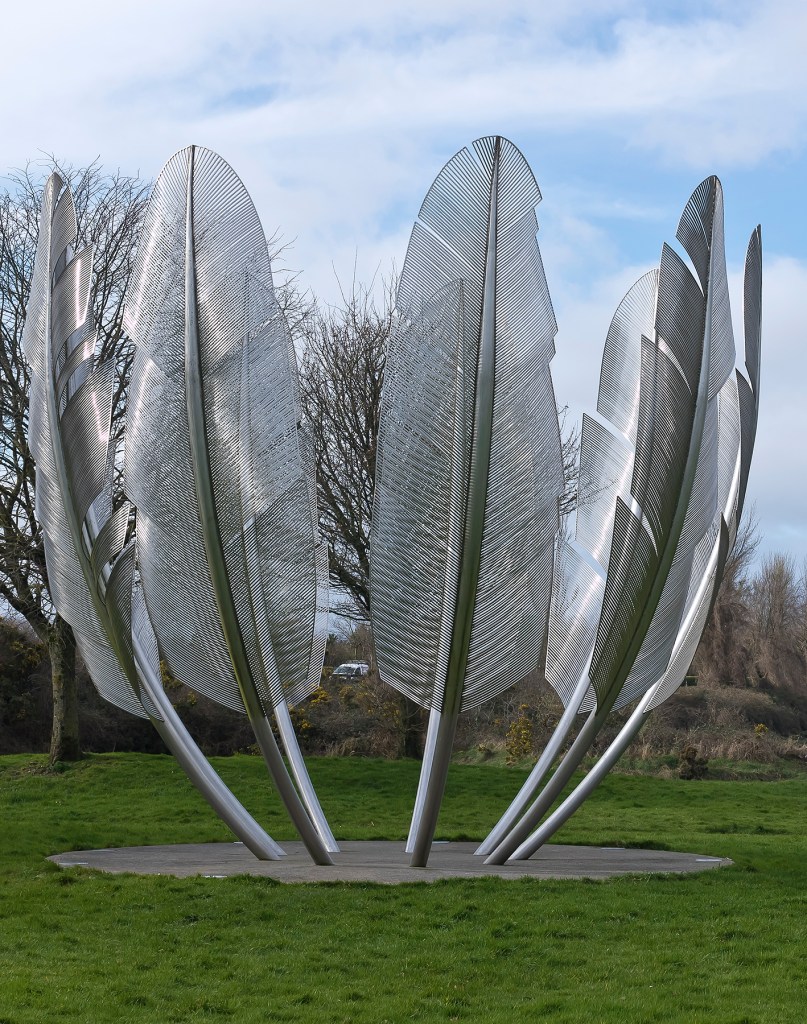
After the Kindred Spirits memorial, and probably before it in most minds, Midleton is best known as the home of the Jameson whiskey distillery. In actuality, the distillery is home to a number of brands belonging to Irish Distillers, a joint venture between the Jameson, Powers, and Cork distillers formed in the mid 1960s, at a time when the whiskey industry worldwide was at a nadir. The original distillery was constructed in the 1700s as a wool mill, and eventually became a distillery around 1825. It was a production distillery through 1975, when the new distillery was constructed adjacent. The old buildings were converted to a visitor center in the early 90s.
I’ve toured the Bourbon Trail in Kentucky a few times. I’ve also been a home brewer for about 30 years, so i have a bit of background in how corn or barley are turned into alcohol, and how alcohol is turned into whiskey. Even so, the unique history of the Midleton Distillery, and the enthusiasm of Connor, our tour guide, made this a very enjoyable 90 minutes.
The tour starts with a short film explaining some of the history of whiskey making in Ireland, particularly of the Jameson brand, before you get into the details. Jameson is the most widely distributed of the brands produced here, especially in the US, but i’ve been able to purchase the Redbreast 12 year, and a John Powers whiskey back home in NC.
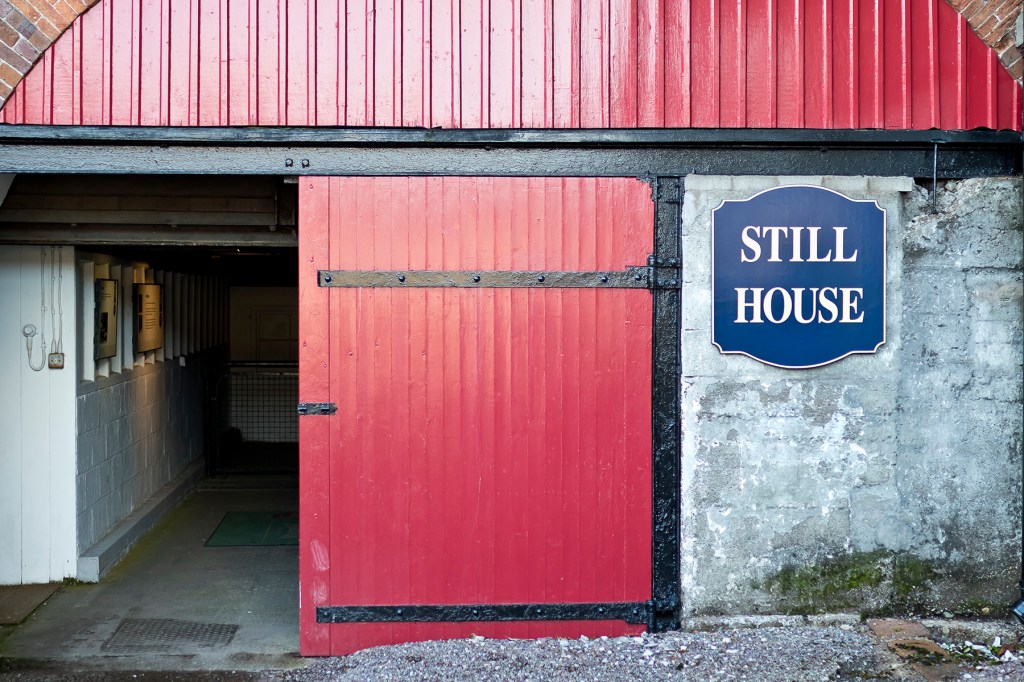
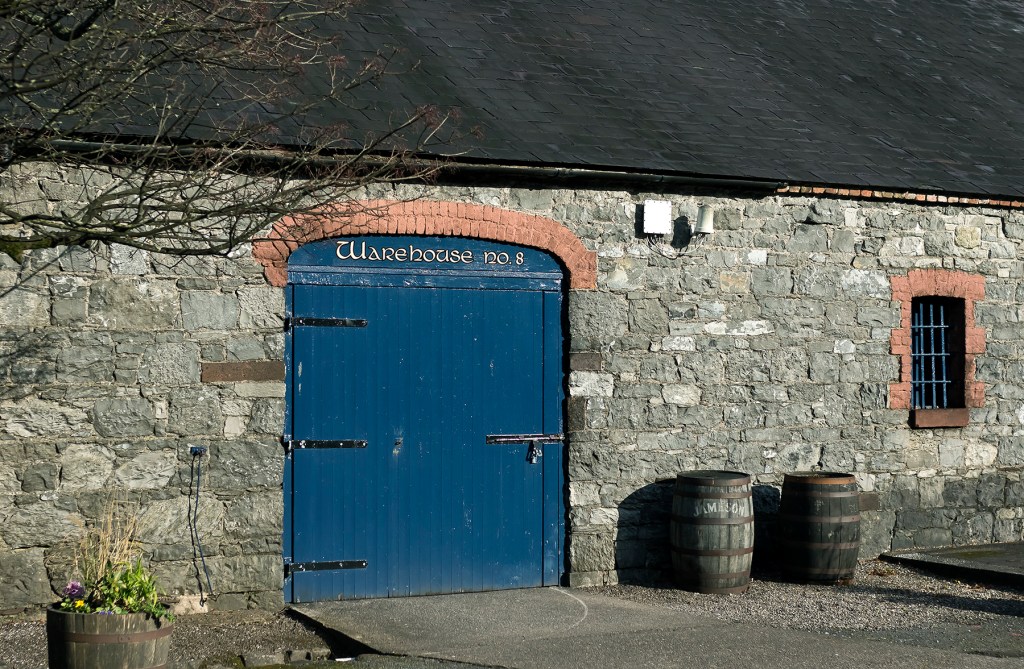
In the past, the buildings we toured were in use as grain warehouses, malting houses, and milleries in addition to distilling stations.
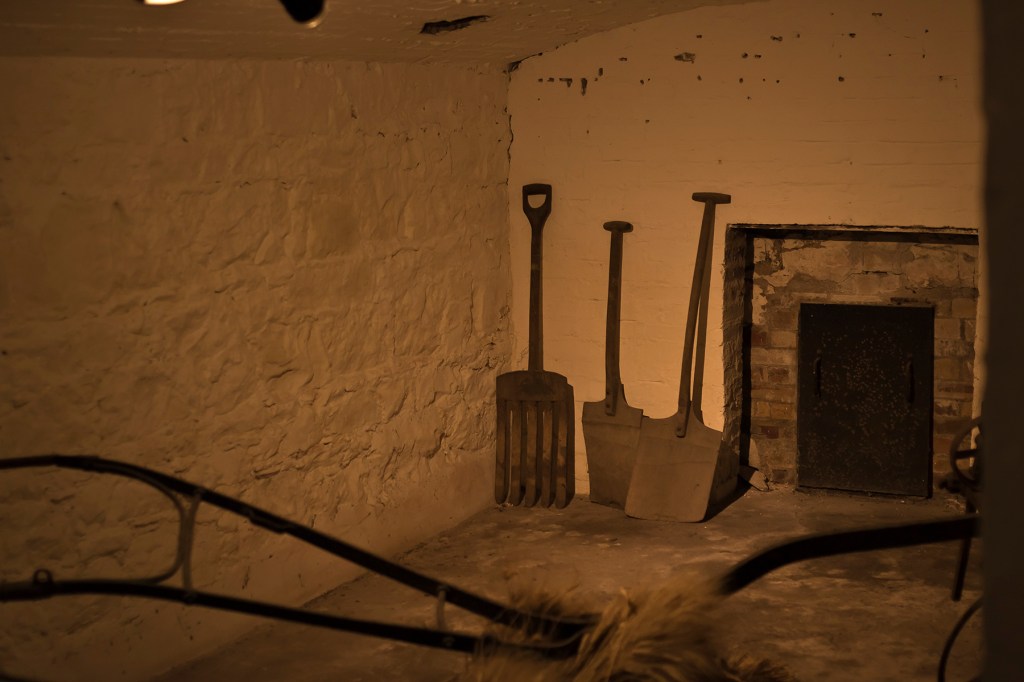
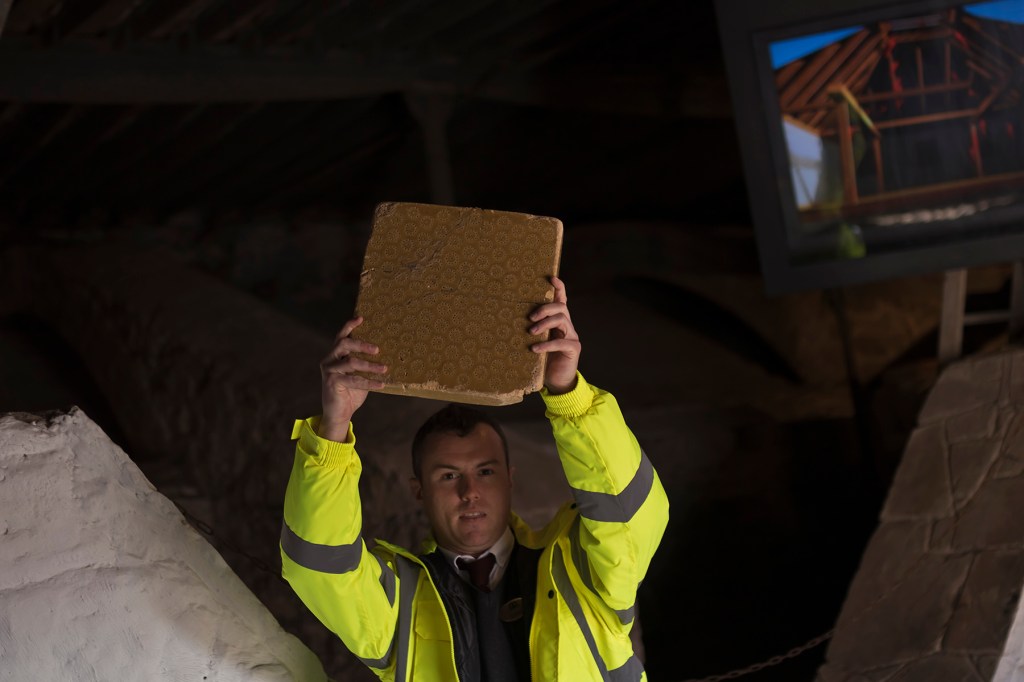
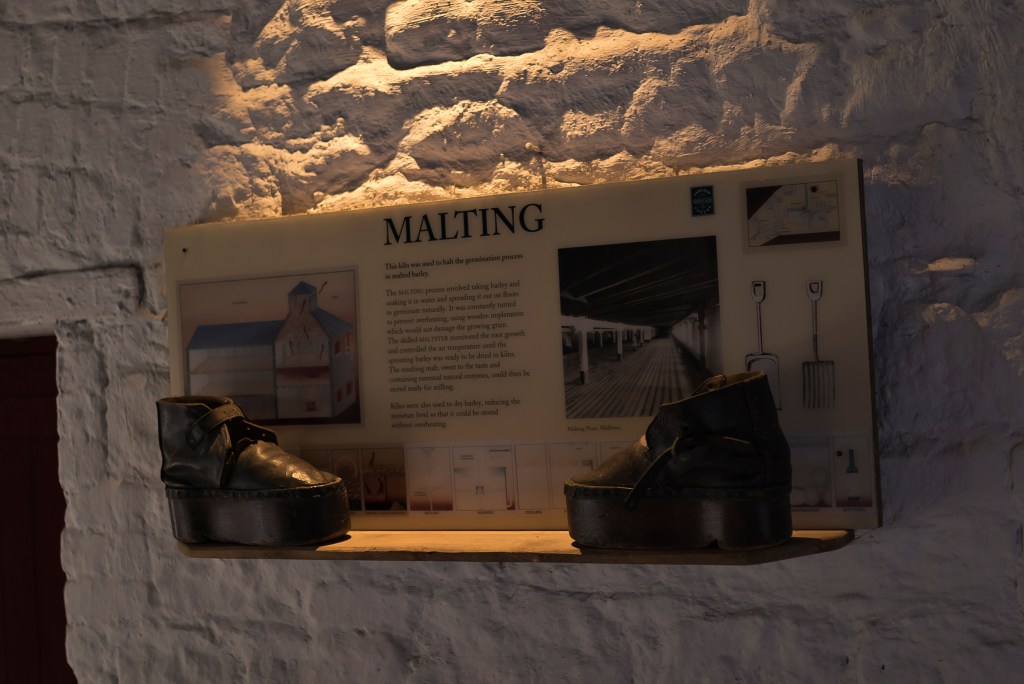
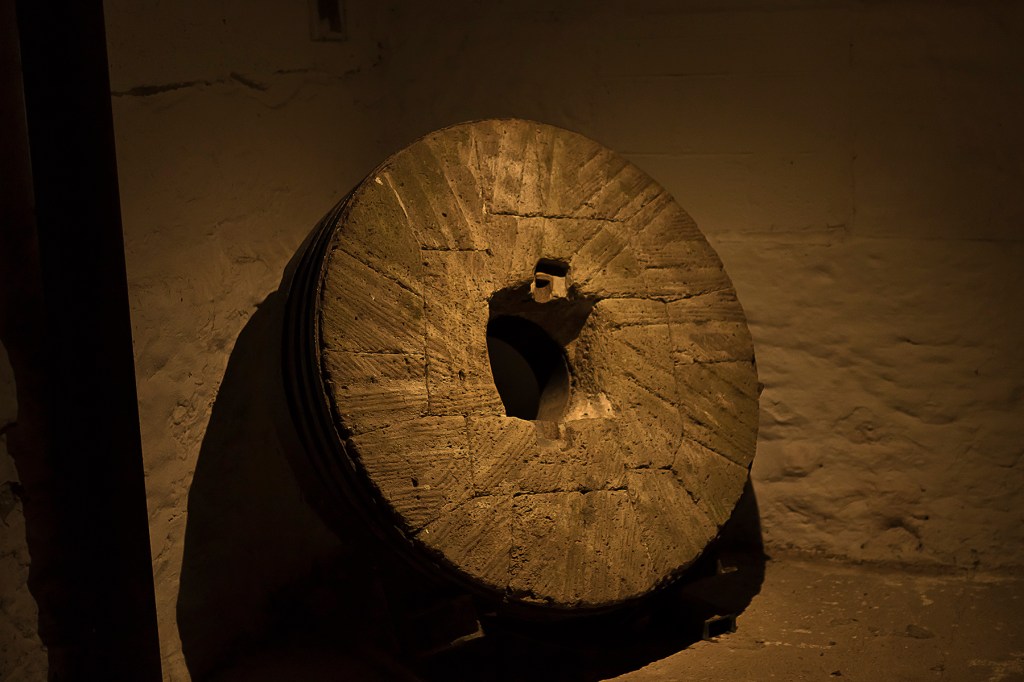
The main thing I’ve learned that differentiates Irish whiskey from any other style, is that it is distilled from a mixture of malted and unmalted, that is, germinated and ungerminated, barley. This came about mostly as a result of the British Crown’s taxation policies. Malted barley was taxed at a much higher rate than unmalted barley. In order to keep at least some profits in house, Irish distillers learned how to balance the two types in their production processes. After the sprouted grain was kiln dried, it was then milled into grist onsite.
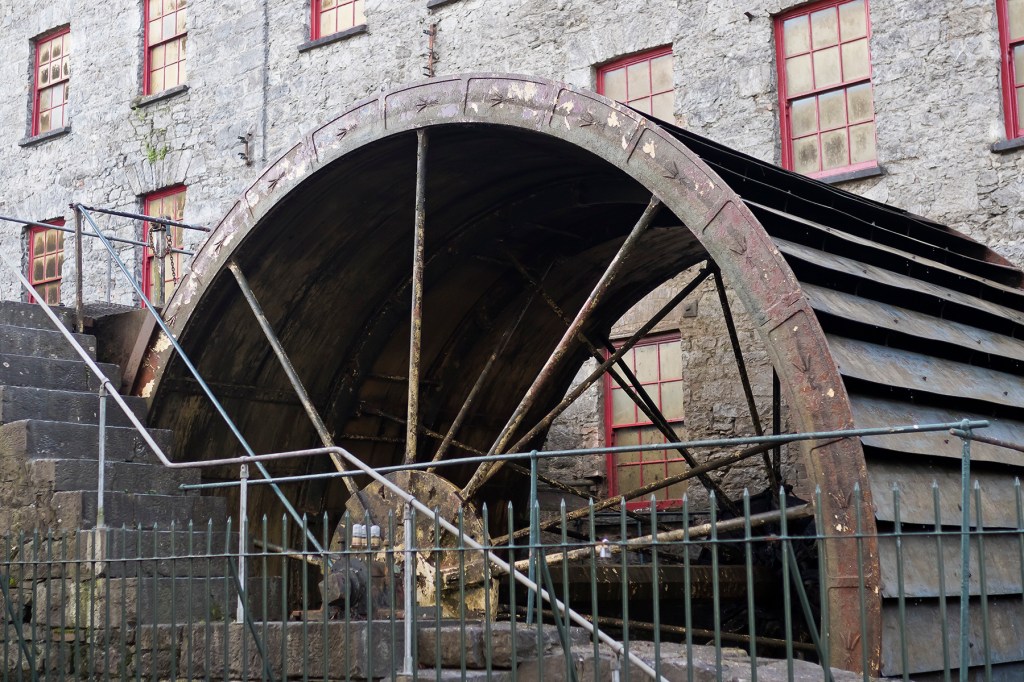
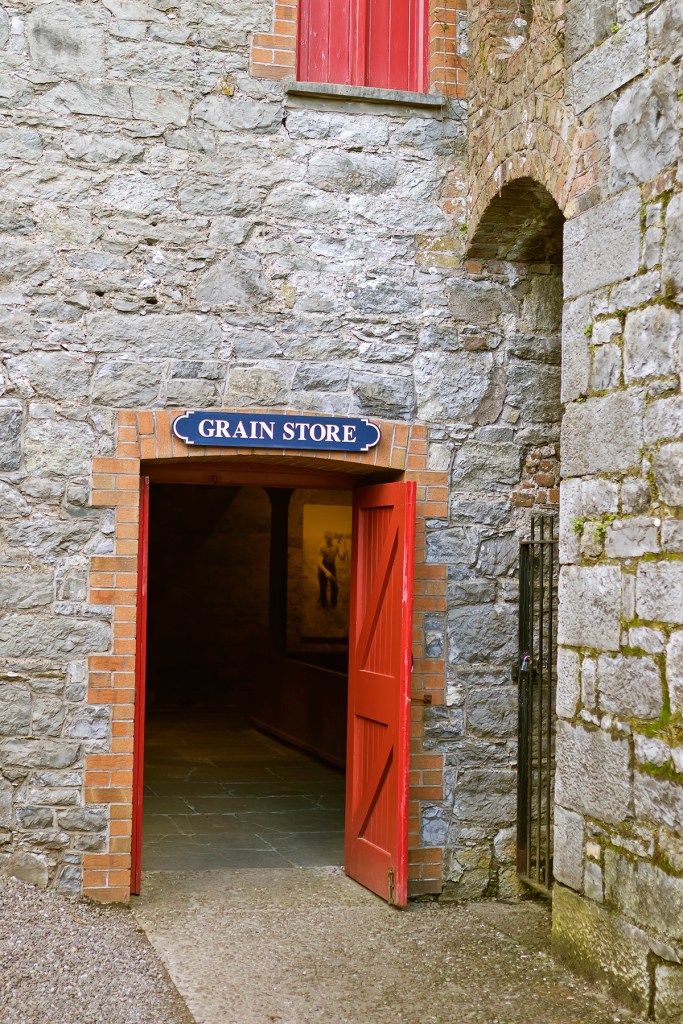
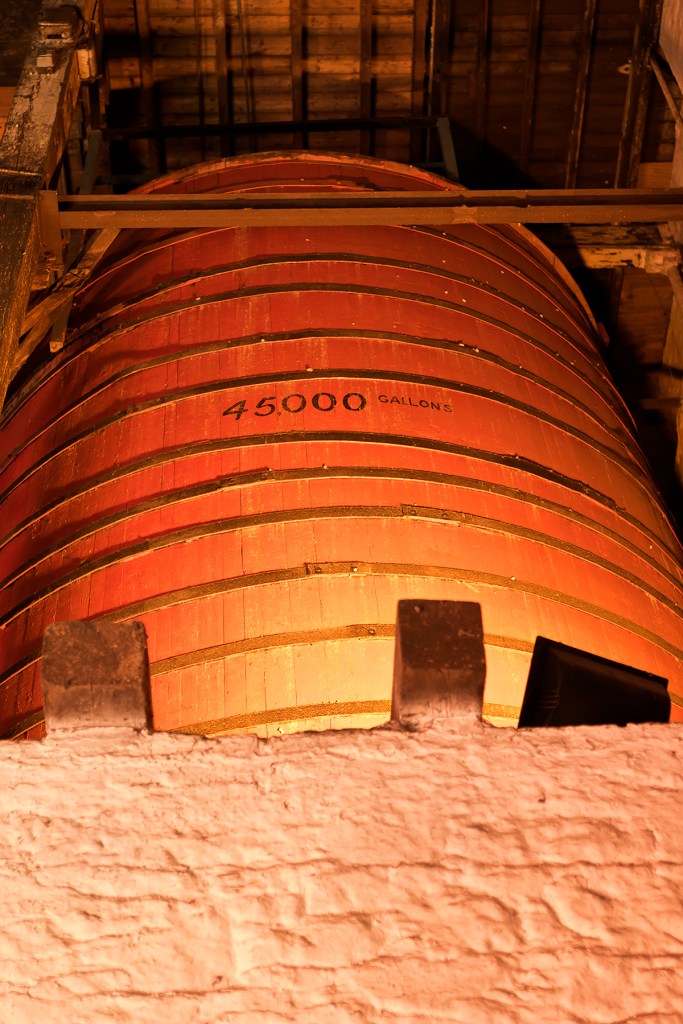
As in beer making, the crushed grain is mashed to encourage the conversion of starch into sugars. The resulting wort is then cooled for a bit, before yeast is introduced to turn that sugar into alcohol. In this case, it was transferred to 45,000 gallon wooden tanks.
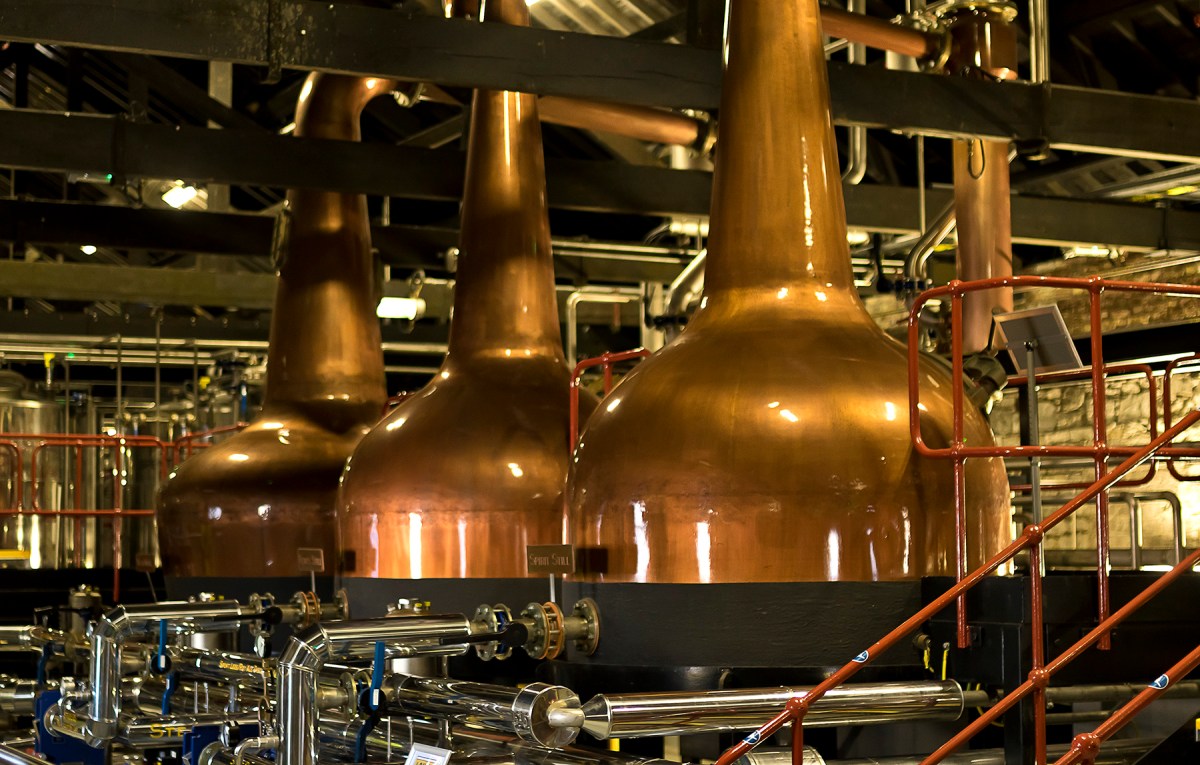
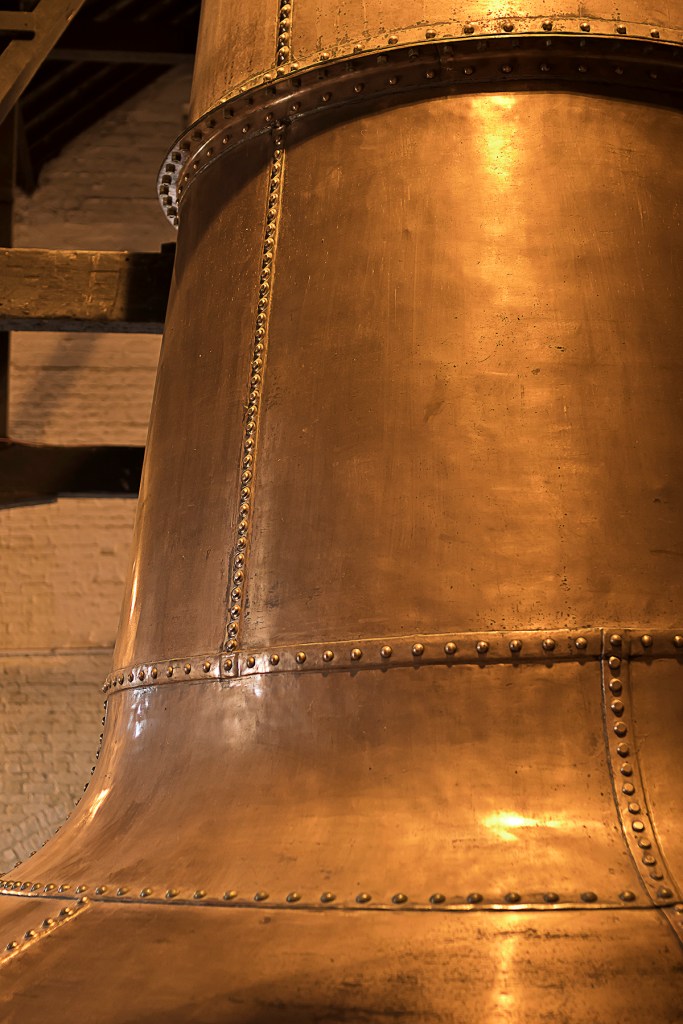
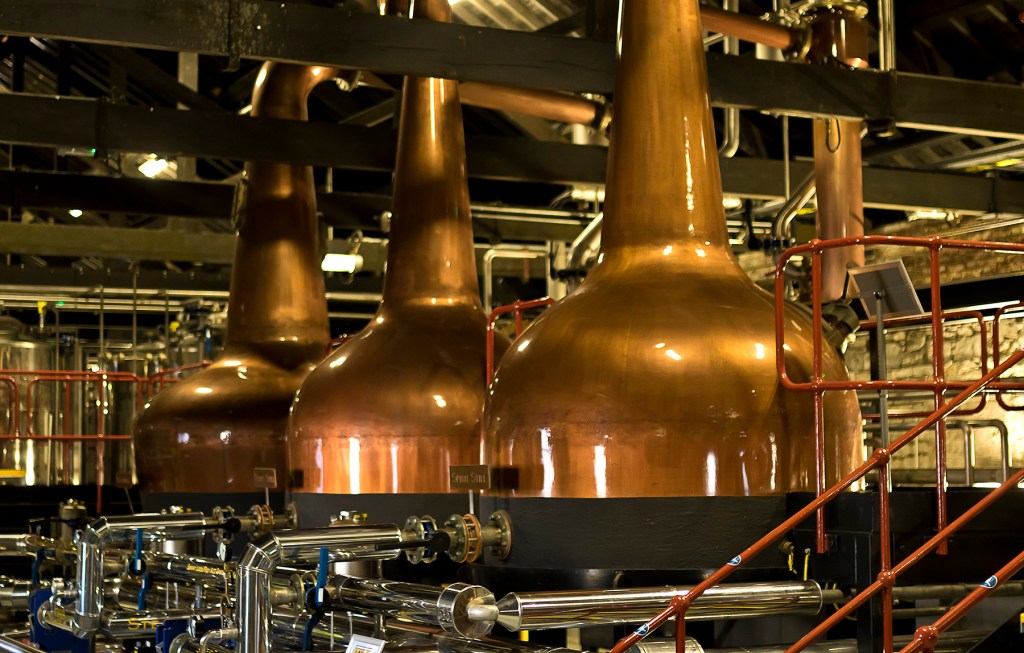
Distilling is the process of separating the alcohol from the fermented wort. There’s a couple of ways of doing that, but they all take advantage of the fact that alcohol boils at a lower temperature than water. You heat the liquid to somewhere around 180° F, collect the alcohol laden vapor in a tube, then chill it and catch the condensate in a separate tank. Which impurities you leave in, and which you take out, is part of the distiller’s art. Traditionally, Irish whiskey was all made in a copper single pot still, like the one in the first picture above. Now, most are made using a combination of pot stills and column stills. The latter is common in bourbon making. Irish whiskeys made the traditional way are labeled as single pot still.
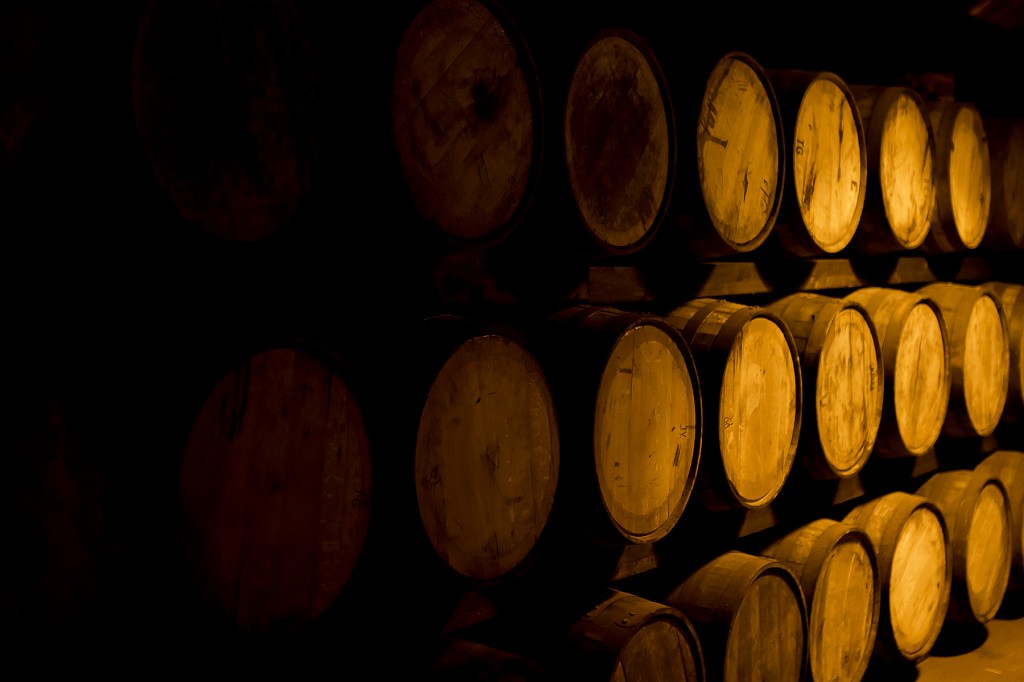
The second part of the distiller’s art is the aging. American bourbons are aged for a minimum of two years in charred oak barrels, which can only be used once. The warehouses are a couple of stories high, and the barrels are rotated from the top to the bottom at least once, because the temperature differences, both throughout the year, and across the building, are great enough that a barrel allowed to age in the warmer top story in the summer will impart a different flavor to its whiskey than one on the floor in the winter.
Temperatures in Ireland are not so variable, and the warehouses are generally a single story. So the barrels are stacked three high, and not rotated during the aging process. Different types of barrels are used, including former bourbon and sherry barrels, as well as some virgin oak barrels. Much Irish whiskey is actually matured in a sequence of barrels, which can be re-used up to 3 times before being discarded. Most of the discards end up in Cuba, where they are used to age rum.
Master Distiller Barry Crockett grew up on the site. Some of the last whiskey produced by his father was made available for purchase recently, at $40,000/bottle. You had to act fast, though. All 48 bottles sold out in a couple of days. Maybe start saving for the 2021 release.
 Cork Spring