Categories
Buses Covid-19 Ireland Youghal

Youghal, and an update

The Covid-19 situation remains fluid. As of last night, there are 34 confirmed cases in Ireland (population just under 5 million), and an additional 16 in Northern Ireland (population 1.8 million). Nearly 1800 people have been tested in the Republic. Authorities are still urging calm, and saying that closing schools and public transport remains unnecessary at this time. France, our next potential destination, has around 1800 confirmed cases (population 65 million), or roughly 5 times the infection rate of Ireland. They are expected to escalate their response to Level 3, which will involve closing most public transport. At that point, we expect our trip to be canceled for us by the airline.

Portugal remains relatively unaffected, with 41 total infections recorded out of a population of roughly 10 million. Travel to and from Italy has been suspended pretty much everywhere, as well as travel within the country. Spain is canceling most public events and large gatherings. Our itinerary puts us in Portugal and Spain between 5 April and 22 April, so we are keeping close tabs on both of those. We have confirmed that we can pick up our rental car from Cork to Dublin at an hour’s notice (currently we’re planning on making that drive between 1 April and 4 April), and that we can change our flight back to the US at no cost. So, if we decide in the next few weeks that it’s time to get out of Dodge, and ride this out in the comfort of our own home, we can do that in basically 24 hours.

Once again, our thanks to all of you who have expressed concern over our well-being. We are somewhat stressed, possibly inconvenienced and disappointed, and likely out some money. But we think our risk of catching this virus remains relatively low (my personal assessment is that it is no greater here than in the States), and there are far many people in much worse shape than we are.

Back to our travels!

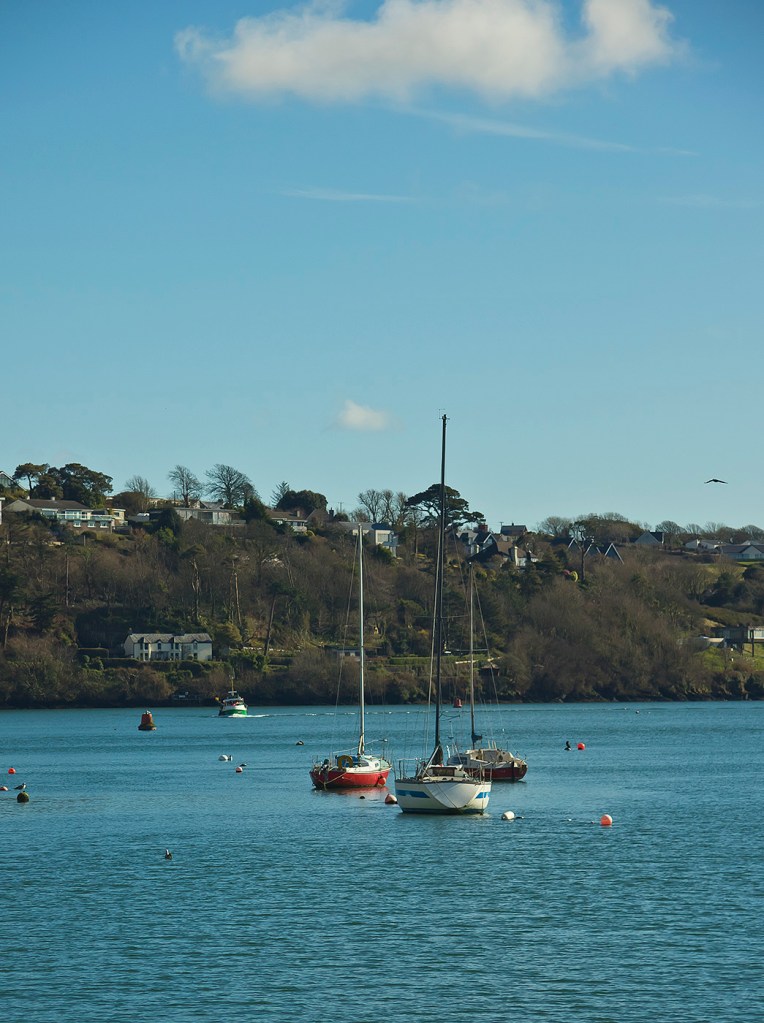
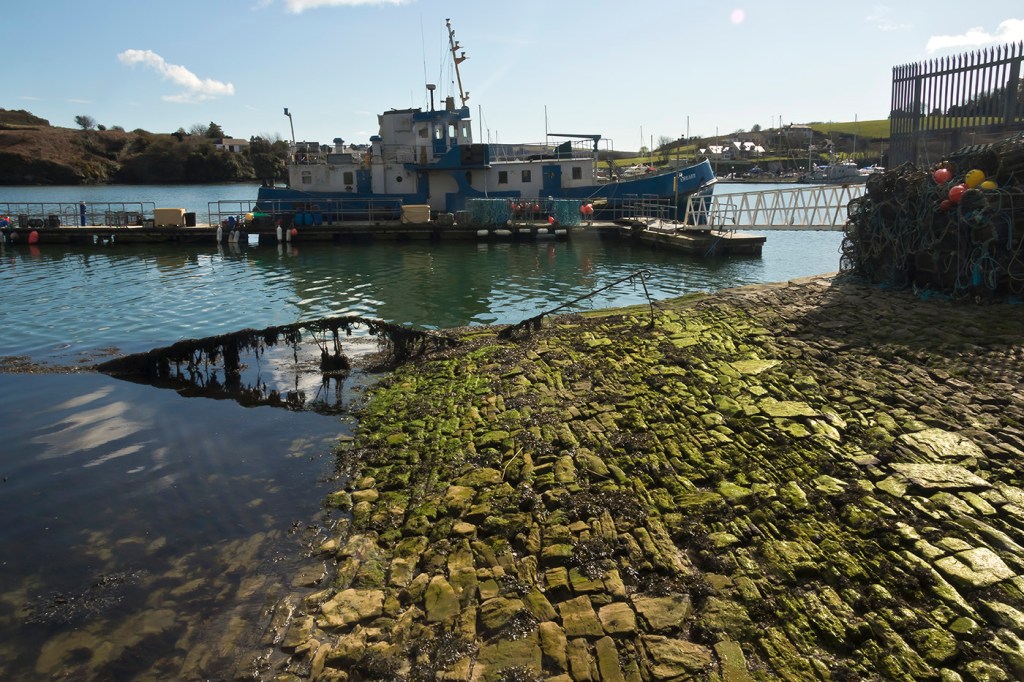
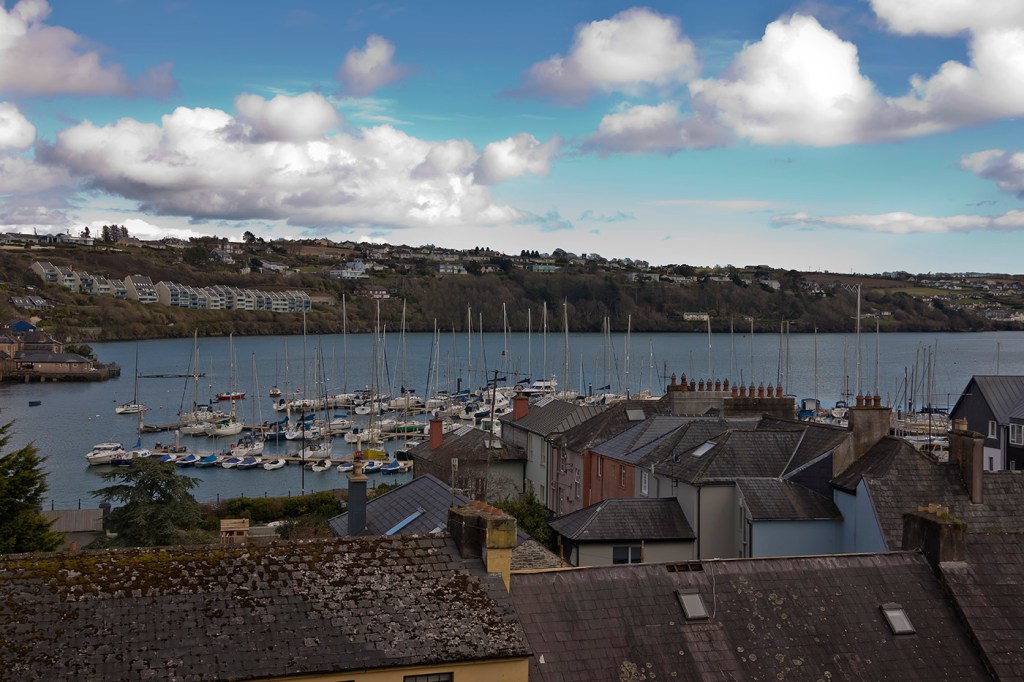
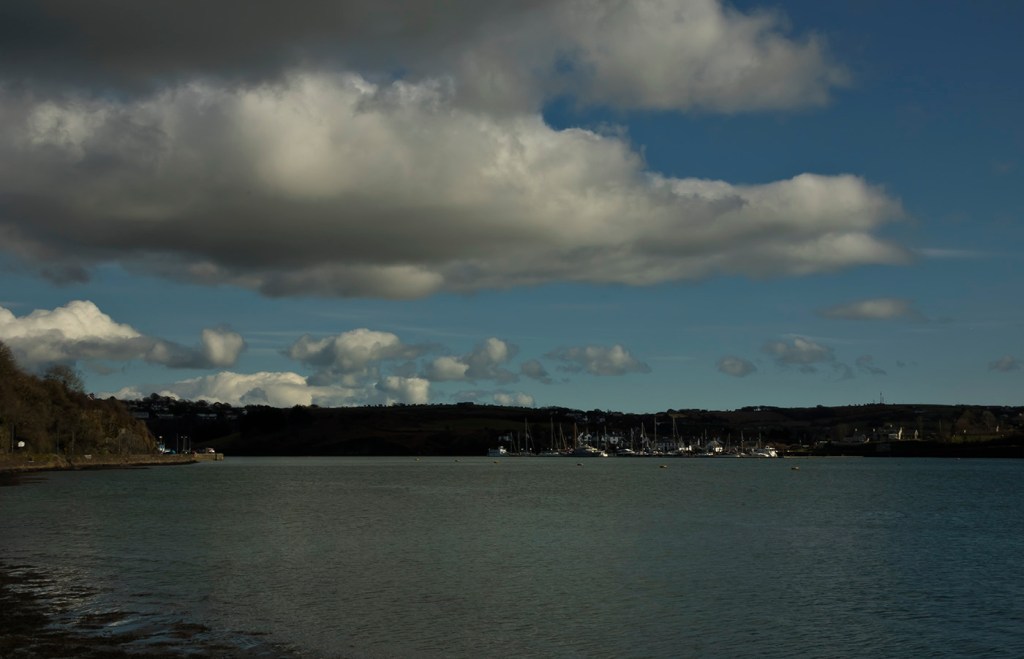
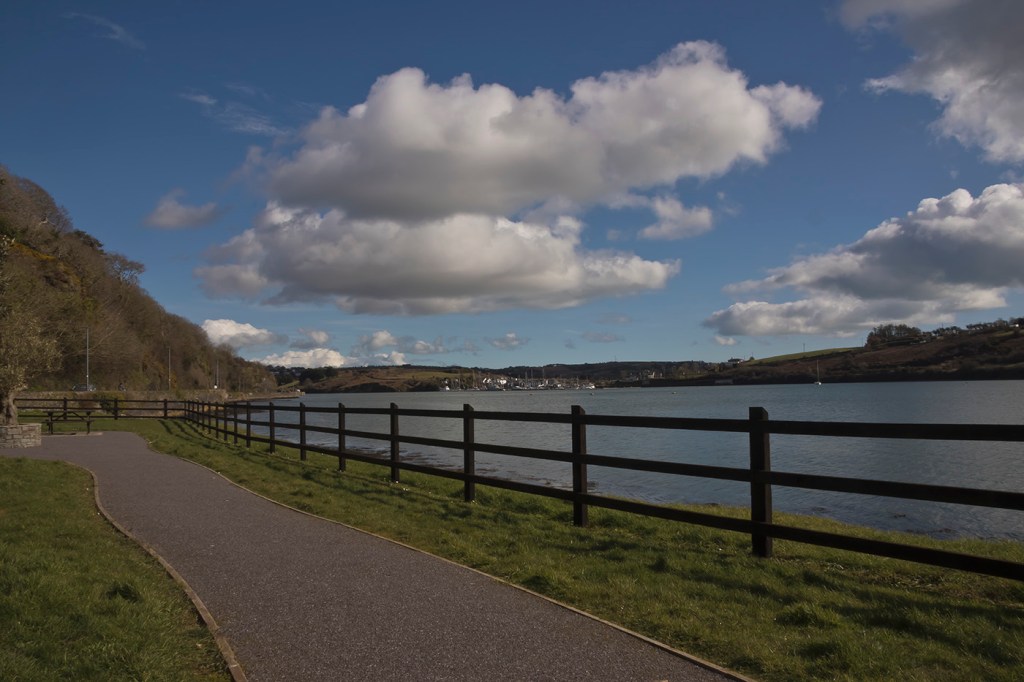
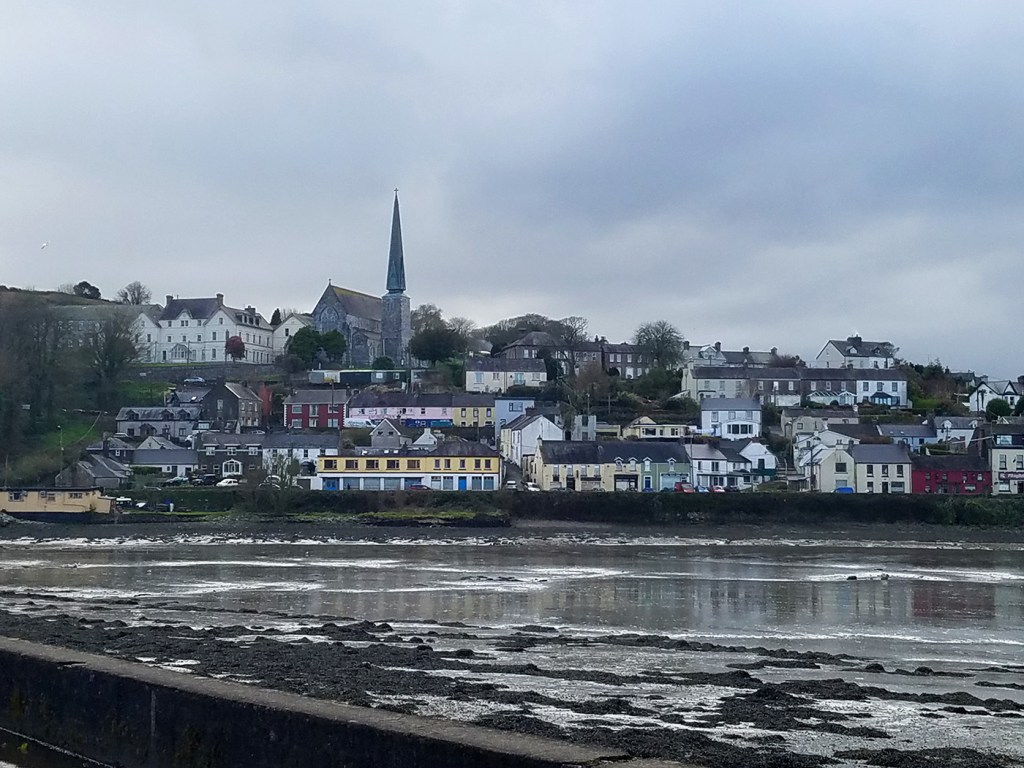
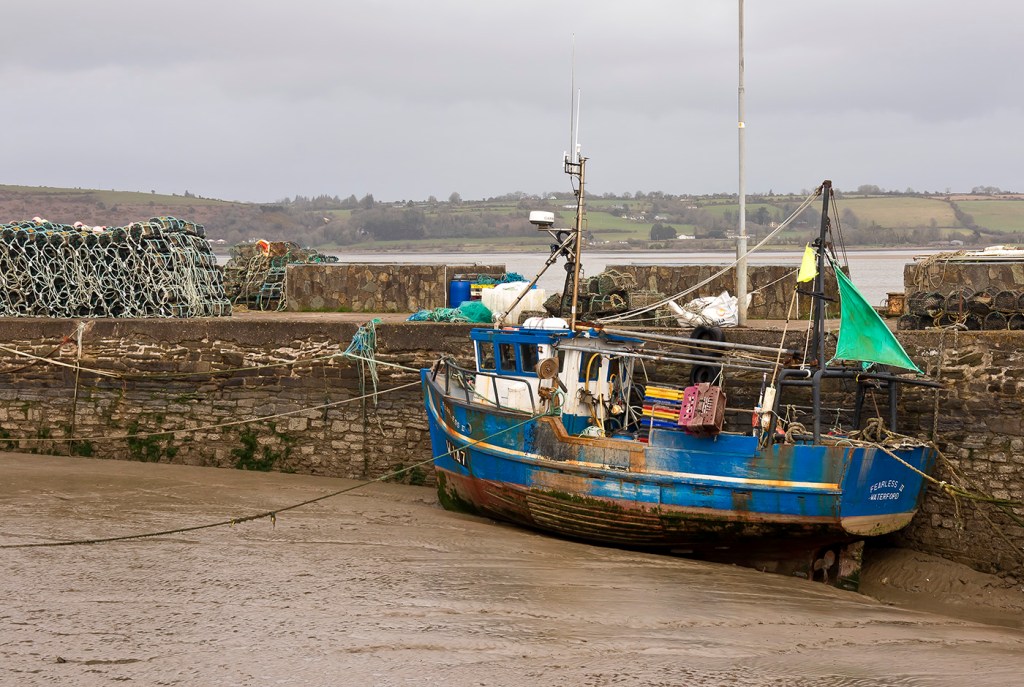
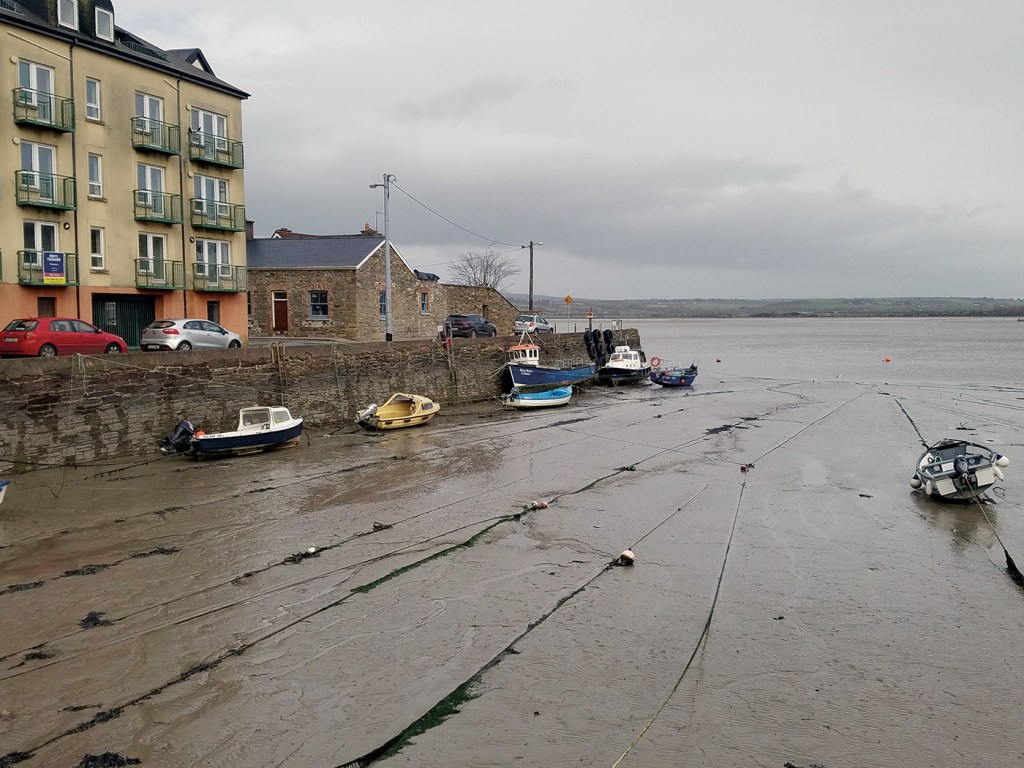
Today is the midpoint of our planned trip. Yesterday we took the bus to the coastal community of Youghal. On our 2017 trip to Ireland, we passed through this town on our way between Waterford and Cork, and spent a couple of hours walking around. It was high on our list of places to return to.

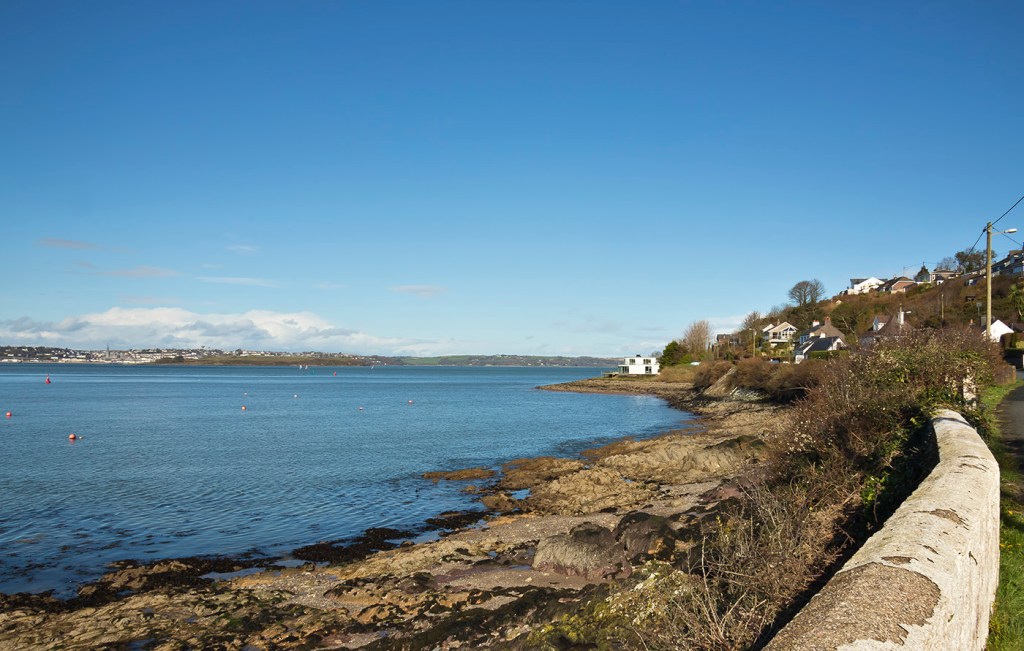
We misread the bus schedule, and thought there was only one stop in the town, so we inadvertently got off 2 km from the town center. That turned out to be fortuitous, as we found ourselves at probably the nicest beach in the Republic. It was cold and windy, but gorgeous. And at low tide, flat and sandy.
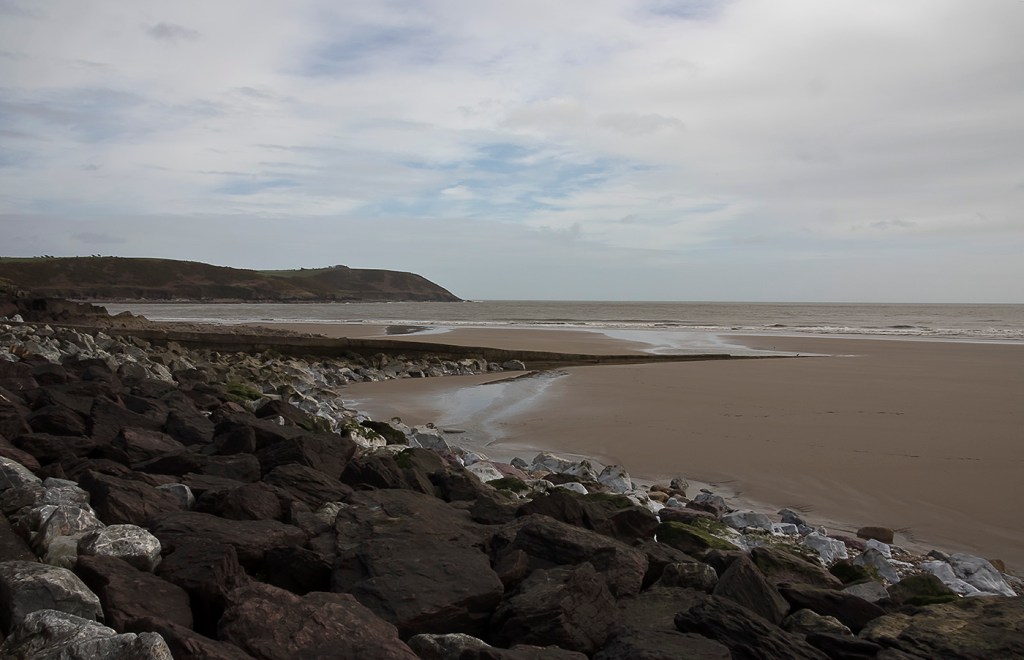
I didn’t take my shoes off, but i did dip my hands into the Atlantic Ocean for the first time this year.
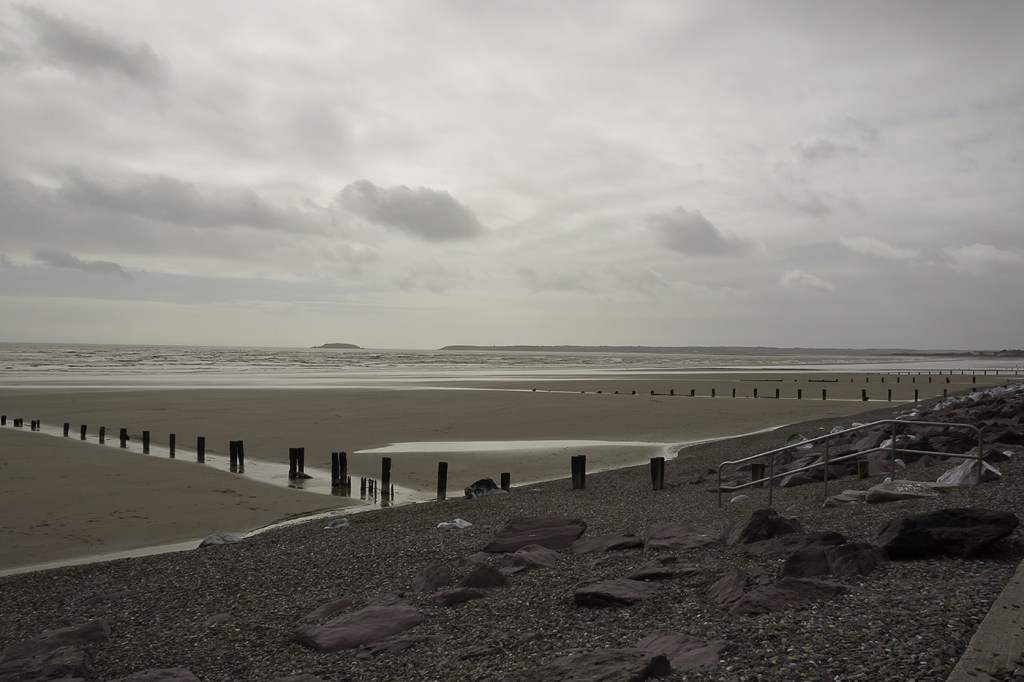
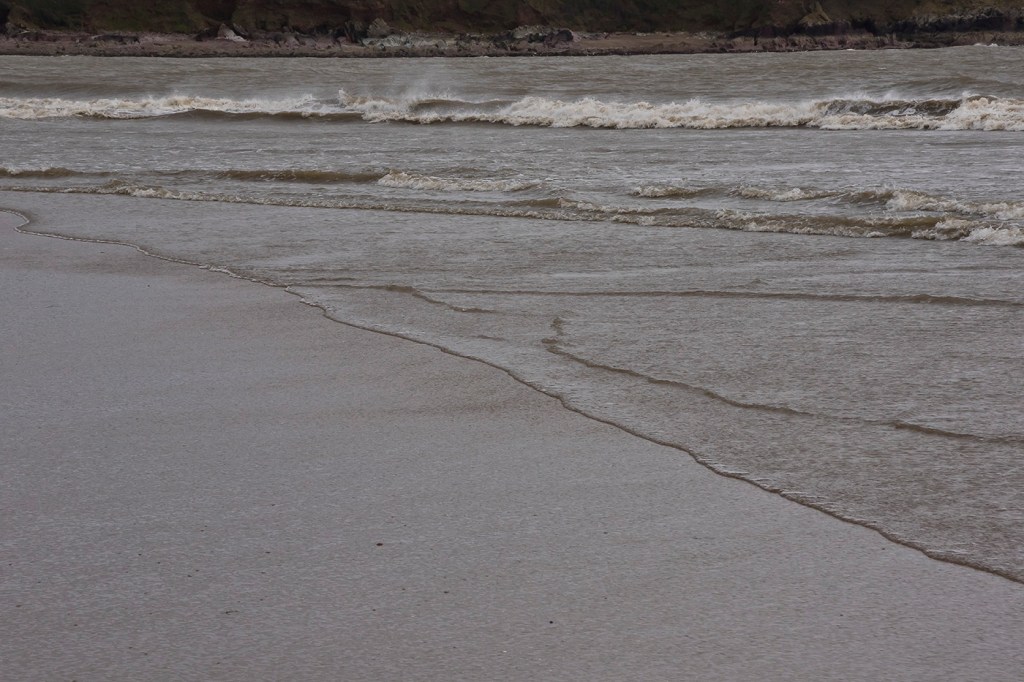
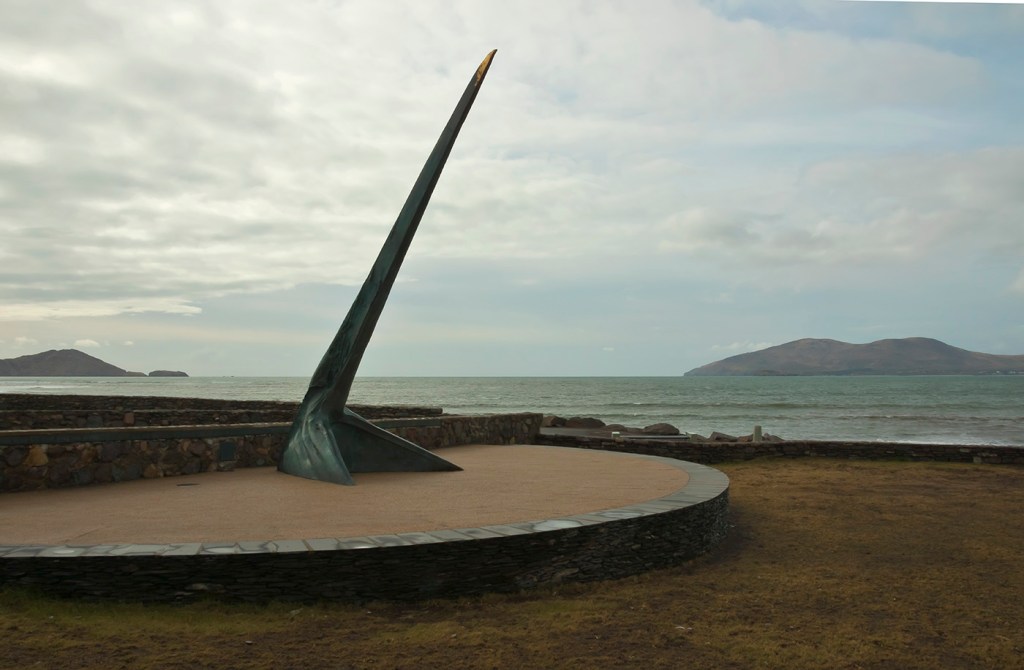
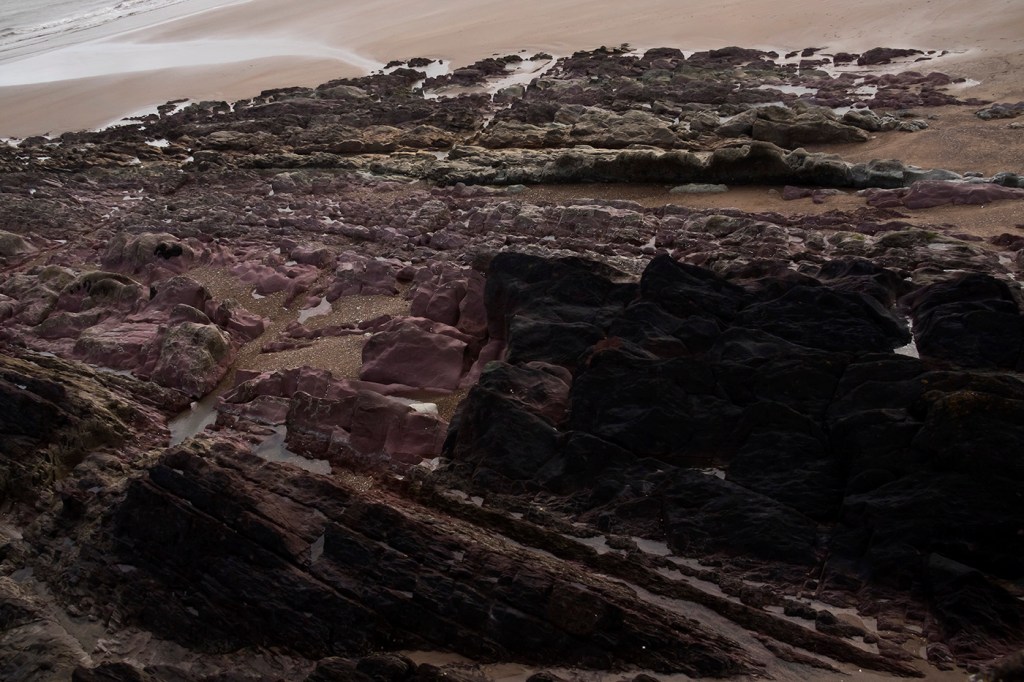
While some of the beach features are clearly man-made erosion control, there are some fascinating rock formations as well.
This little memorial would be called “Brandy” if it were in the States.
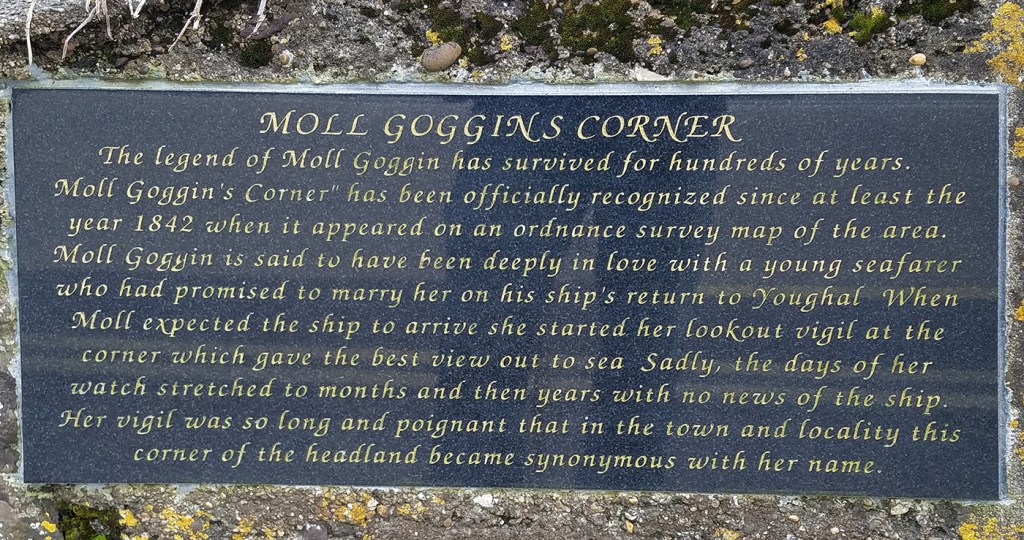
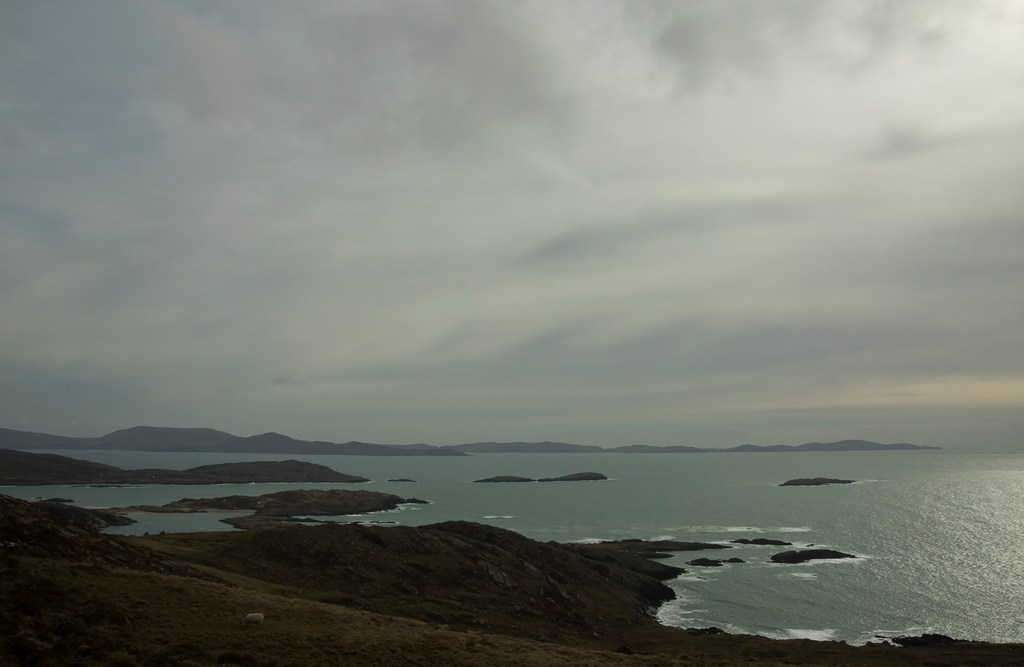
The story of the Youghal lighthouse is pretty cool. There’s been a light on this site for pretty near a millenium. A couple of hundred years ago, some town leaders thought it would make sense to move the light to an island a mile or so offshore. Construction got about halfway through, when the faction arguing that the light should remain in its traditional location returned to power, and the island project was abandoned. You can see the island in the second picture above, although at blog resolution i don’t think you can make out the light. It’s now a bird sanctuary. A new lighthouse was completed on the original site in 1852.
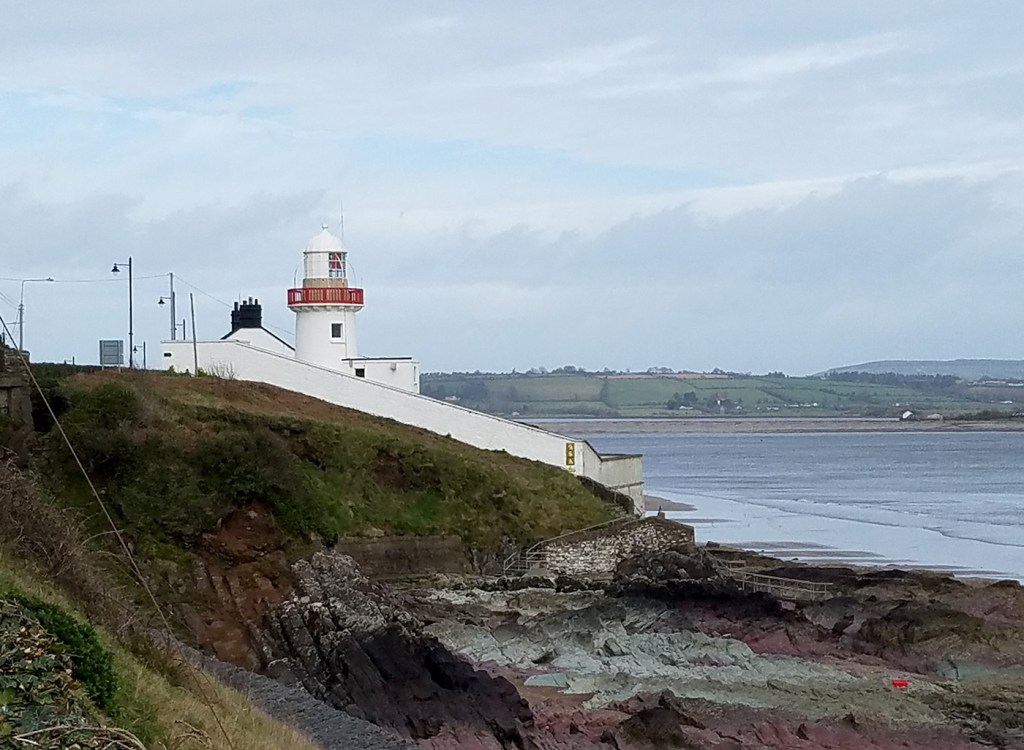
The village green reminded of nothing so much as the Willoughby epsiode of the Twilight Zone.
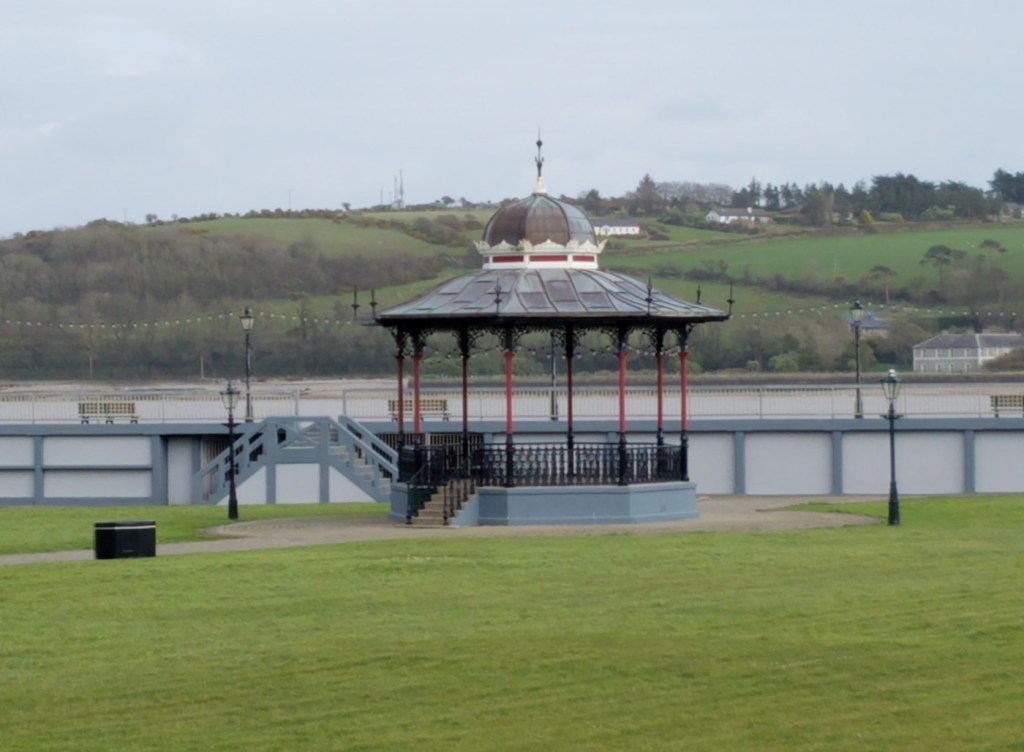
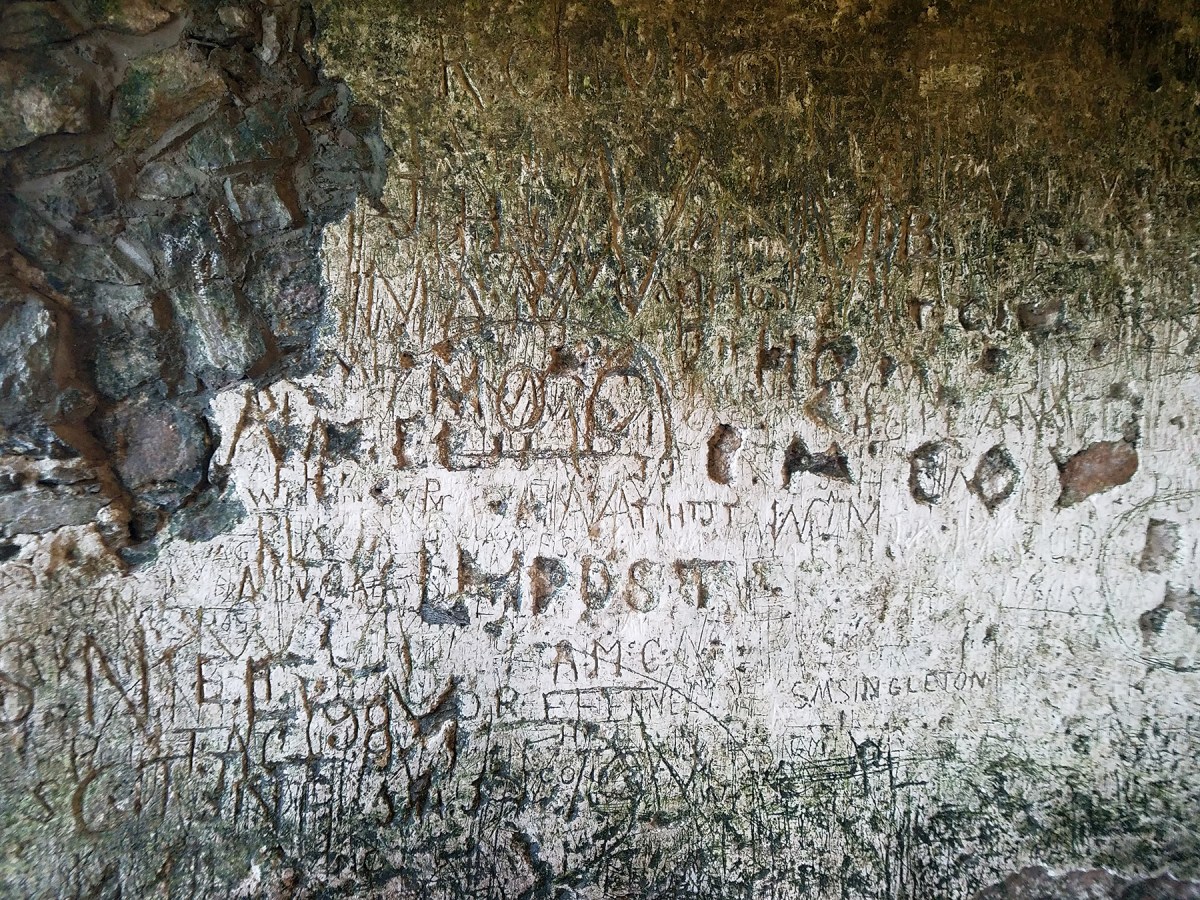
At the entrance to the green is a statue memorializing 4 men killed by British troops in the town in 1798. As i’ve mentioned previously, i’ve had a couple of conversations with people here about Confederate statues back home. (All initiated by locals. I’m doing my best to avoid politics on this trip). They have all made the “history” argument that removing memorials to the Confederacy violates “history.” The responding argument, of course is simple: where are the memorials to the British governors of Ireland who ordered these executions? They don’t exist, nor should they, because although they are clearly a part of history, their actions are not those we want to commemorate. The Confederacy is the same.
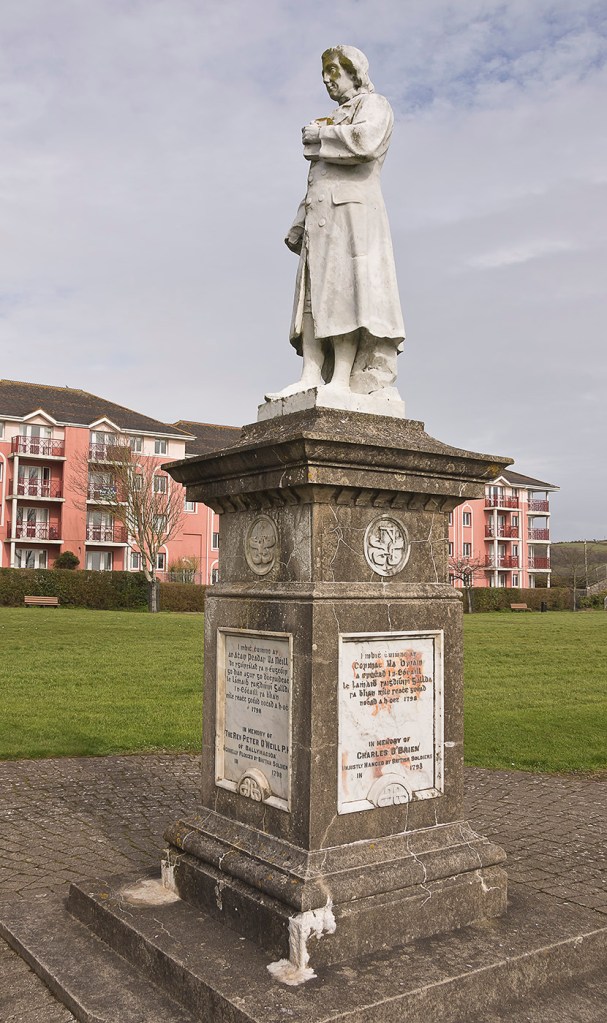
We walked about the town for a while, ate a fantastic lunch at McCarthy’s, in the Old Imperial Hotel, and otherwise enjoyed the relatively benign weather. Definitely high up on the list of places we’d consider living in.
Categories
Cork City Ireland Street Art

Just Walkin’ Around

It hasn’t been all gloom and doom around these parts the past few days, but mostly. Ireland so far is one of the least affected countries in Europe by Covid-19, but clearly the authorities are worried that won’t last. The two community transmitted cases in the Republic are both here in Cork. If that number doesn’t increase significantly over the next week, we’re probably in the clear. But we’re making our preparations in case it does.

On the other hand, the trip to Paris on 20 March – 22 March is almost certainly off. We’re just waiting for French authorities to elevate their restrictions to Level 3, which should happen in a few days, before canceling. Portugal in early April is still on, but again, that’s a full 3 weeks away before we leave, and nobody has any idea what the situation will be then.

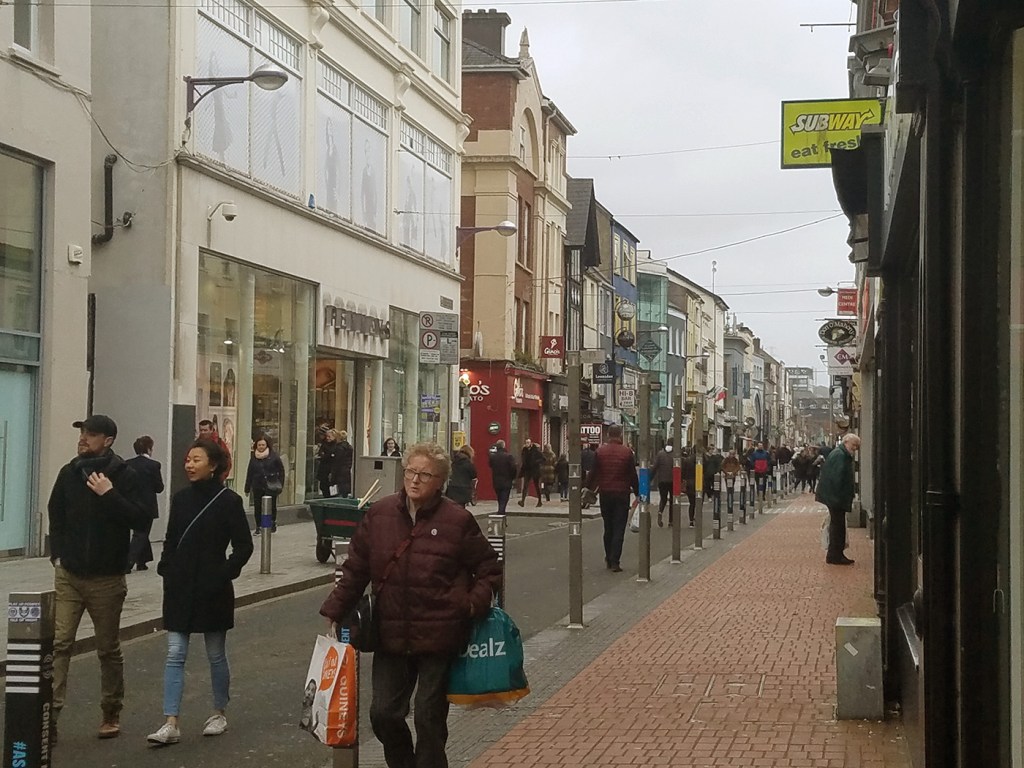
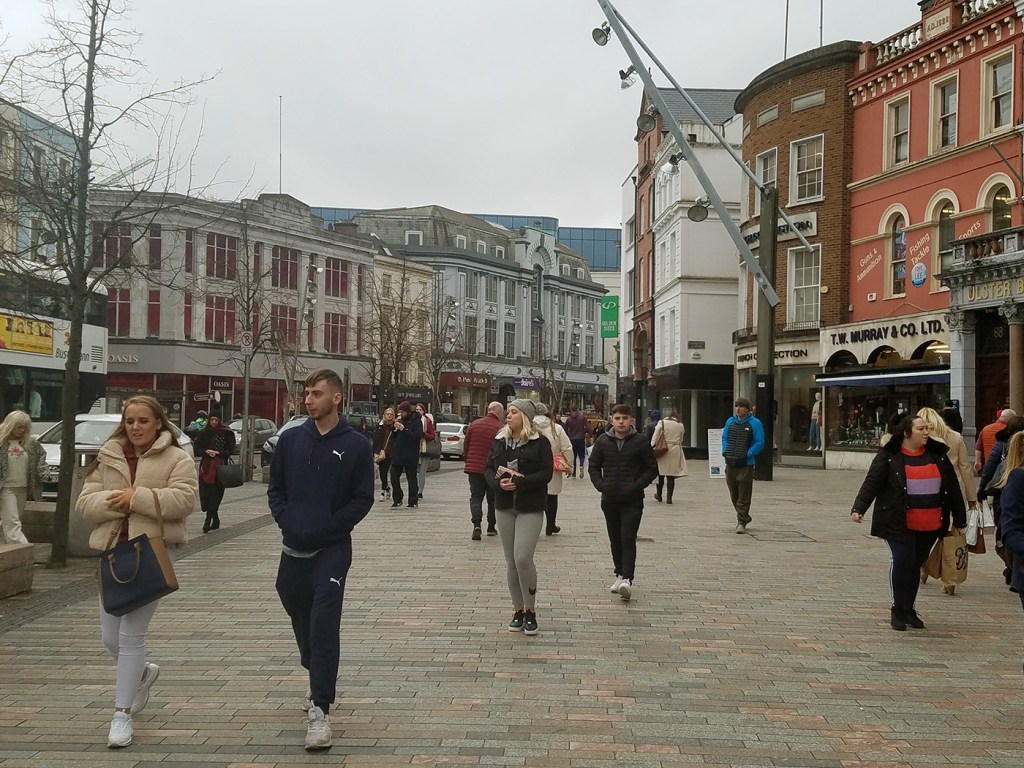
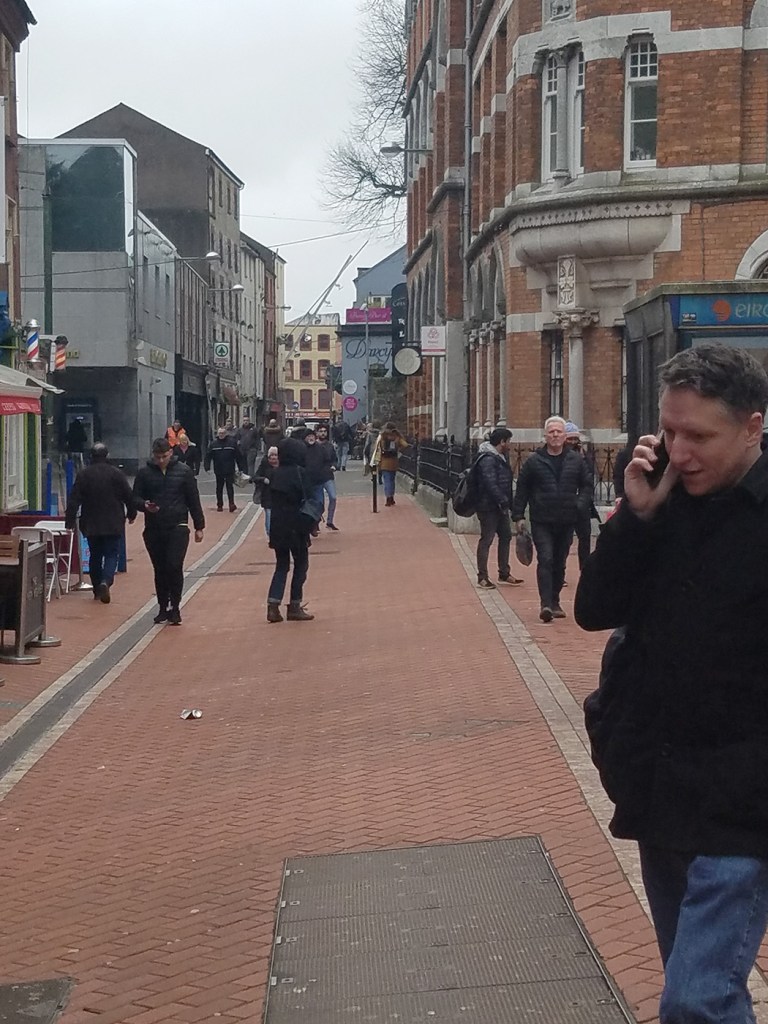
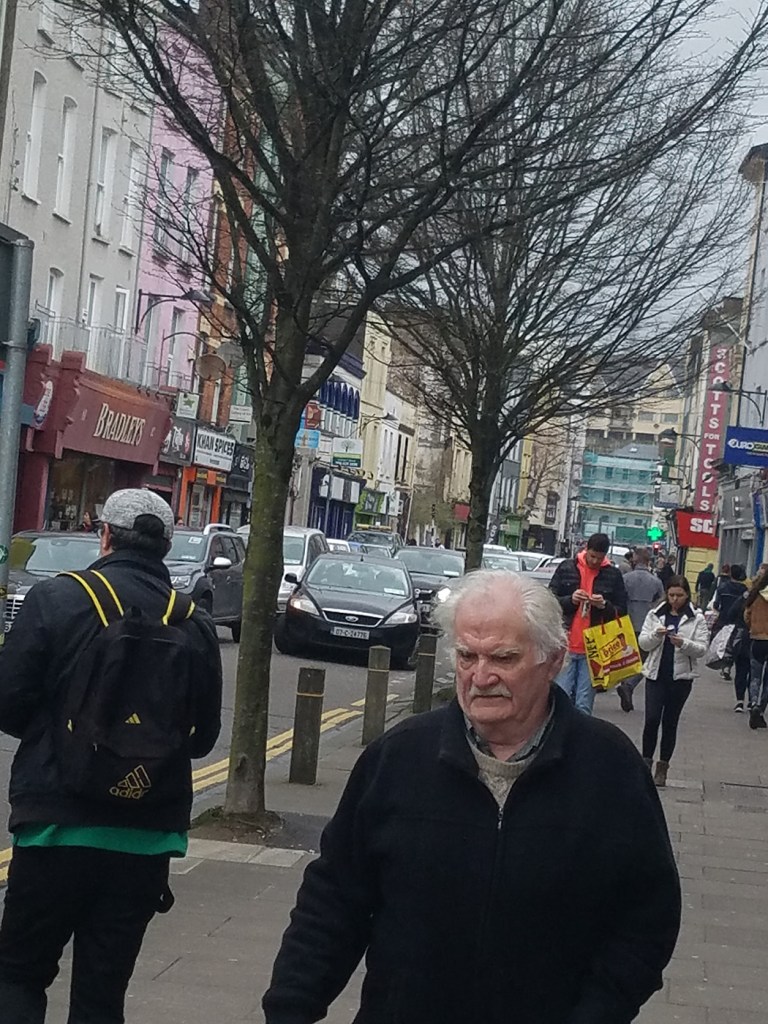
Meanwhile, we’re dodging raindrops, staying warm, and, when the sun actually comes out, enjoying the longer daylight hours. And washing our hands. A lot of washing our hands. So much washing of the hands. Here’s some random pictures of walking the streets of Cork over the past few days.

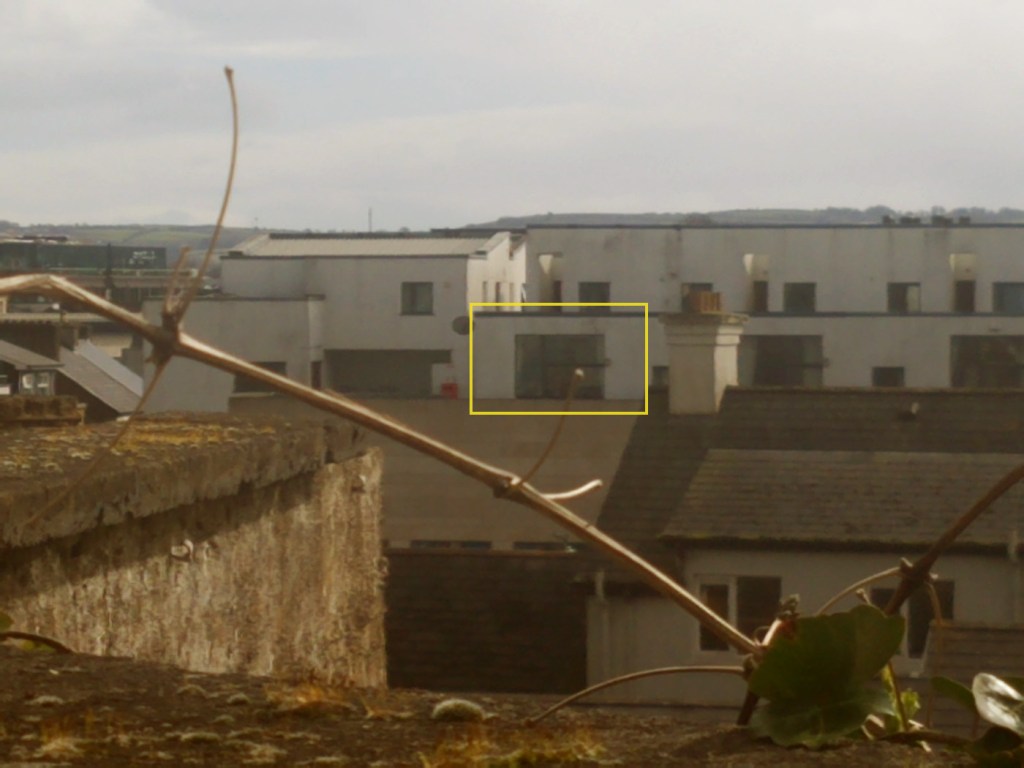
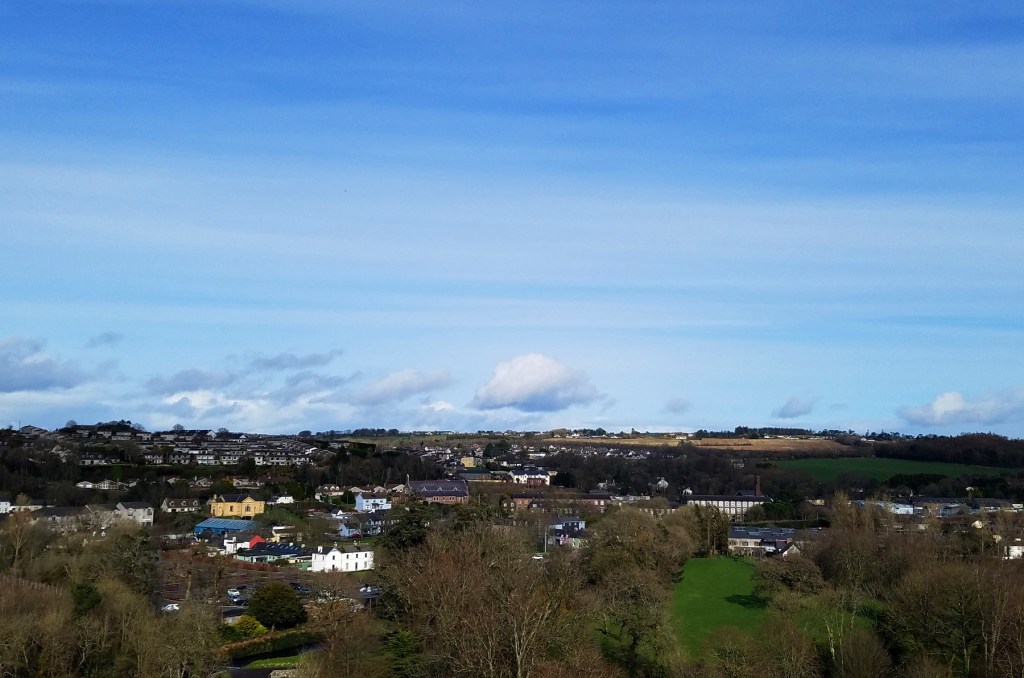
From the Rock House, looking back to our apartment, highlighted in yellow.

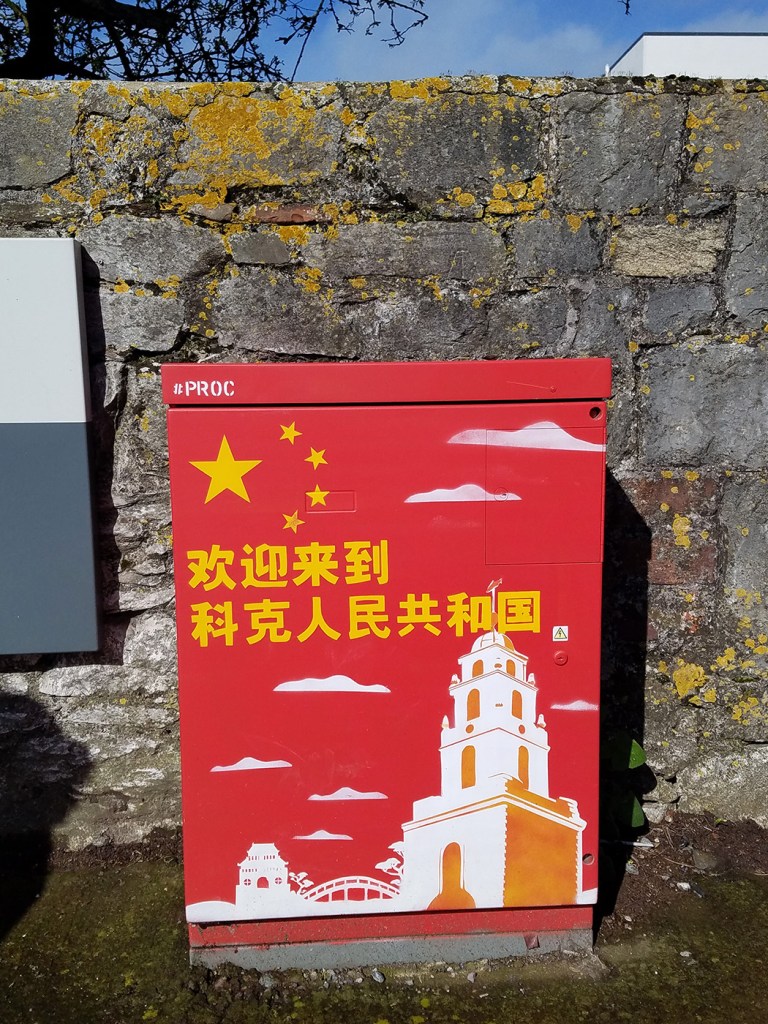
A few random street snaps from over the weekend.

Oliver Plunkett St.
St. Patrick’s St.

We dodged squalls walking back to west end of the island and beyond, along the river greenway west of the city on Sunday. It’s quiet there, when it’s not hailing. We ended up in the lobby of the fancy-pants Kingsley Hotel on the way out, and the way back, sheltering from the rain.

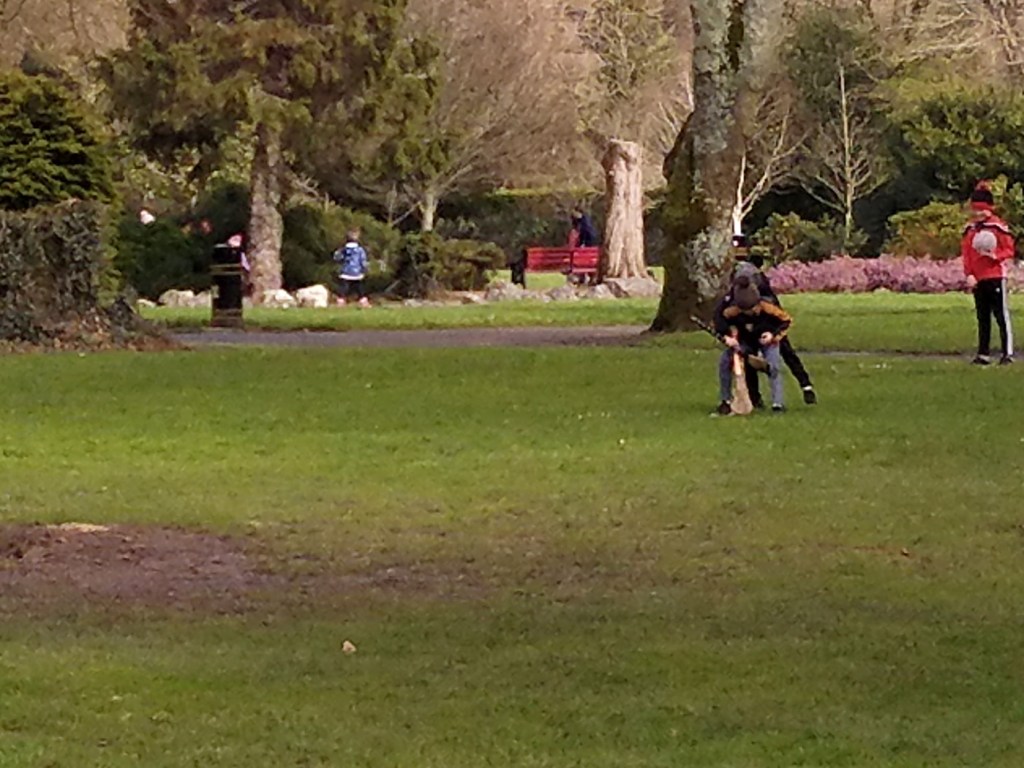
Siblings getting in their hurling practice
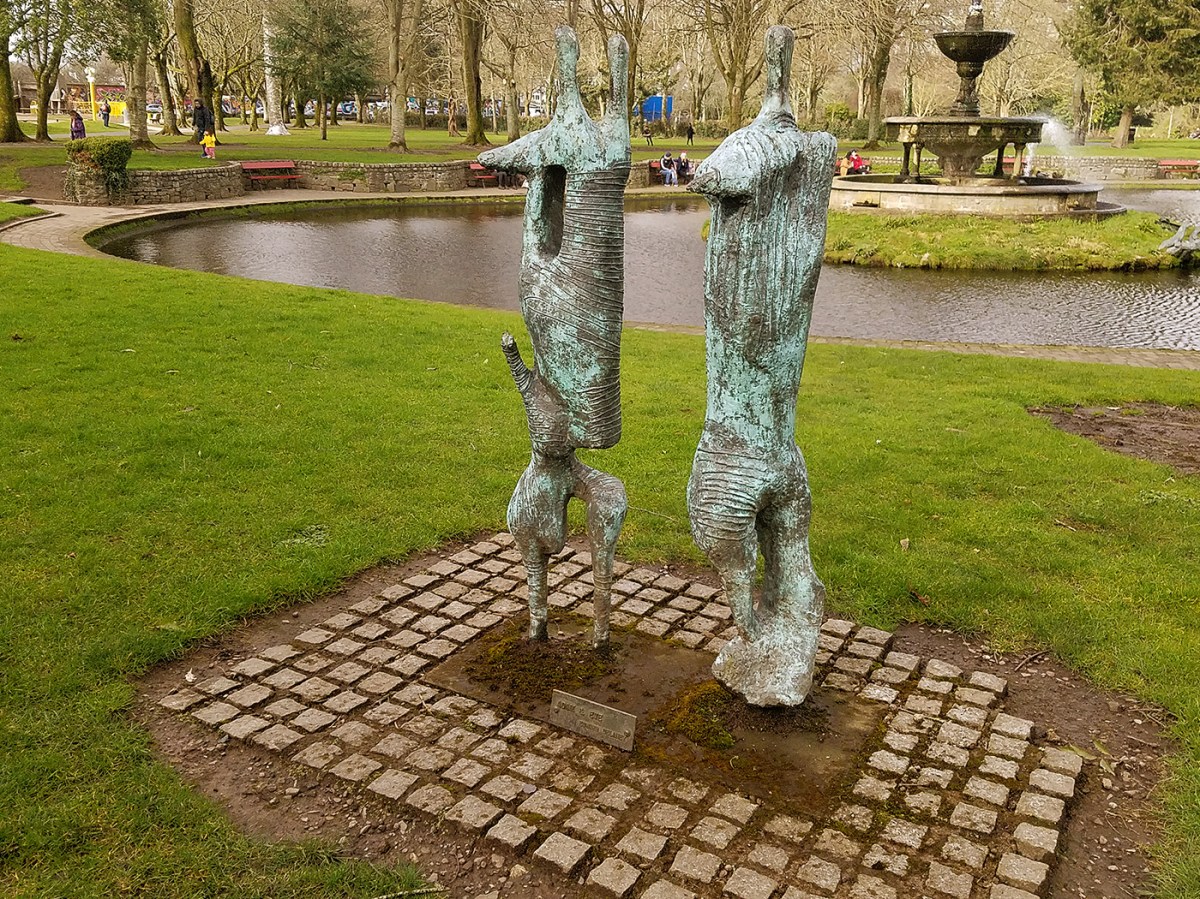
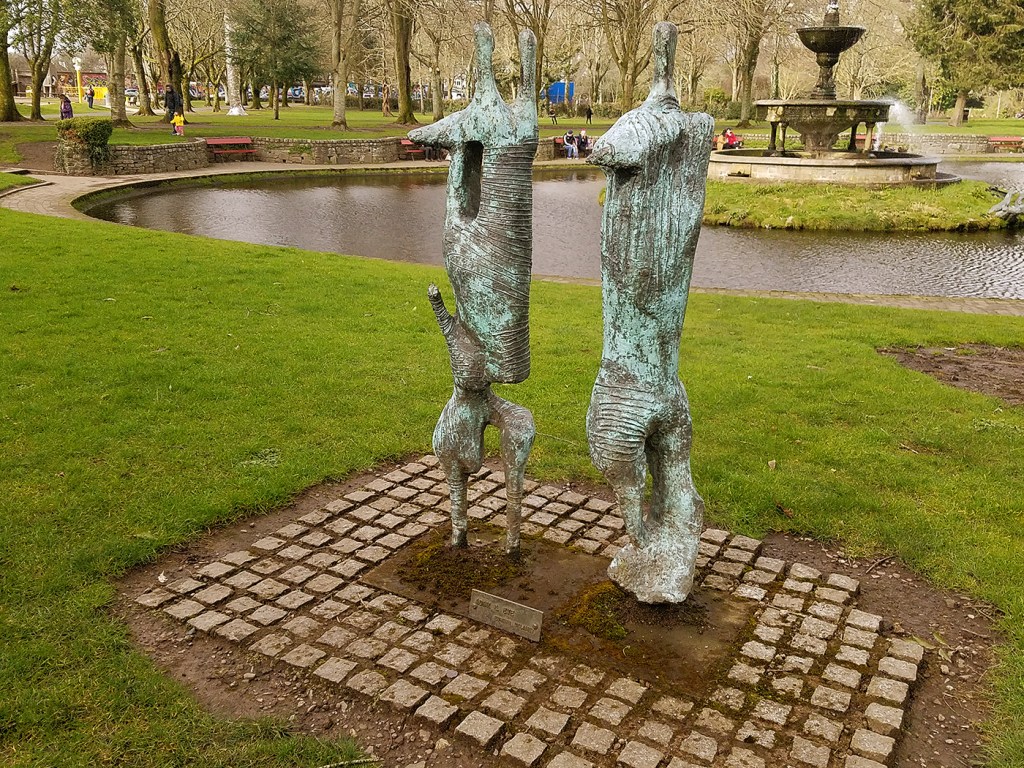
Adam and Eve, by Edward Delaney

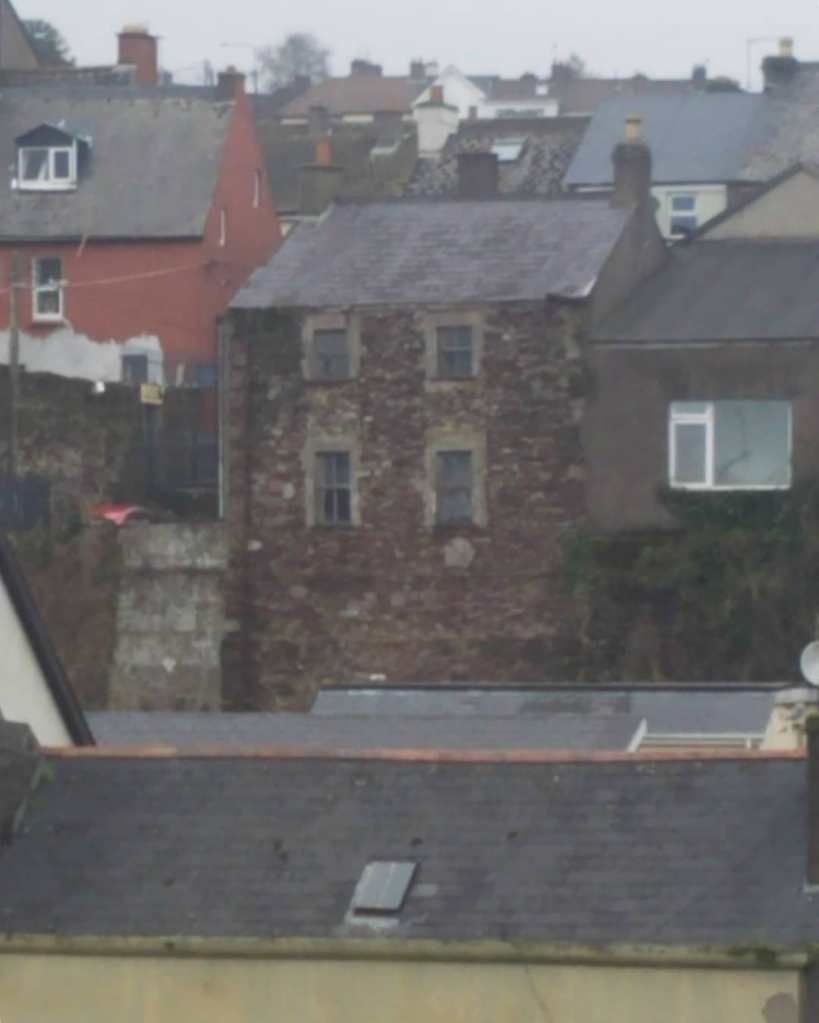
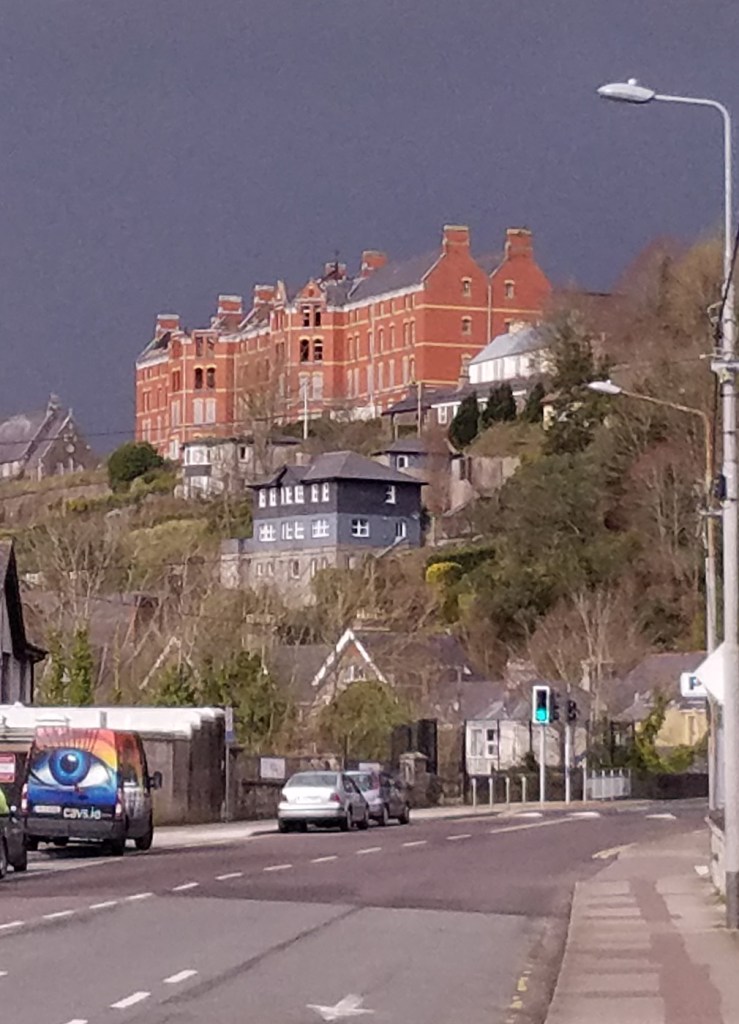
I wrote a little about this building very early in our stay, but i thought it looked dramatic against the storm coming in. Probably a mistake to spend so much time in the street trying to get a decent shot in those circumstances, though.
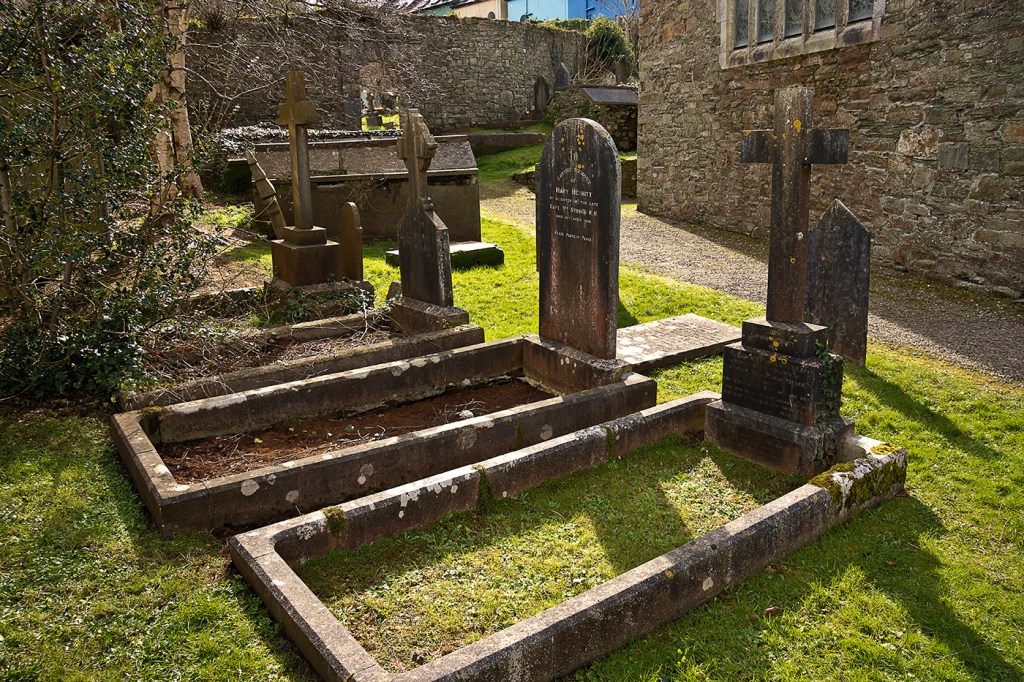
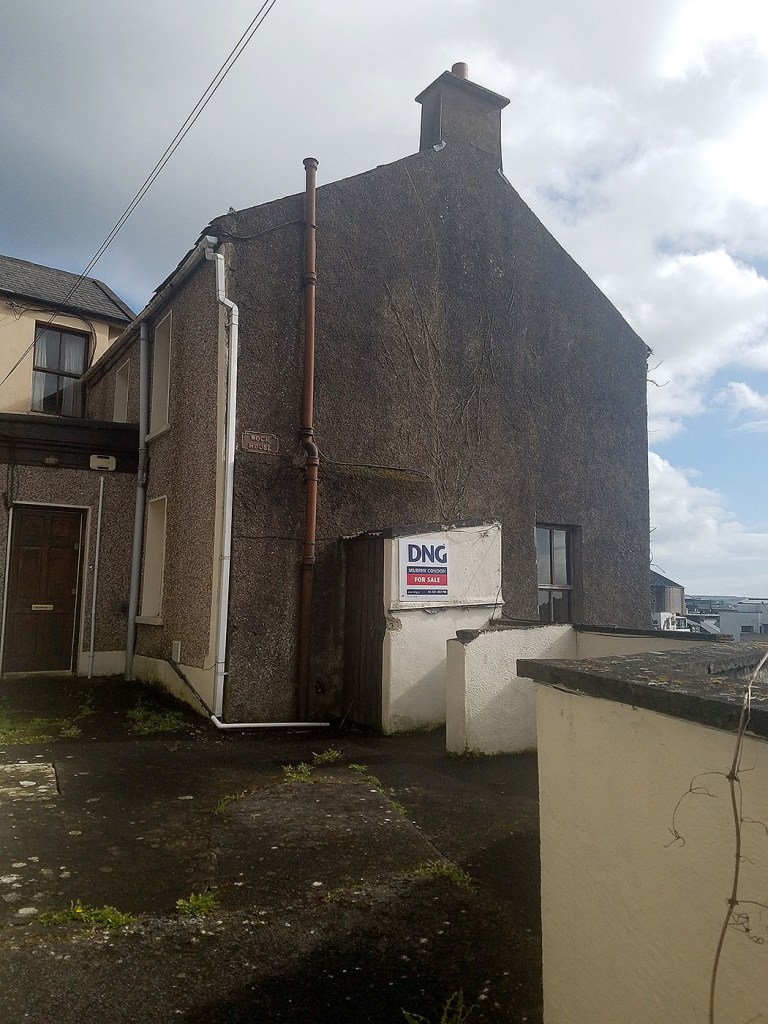
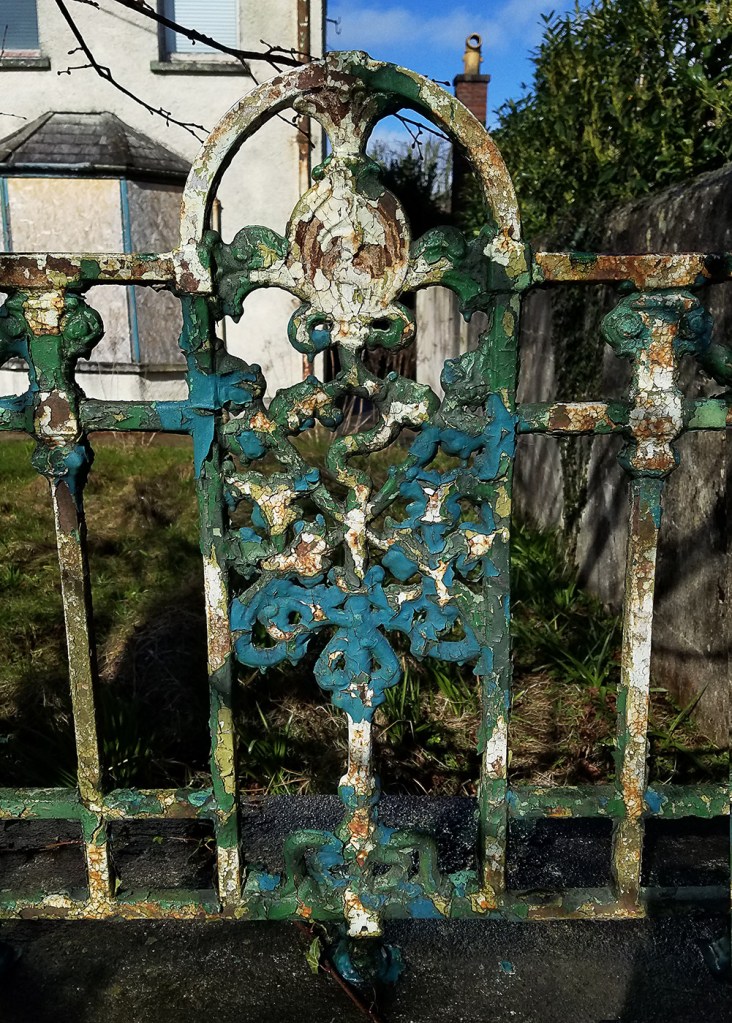
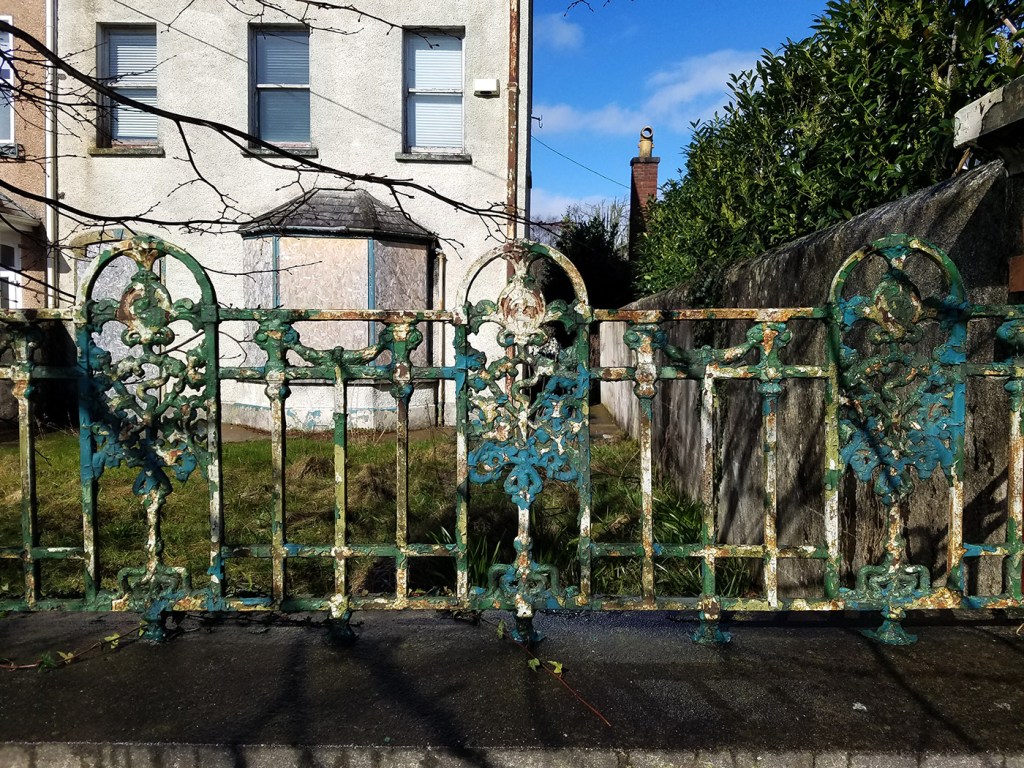
This abandoned building is not on the market yet, as far as I could tell. Love the little fence on top of the wall, though

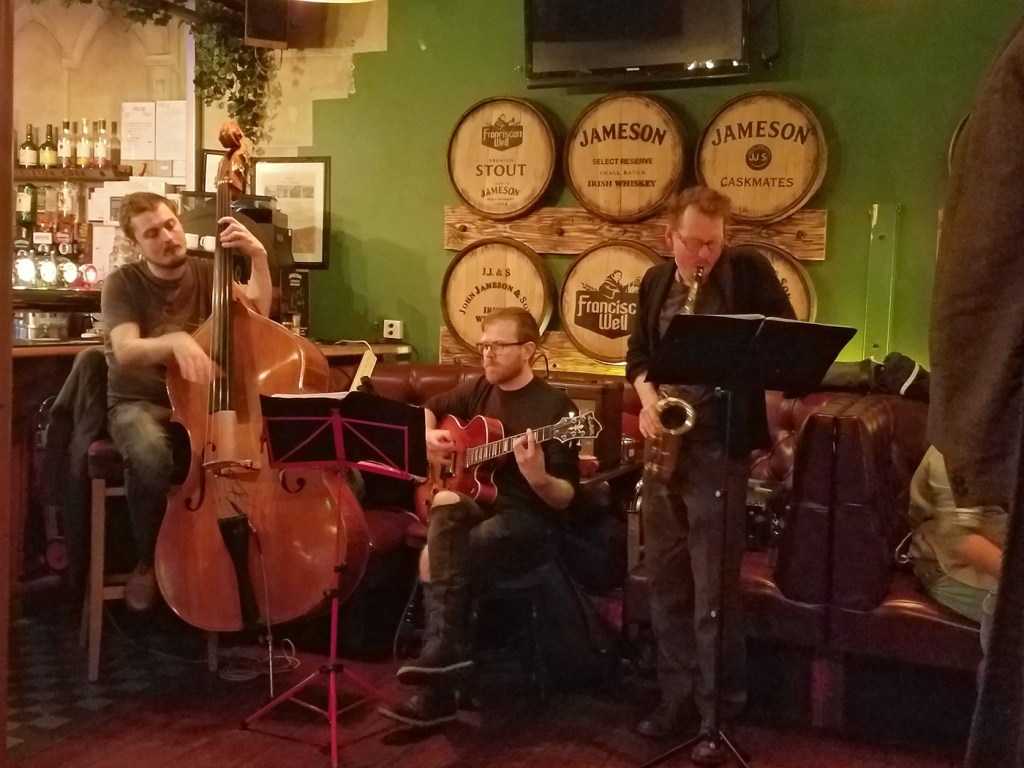
Capped off the night on Sunday catching the jazz trio over at the Franciscan Well. If you’ve seen the commercials for Jameson Caskmates whiskeys, this is the brewery they’re swapping barrels with.

Categories
Buses Ireland Kinsale Traveling

Kinsale

We took the bus down to Kinsale the other day. It’s a picturesque port town near the mouth of the River Bandon, accessible via a 45 minute bus ride from downtown Cork. It probably caters a little more to the tourist trade than either Cobh or Midleton, despite not having a major specific draw like the distillery or the Heritage Center. Even so, enough of the restaurants and coffee shops were open, to make a full day of it. And it turned out to be a pretty nice day for taking pictures, so I did a lot of that.

We started with coffee and pastries at The Poet’s Corner bookshop and cafe. And, seriously, their scones were the best I’ve had on this visit. And I’ve had more than my share the past 5 weeks.

I’m going to divide the pictures up into waterfront, and town, and mostly post them without comment.

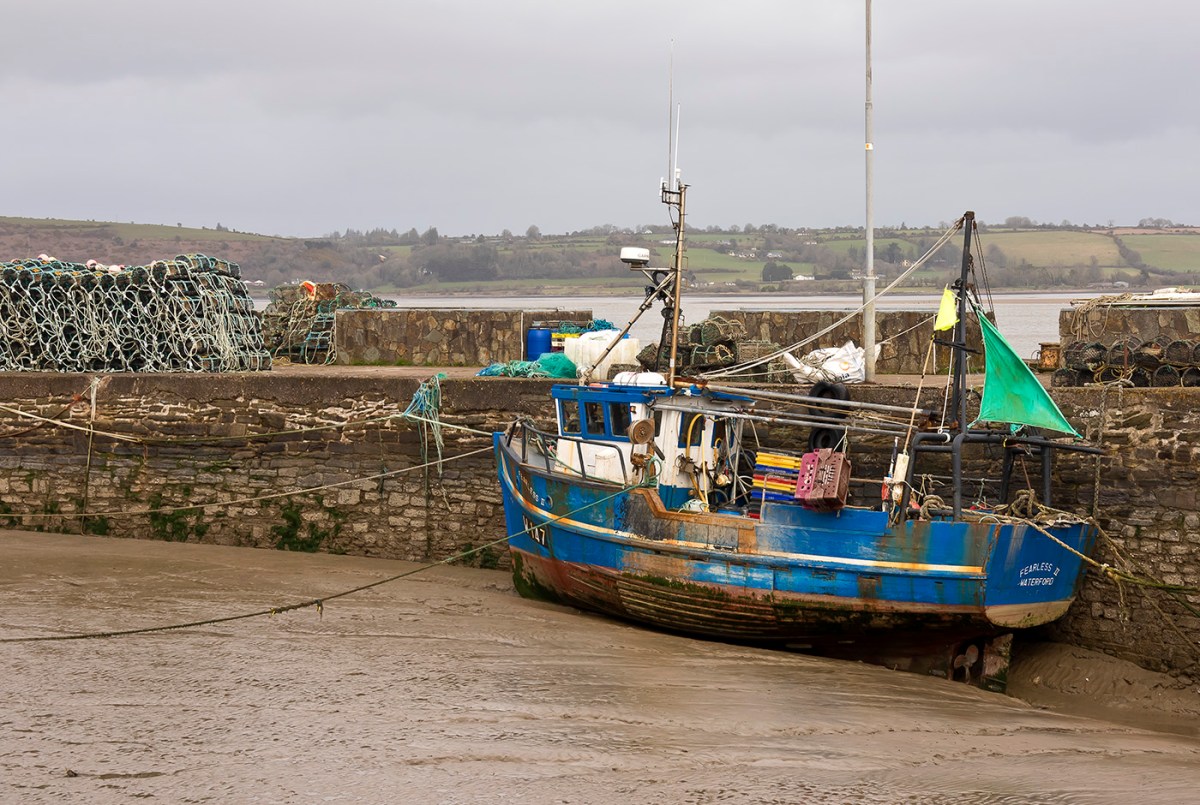
Lobster boat
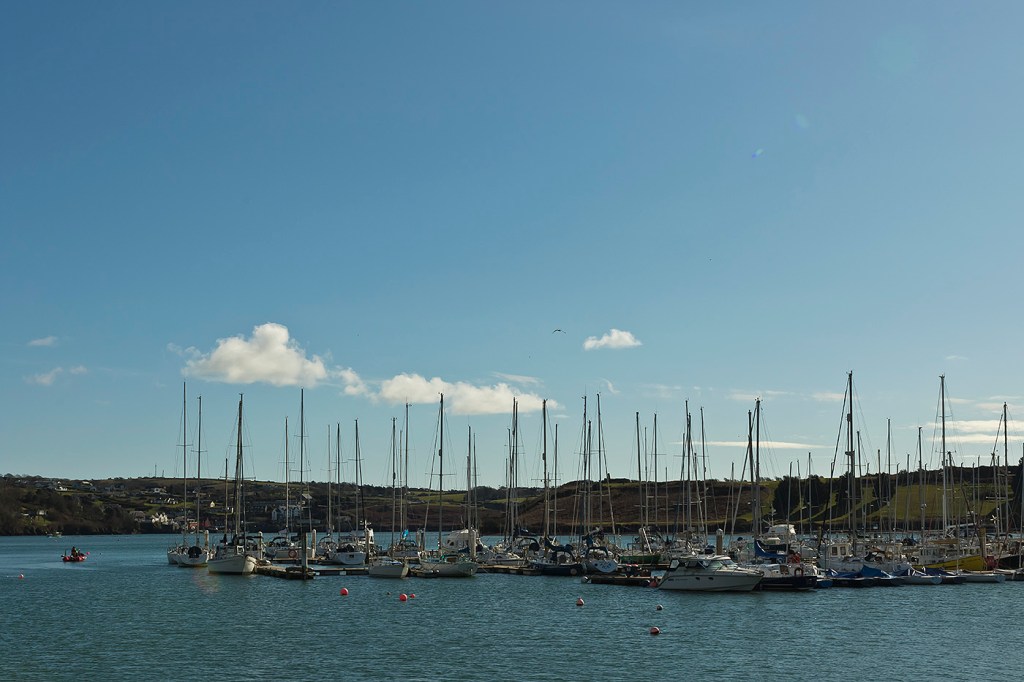
Kinsale harbor from The Ramparts

We had fantastic skies most of the day.

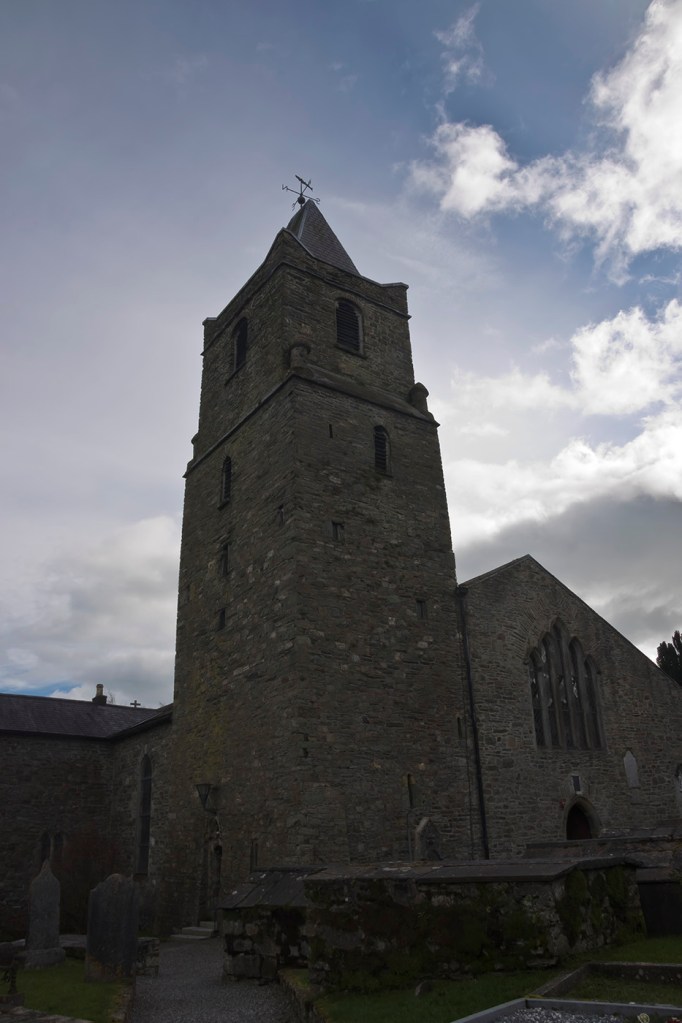
Like most Irish towns, Kinsale has old churches and castles, not to mention some old pubs. Not all of them were opened on our visit, though.

St. Multose, Church of Ireland
Some people think that’s the best kind
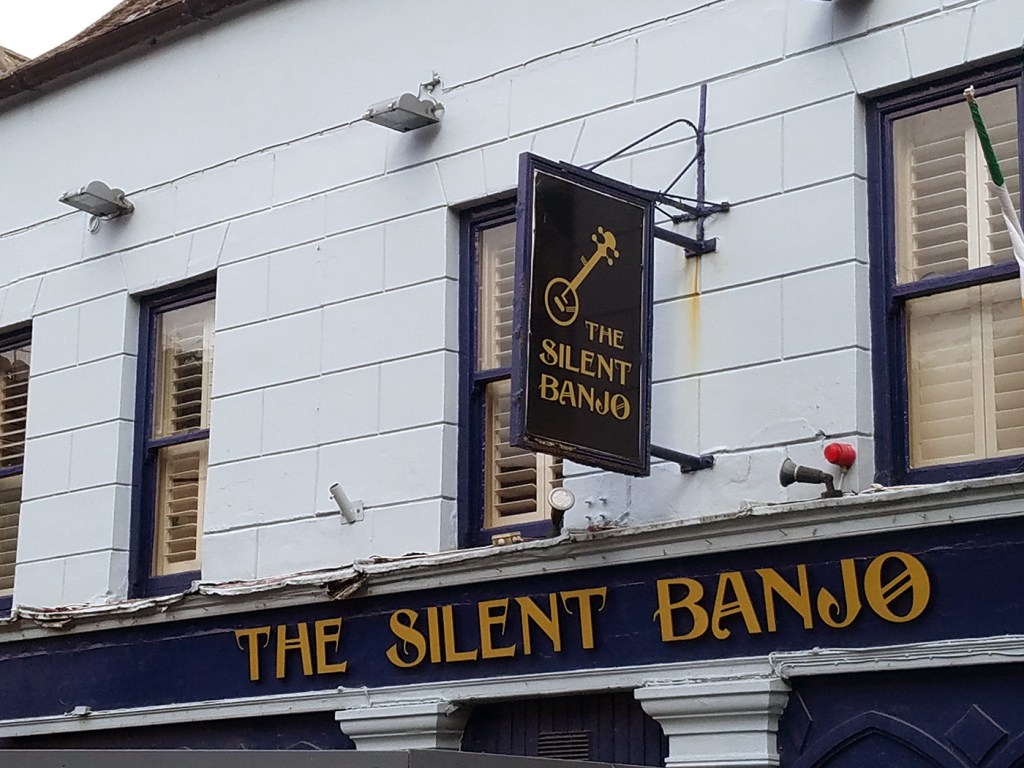
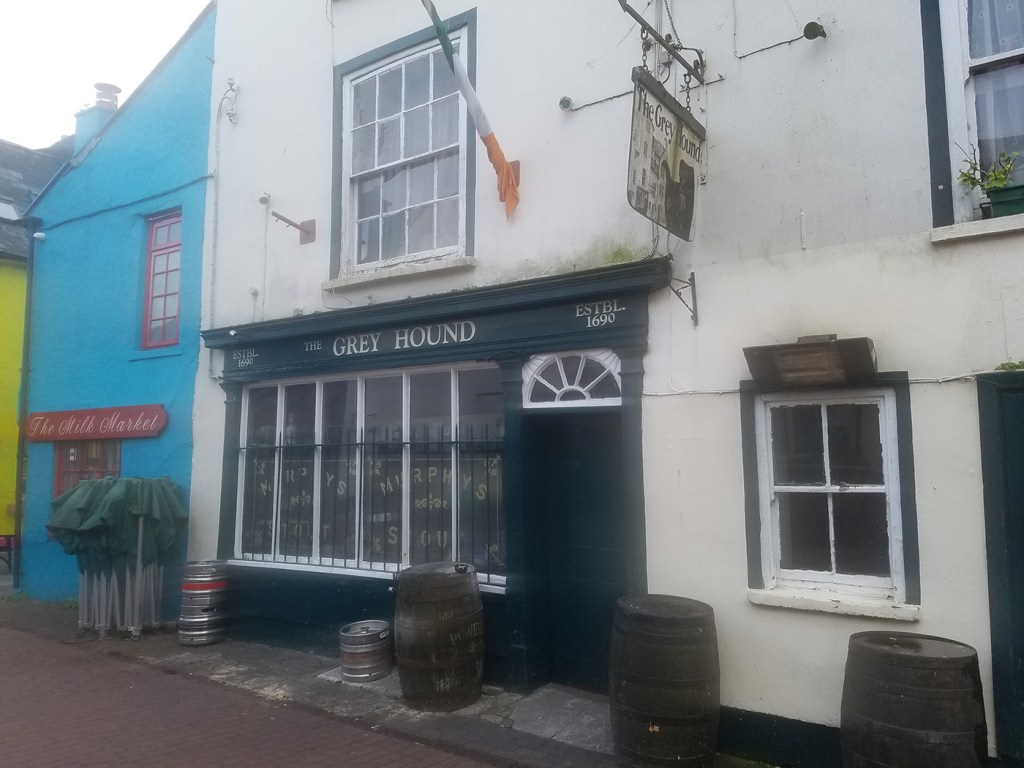
Your basic 330 year old pub, sadly, not open for business this early in the day

Houses and house names in Kinsale seemed to me to exhibit more of a sense of humor than some of the others I’ve seen.

I understand you need a special invitation to spend the night here
Nobody knows what goes on behind this one

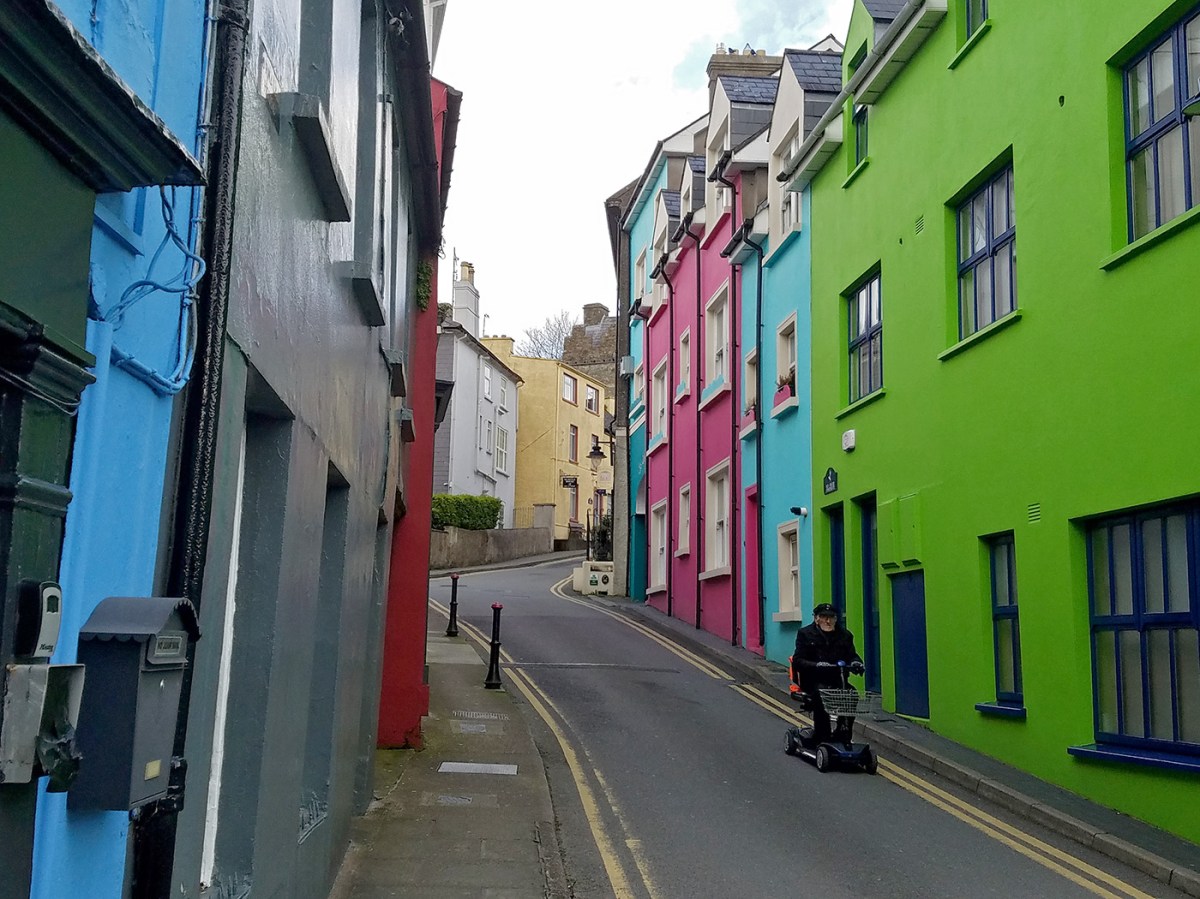
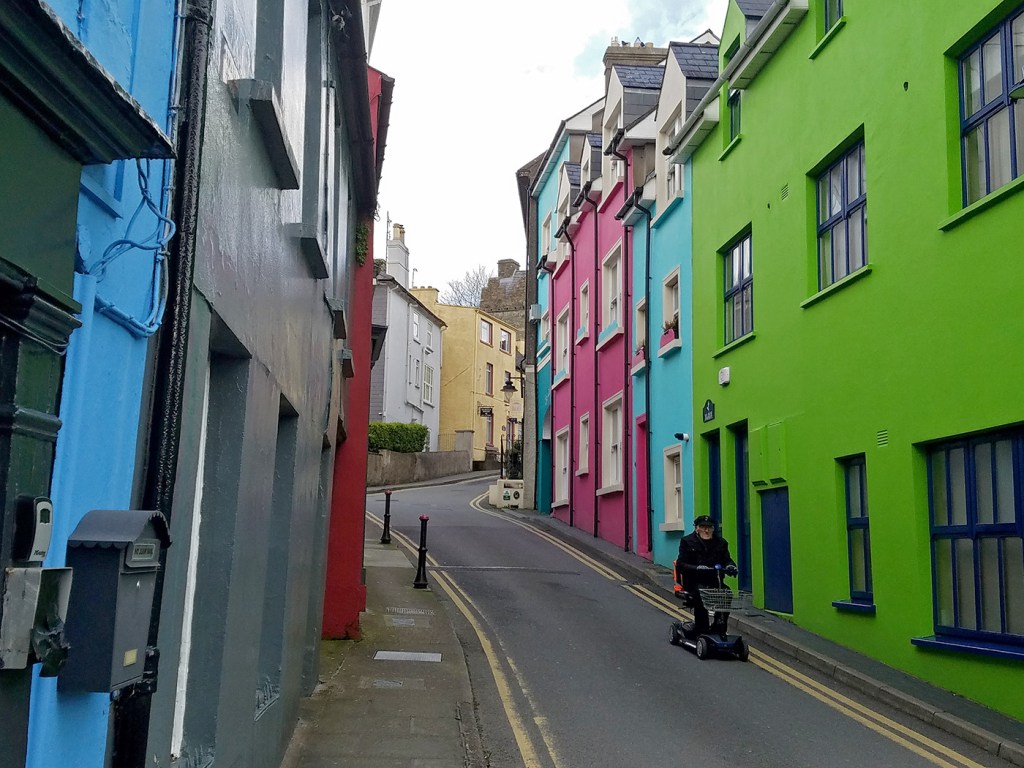
And just an amazing little street that we happened to turn up on our walk.

I’m hoping we’ll get another opportunity to go back and spend some more time in Kinsale before the month is out.

Categories
Buses Ireland Ring of Kerry Traveling

Ring of Kerry

We’ve been busy again for the past week. Blarney, Crosshaven, the Ring of Kerry, and Kinsale on alternating days. Fewer than 4 weeks remain until we leave Cork, and make our way to Portugal and Spain. We’ll spend one of those weekends in Dublin, and another in Paris, external conditions allowing.
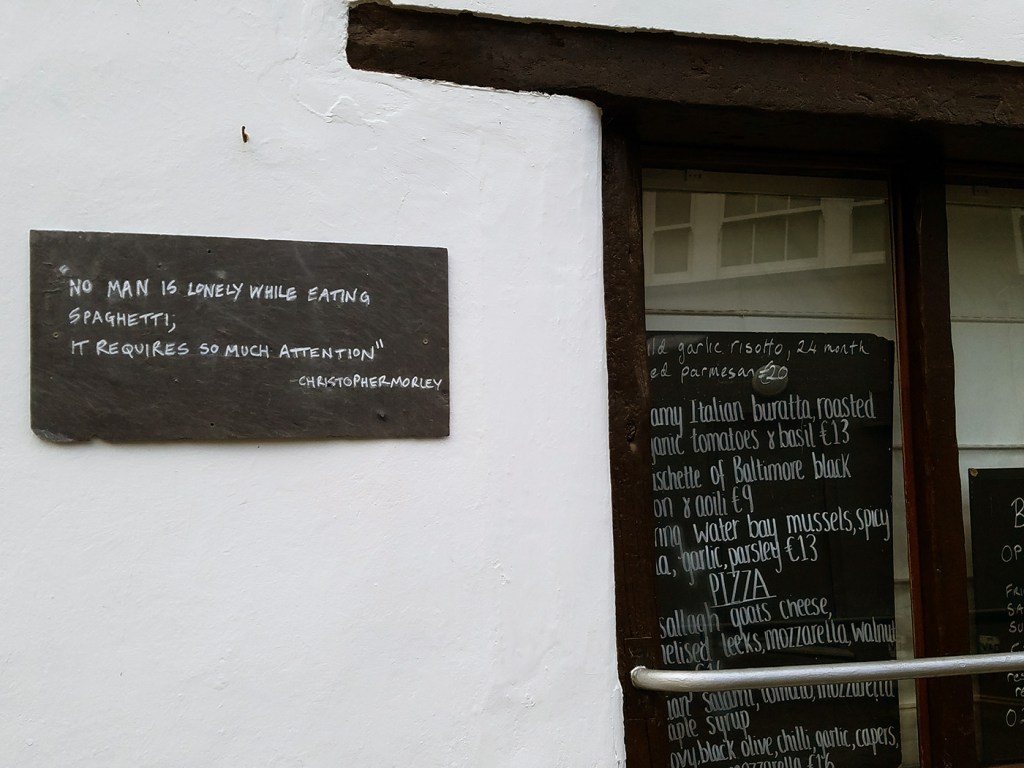
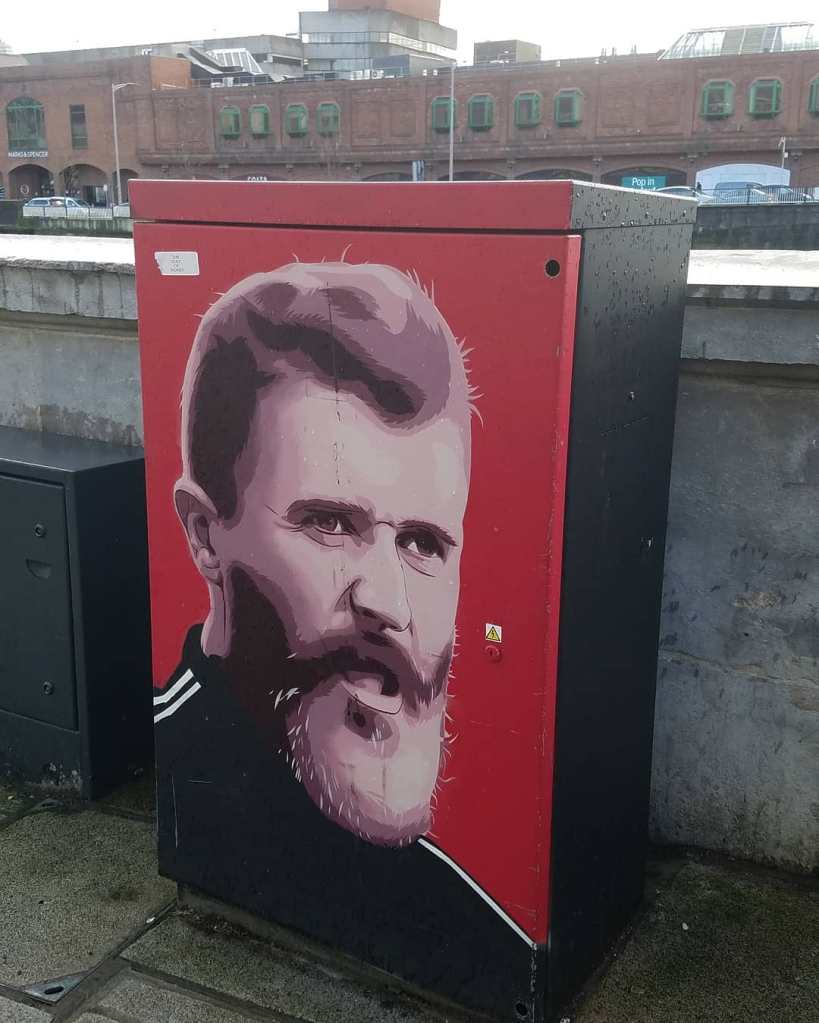
Although most of our time here is spent on quotidian affairs, we’re not averse to being tourists when the occasion warrants. Earlier this week we hopped a tour bus and went round the Ring of Kerry. The bus departs about 6 blocks from our apartment, and this guy saw us off.

Passed through a couple of small towns on the way from Cork to Killarney, where we picked up a couple of additional passengers. Of those, I thought Macroom might be worth a standalone visit in the next couple of weeks.

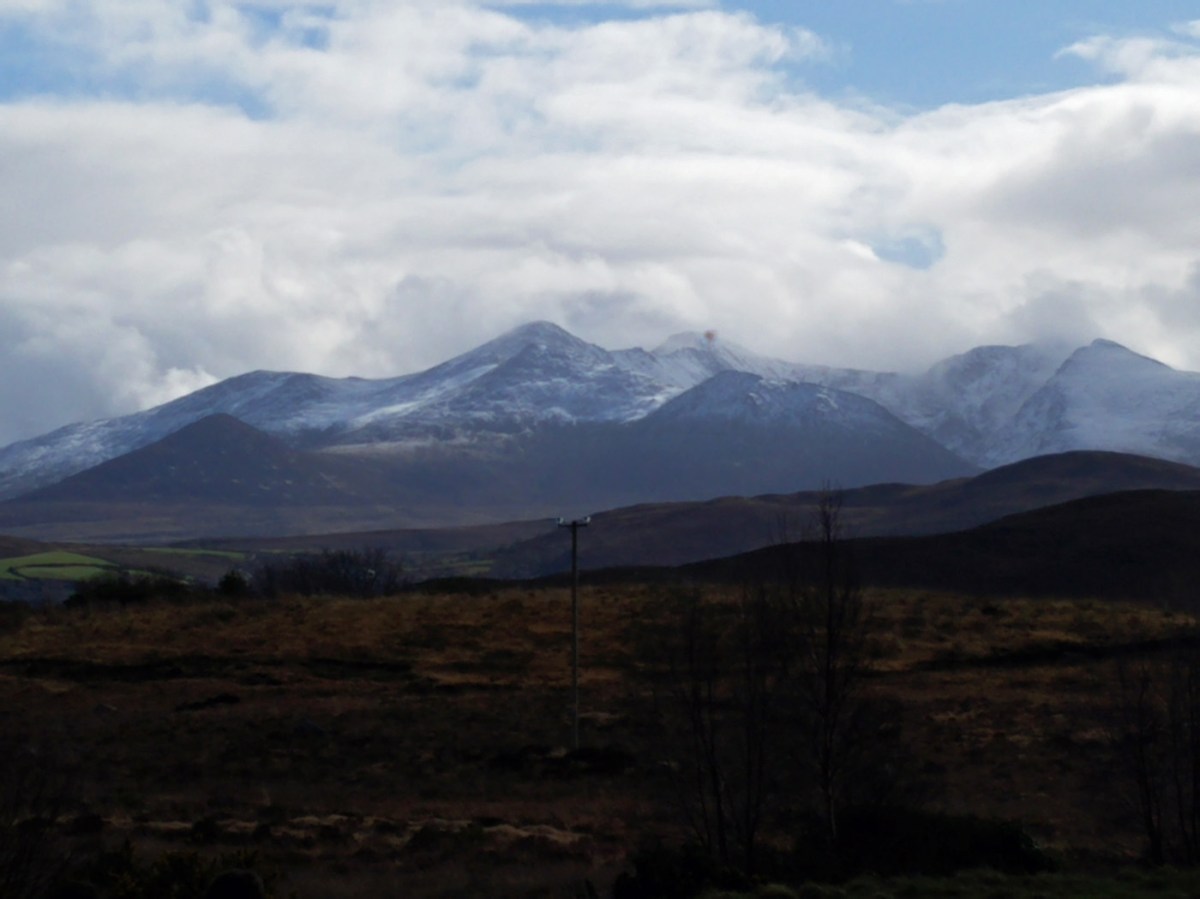
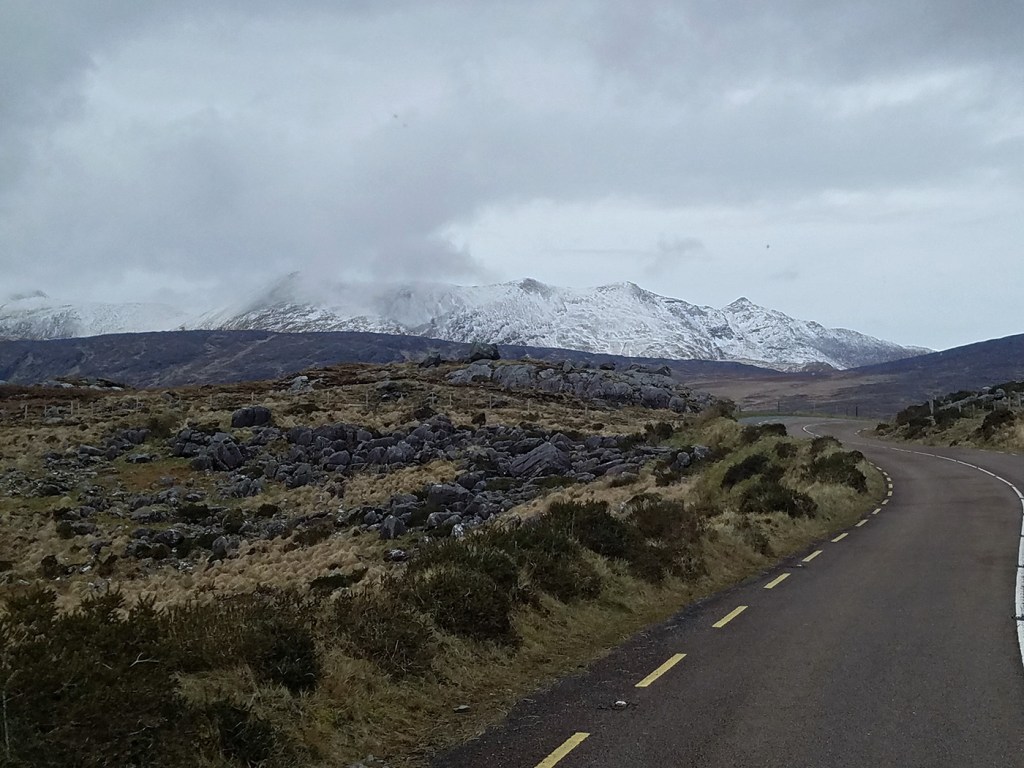
Killarney was picturesque in theme park kind of way. The scone i had there was disappointing, though. Bland and bready. (Don’t worry, the one I had later in the week at the Poet’s Corner in Kinsale made up for it.) But on the way, we passed the far-famed Cork and Kerry Mountains, where once upon a time a young highwayman robbed the English Captain Farrell, and all whack for the daddyo broke out.

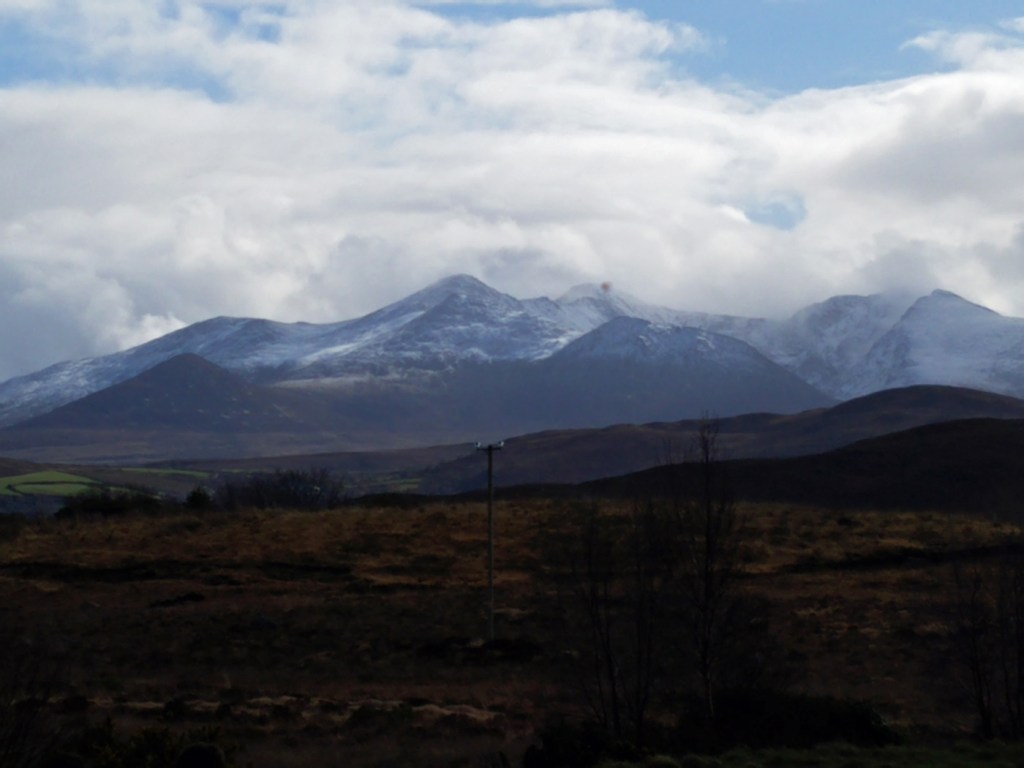
I like the sight of snow, off in the distance.

The advantage of touring the Ring in early March is that we were virtually the only tour bus on the road. I hear that during the summer months it can be bumper to bumper with them. So not only are the roads more pleasant to be on, but the stops are empty as well, which means more time to enjoy them.

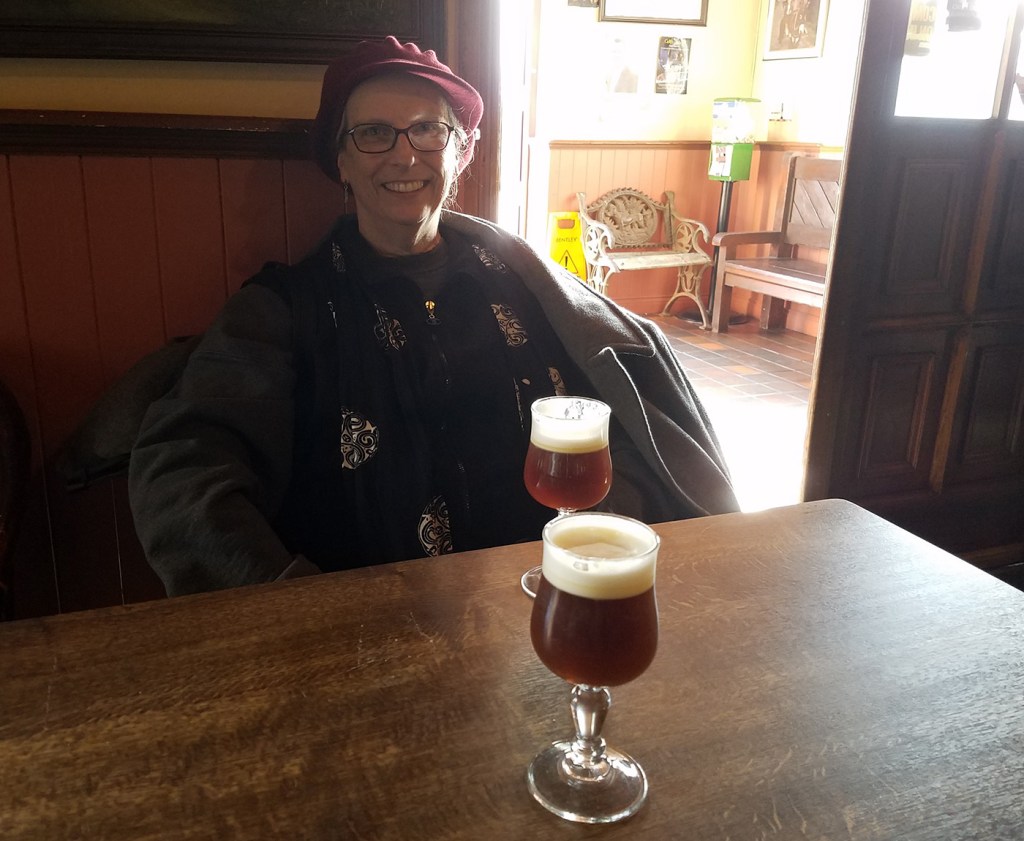
Irish coffee at the Red Fox.

Glenbeigh is the first, strictly photo opportunity stop of the tour. I took advantage.

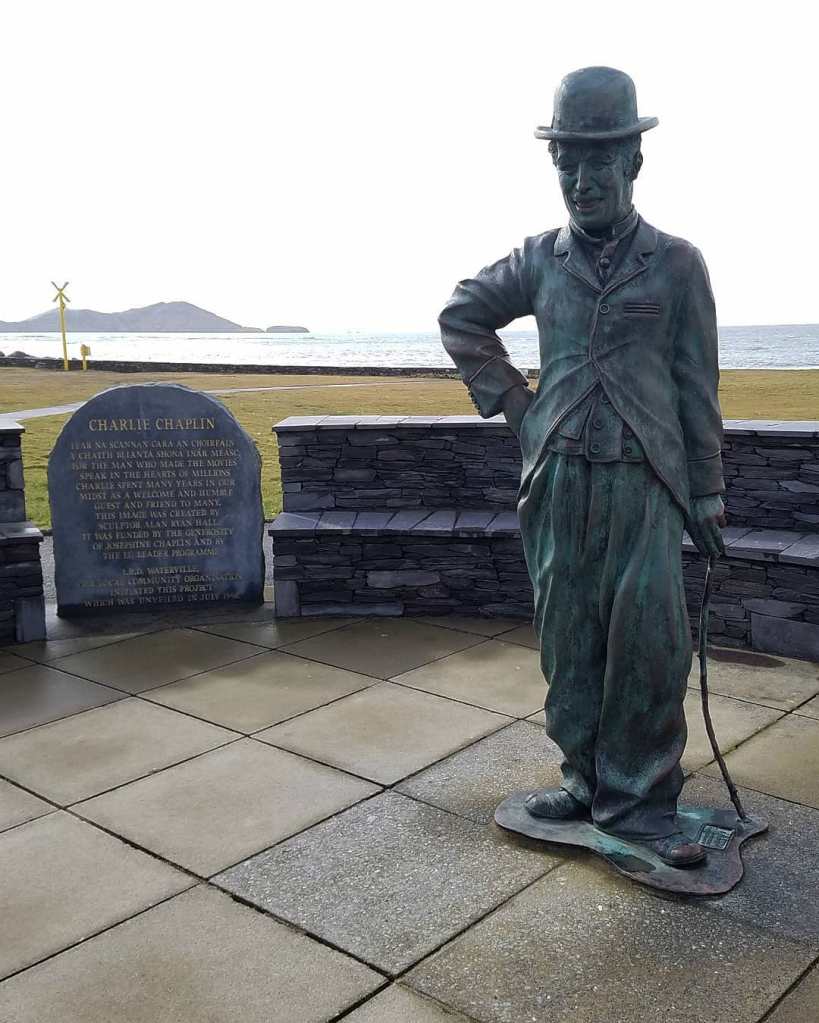
We also stopped for lunch in Waterville, where Charlie Chaplin had a house for much of his life. It’s now owned by one of the local golf clubs, and for a super premium price, you and your group can stay there for a couple of nights while you play some of the local courses. They also honor Chaplin with a film festival and look-alike contest. Our bus driver told us that towards the end of his life, Chaplin entered the contest, and placed 12th. I have my doubts.

More art in Waterville

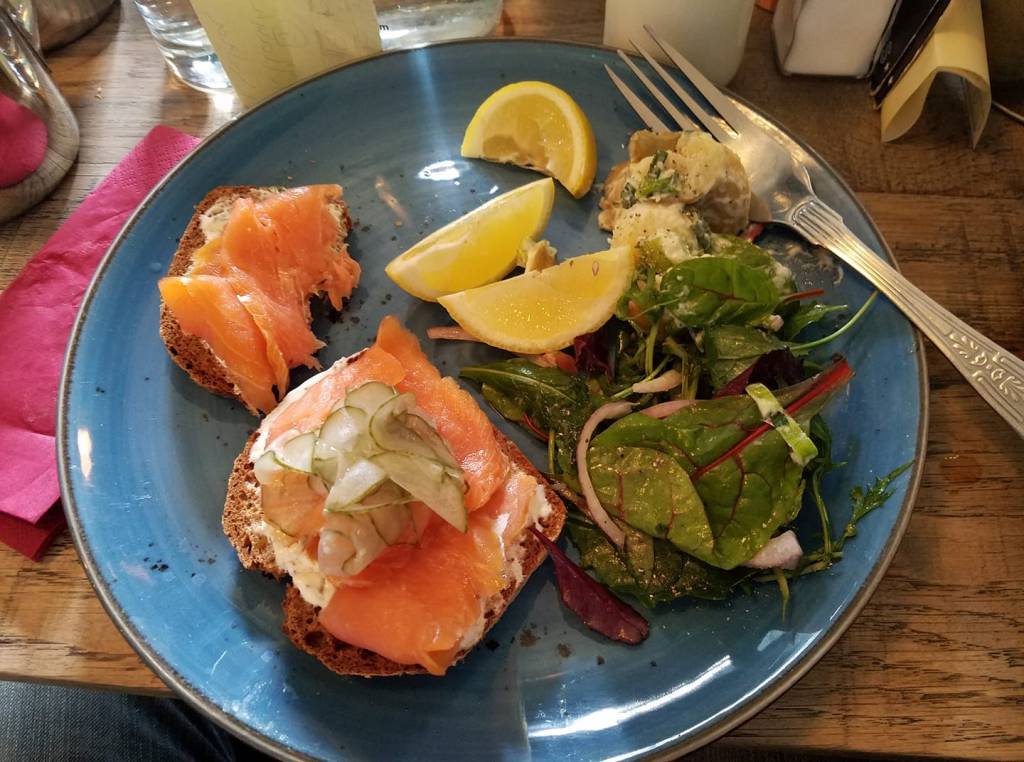
We also had a pretty nice lunch at The Lobster, which was one of the few restaurants open on a weekday this time of year. I’m finding the Irish know how to smoke a salmon.
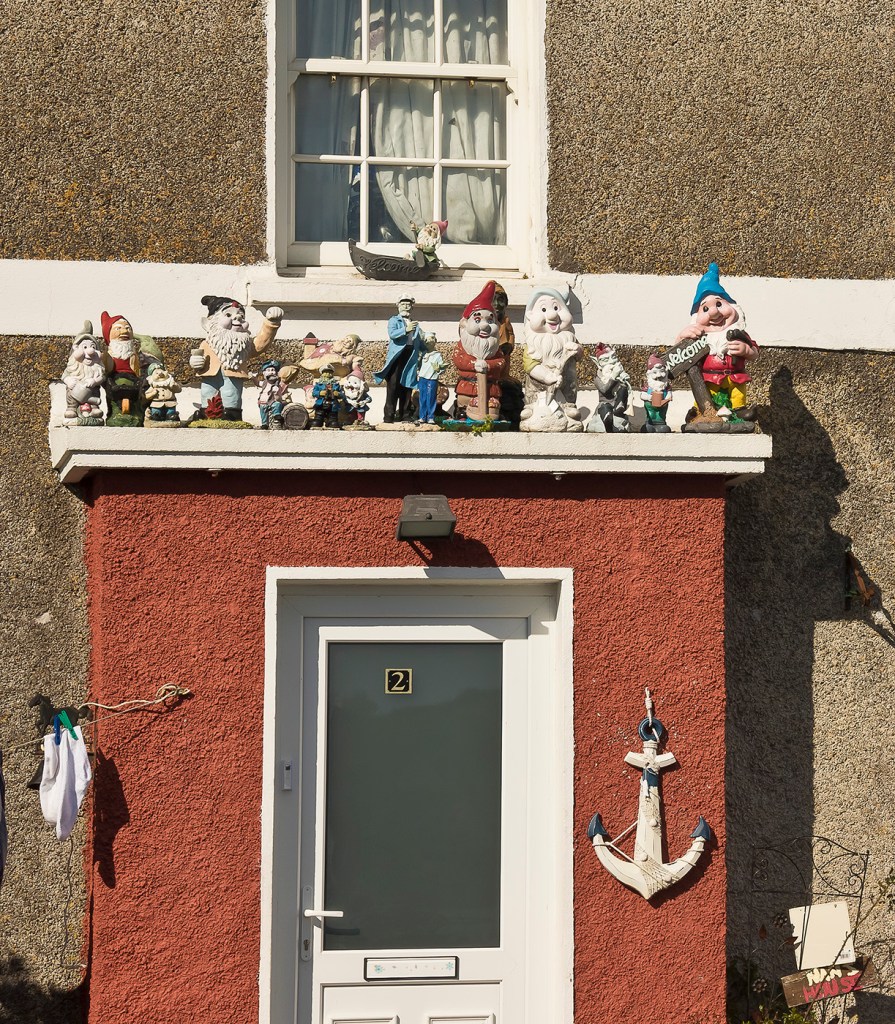
After lunch, we had another photo opportunity in Castlecove. I took advantage again.
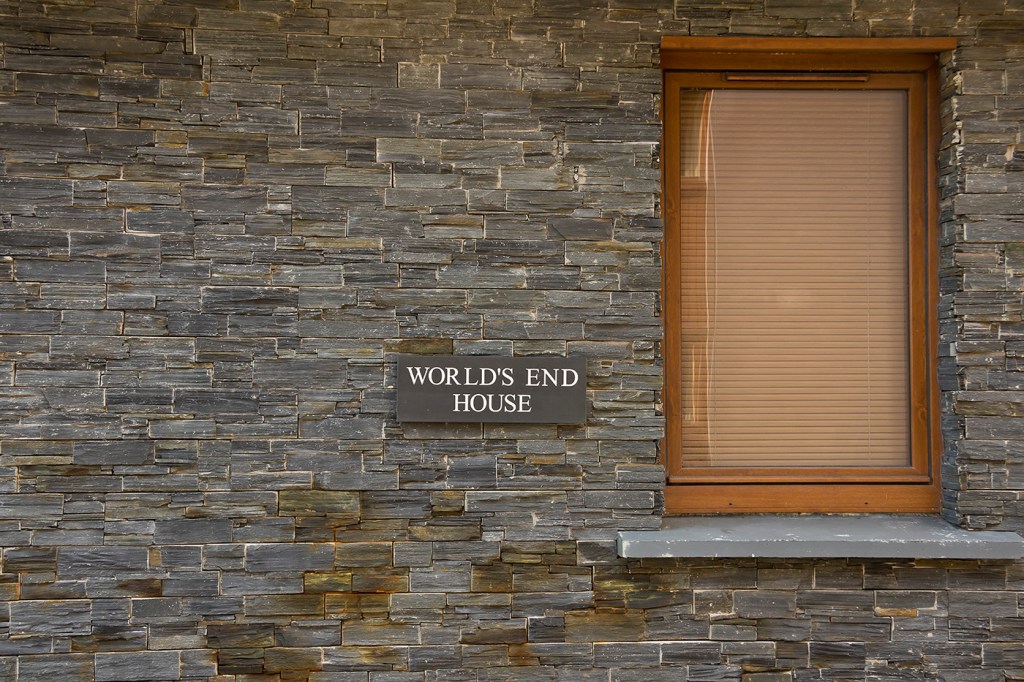
Our next stop was in the charmingly named village of Sneem, where I’m sure that J.R.R. Tolkien must have spent at least one night of his life. We bought some post cards, which gives me the chance to remind you that if you’d like a postcard from us on our travels, you can email me your postal address at corkspringblog at gmail dot com, and I’ll get one out to you.

We were detoured on our return to Killarney by a road closure, so we didn’t get an opportunity to pass through Killarney National Park, nor to see the Torc Waterfall. We did get to stop for a bit at the road closure, and chat with some of the locals, who were curious about us since they don’t seem to get many visitors.

And then we were home. Next post – Kinsale.

Categories
Buses Crosshaven Ireland

Crosshaven

Days slip past easily in Cork. We’re exploring something new almost daily, and, when we’re not, we’re recovering from our explorations. Sunday, mostly on the recommendation of some folks we’ve met here, we took the bus down to Crosshaven. Tuesday we put on our tourist hats and took a bus around the ring of Kerry. Today’s been a successful day of errands, including repairing a camera lens, printing out some travel documents, tracking down hard to find vitamins, and topping up our mobile plan.
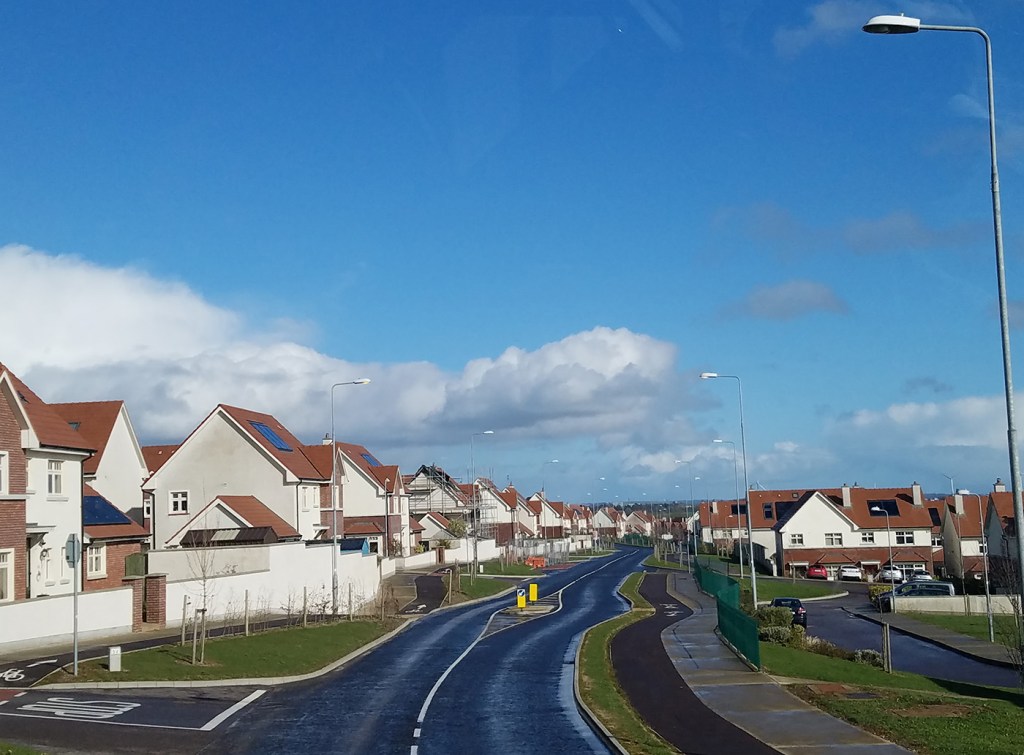
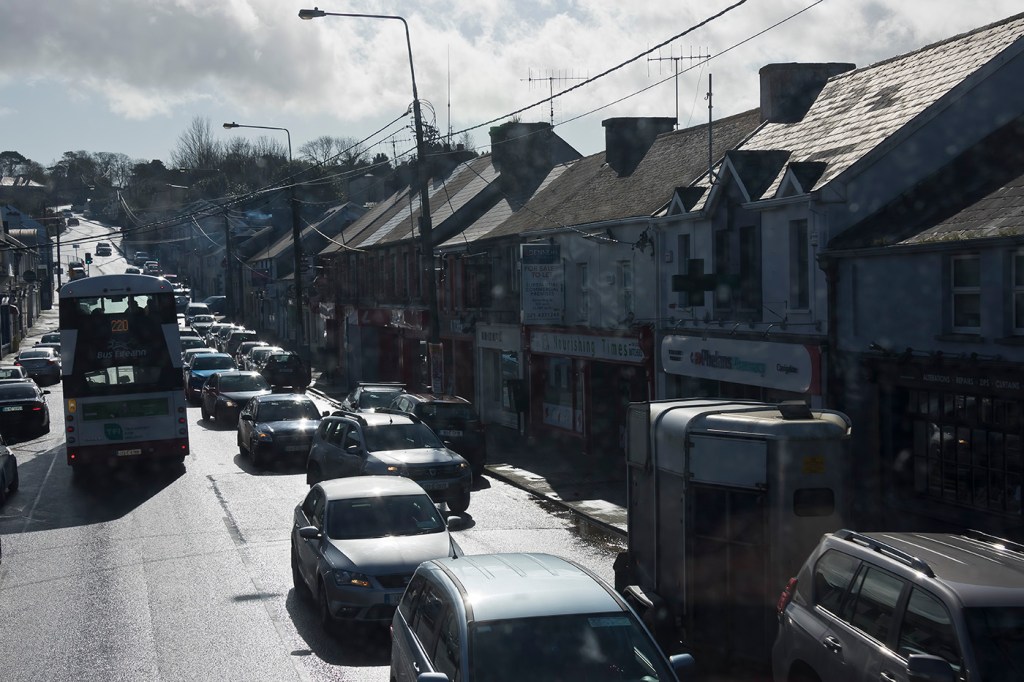
Here’s a little bit from our Sunday trip. Crosshaven was our longest ride on Bus Eirann so far, about 45 minutes from town. We passed the first 1960s syle car based suburb of the trip, outside of Carrigaline. As a friend back home pointed out, it’s still got narrow lanes, bike lanes, and sidewalks, but it’s also not a convenient bus ride or walk to shopping. As a result, the roads get pretty congested, especially during rush hours. Old town Carrigaline, on the other hand, was charming, but congested. Of course, i made the expected joke about catching the 220 bus on our next trip. Whatever it takes.

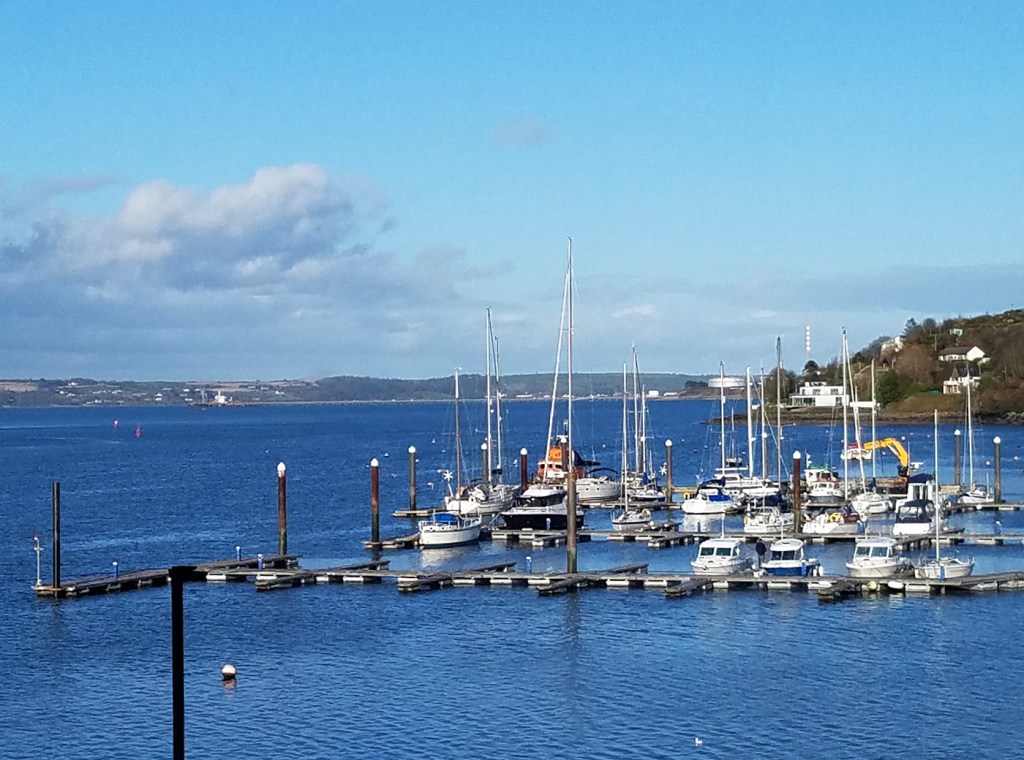
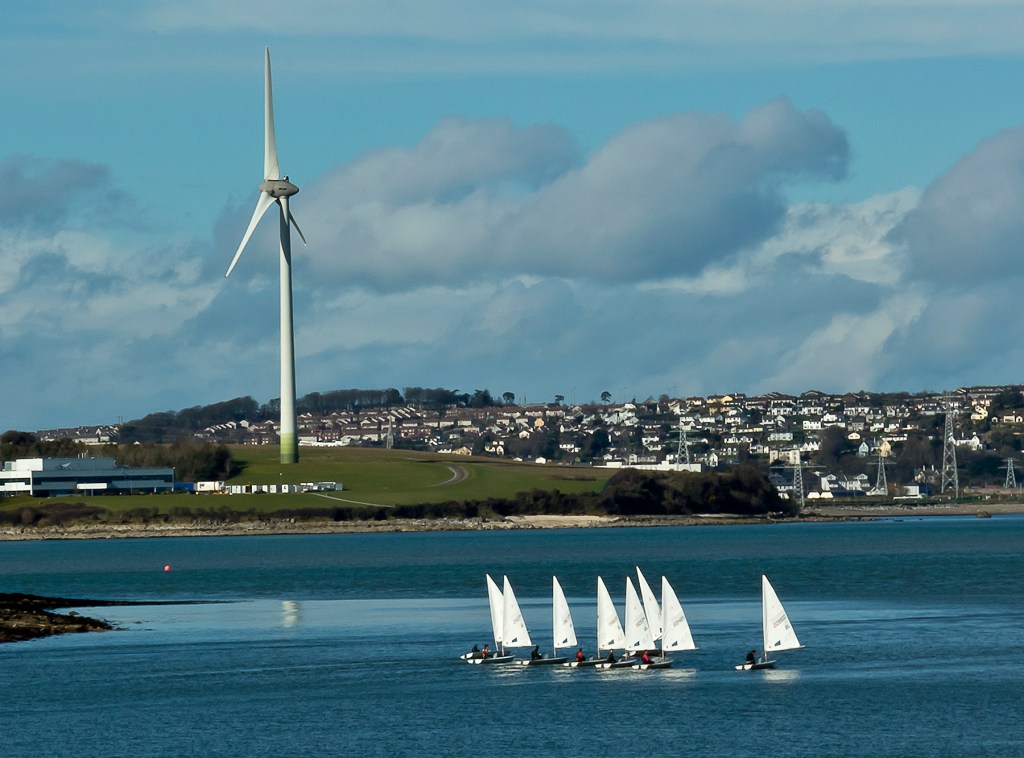
But, you go to Crosshaven for the harbor views, and they are worth the trip.

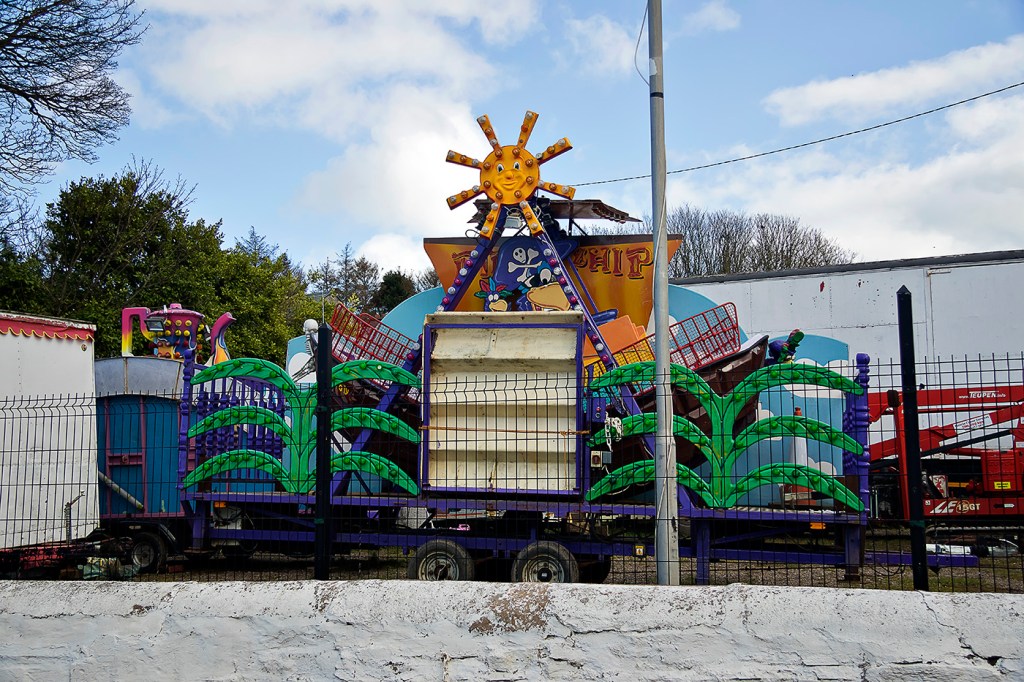
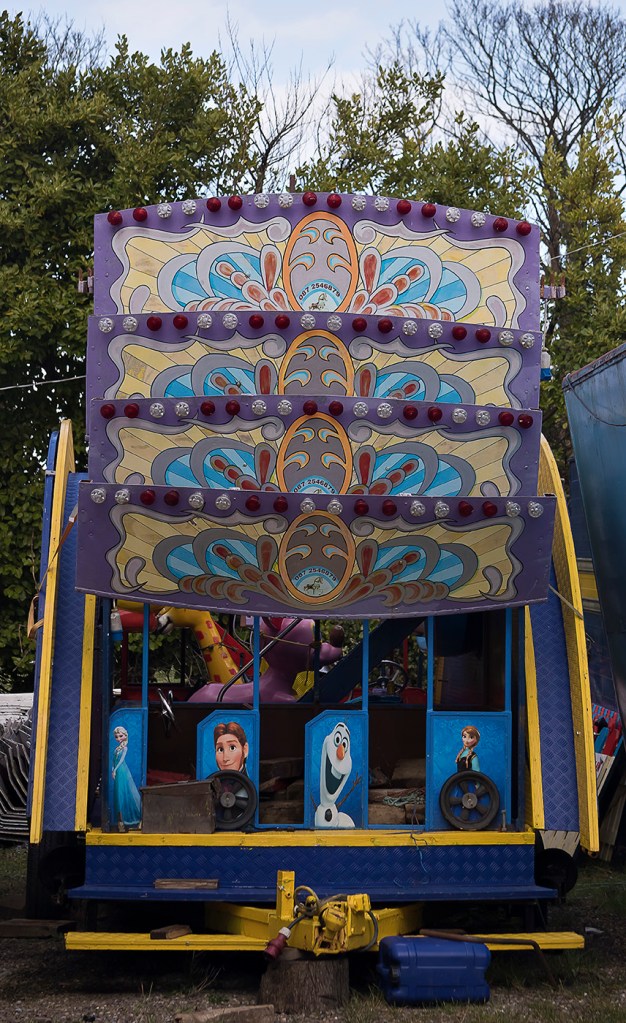
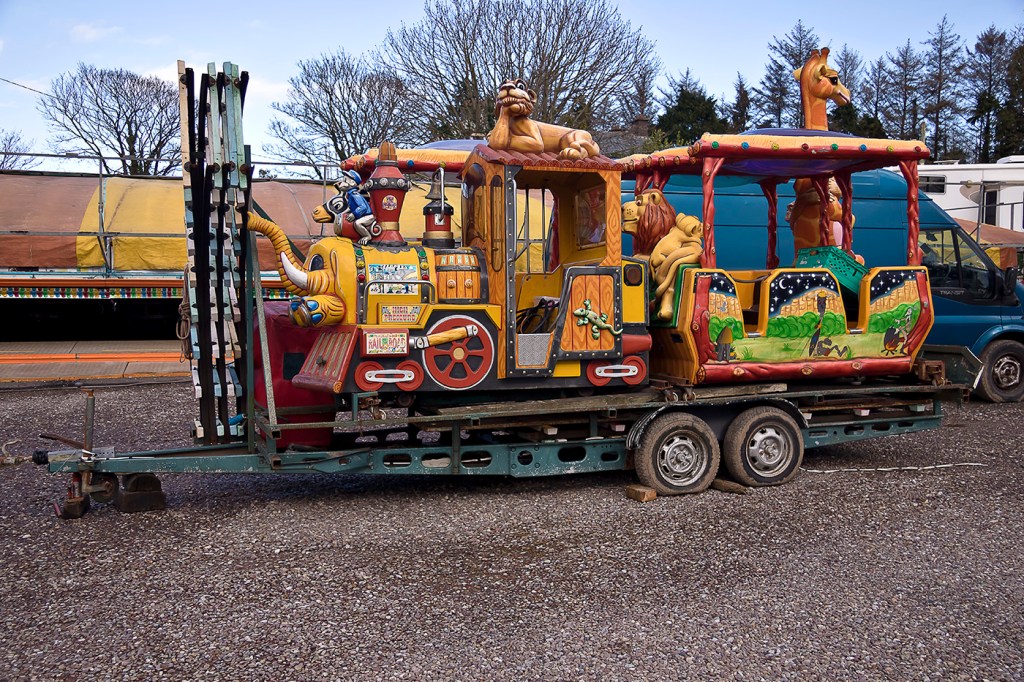
I assume the outdoor section of the arcade/amusement park is operational in season, but there’s something about on in the off-season that fascinates me. Occasionally, we visit the Jefferson Pools, in Bath County, Virginia. Across the road, is the Warm Springs Inn. The Inn was run, and may still be, it’s been a few years since we’ve been there as the Pools have been closed for renovations for a while, by a couple who have traveled with various carnivals. They kept some rides and stuff behind the inn, and I loved walking around back there.

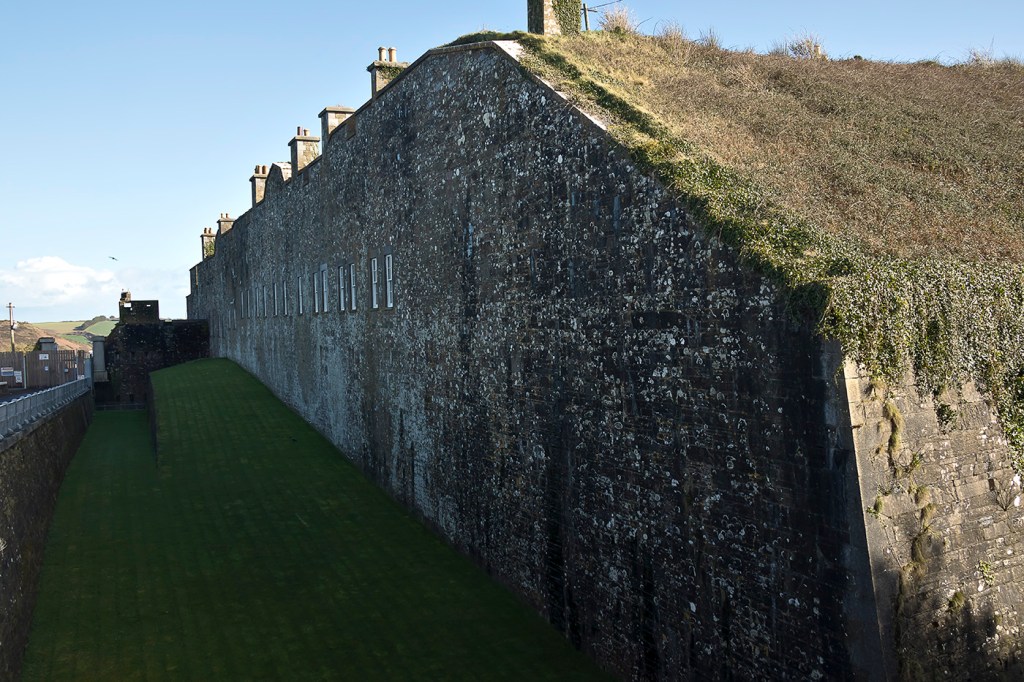
We climbed to the top of the hill behind the town, where Camden Fort Meagher sits adjacent to the GAA fields. It was closed for the season as well. We’d been told that the far side of the peninsula, Church Bay, was the really pretty part. Sadly, we weren’t up to the extra mile or so of trekking, as it would have meant a long hike back up the hill. Maybe next time.

Categories
Cork City Ireland

One Month, Part Two

I mentioned that we’d tried to anticipate all the things that could go wrong on a lengthy trip and prepare for them. Obviously we couldn’t predict a global pandemic, but we did pay for most everything using cards that provide travel insurance, and we bought pretty comprehensive health insurance at a surprisingly reasonable price with a very low deductible. So, yay us. It’ll be very disappointing if our little side trips to Dublin and Paris later in the month have to be cancelled, or worse, our 3 weeks in Portugal in April, but we’ll deal with that if it happens.

Neither could we have predicted a stock market crash, whose ramifications on our savings we’ll have to deal with on our return. But again, much of the trip was paid off in advance, we live pretty frugally, and our budget so far is unaffected.

But hey, on to our trip so far.

Our apartment here in town is possibly the best location available. This past Saturday, for instance, we walked to a farmers market, fancy gourmet shop, 3 supermarkets, and the English Market to pick up food, dry goods, and booze. For the most part, fruits and vegetables (or veg, in the local vernacular) are cheaper than back home, often significantly so. Avocados right now are about 70 cents each. Red & yellow bell peppers similarly priced. Potatoes around 50 cents/lb ($1.20/kilo). Kerrygold butter is roughly $3.00/lb; other brands of Irish butter are much less, and just as good.

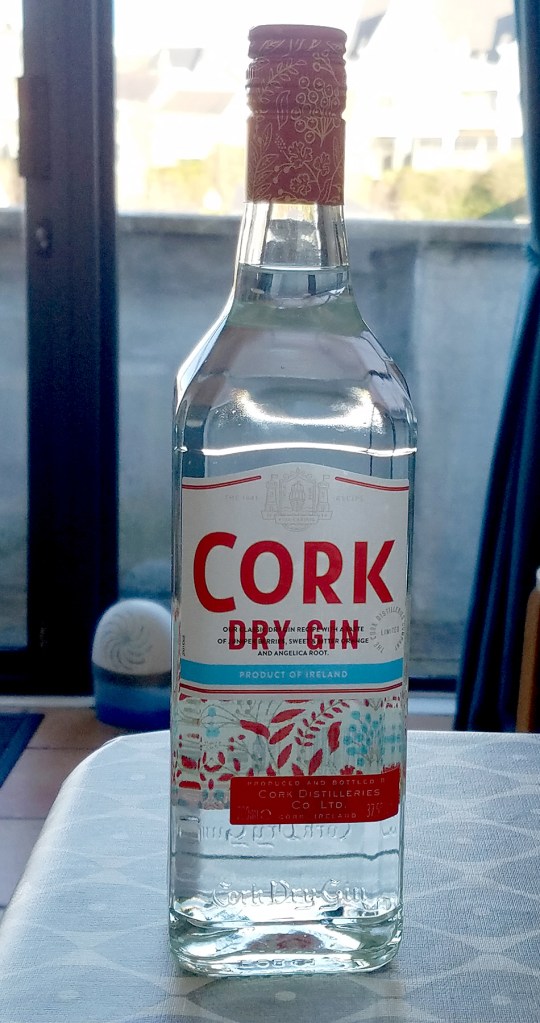
On the other hand, booze is quite expensive. Standard size bottle is 700 ml, so about 8% smaller than US bottles. This local gin, one of the least expensive, is a little over $25.

On the other hand, the generic Indian tonic water at Tesco is comparable to any of the craft tonic waters that have sprung up in the States, and it’s a quarter a liter.

So, eating and drinking in the apartment, which we do maybe half the time, is probably cheaper than back home. And the streaky rashers i bought the other day at The English Market for under $3/lb were better than any bacon i’ve had in the US in a good long while.

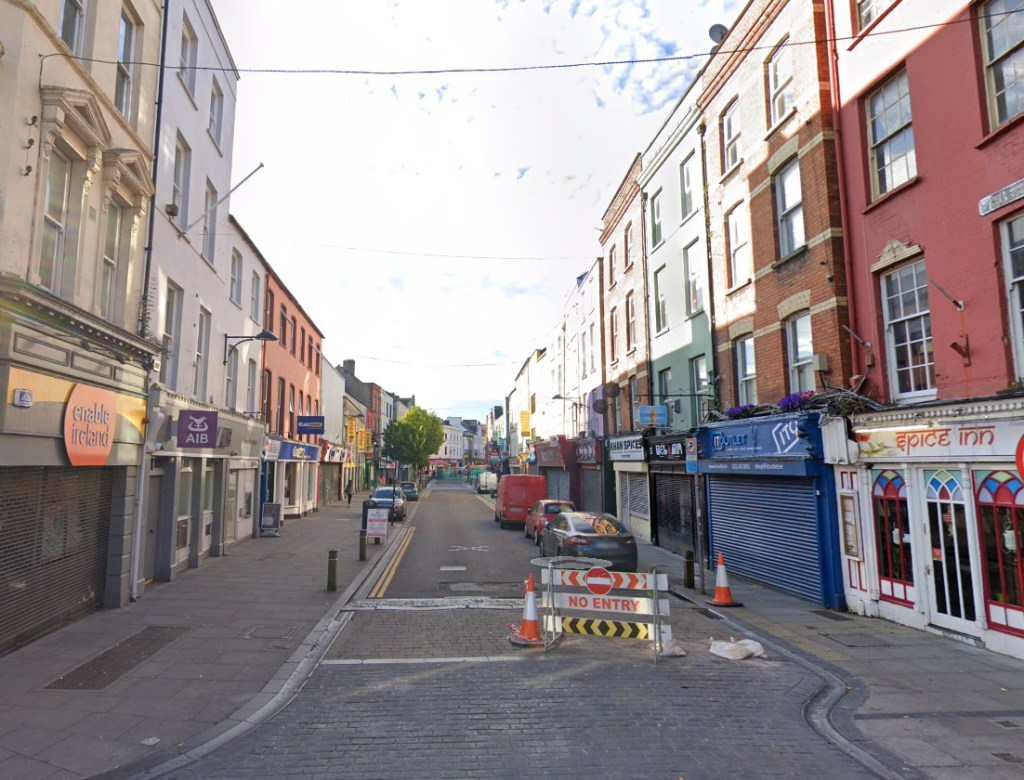
This is the view down our block, probably taken on a Sunday morning last fall. There’s Indian, Malaysian, kebabs, pizza, and tacos within two blocks. Two further blocks, and more pub food than i can count. We’ve ended up with The Silly Goose as our local – they have a Wings and Pint special for 10 Euro, which includes essentially a full order of pretty decent wings.

Looking south on Main Street, a block or two from our apartment.
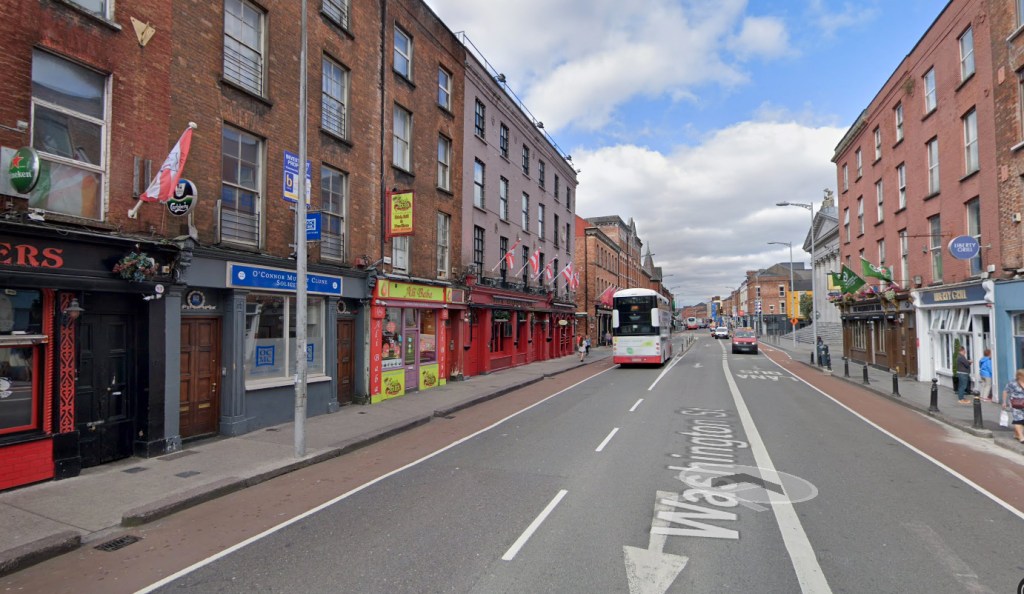
The beginning of “Pub Row” on Washington Street, 4 blocks from our apartment.

The bartenders and cook at the Goose all remembered our names the second time we went in, always a good sign. Barry, in the kitchen, took the time to fill us in on some local scenic spots off the tourist trail. We got to visit Crosshaven yesterday on his suggestion.

Chris runs a small gaming cafe called Tabletop about 3 blocks away. We’ve spent a few rainy afternoons there our first month, learning a few new games (Unearth and 7 Wonders, if you’re curious.)

Jack and Leon behind the bar at The Old Town Whiskey Bar provided us with an extensive history lesson of Irish distilling, and a wide range of whiskeys to taste a couple of weeks ago.

We’ve been out to the theater twice so far. The Everyman is a larger, and more ornate room that seats about 600 people. The production we saw there, A Holy Show, is based on a real event, when an Aer Lingus flight was hijacked by an ex-monk, and spent 7 tense hours on the tarmac in Paris. We also went to the Cork Arts Theatre, a more intimate venue, to see a production of The Parish. The funny story about that night is we showed up without tickets, only to learn that the show was sold out. But it was pouring rain outside, so we chatted with the box office attendant for a bit before heading back outside to continue our night. Before we left, the manager came by, and said he had gotten a call from a patron who had two extra tickets that she wasn’t going to use. He gave us her phone number (!), Claire called her, and we met in the lobby a few minutes before curtain and acquired tickets. Theresa turned out to be a charming lady, and after we met her sister and brother-in-law, i said to Claire that he had clearly been to Blarney and kissed the stone. Both plays were two person productions, with each actor playing multiple parts. The Parish was written pretty much about rural County Cork, so there were a lot of local references that went right over our heads. But funny people are funny, no matter the specificities, and we enjoyed it very much.

We’ve also fallen in with a science fiction/fantasy reading group. In February, we read the short novel This is How You Lose The Time War, and the dozen or so of us had a lively and wide-ranging two hour discussion over a few pints. For March, we’re slogging through Neal Stephenson’s ridiculously long Seveneves, about which i’ve shared some thoughts on Facebook previously. Let’s just say that, having finished this thing, i don’t have any greater opinion of it. Should be a fun group next week.

More regular photo blogging to come this week. Thanks for following along!

Categories
Athlone Black Rock Castle Cork City Douglas Ireland Midleton

One Month, Part One

We left Durham on the morning of 29 January, passingthrough Philadelphia on the way to Dublin, where we arrived after the overnight flight on the morning of the 30th. Rented a car in Dublin and drove through Kildare to Athlone, where we spent a few nights in the town of Claire’s grandfather’s last Irish residence.

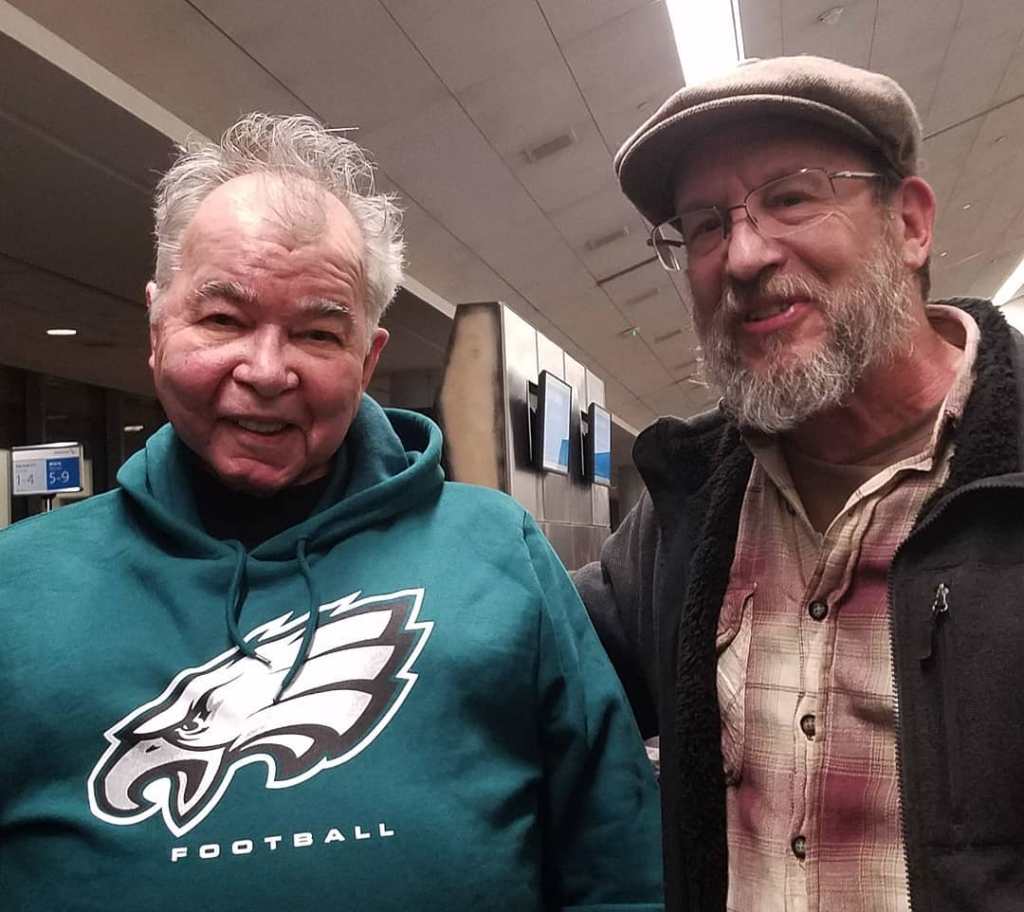
The trip got off to an auspicious start, as we shared our flight with the legendary John Prine.

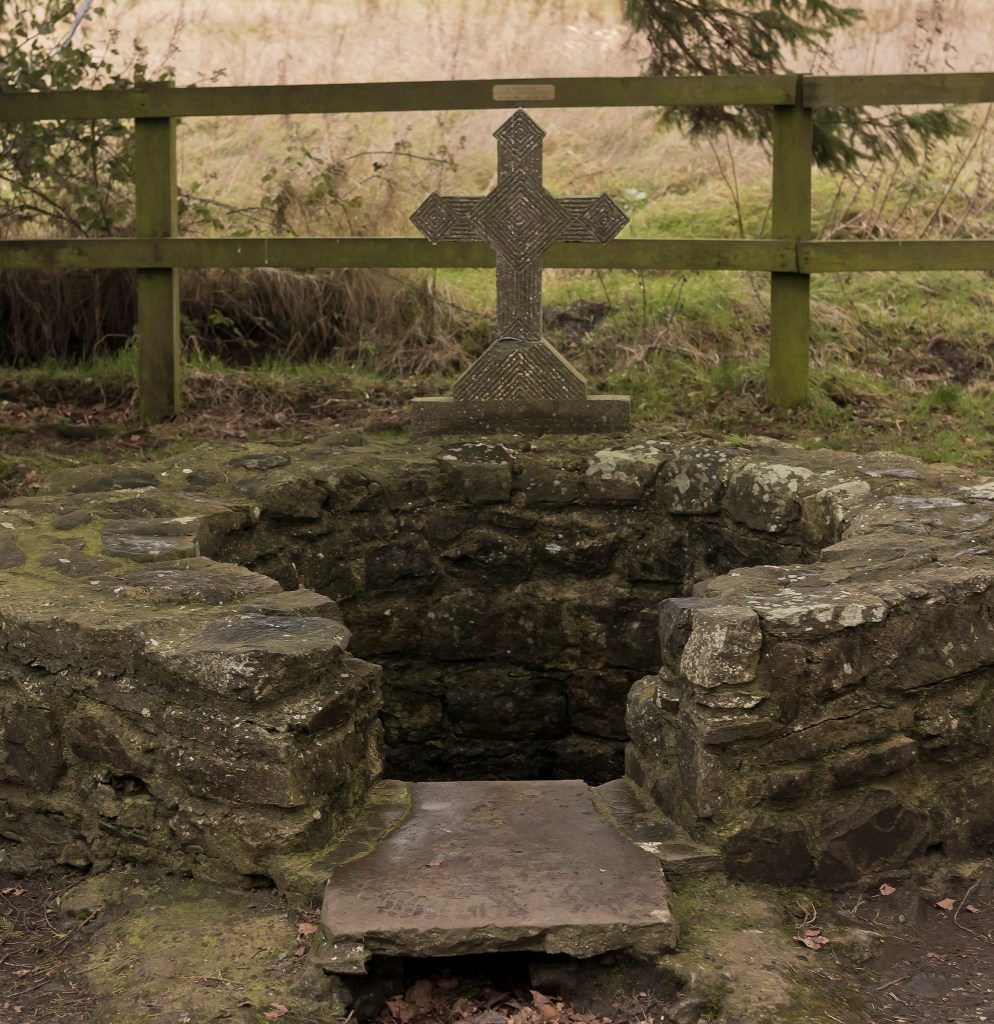
We also stopped at St. Brigid’s Well, one of several sites to share that name, in Kildare. St. Brigid’s Day, 1 February, is supposedly the second most observed saint’s day in Ireland, but we saw very little of that when we arrived in Cork on the first.

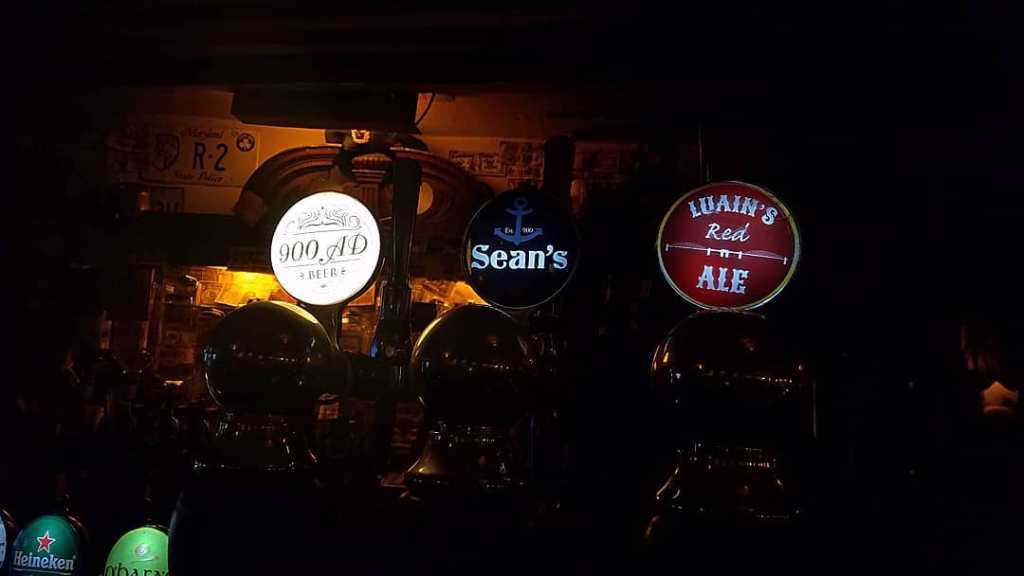
We drank some of Sean’s whiskey and ale, from the oldest pub in Ireland, and probably in Europe, dating back to the year 900 AD.

All of that was prep for our 60 day stay in Cork City, which we are halfway through. Good time to take stock.

Before we left North Carolina, we went through what we thought was a comprehensive checklist of things that could go wrong, and prepared as well as we could. We hired an arborist to to evaluate and take down trees which might threaten the house, and tried, though unsuccessfully, to eliminate the intermittent failures in the fridge. The workaround appears to have taken, though, so we’ll deal with that on our return.

Our main concerns in Ireland were for the weather and the exchange rate. We have no control over either, of course, other than to prepare. Our rain gear has worked out. That’s good news, as Cork received roughly twice as much rain this February as in any previous. It’s been colder than anticipated, but still above freezing on even the coldest nights. Even on our arrival, the sun was setting at 6, so that wasn’t much of an issue. I guess we’re pretty far west in the time zone, because the first week we were here it wasn’t getting light until 8:30 or so. But now, three weeks out from the equinox, it’s getting light before 8, and staying light until nearly 7.

The first crescent of the new moon and Venus have been dancing together a few nights each month after sunset. We have a great view of the western sky from our balcony. Unfortunately, the weather has not cooperated, and i’ve missed out on catching any good photos. Should get one more chance in 26 days just before we leave.

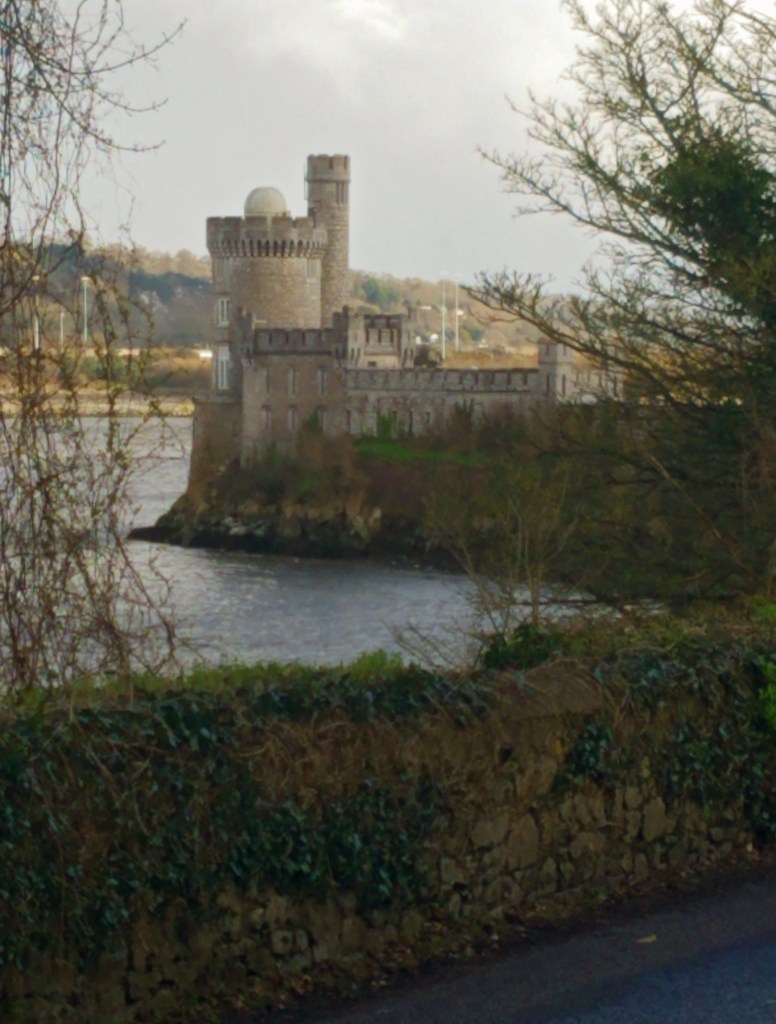
We’ve walked all throughout the city, averaging better than 5 miles a day. As far east as Blackrock Castle, and south to the suburb of Douglas.

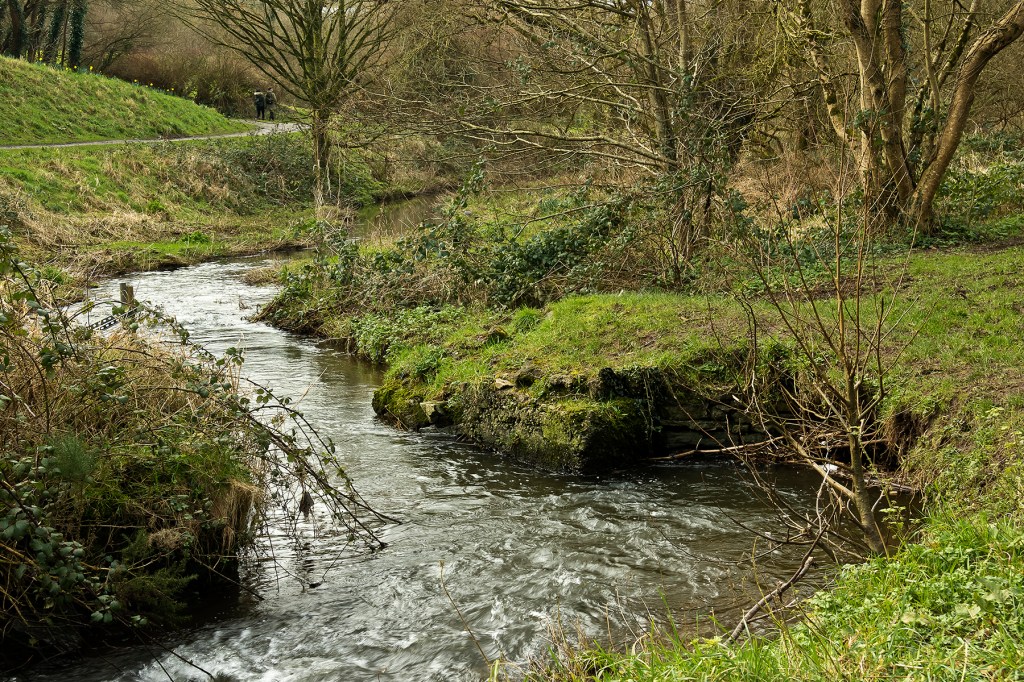
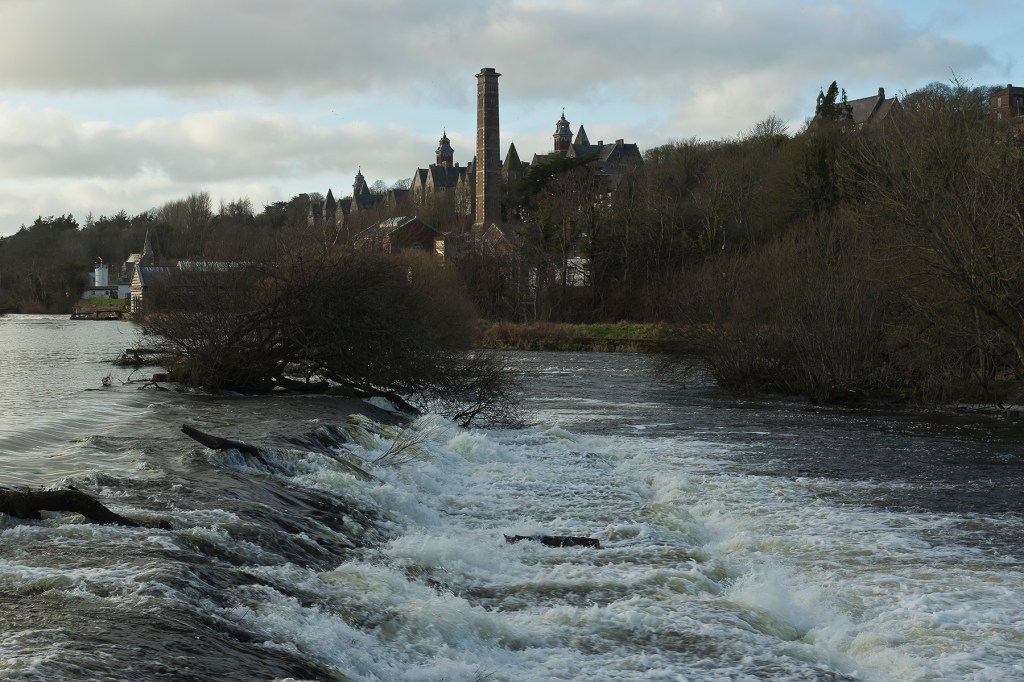
North to Glen River Park, and west to where the river splits into the two branches that turn City Center into an island.

Before leaving the US, we had thought about booking a kayak tour around the Island. But having walked around the whole thing, and seen the river in its various angry stages, neither of us is in the mood for that.

Can’t talk about Ireland without talking about beer and whiskey. Our first visit three years ago, we mostly stuck with the Guinness regardless of where in the country we were. Here in Cork, it’s been the local brews, Murphy’s and Beamish. Pro tip from one of our bartenders – the Beamish is better in the Douglas Street pubs, and i can’t say he was wrong.

As in the US, craft brewing has made some inroads against the big brewers. Unlike the US, i can’t say they’re an improvement over the traditional beers. We are walking distance to 3 of Cork’s small breweries, Franciscan Well, Rising Sons, and Elbow Lane. Of those, i thought Elbow Lane had the best beers, but it’s mostly a high end restaurant rather than a drinking establishment. Rising Sons is a great place to watch sporting events, and Franciscan Well is a nice little live performance room, but neither has beers that struck me as superior to the Murphy’s, or even Guinness.

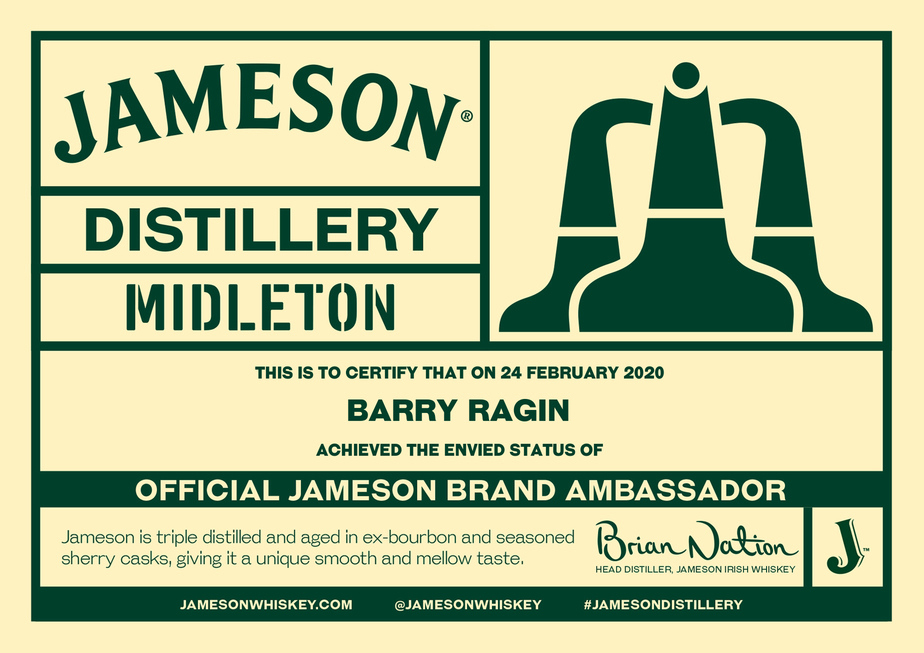
The big distillery in these parts is in Midleton. The old part is now used for public tours, while most of the whiskey is produced in the modern, off-limits distillery. We also did a craft whiskey tasting at one of the local establishments, and came up with some favorites that may not be available for purchase in the states. Could be a stop at the duty free shop is in our future on the way home. Midleton is also home to the Kindred Spirits monument. Full blog posts about our visit below.

Later on, some thoughts about food and people. But right now, the sun is shining, and we’re headed out the door to Cross Haven.

Categories
Blarney Buses Ireland

Blarney

It’s been substantially wetter in Cork, and indeed all of Ireland, this February than normal. So we’ve kept our eye on the forecast for sunny, or at least cloudy days, in order to explore the surrounding areas.

Blarney, or at least the Blarney Stone, wasn’t high on our list. But it is an 800 year old castle, and it does have a nice set of gardens, and, most importantly, it’s a 20 minute bus ride in the local zone, about 2 Euro each way.

Wednesday was our day.

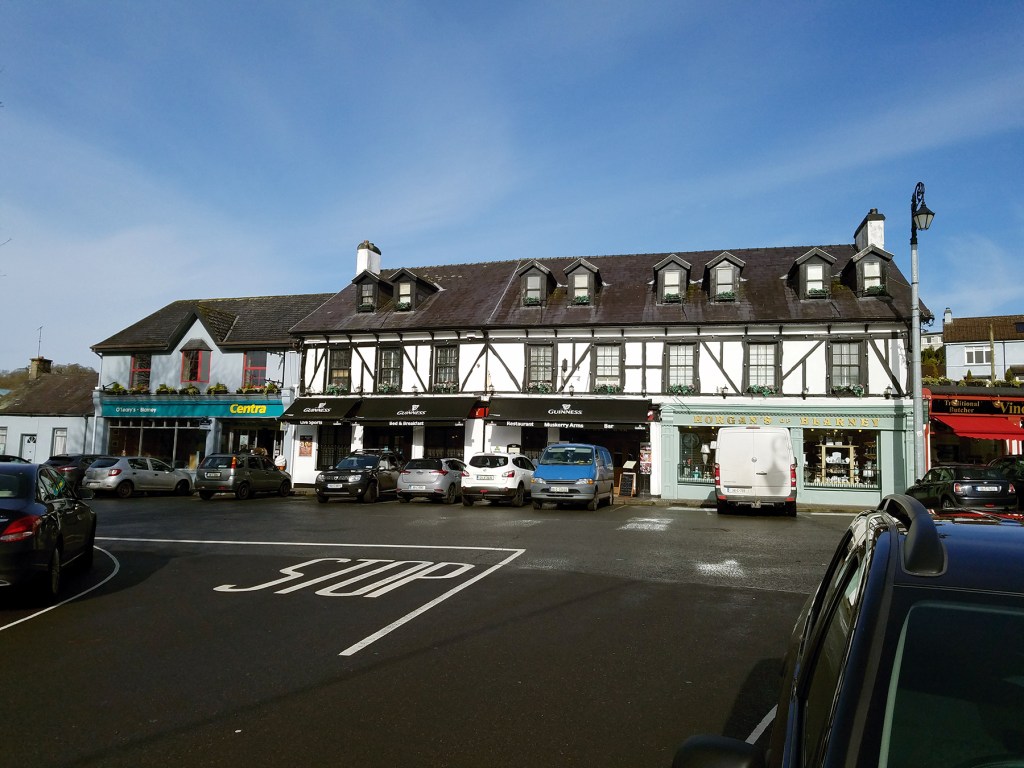
Pretty much downtown Blarney

The bus stops adjacent to the Blarney Woolen Mills, which, having been shuttered 45 years ago after a 150 year run, is now a tourist destination where you can purchase all manner of Irish woolen goods and trinkets. And i guess there are some folks who come to Blarney just to buy a sweater, but i assume it’s mostly the kind of thing you do after climbing the castle steps and kissing the stone.

Only 1 restaurant in town, and the one at the mill, were open when we were there. I was having a hankering for sausage rolls, and they weren’t on the menu at either, so we skipped it, and ate when we got back home.

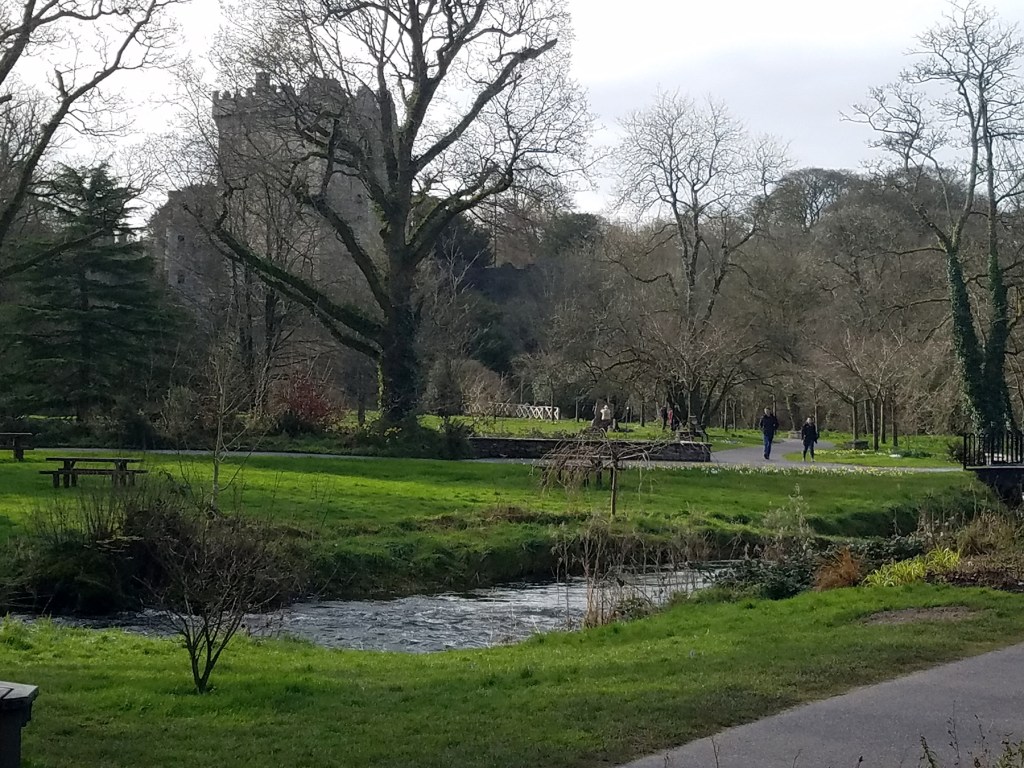
Anyway, from town, you can get your first view of the castle.

Actually, this photo is from the castle grounds, but the view is essentially the same as from town.

Had a nice chat with one of the groundskeepers, who seemed eager for a break, about native species, invasives, both in Ireland and North Carolina, some of the odd ferns growing on the grounds, whether he had given names to the trees he was tending. He had an interesting theory that, after the last Ice Age, almost all of Europe and much of the Americas had been denuded of plant life, so whatever took in the aftermath couldn’t be considered invasive. I told him about kudzu, so maybe that data point will lead him to modify his philosophy.

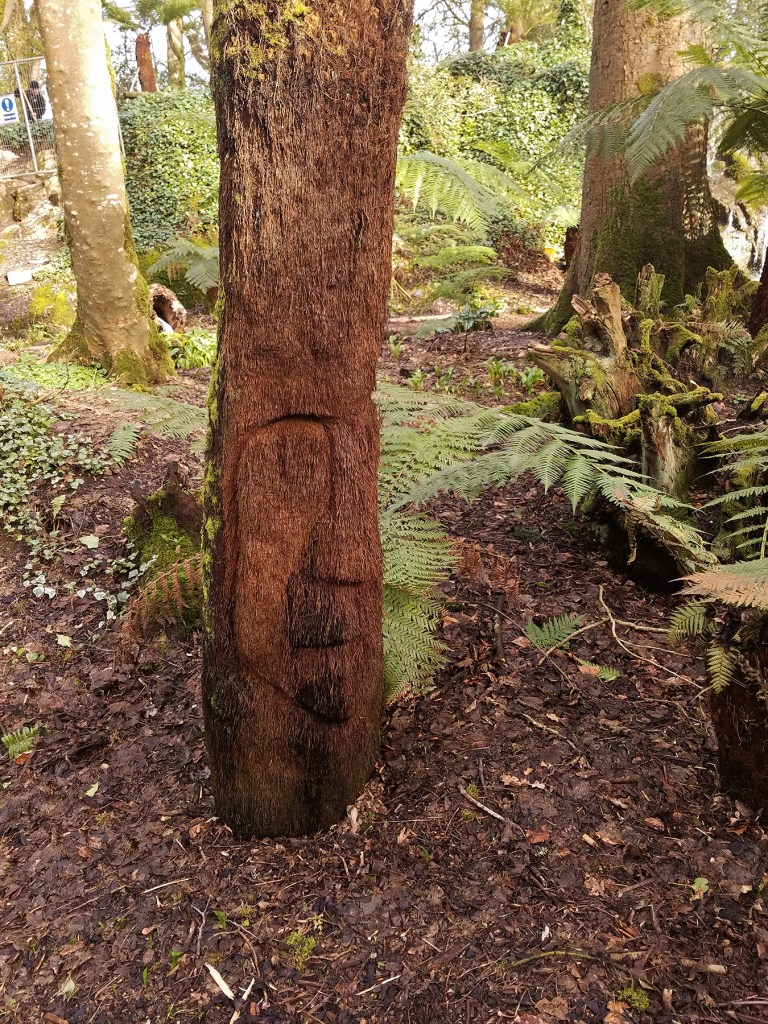
Tiki fern
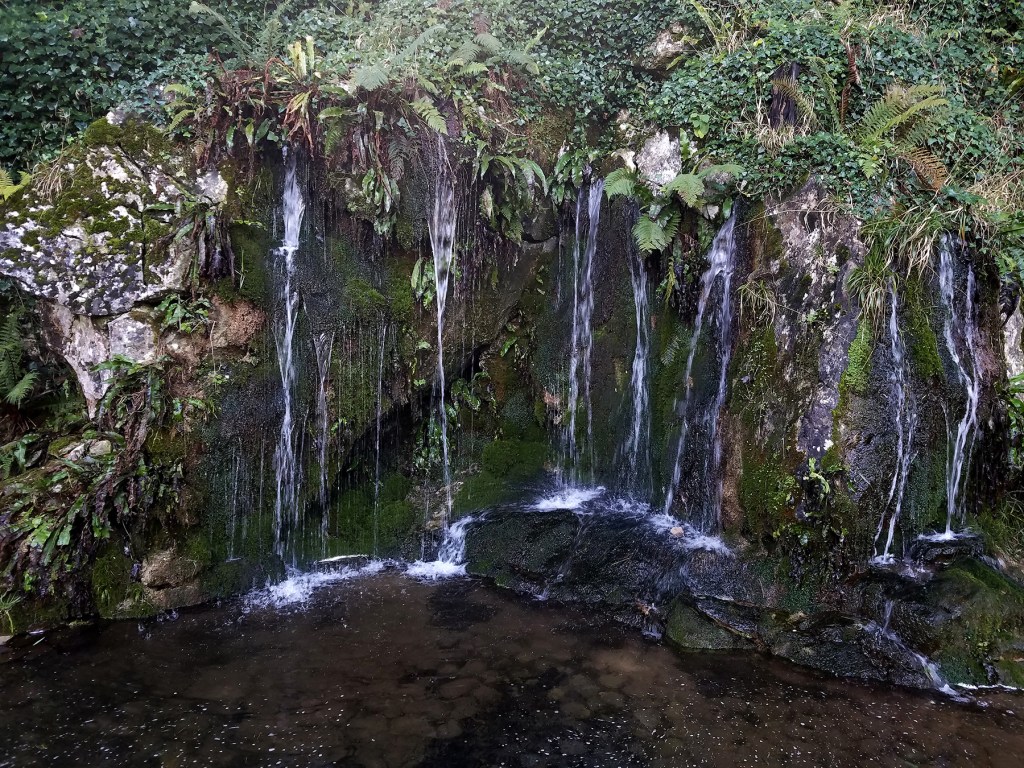
One of several waterfalls on the grounds

There is, of course, a lot of history on the grounds. This old lime kiln, where limestone was converted into quicklime to use as fertilizer, fascinated me. On the placard was a reminder that “lime enriches the father, but impoverishes the son.” Referencing that the continued use of lime as a fertilizer ends up depleting the soil in the long run.

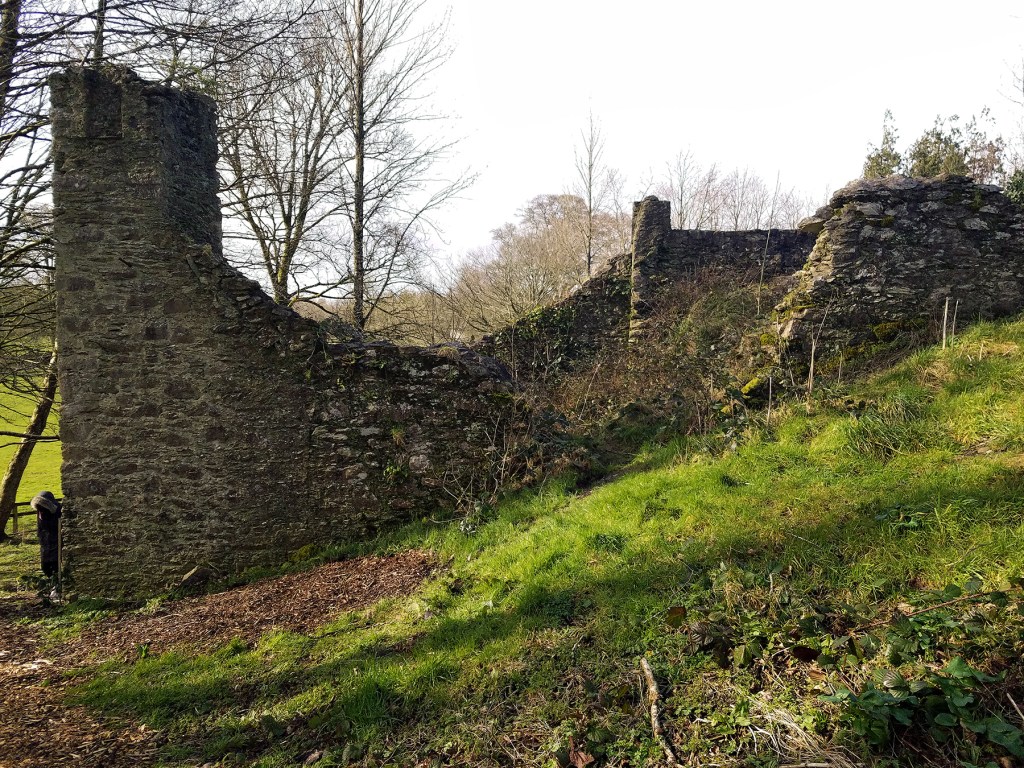
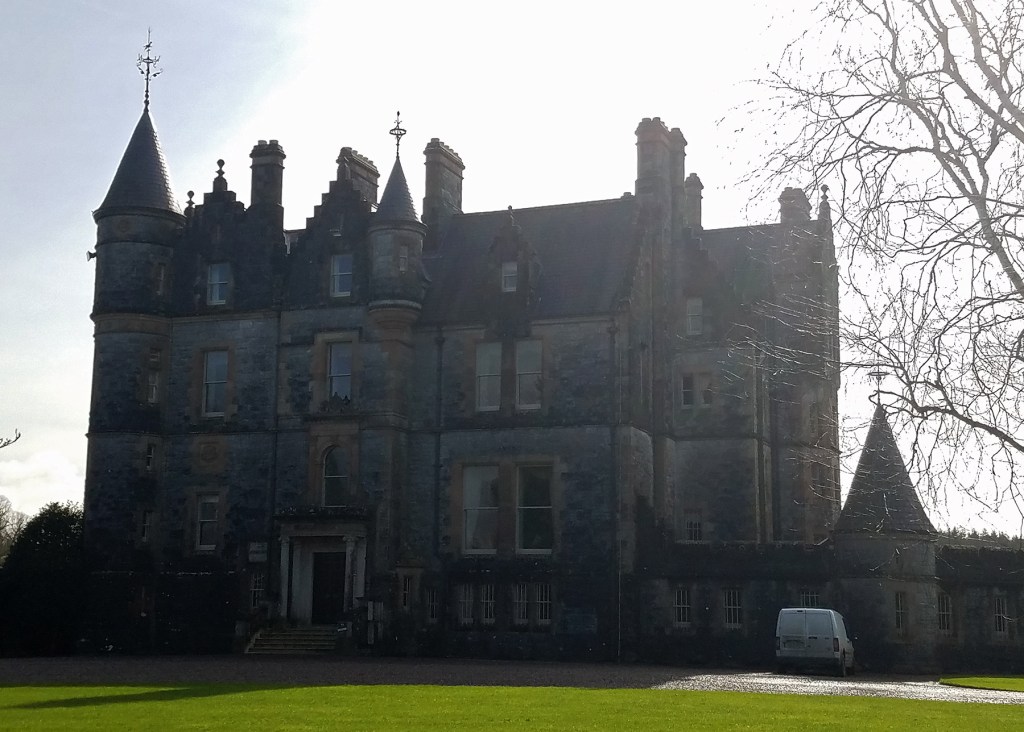
I like to think of these as the servants’ quarters, but in reality it’s a residence built in more recent times (late 19th century) by the family that currently owns the castle

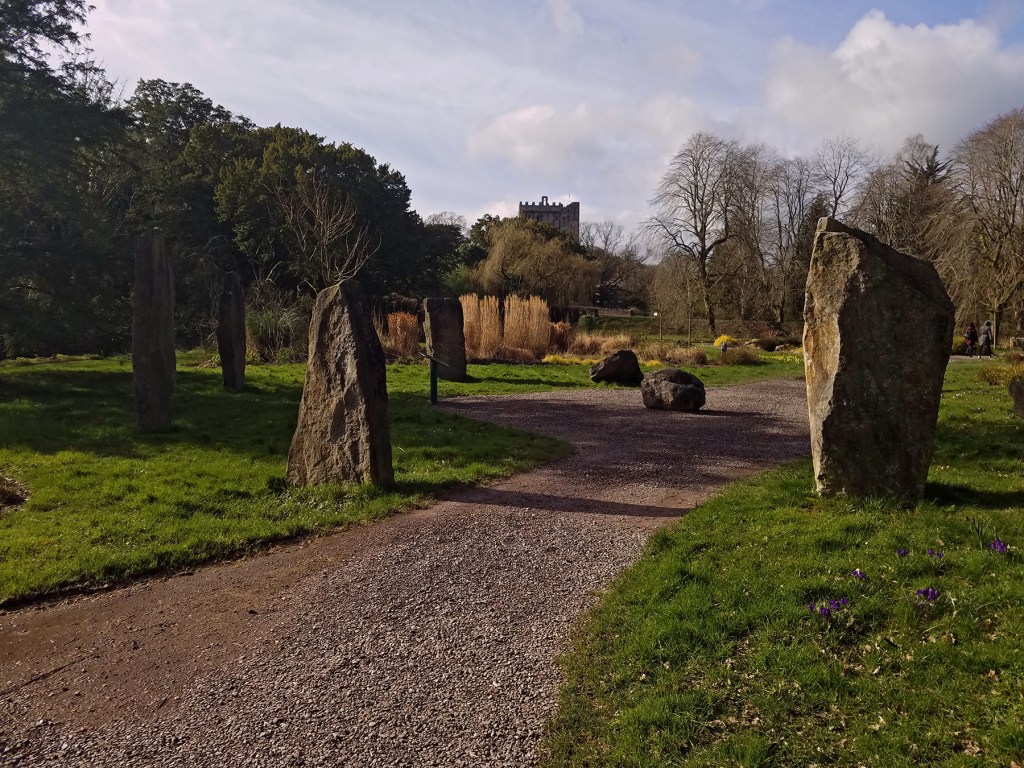
This formation of nine rocks, 7 standing and 2 toppled, supposedly dates back centuries. The story is that the king on the land, father of 9 children, led his people to a war in which he lost both his sons and so, in mourning, toppled the two stones representing them.

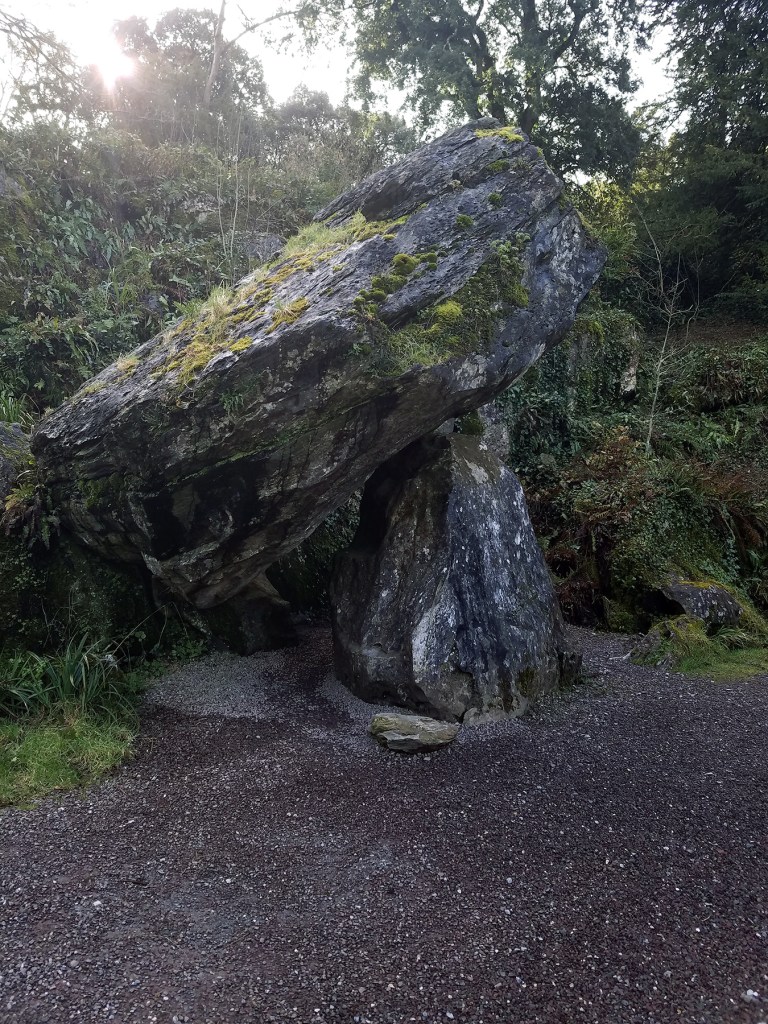
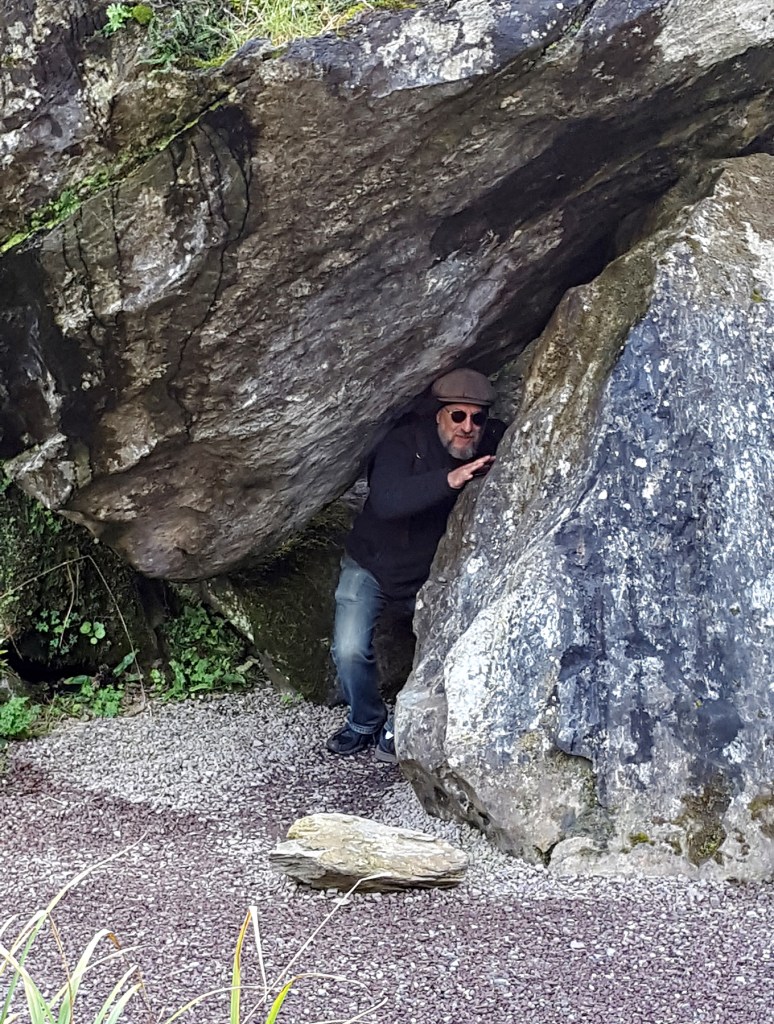
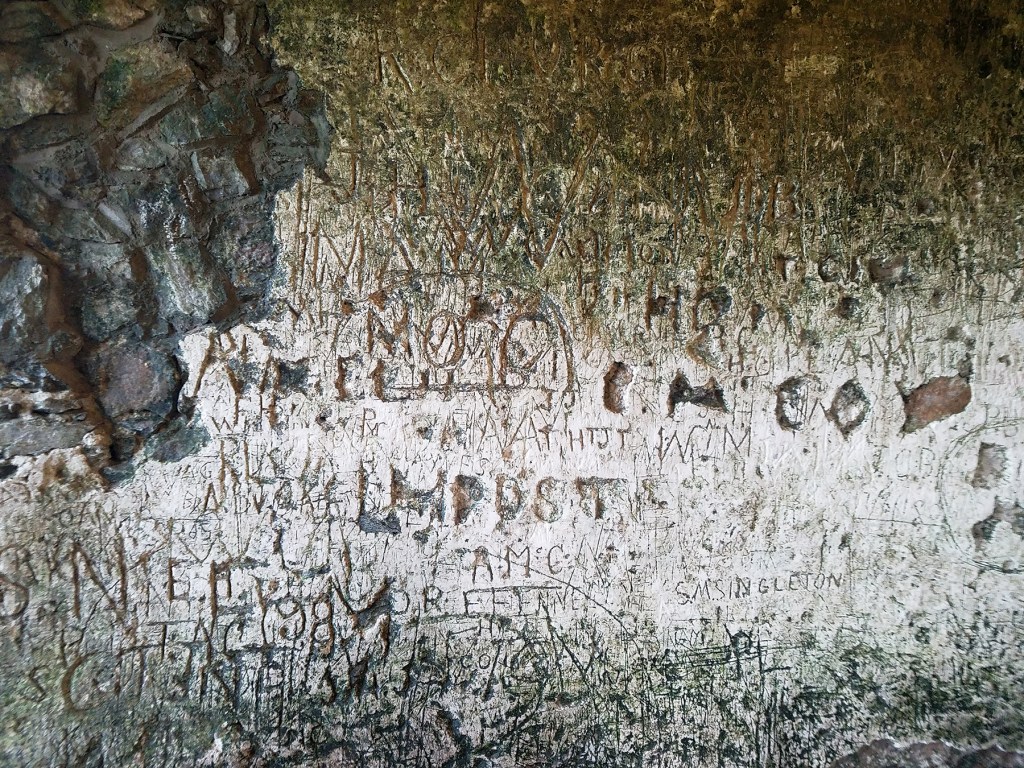
There was also this fallen dolmen, whose portal i passed through. Perhaps i now have some mystical powers.

On to the castle itself! We obviously were not the first to be here.

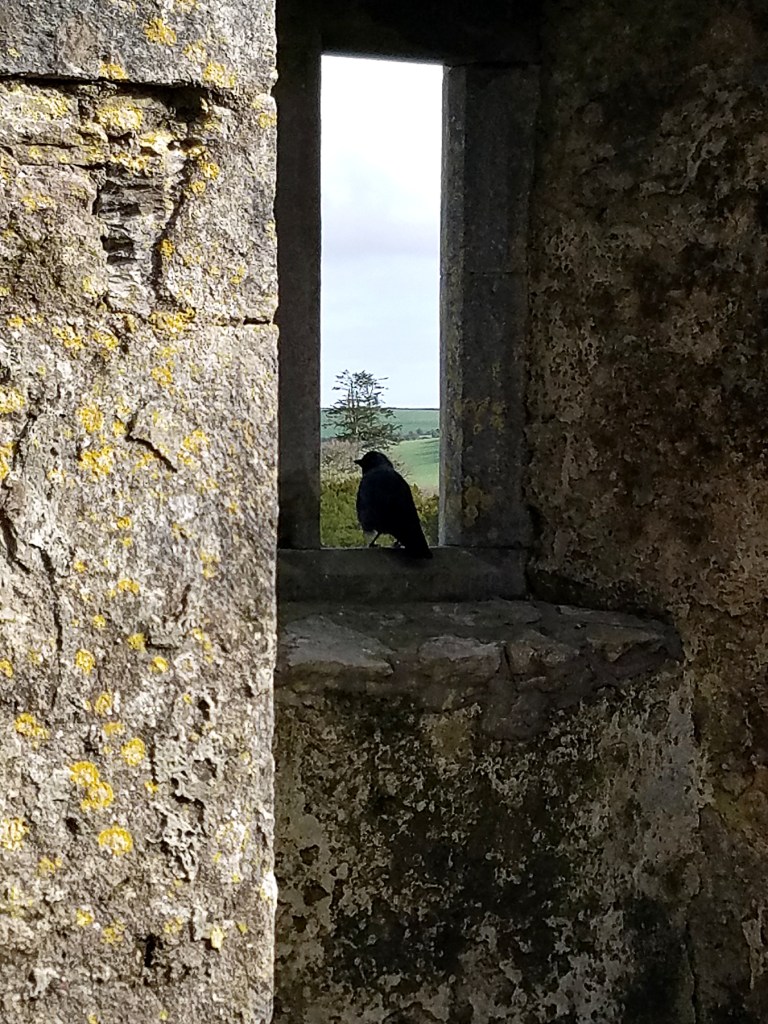
Also had some company on the way up.

The view from the top is pretty spectacular.

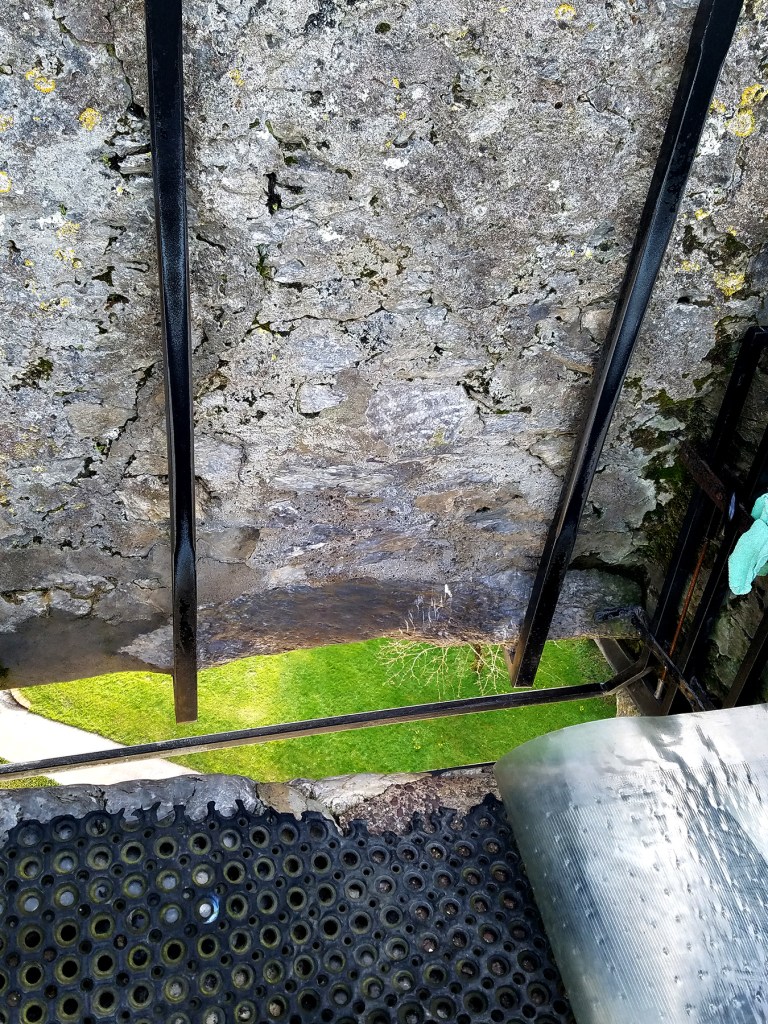
And, finally, the great stone itself. It’s the smooth, almost bluish thing at the bottom of the wall. And no, i didn’t put my lips on it. But i did tip the two attendants who help contort you into the ridiculous position you need to assume in order to get your face near enough to kiss it.

Categories
Cork City

A Little Bit of Nature

Been a busy couple of days here. Yesterday we took a spontaneous bus trip up to Blarney. Lots of photos and impressions to come when we get caught up. Also went to see some live music last night at Coughlan’s; Lynda Cullen, whose most recent LP was produced by Durham’s Dave Tilley, put on a memorable show.

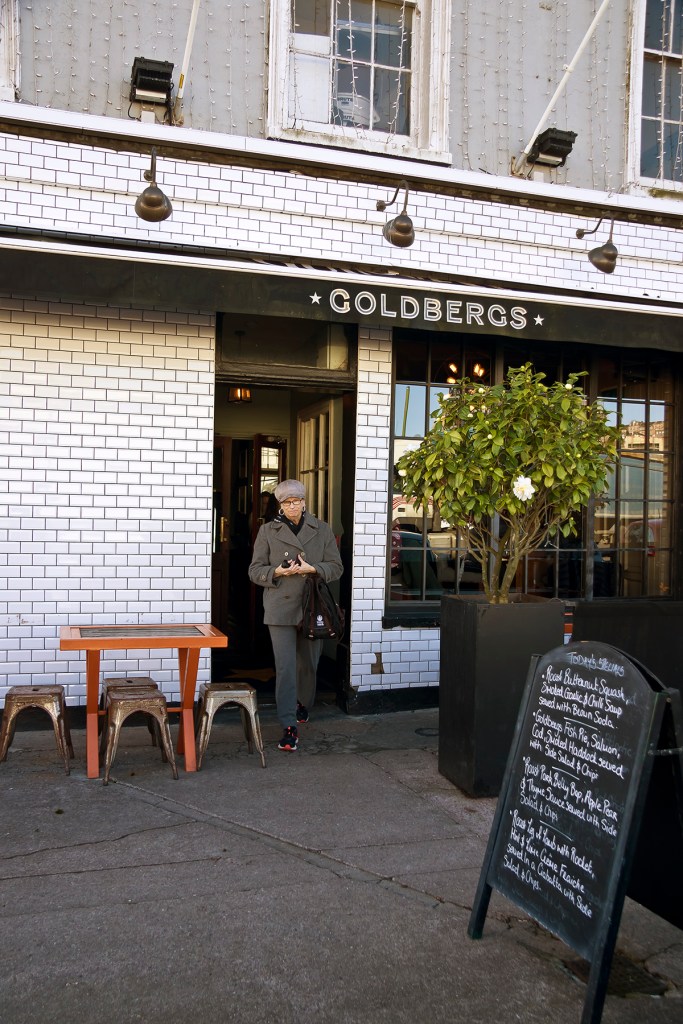
Today, though, we caught a break in the weather, and decided to spend most of the day strolling along the river. First, though, lunch at Goldberg’s. Been trying to find the opportunity to grab a meal there since we got here. The smoked salmon didn’t disappoint.

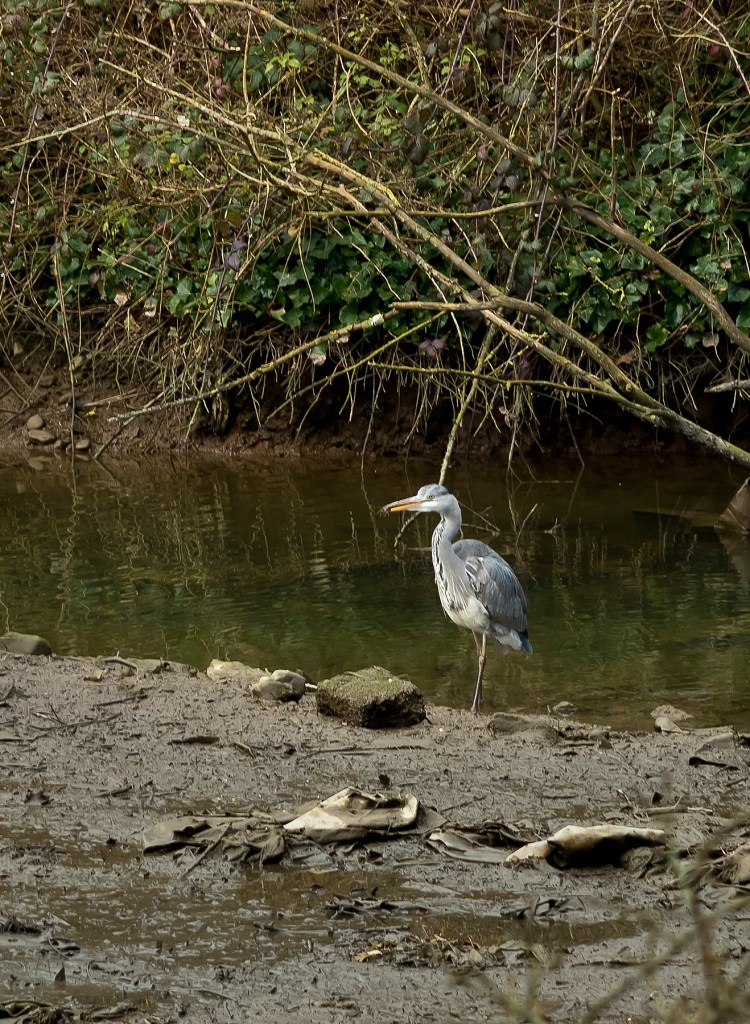
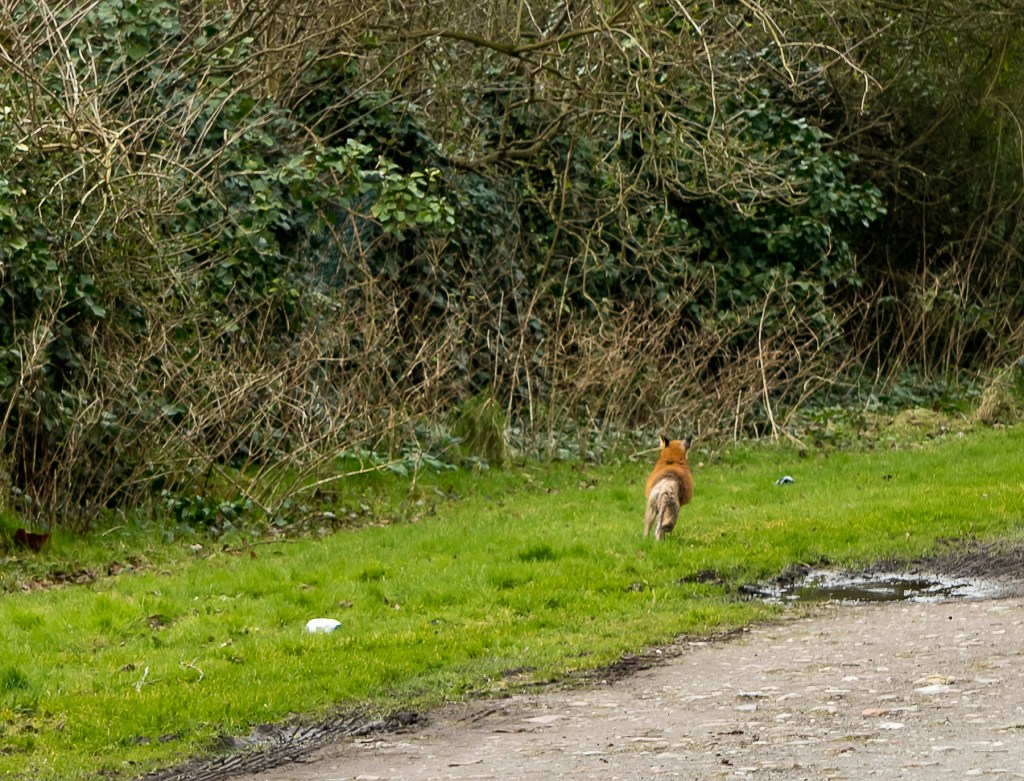
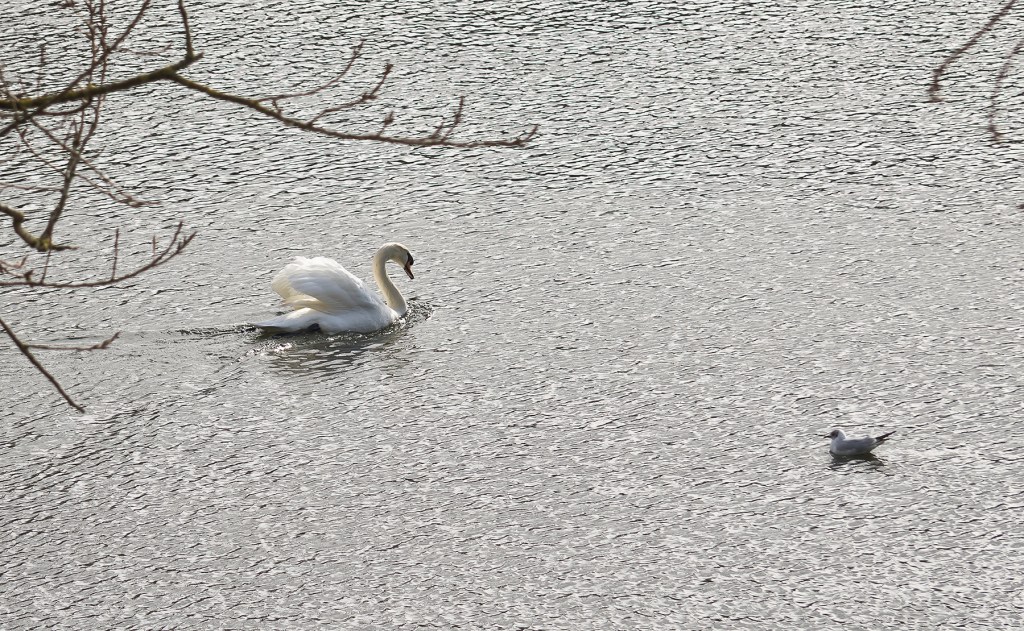
We walked a greenway east of the city that eventually gets you to Blackrock Pier, near the observatory we visited last week. Despite passing through some industrial zones, we saw a variety of wildlife. I am developing a healthy respect for people who take wildlife photos for a living – you have to carry some serious gear around with you to get decent shots, with lighting conditions that are constantly changing, and subjects that are extremely uncooperative. But here’s what we saw, anyway.

Grey Heron
Red Fox
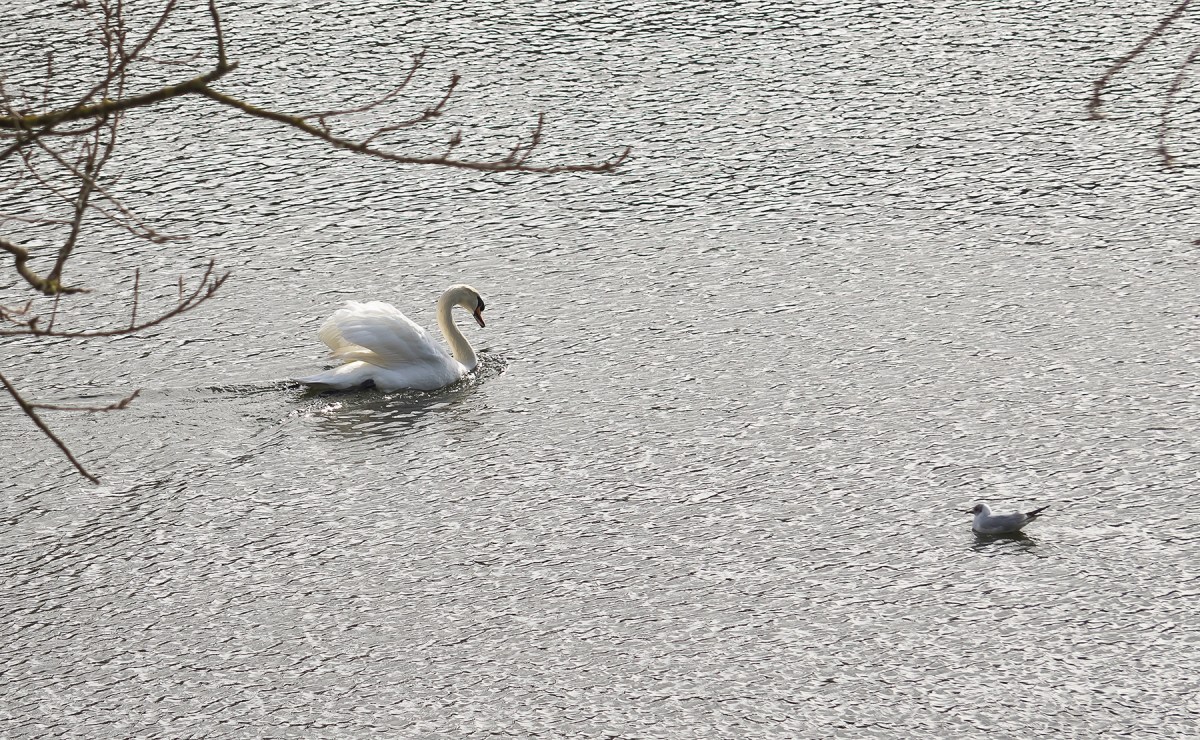
Swan
If the river was whiskey . . .

Categories
Ireland Midleton

Midleton: Distillery

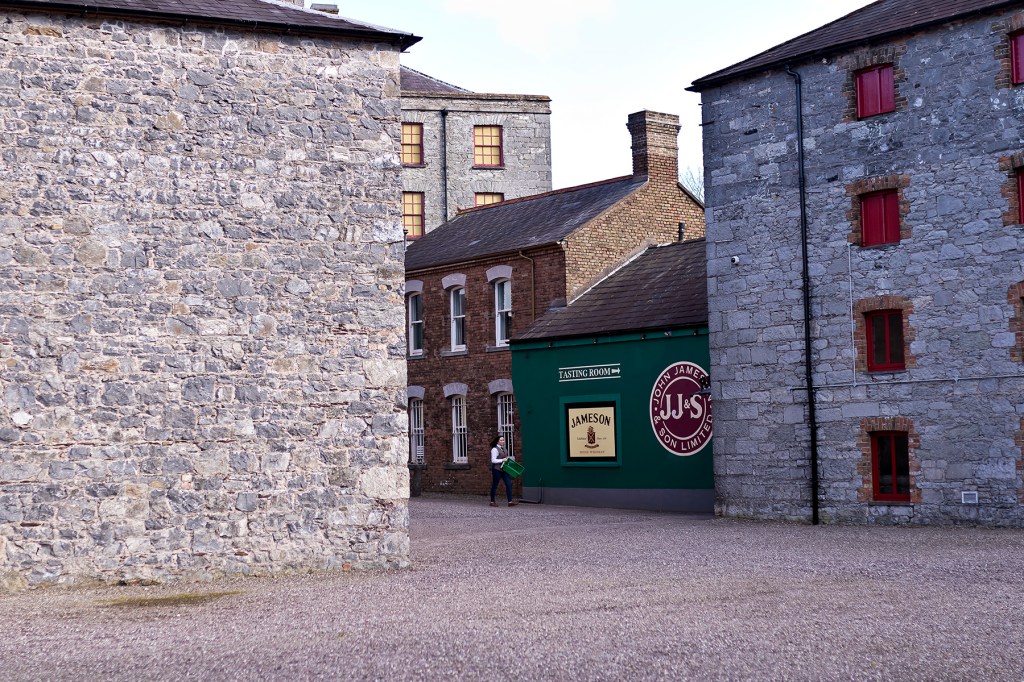
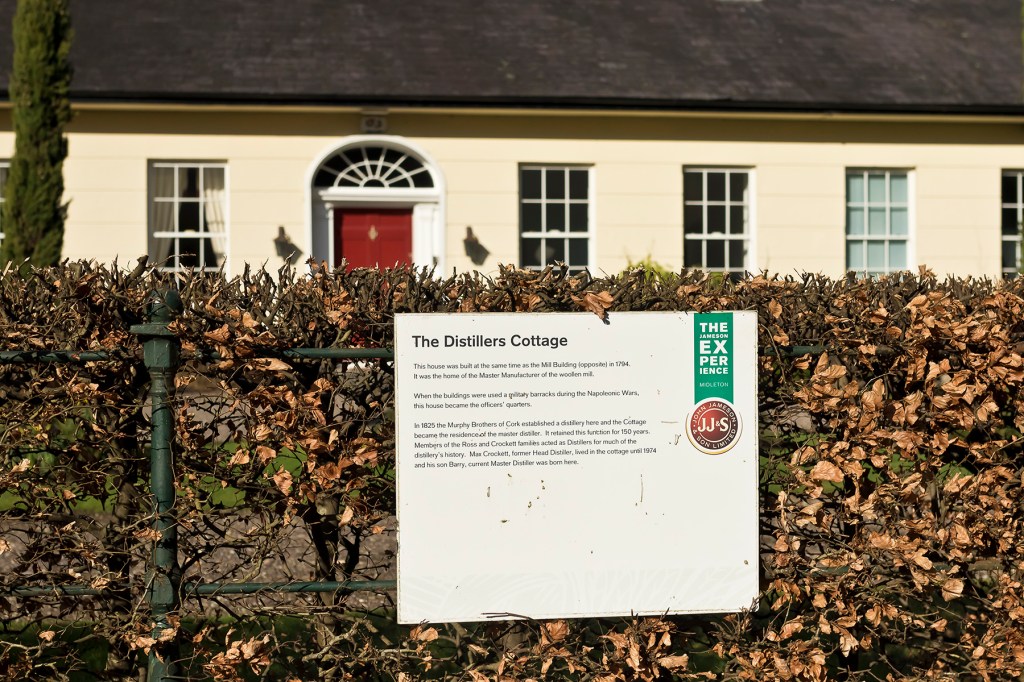
After the Kindred Spirits memorial, and probably before it in most minds, Midleton is best known as the home of the Jameson whiskey distillery. In actuality, the distillery is home to a number of brands belonging to Irish Distillers, a joint venture between the Jameson, Powers, and Cork distillers formed in the mid 1960s, at a time when the whiskey industry worldwide was at a nadir. The original distillery was constructed in the 1700s as a wool mill, and eventually became a distillery around 1825. It was a production distillery through 1975, when the new distillery was constructed adjacent. The old buildings were converted to a visitor center in the early 90s.

I’ve toured the Bourbon Trail in Kentucky a few times. I’ve also been a home brewer for about 30 years, so i have a bit of background in how corn or barley are turned into alcohol, and how alcohol is turned into whiskey. Even so, the unique history of the Midleton Distillery, and the enthusiasm of Connor, our tour guide, made this a very enjoyable 90 minutes.

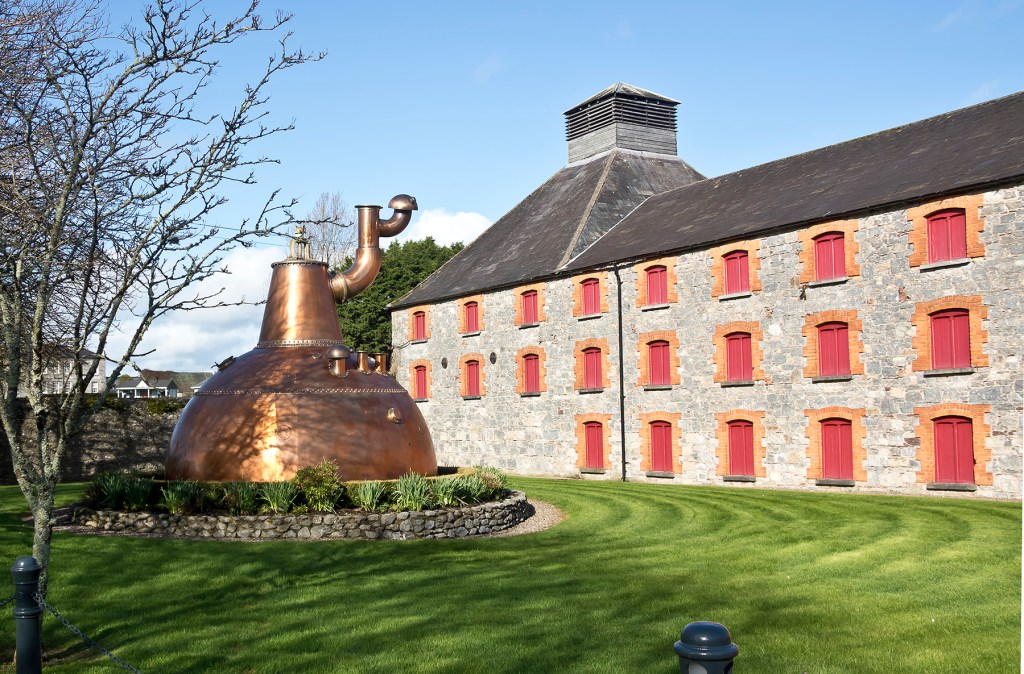
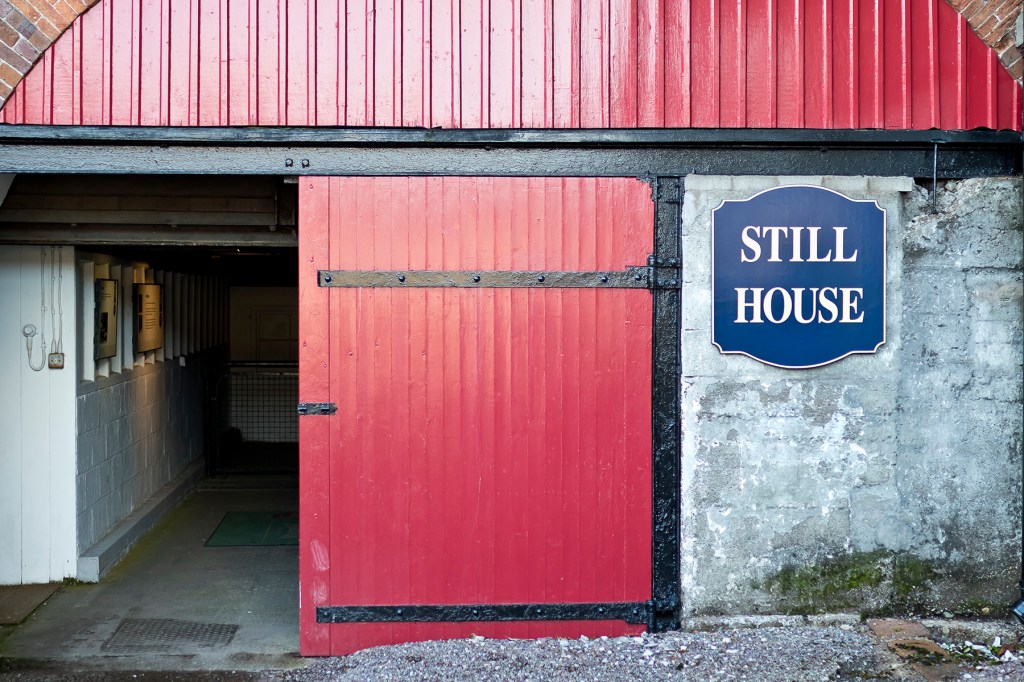
Exterior of the old distillery, with copper pot still.

The tour starts with a short film explaining some of the history of whiskey making in Ireland, particularly of the Jameson brand, before you get into the details. Jameson is the most widely distributed of the brands produced here, especially in the US, but i’ve been able to purchase the Redbreast 12 year, and a John Powers whiskey back home in NC.

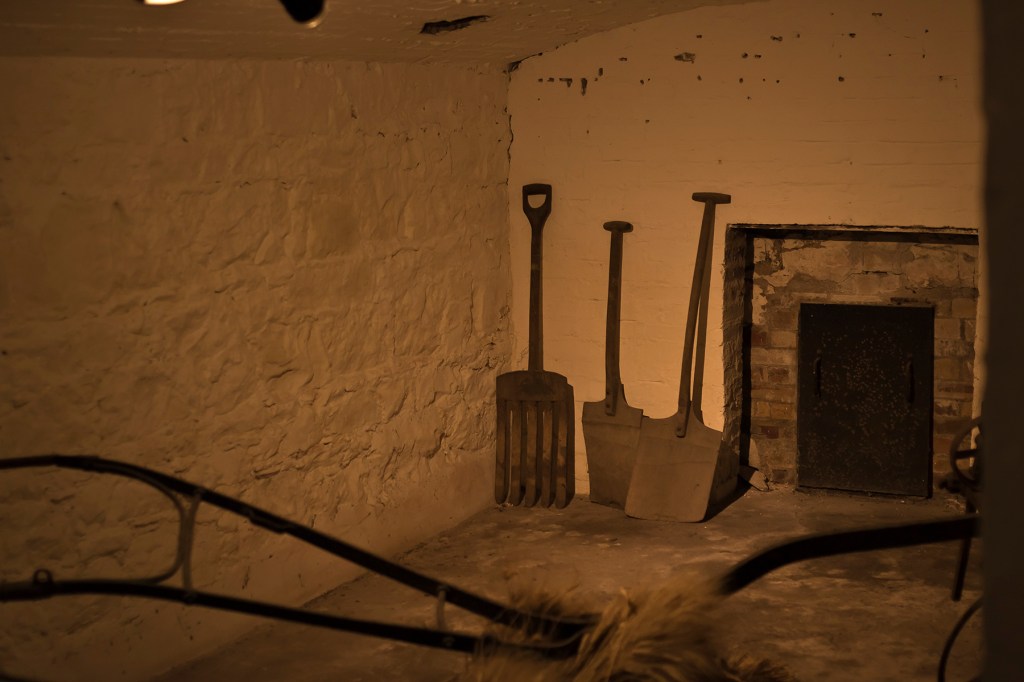
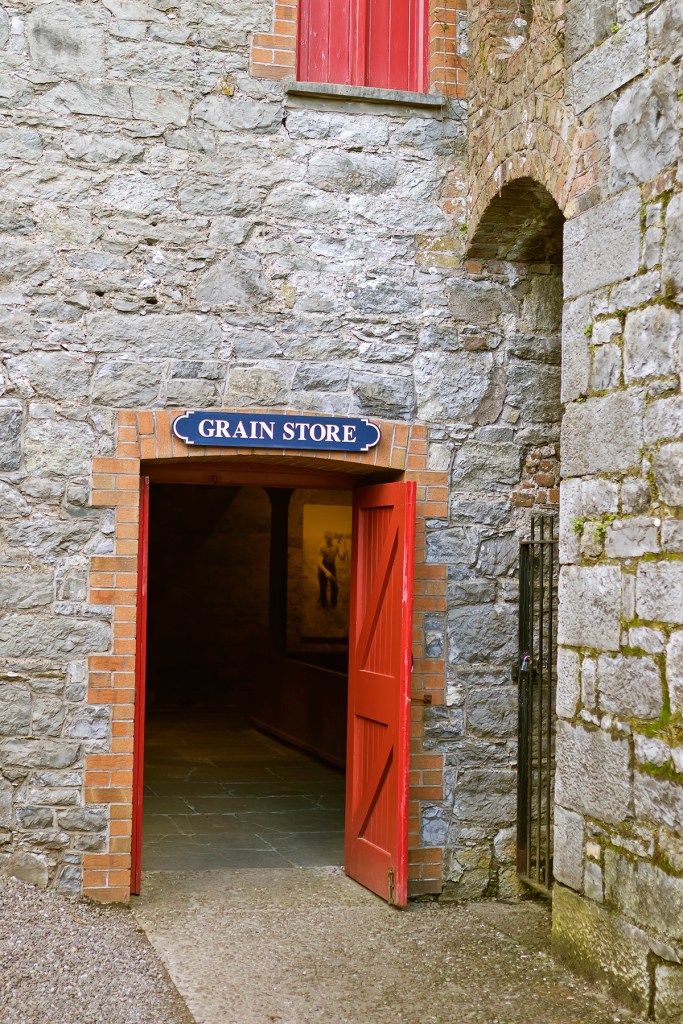
In the past, the buildings we toured were in use as grain warehouses, malting houses, and milleries in addition to distilling stations.

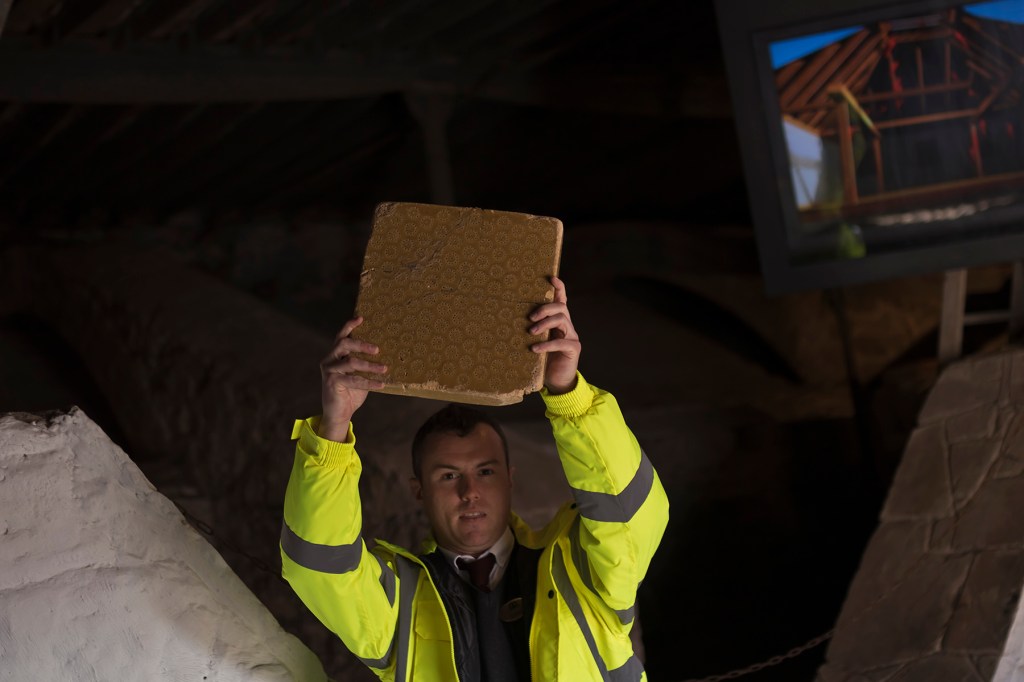
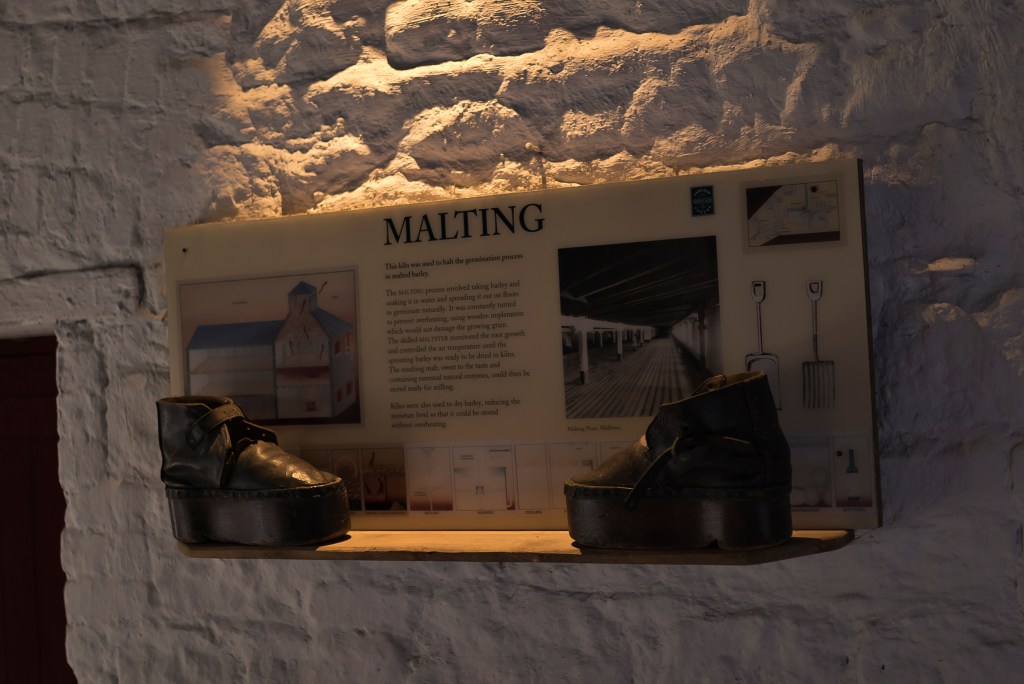
Tour guide Connor holds up a tile from the old maltings. The small indentations allow the soaked grain to begin to sprout; larger holes on the bottom of the tile allow air to circulate.
After germinating, the grain has to be kiln dried. The kiln floors can get hot, so this was the 19th century solution to keeping your feet from burning.

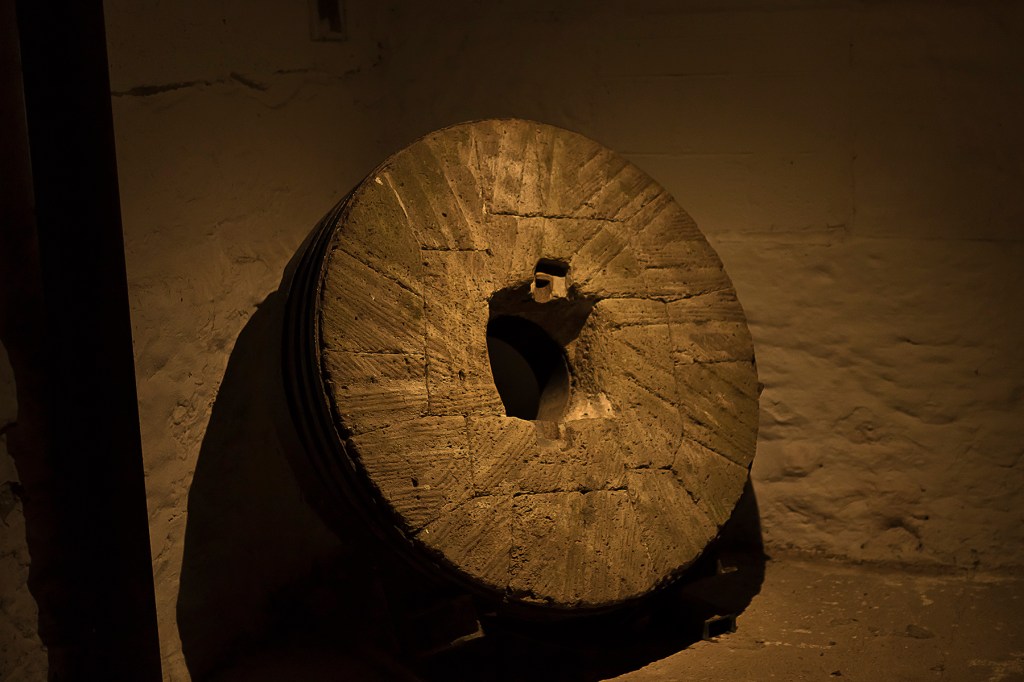
The main thing I’ve learned that differentiates Irish whiskey from any other style, is that it is distilled from a mixture of malted and unmalted, that is, germinated and ungerminated, barley. This came about mostly as a result of the British Crown’s taxation policies. Malted barley was taxed at a much higher rate than unmalted barley. In order to keep at least some profits in house, Irish distillers learned how to balance the two types in their production processes. After the sprouted grain was kiln dried, it was then milled into grist onsite.

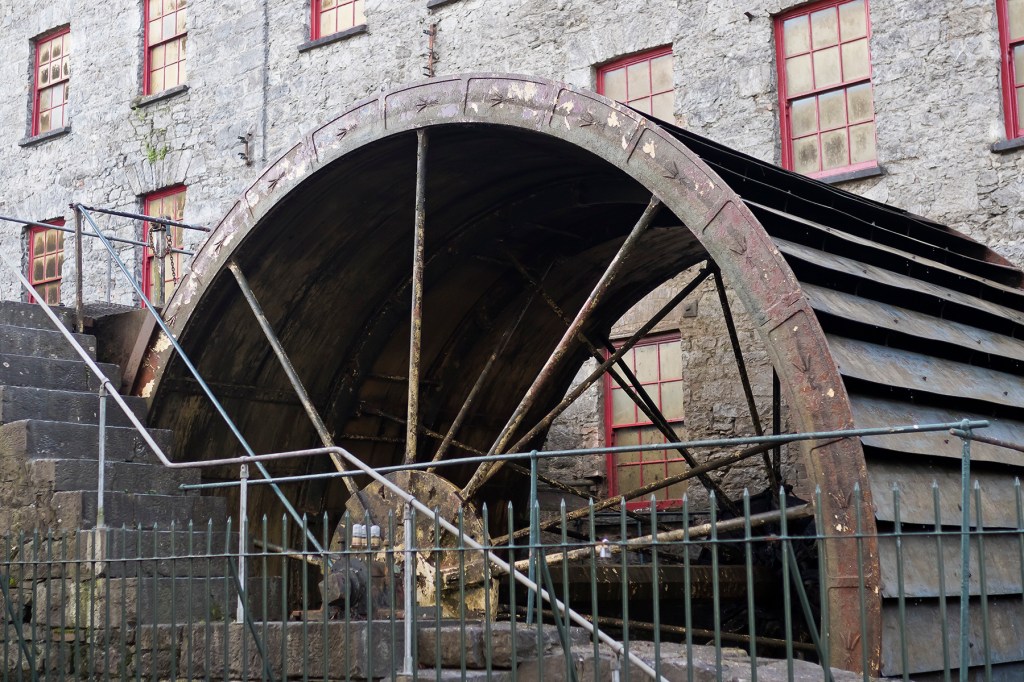
This waterwheel dates back to 1852.

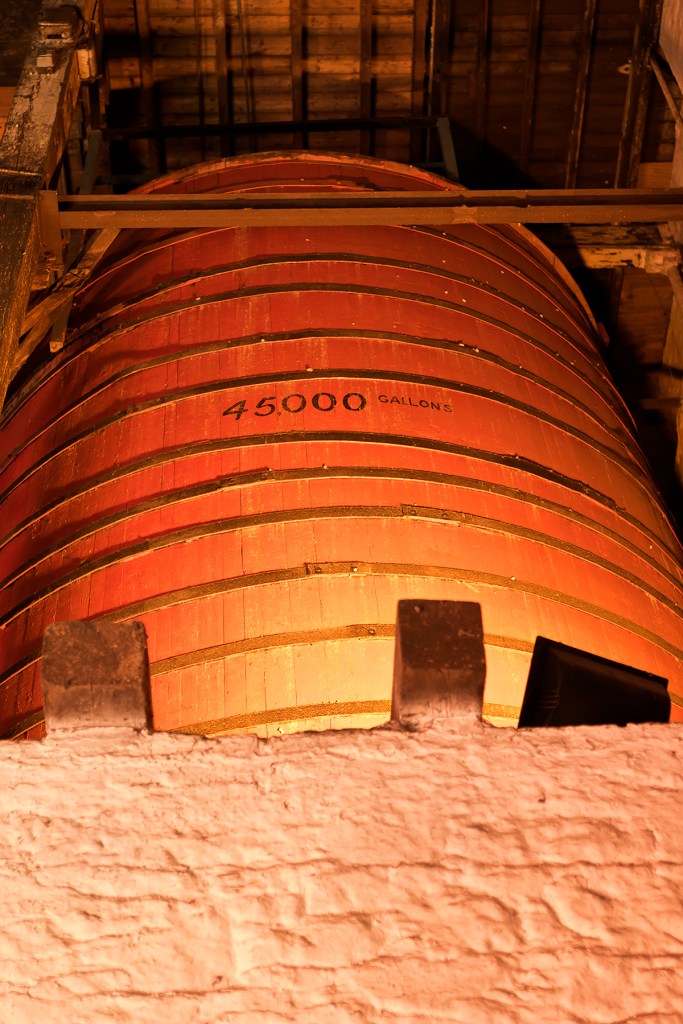
As in beer making, the crushed grain is mashed to encourage the conversion of starch into sugars. The resulting wort is then cooled for a bit, before yeast is introduced to turn that sugar into alcohol. In this case, it was transferred to 45,000 gallon wooden tanks.

No, seriously, 45,000 gallon wooden tanks, hanging out 10 feet above your head. At a pound a pint, that’s 180 tons of liquid.

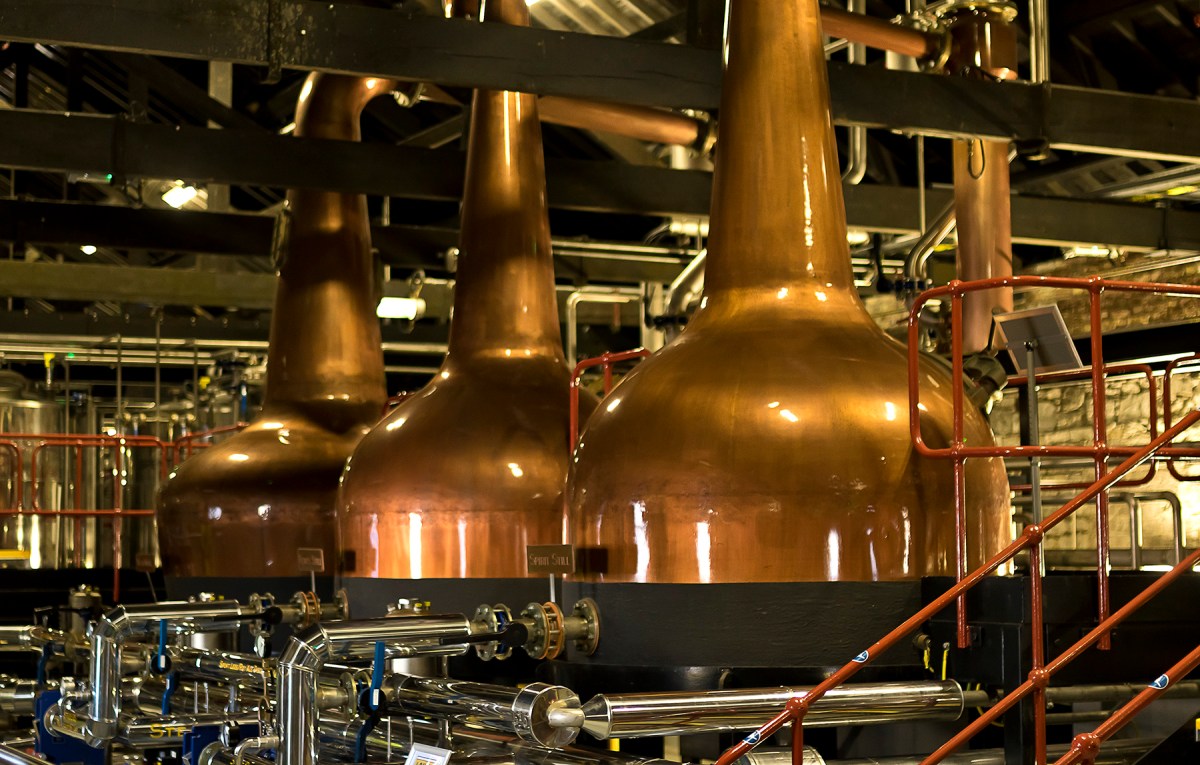
Distilling is the process of separating the alcohol from the fermented wort. There’s a couple of ways of doing that, but they all take advantage of the fact that alcohol boils at a lower temperature than water. You heat the liquid to somewhere around 180° F, collect the alcohol laden vapor in a tube, then chill it and catch the condensate in a separate tank. Which impurities you leave in, and which you take out, is part of the distiller’s art. Traditionally, Irish whiskey was all made in a copper single pot still, like the one in the first picture above. Now, most are made using a combination of pot stills and column stills. The latter is common in bourbon making. Irish whiskeys made the traditional way are labeled as single pot still.

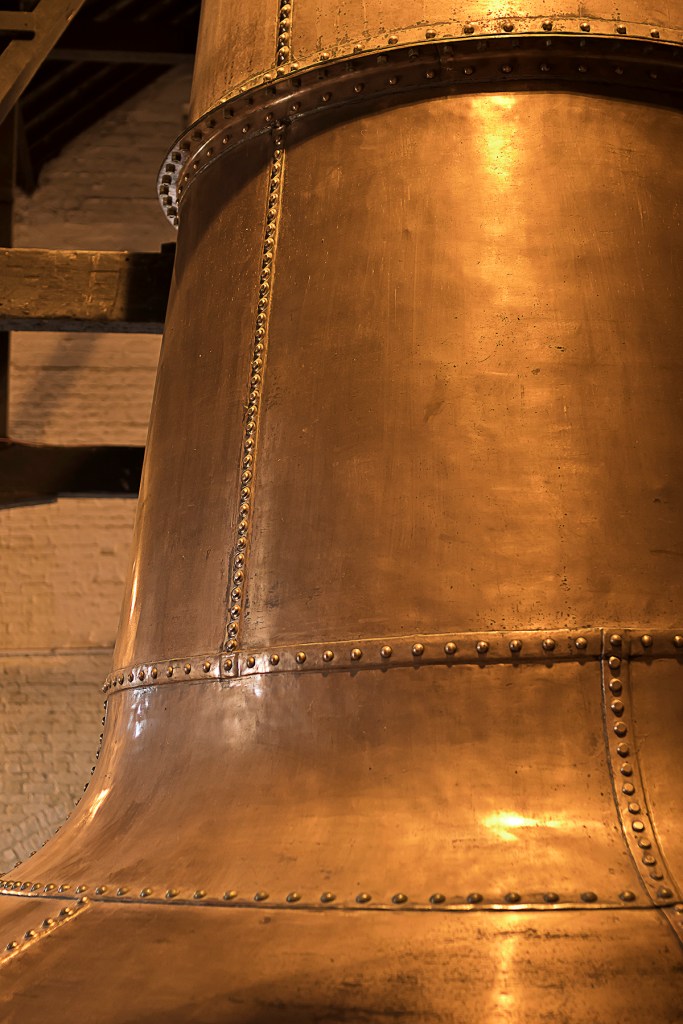
This is apparently the largest pot still in the world. It was so big, and the room so small, that even with my widest angle I couldn’t get all of it in the frame. So here’s a closeup.
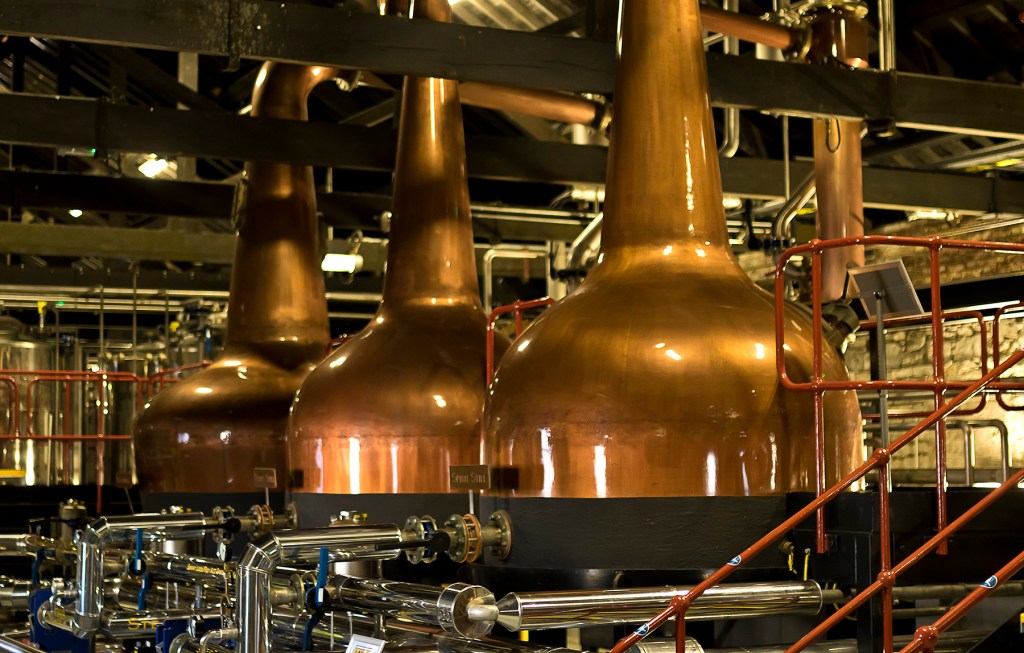
These three are much smaller, and are in use in the testing rooms, where new recipes are concocted and tried out. I suspect they are much newer than the big boy.

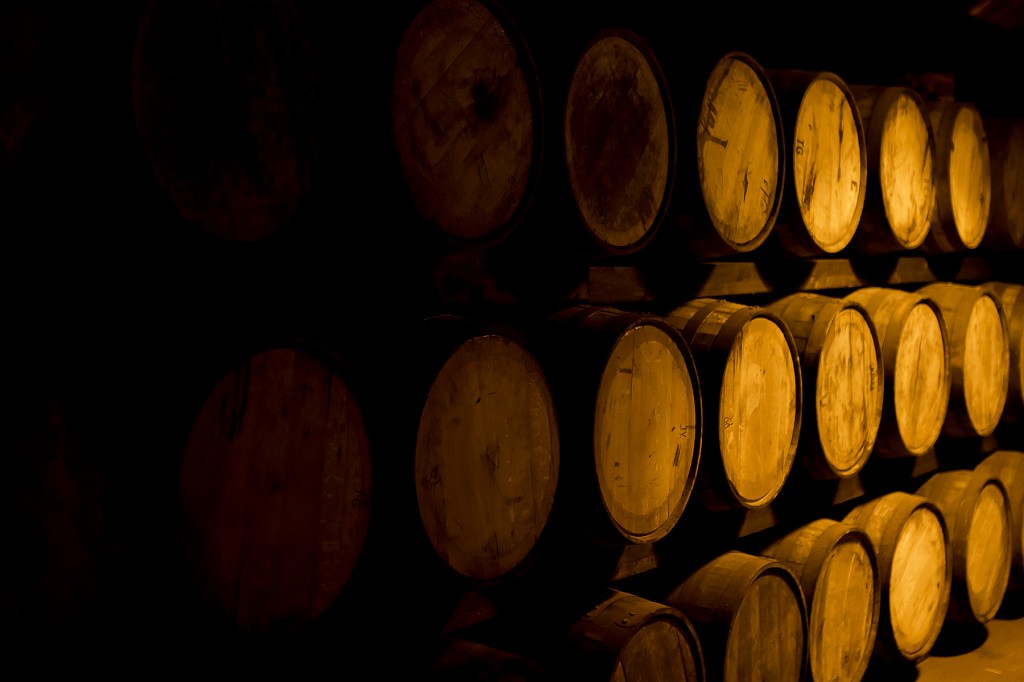
The second part of the distiller’s art is the aging. American bourbons are aged for a minimum of two years in charred oak barrels, which can only be used once. The warehouses are a couple of stories high, and the barrels are rotated from the top to the bottom at least once, because the temperature differences, both throughout the year, and across the building, are great enough that a barrel allowed to age in the warmer top story in the summer will impart a different flavor to its whiskey than one on the floor in the winter.

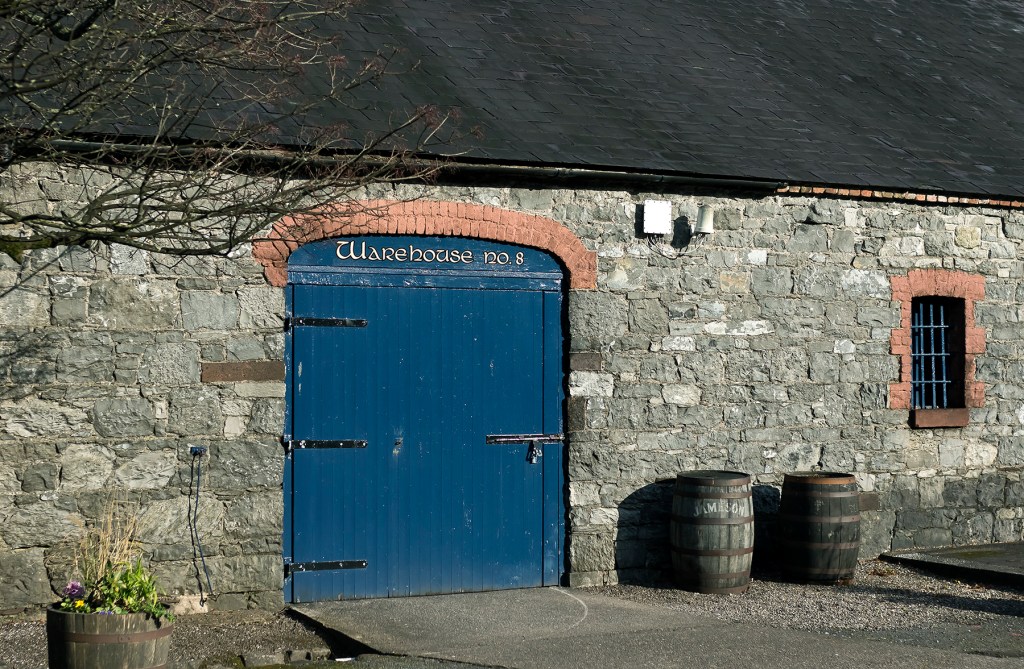
Temperatures in Ireland are not so variable, and the warehouses are generally a single story. So the barrels are stacked three high, and not rotated during the aging process. Different types of barrels are used, including former bourbon and sherry barrels, as well as some virgin oak barrels. Much Irish whiskey is actually matured in a sequence of barrels, which can be re-used up to 3 times before being discarded. Most of the discards end up in Cuba, where they are used to age rum.

Master Distiller Barry Crockett grew up on the site. Some of the last whiskey produced by his father was made available for purchase recently, at $40,000/bottle. You had to act fast, though. All 48 bottles sold out in a couple of days. Maybe start saving for the 2021 release.

Design a site like this with WordPress.com
Get started