Categories
Cork City Ireland St. Luke Victorian Quarter

Harbors, Trains, St. Luke’s Cross, & an Observation

Yesterday was blustery, and rainy in patches. We decided to explore the east side of town across the river, past the first (last) bridge where the big ships are still able to dock.
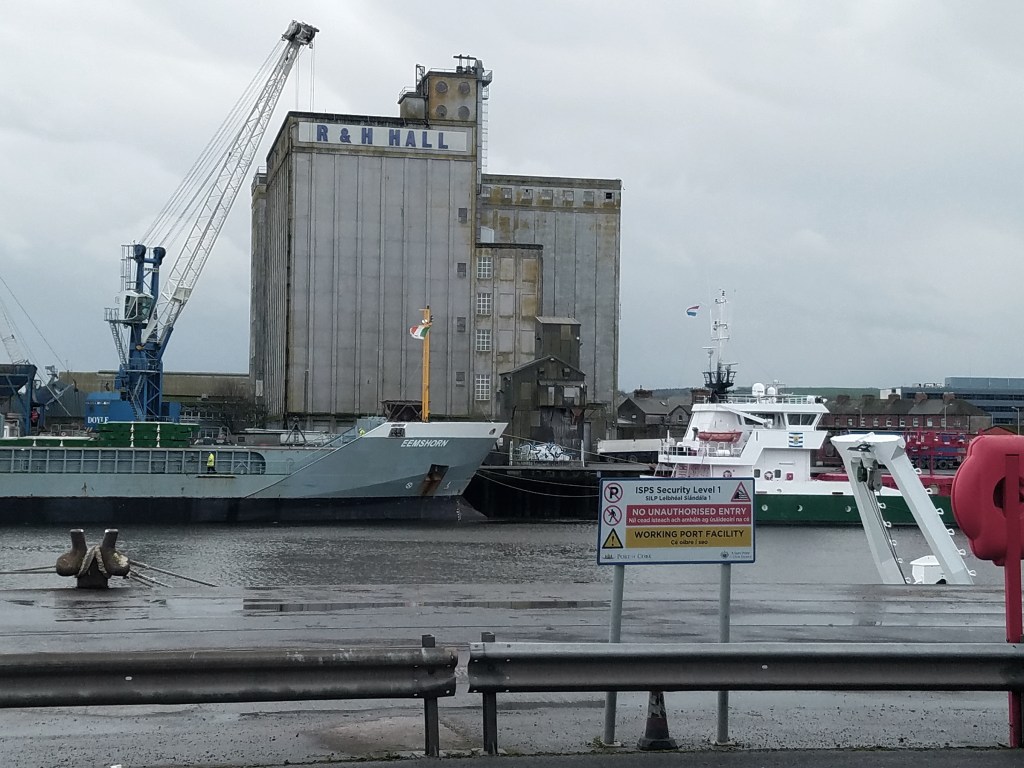
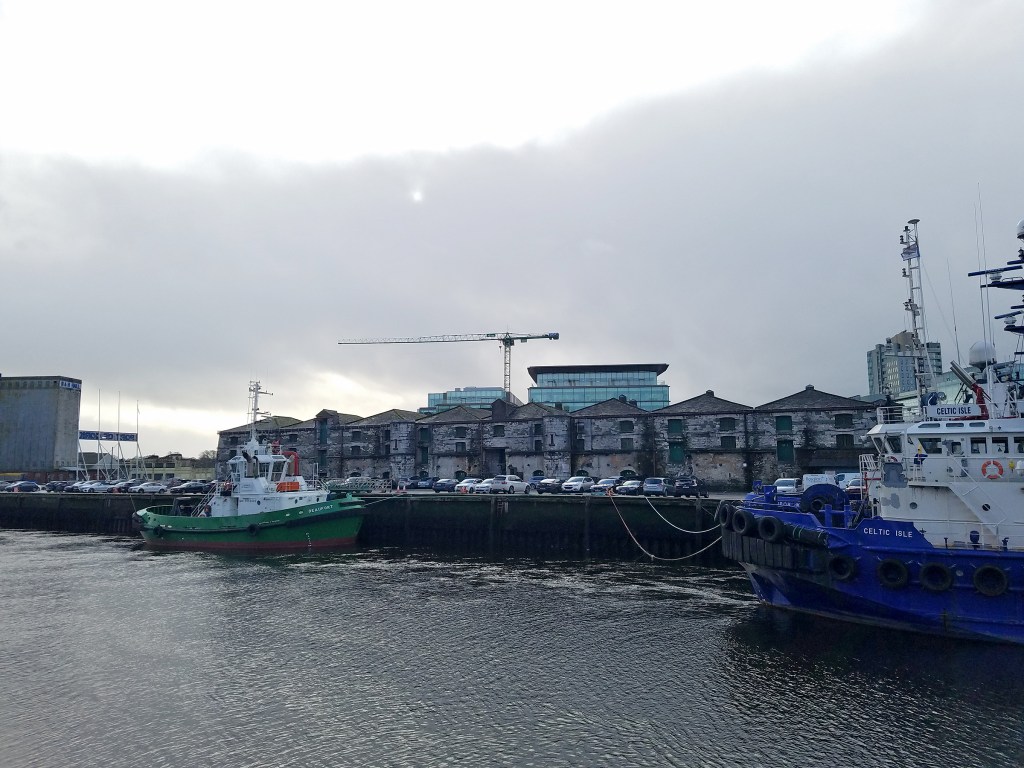
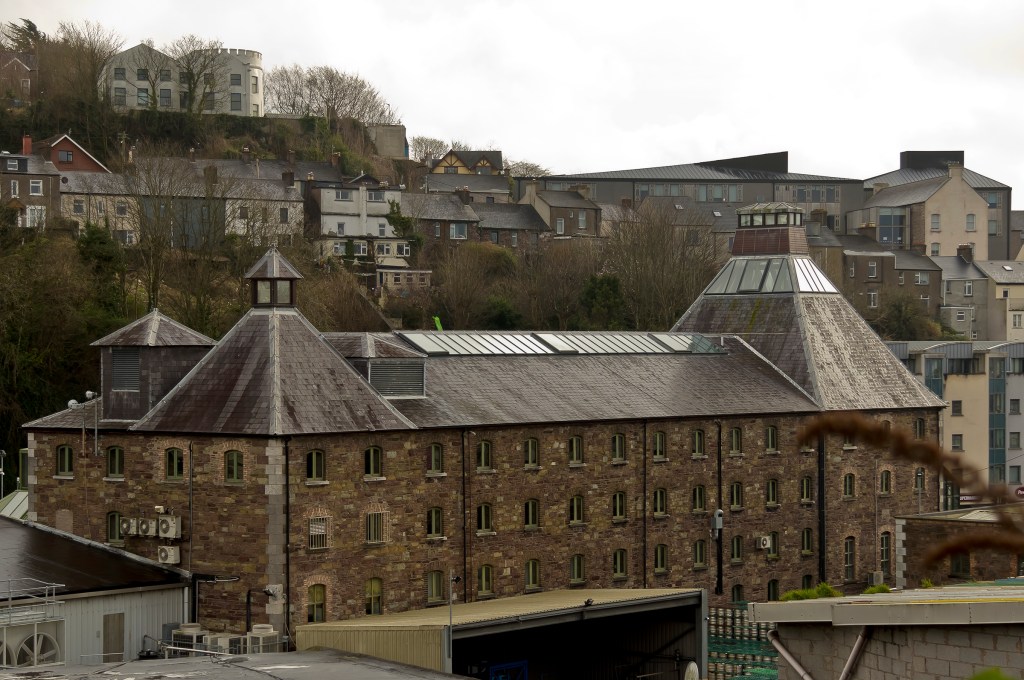
I believe the buildings on the right are part of the bonded warehouses.

There’s a fair bit of new construction in the area, hundreds of thousands of square feet of “a new kind of work space for a new kind of work,” or some such nonsense. I suppose it will be interesting to see how that turns out in 4 years or so.

Continuing a few blocks east, we found ourselves at the train station. We plan on taking the train to Cobh and Midleton over the next few weeks, so we spent some time there.
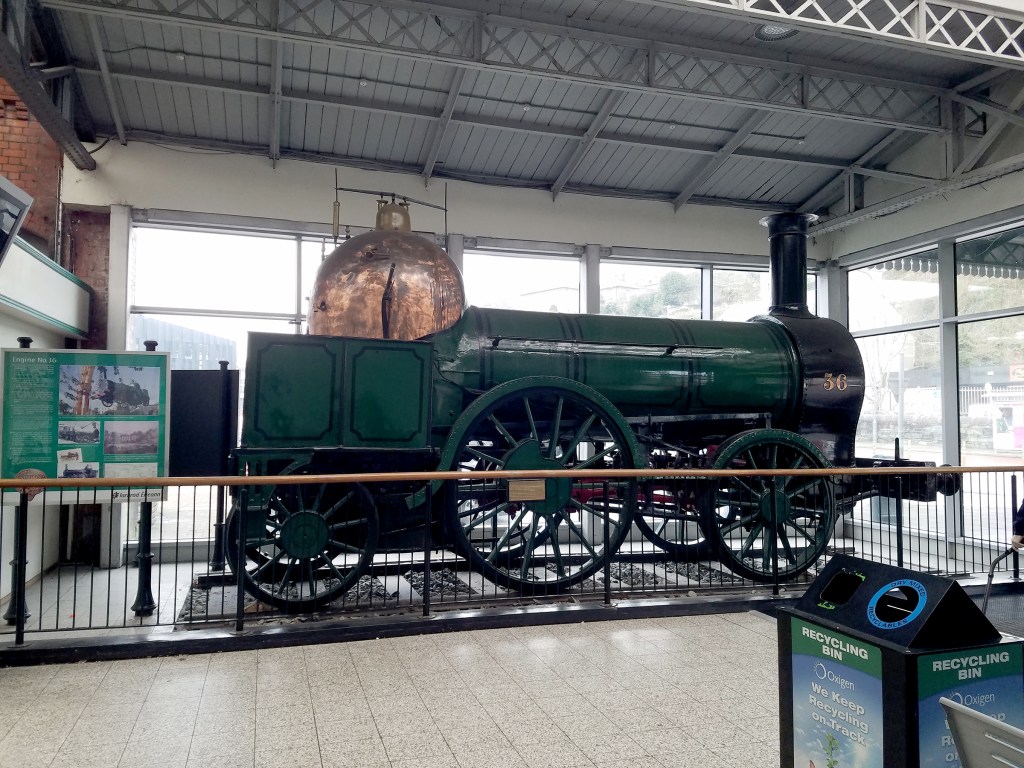
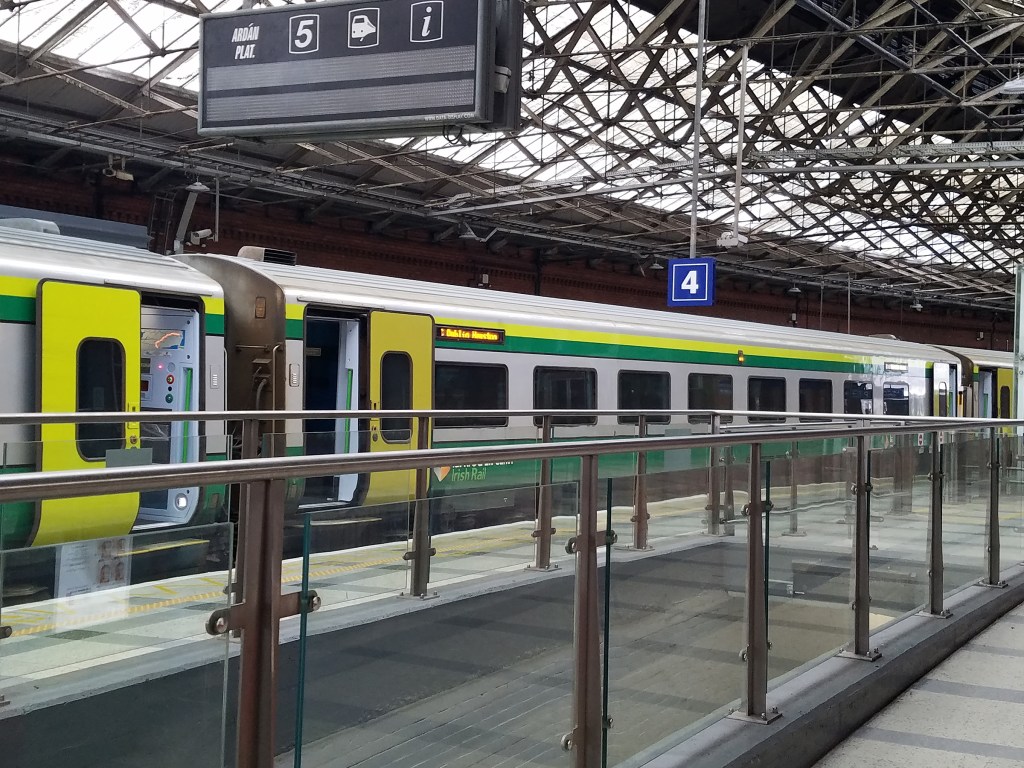
Got into a long talk with one of the senior attendants at the station, a man roughly my age. I guess he was looking for a break, without seeming to be taking one. He showed us some of the less obvious historical features of the station. He also had some interesting ideas about the US Civil War, about which i’ll ruminate later in this post.

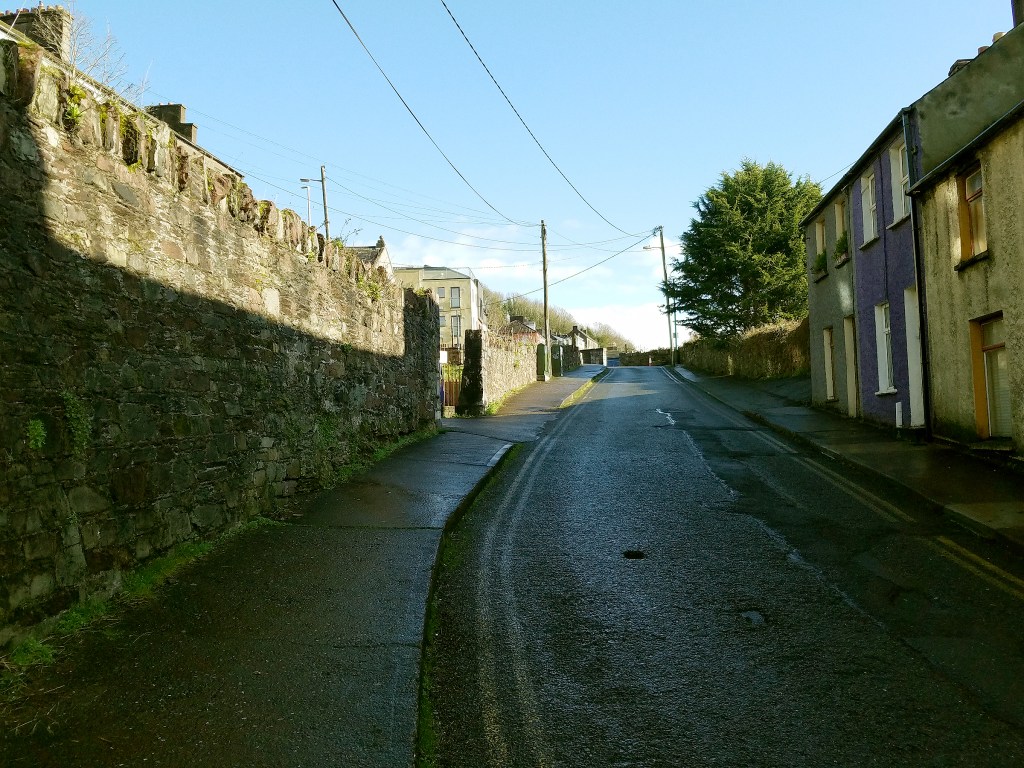
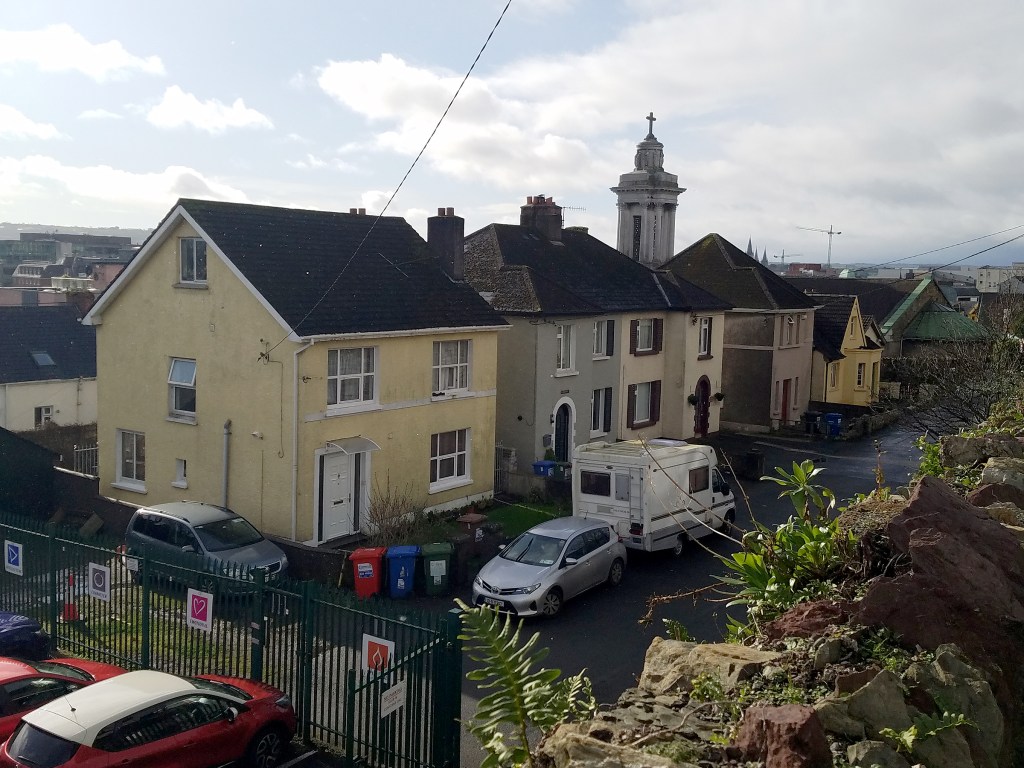
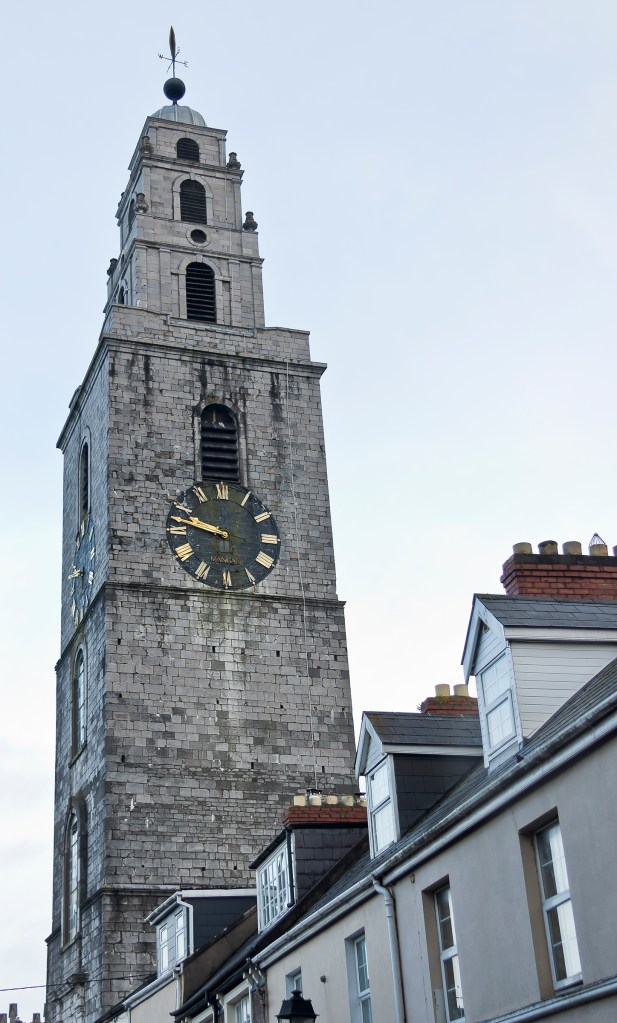
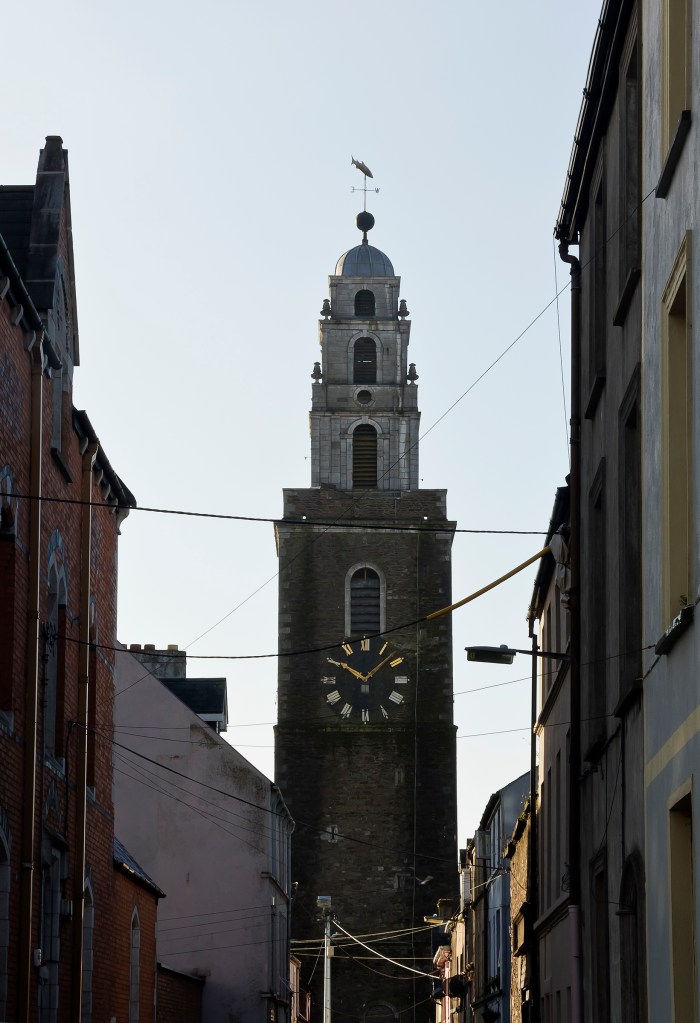
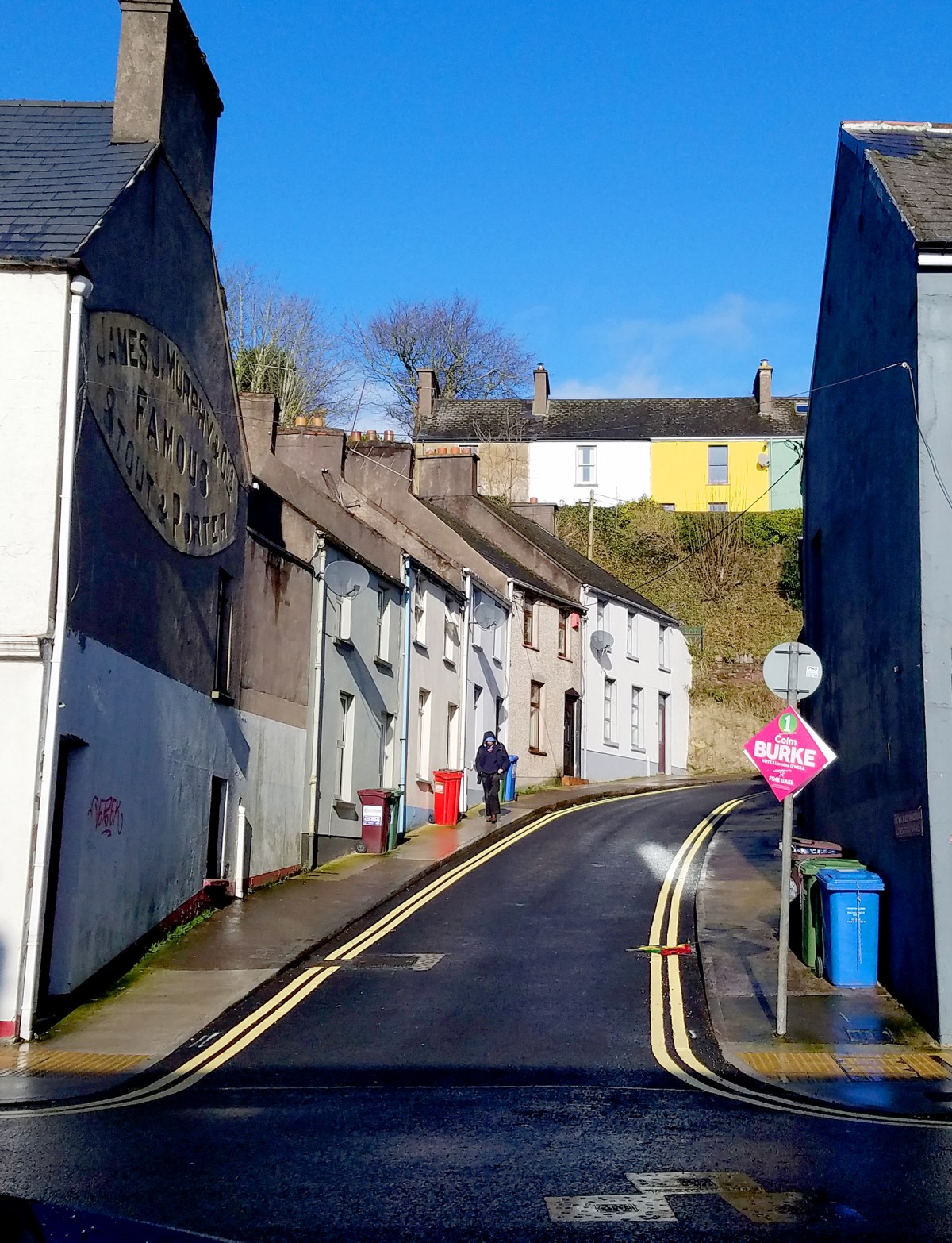
After the station, we decided to walk up the hill to the neighborhood called St. Luke’s Cross. The steeple of the namesake church is the most prominent landmark of the neighborhood, though it can’t be seen from our apartment. We made our way there. The neighborhood gets posher the higher up the hill you get.
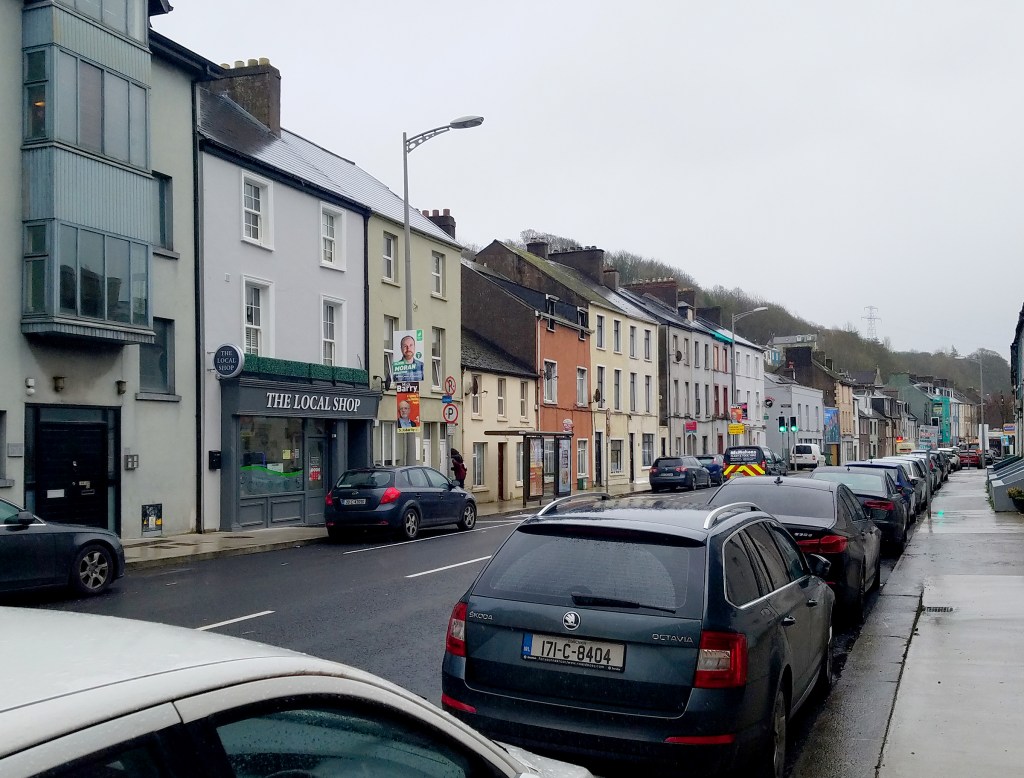
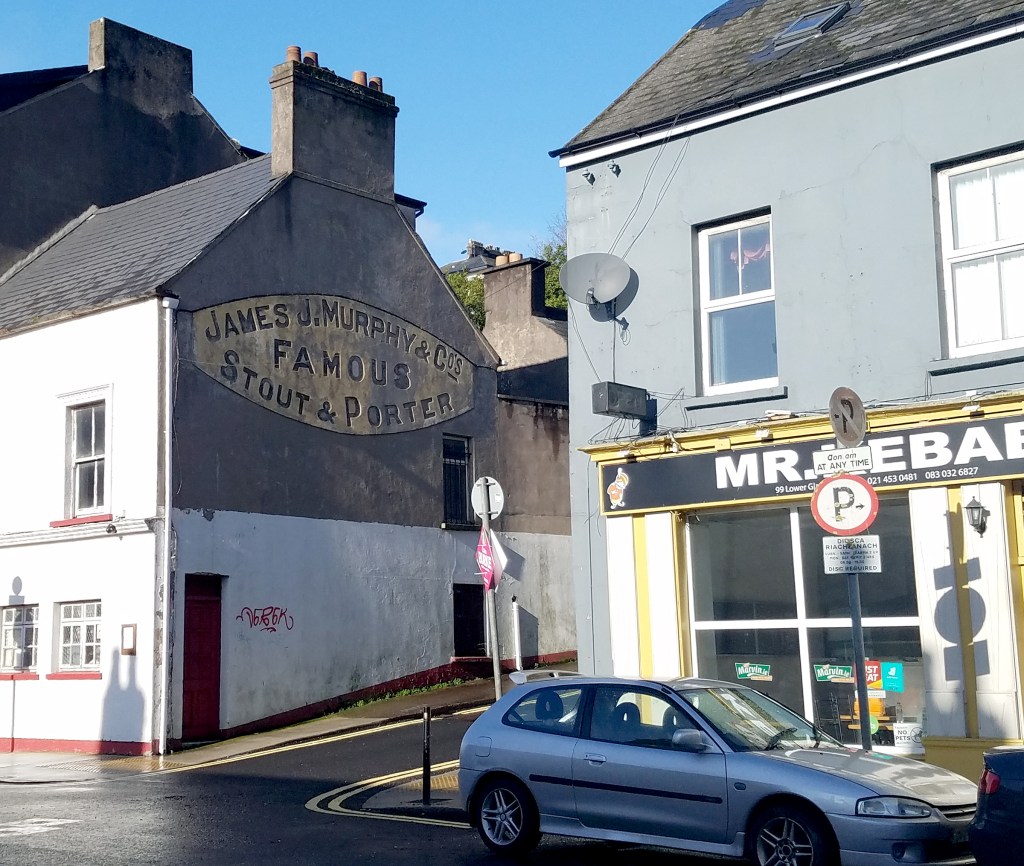
Up the hill to the church.
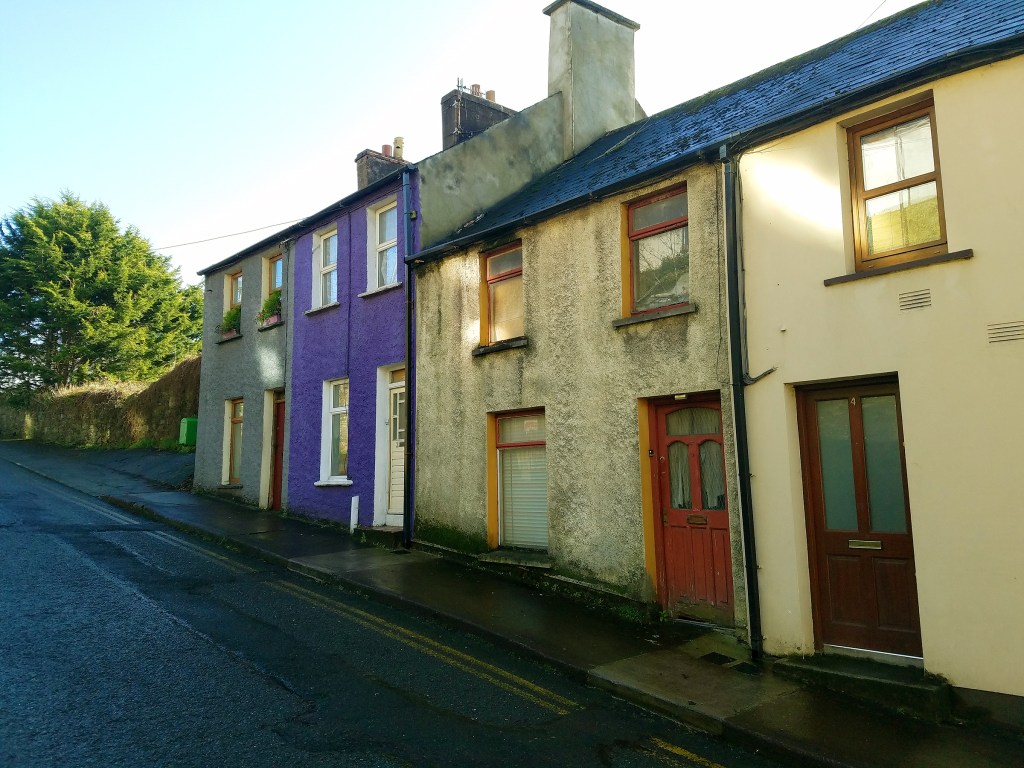
And the church itself.
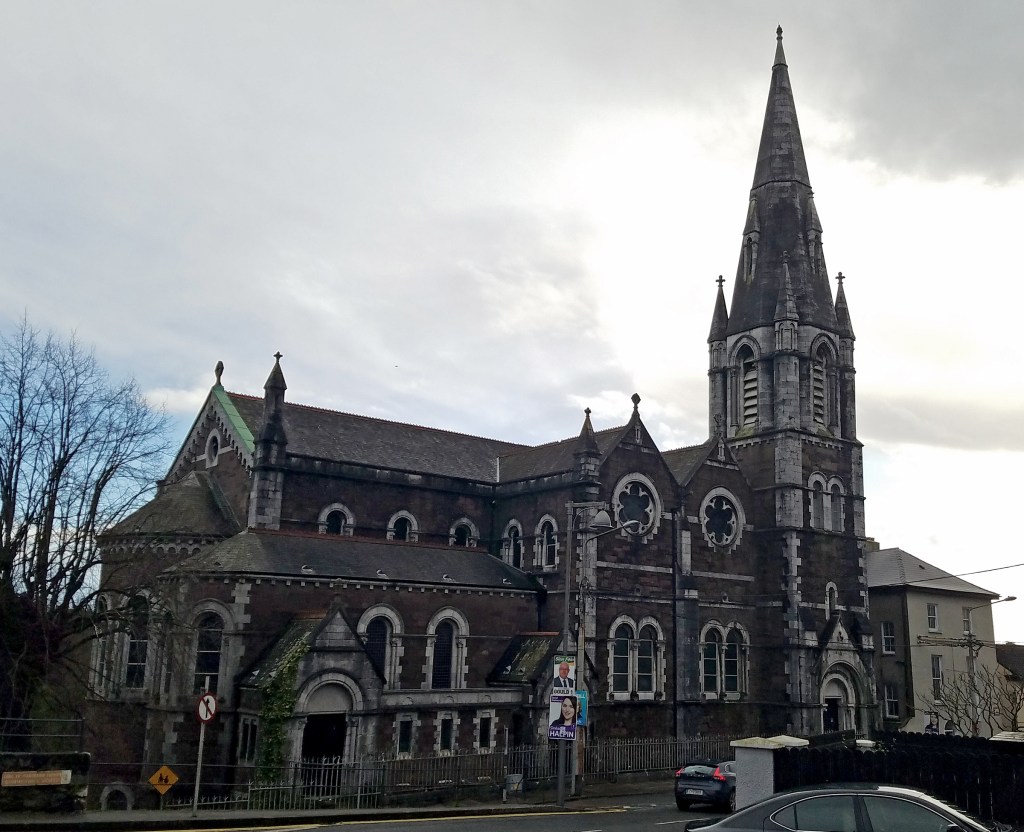
We kept popping in and out of rain squalls, so we ended up ducking into a coffee shop across the street called Rant. First time i’ve seen people i’d describe as old hippies in Ireland, and a little research helps to understand why.

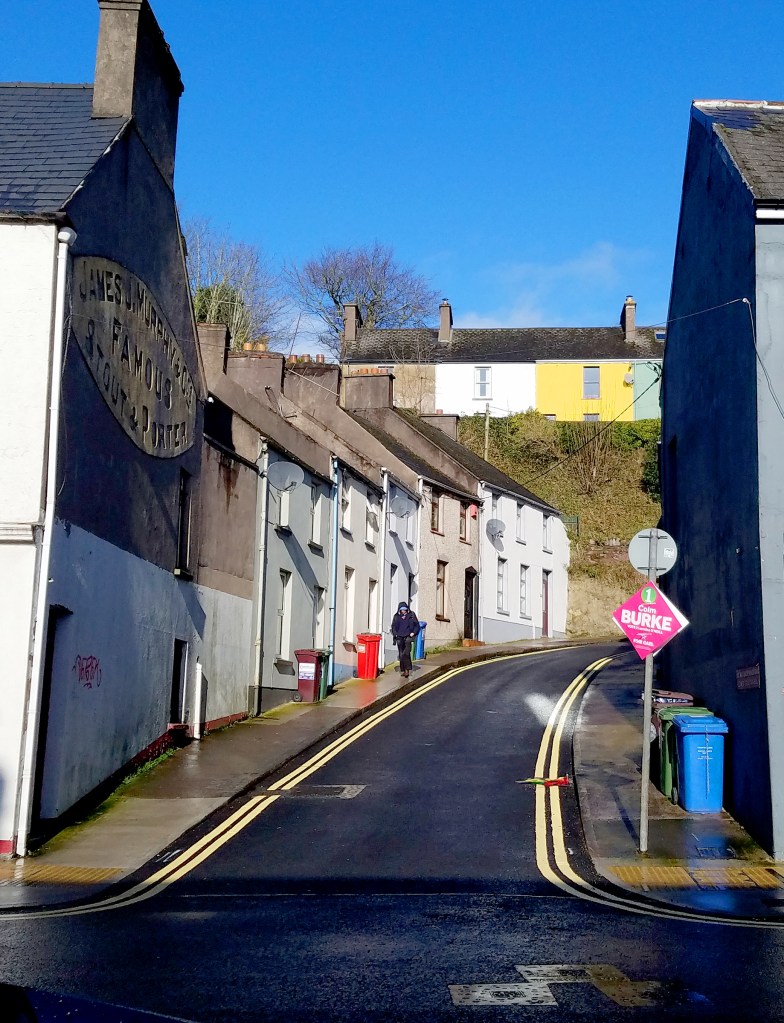
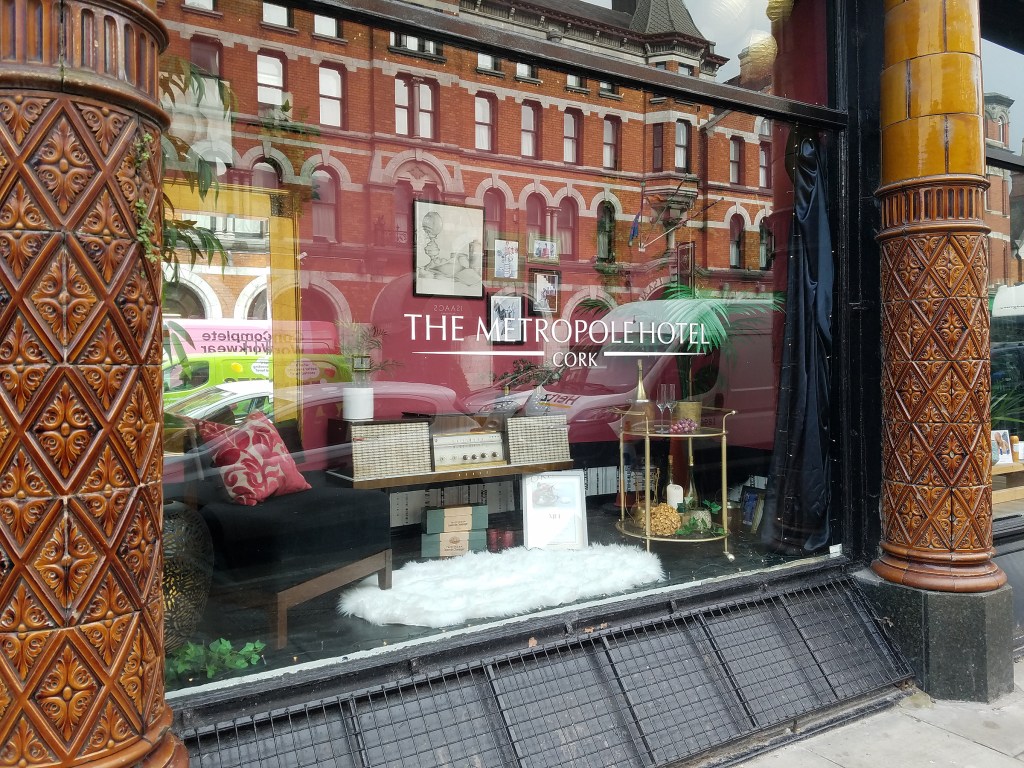
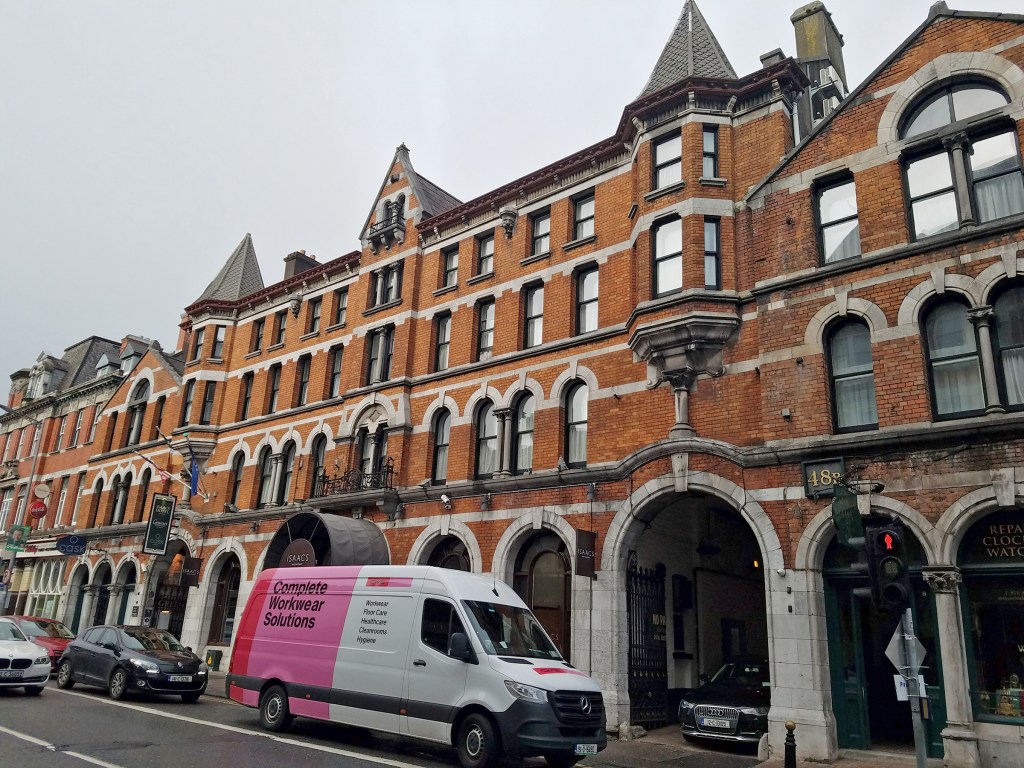
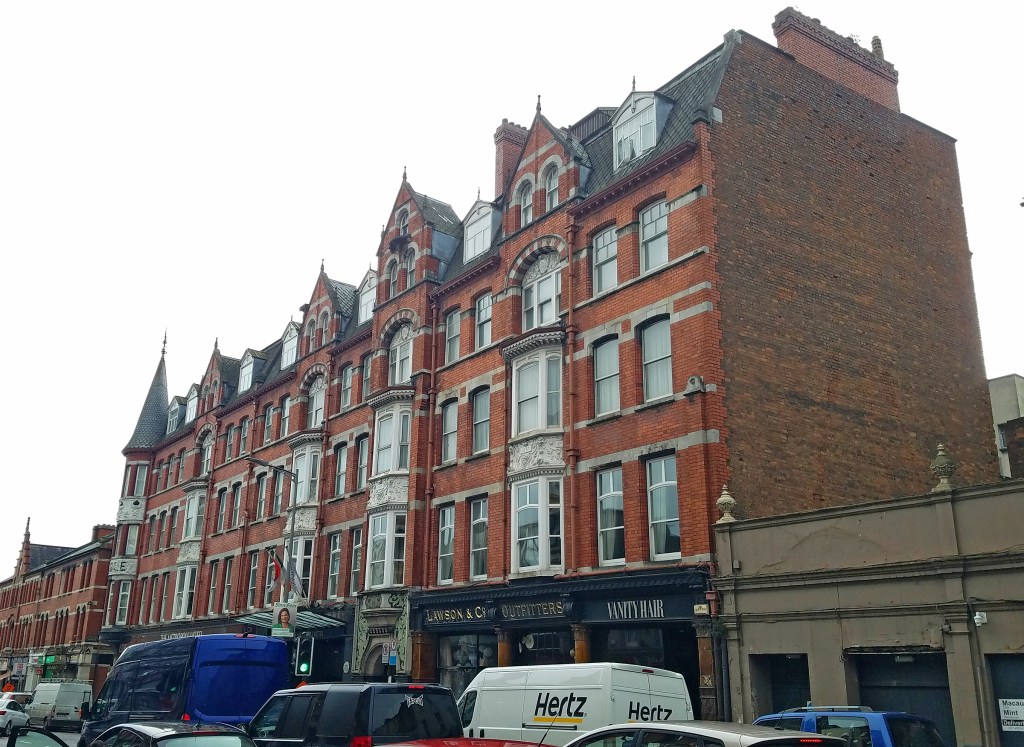
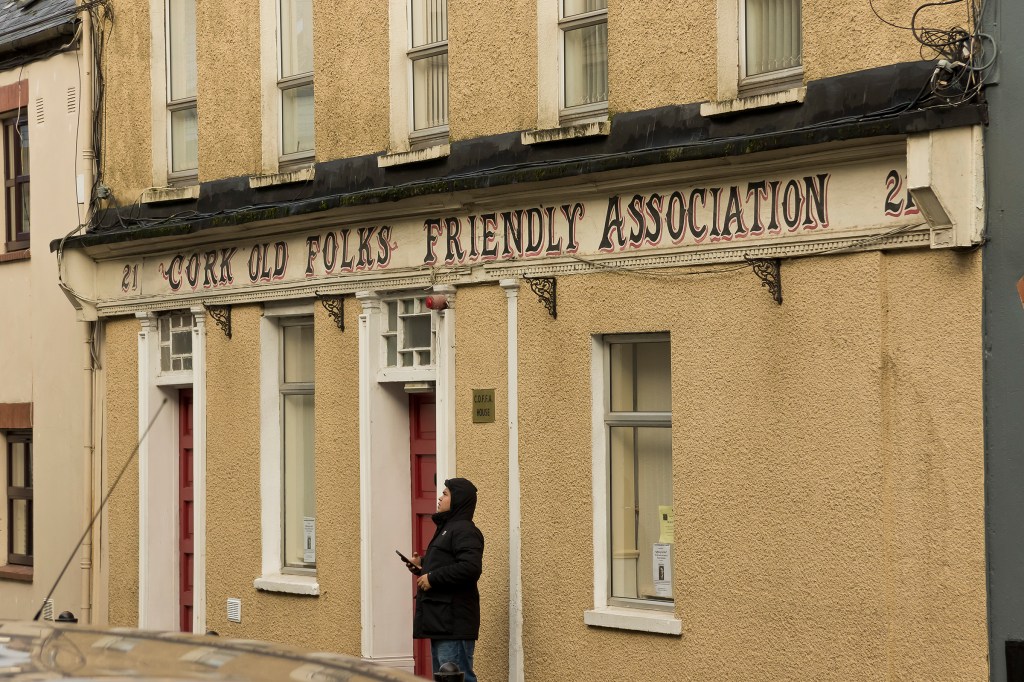
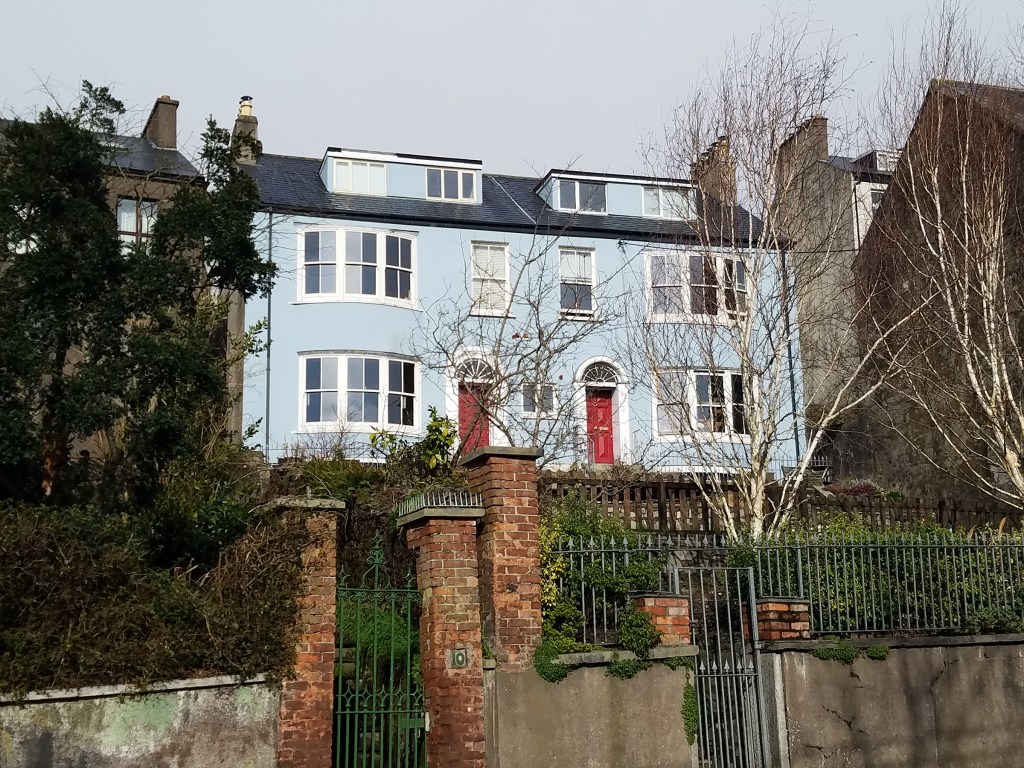
We walked back into town along the Lower Glanmire Road, till it connected to Summer Hill, and then into the Victorian Quarter. It’s a bit of a high street along that stretch.
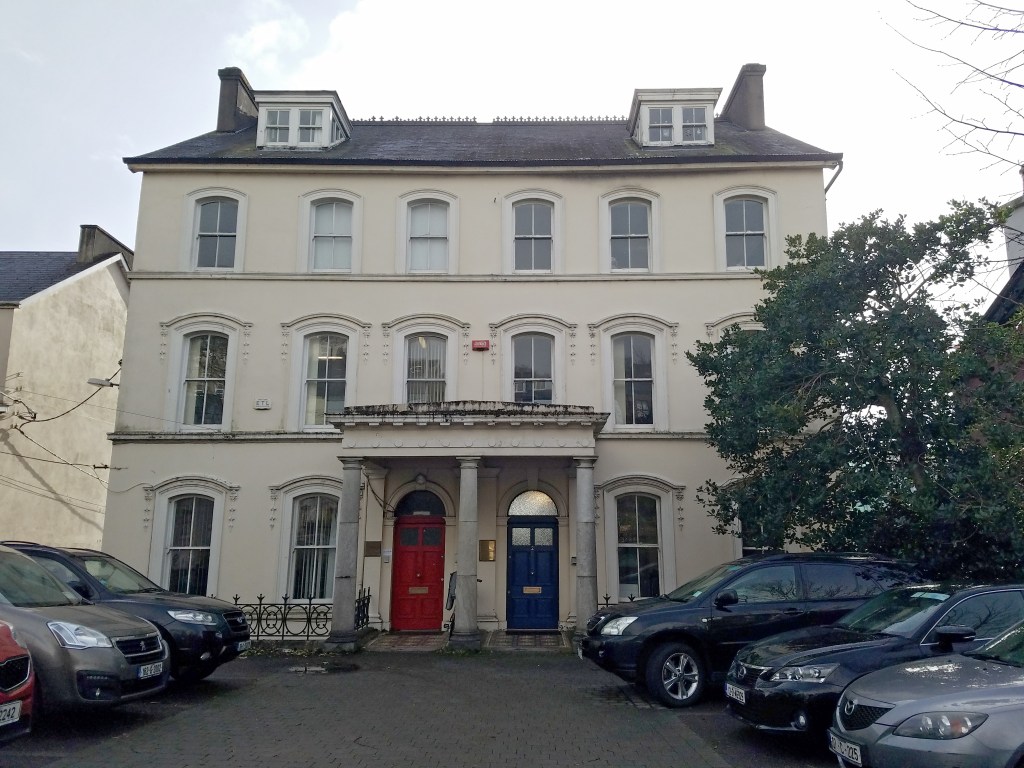
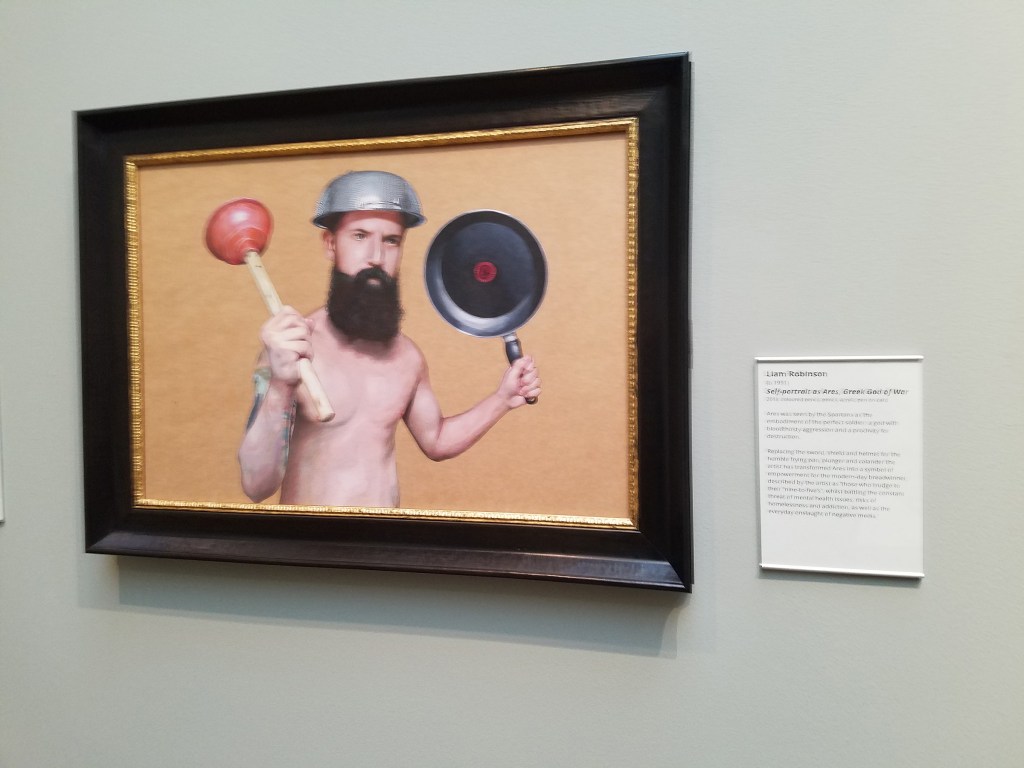
Afterwards, we ducked out of yet another squall and into the Crawford Art Gallery, the municipal museum in the heart of town. It’s located in the old Custom House, from when the docks extended further upriver. I was pleased to discover there are Pastafarians in Ireland.
But i had mentioned earlier a conversation in the train station. A couple of weeks back, on our way down to Cork from Athlone, we stopped in Cashel, to visit the Rock of Cashel, which isn’t really a rock. We ended up walking through a private “museum” of sorts. Basically, just a collection of random artifacts down the hill from the castle, organized into a semblance of a narrative of Irish history over the past couple of hundred years. The proprietor expressed some dissatisfaction with the stories from the States about Confederate statues being removed from the public square, because, you know, history. I was kinda caught out, not expecting to have these conversations here, so i basically disagreed with him, and changed the subject back to Irish history. But i made some mental notes about my response if i encountered that again.

And sure enough, the guy in the train station made almost exactly the same comment. Apparently, the rebel nature of the Confederacy appeals to some segment of the population here, who also consider themselves rebels and the children of rebels.

And it occurs to me that the great con of the Confederacy is claiming the mantle of rebellion for itself. If the Confederacy was about anything, it was about maintaining the status quo of the elites of the day in the face of the mounting anti-slavery rebellion. Slavery had been enshrined in the new country from its founding. The anti-slavery movement began immediately. It represented the change. The reactionaries were pro-slavery. John Brown represented the rebellion. Harriet Tubman represented the rebellion. Sojourner Truth represented the rebellion. In Star Wars terms, Jefferson Davis and Robert E. Lee were the Emperor and Darth Vader.

And how they’ve managed to portray themselves, over 150 years after their deaths, as rebels to a people 4000 miles away remains one of life’s mysteries. But if we do settle here, i know what one of my tasks will be.
Categories
Cork City Ireland Shandon District

Shandon

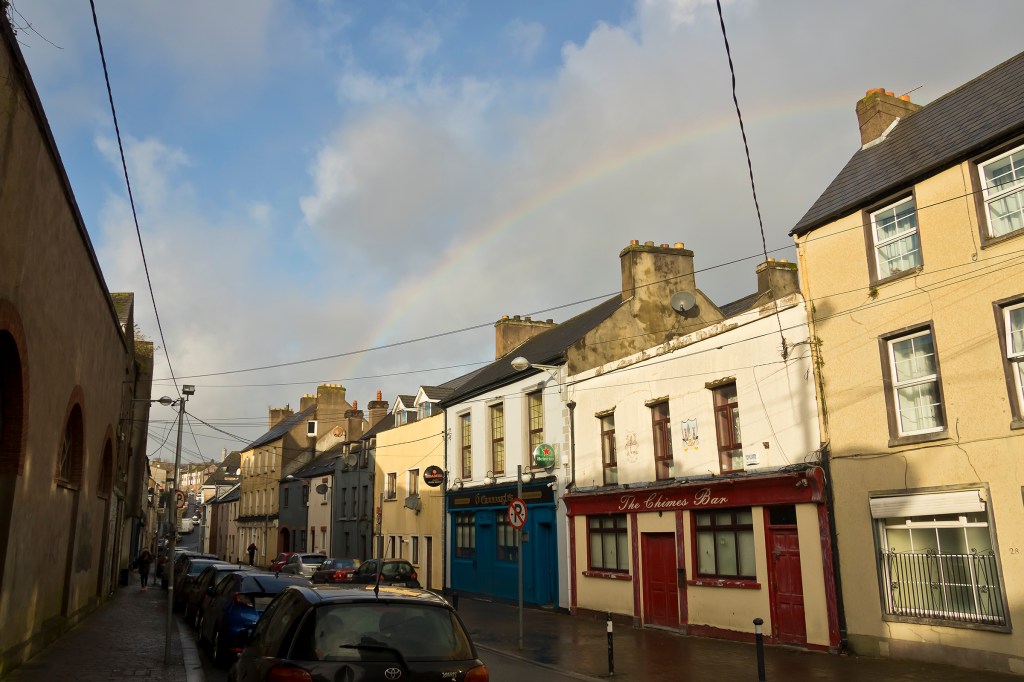
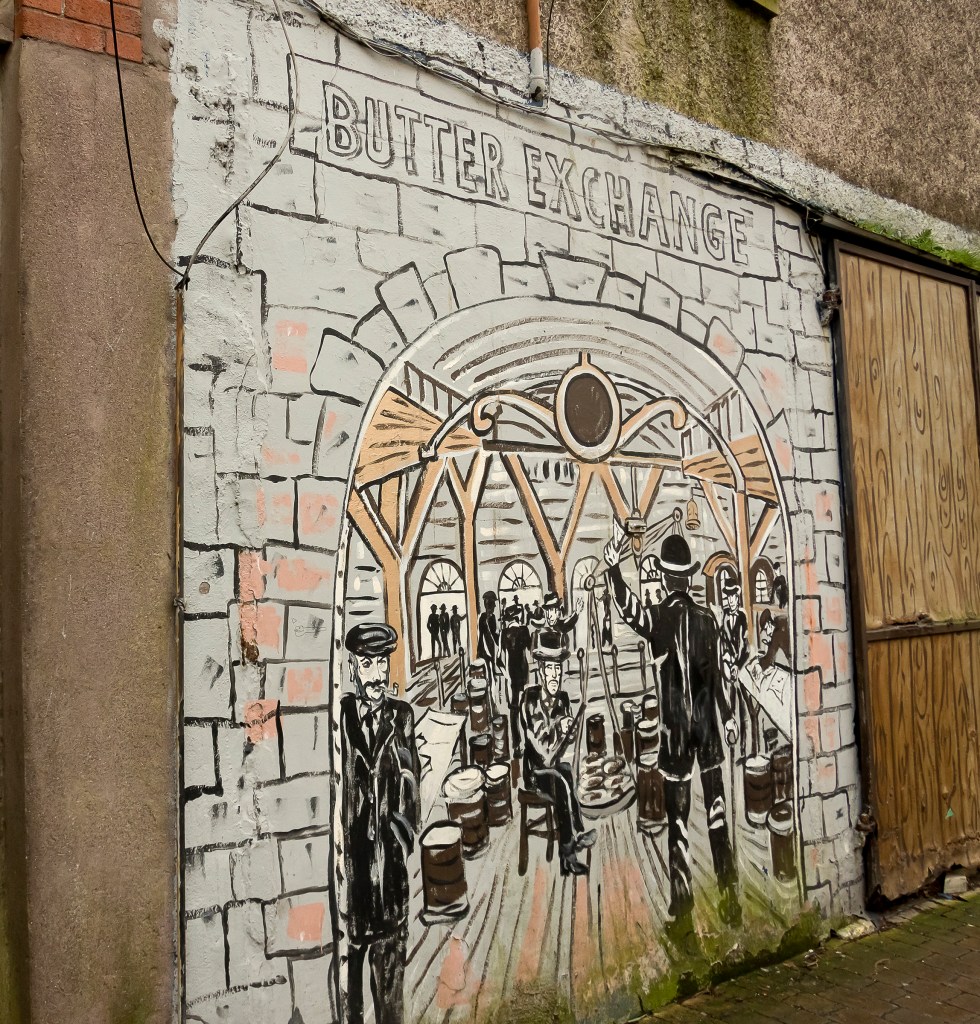
Across the river, and a bit to the east of our apartment, is the Shandon district. It’s old Cork, home to St. Anne’s Church and the Cathedral of Sts. Mary and Anne, as well as the old Butter Exchange and Museum.

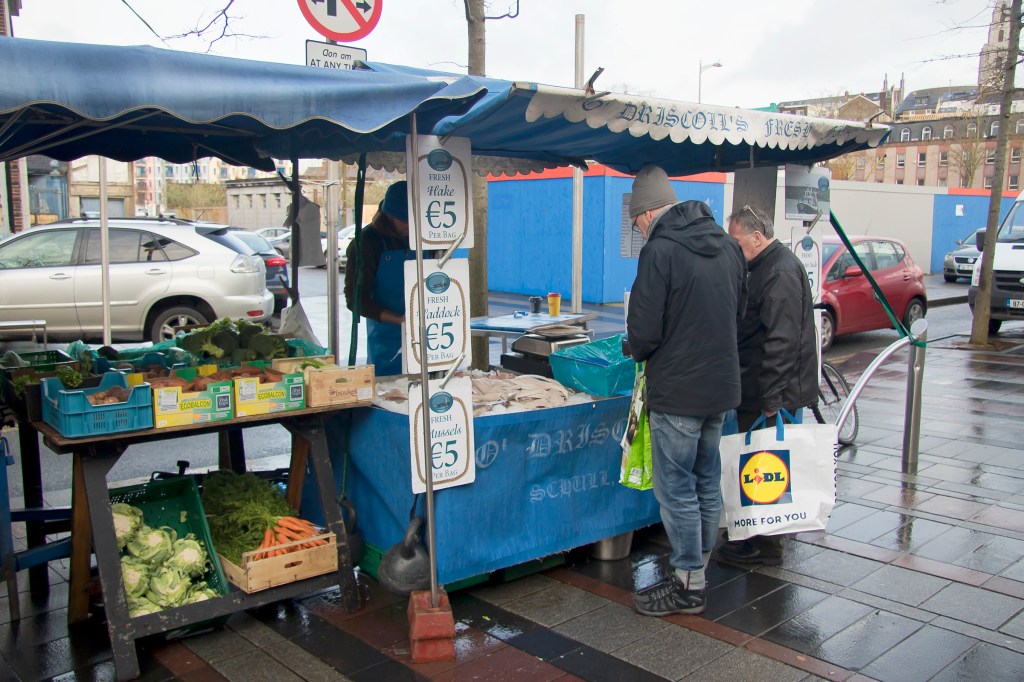
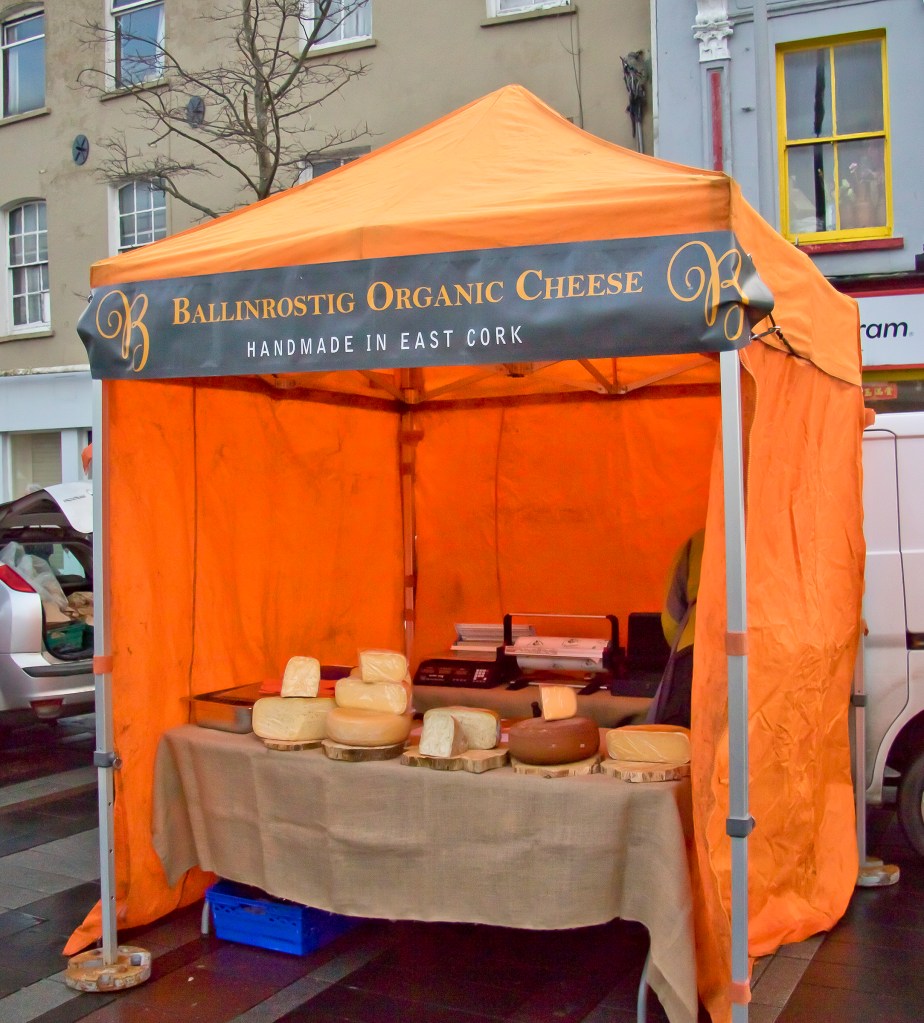
We left the apartment early, discovered the local farmers market on our side of the river, and spent a few hours exploring Shandon and its surroundings.

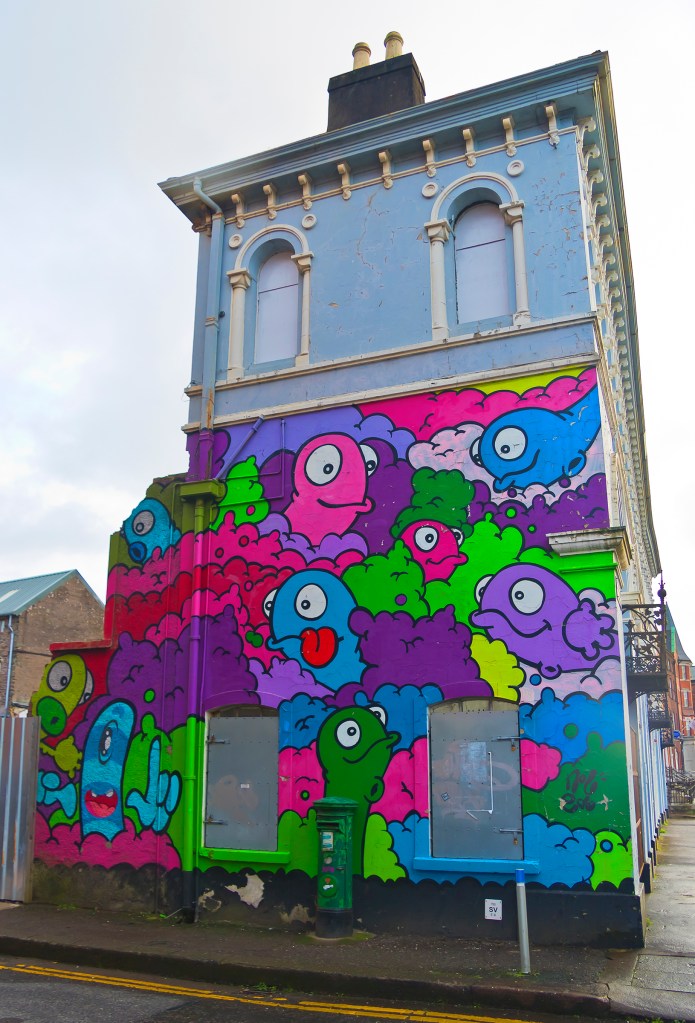
This one will definitely also make an appearance in the next street art post.

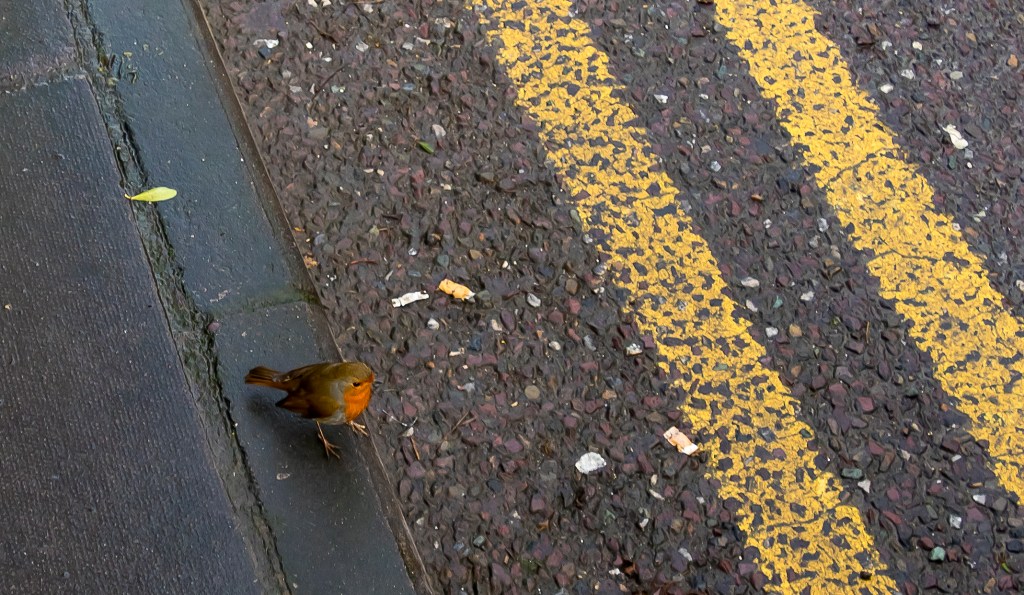
One thing i’ve noticed about Cork is that there’s not really much in the way of dedicated green space. You just have to find nature where you can.

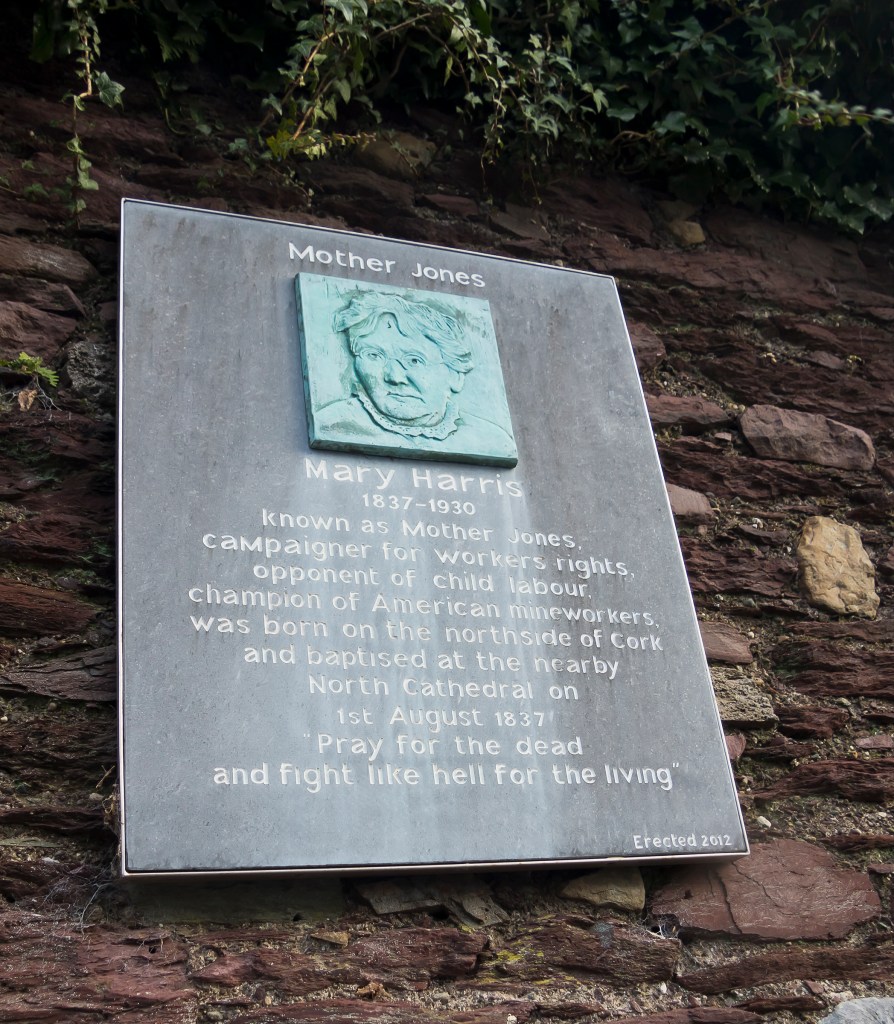
Learned that Mother Jones was born here 183 years ago. We could use her now, no?

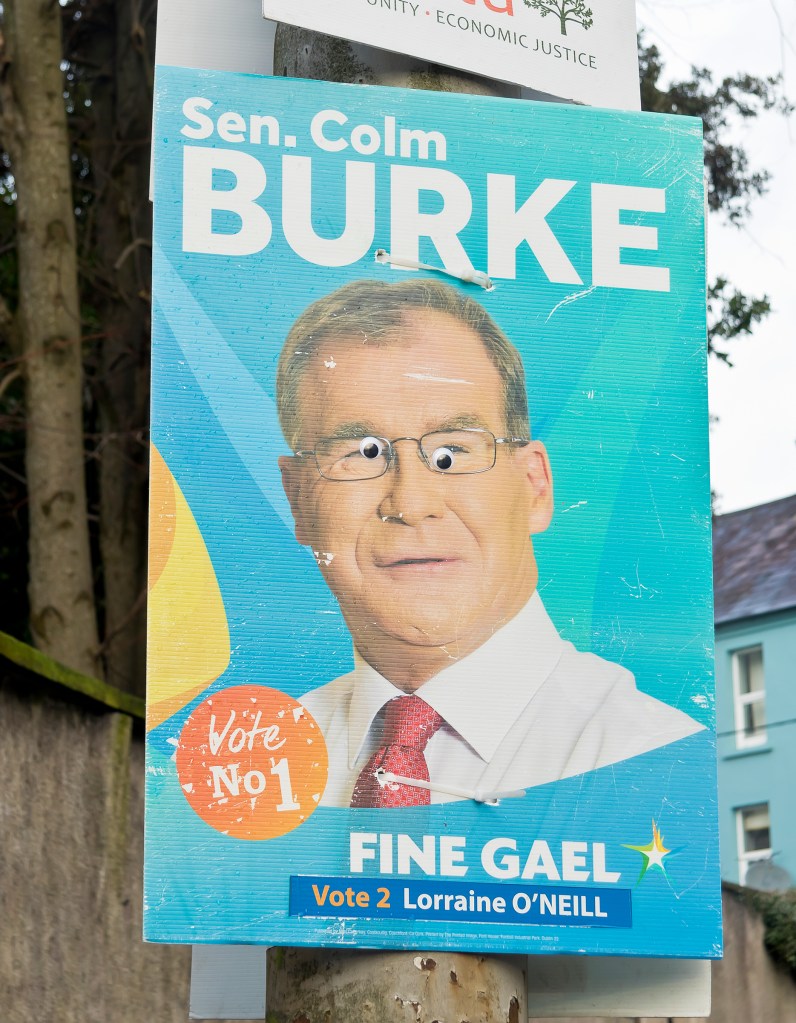
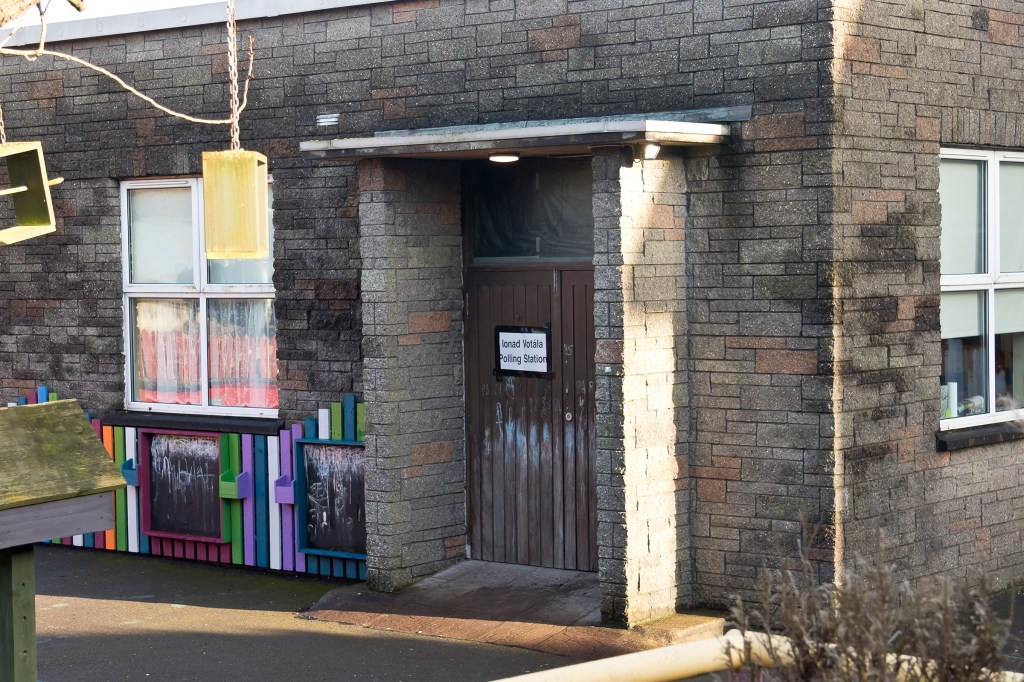
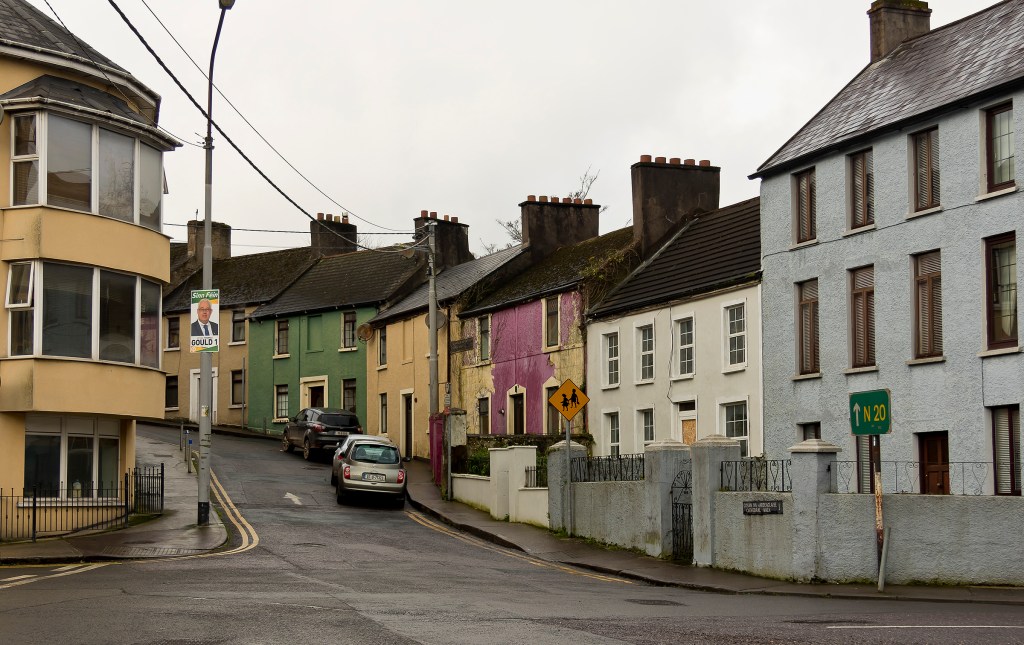
Today’s Election Day in Ireland. I wonder if Senator Googly Eyes will retain his seat?

And just a few more pics of our little walkabout.

I found my peeps, though.

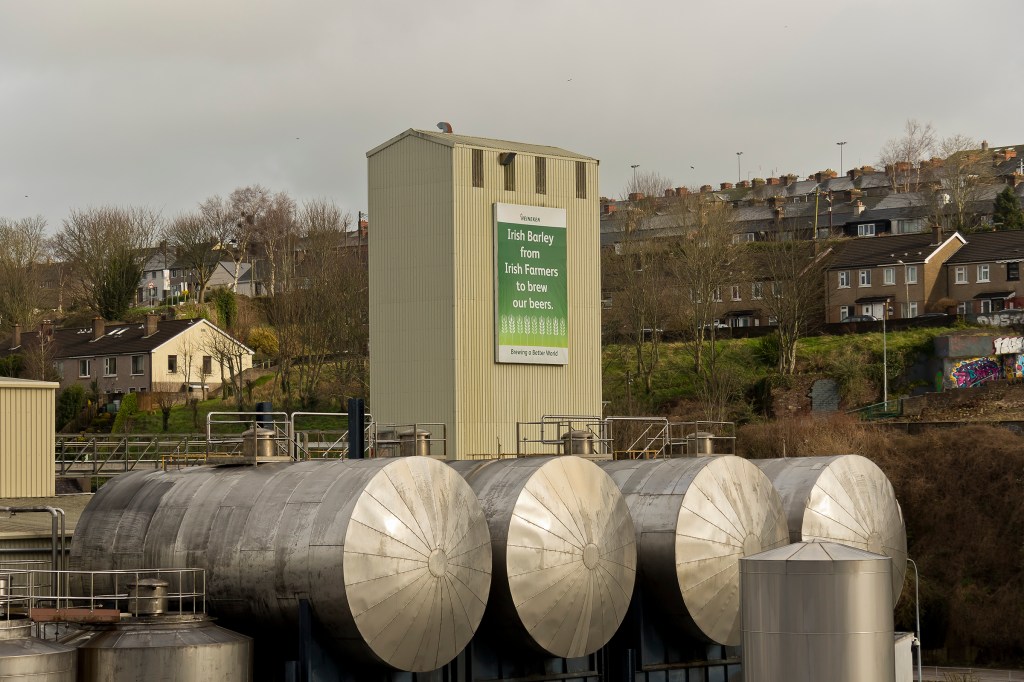
Heineken has a brewery on the edge of the district. Don’t know if they give tours, but it explains why the brand is so prevalent in this city.

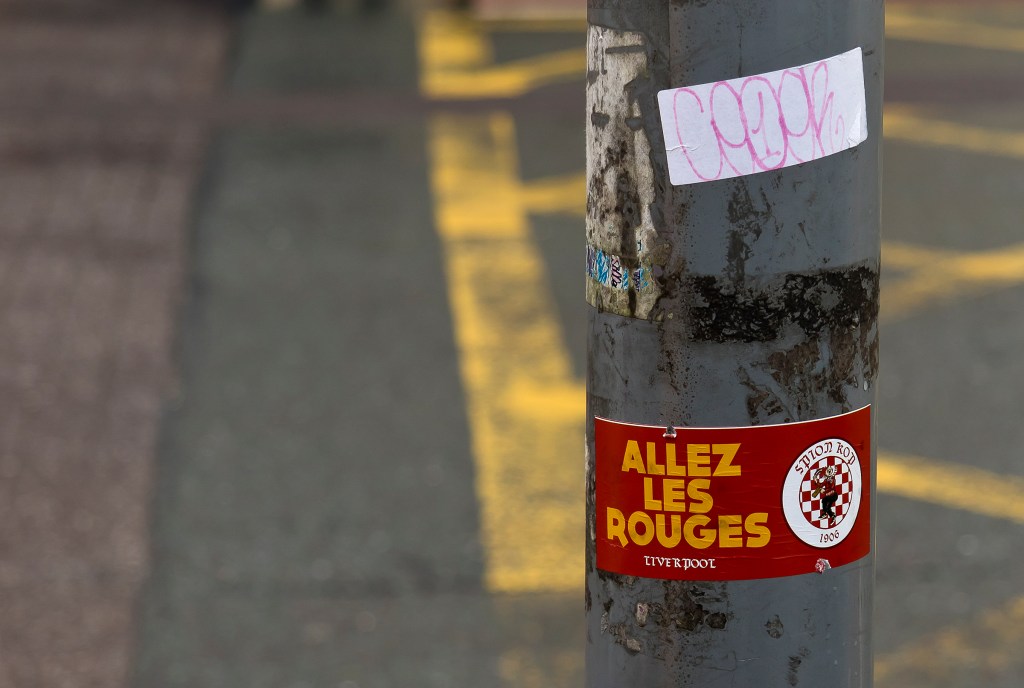
They’re everywhere these days, aren’t they?

Categories
Cork City Ireland

Nano Nagle

Before we arrived in Ireland last week, we had done a little advance scouting on things we might like to do. One of them was the Chinese New Year celebration at Nano Nagle Place, about a mile from our apartment. Neither of us knew anything about the site, its history, or why they’d be celebrating the lunar new year.

You can find a bit of Nano Nagle’s backstory here – http://nanonagle.org/

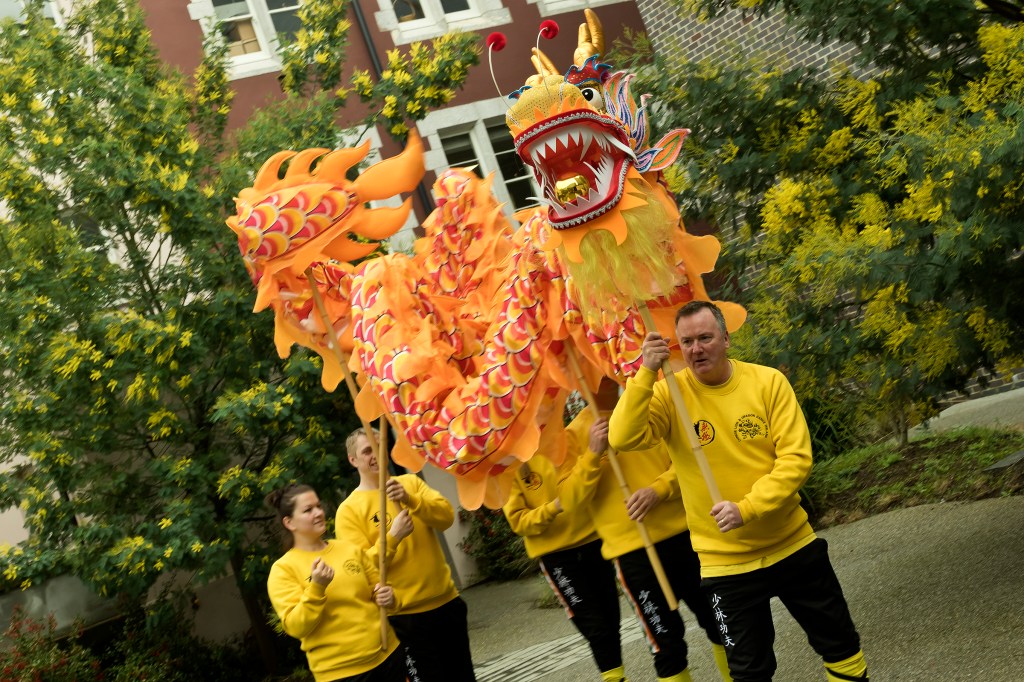
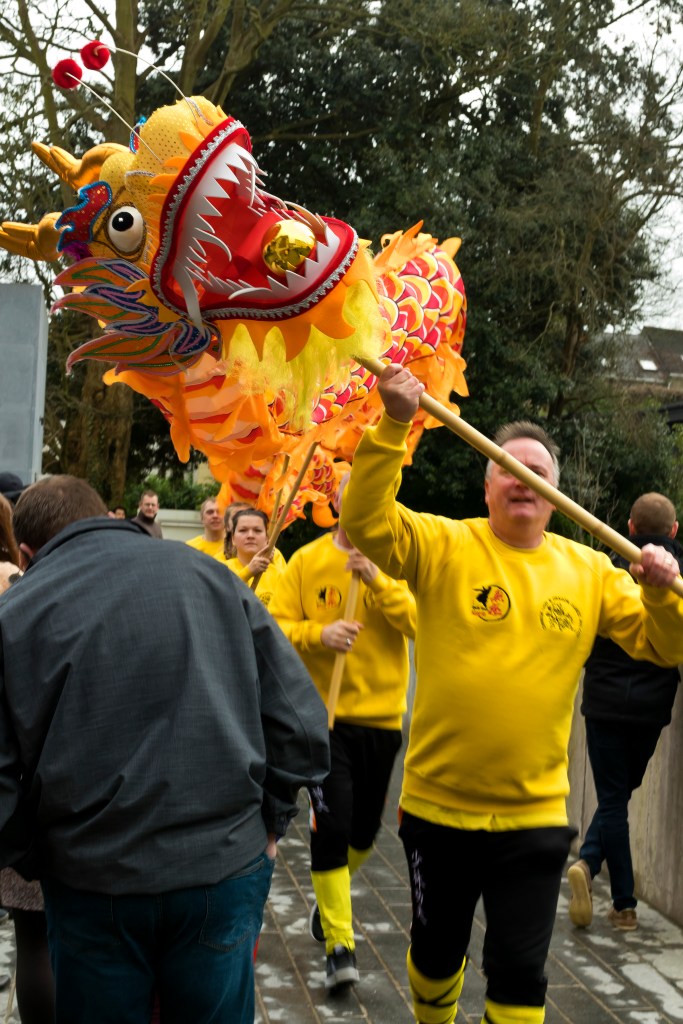
The actual celebration was, umm, earnest, if a little underdone. A team of 5 dragon dancers ran around the gardens a couple of times, while a couple drummers beat an interesting Sino-Celtic rhythm.

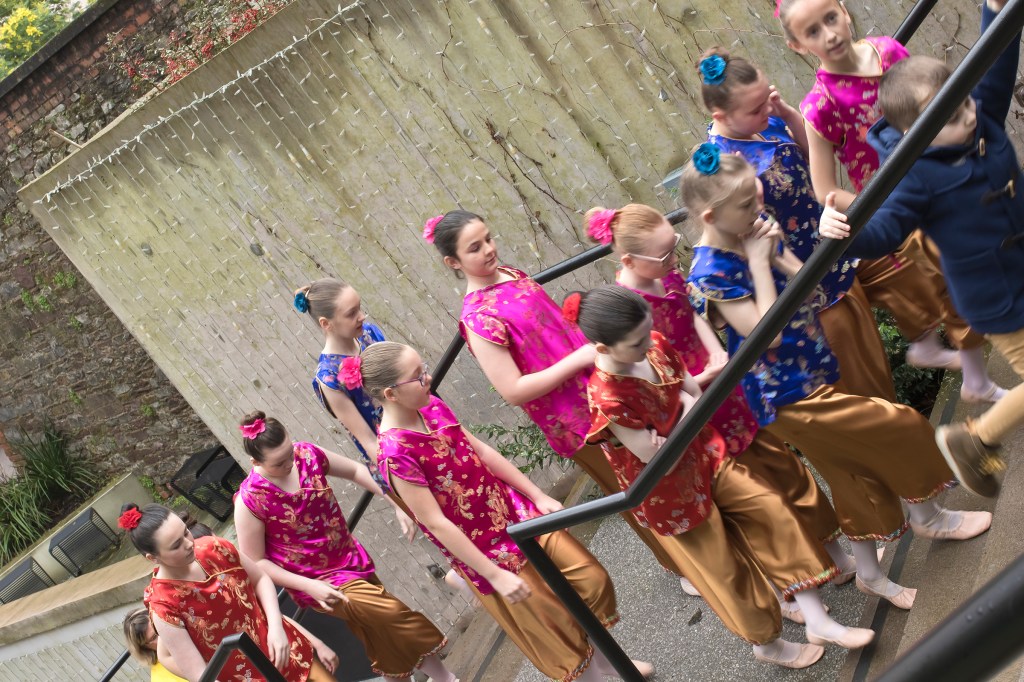
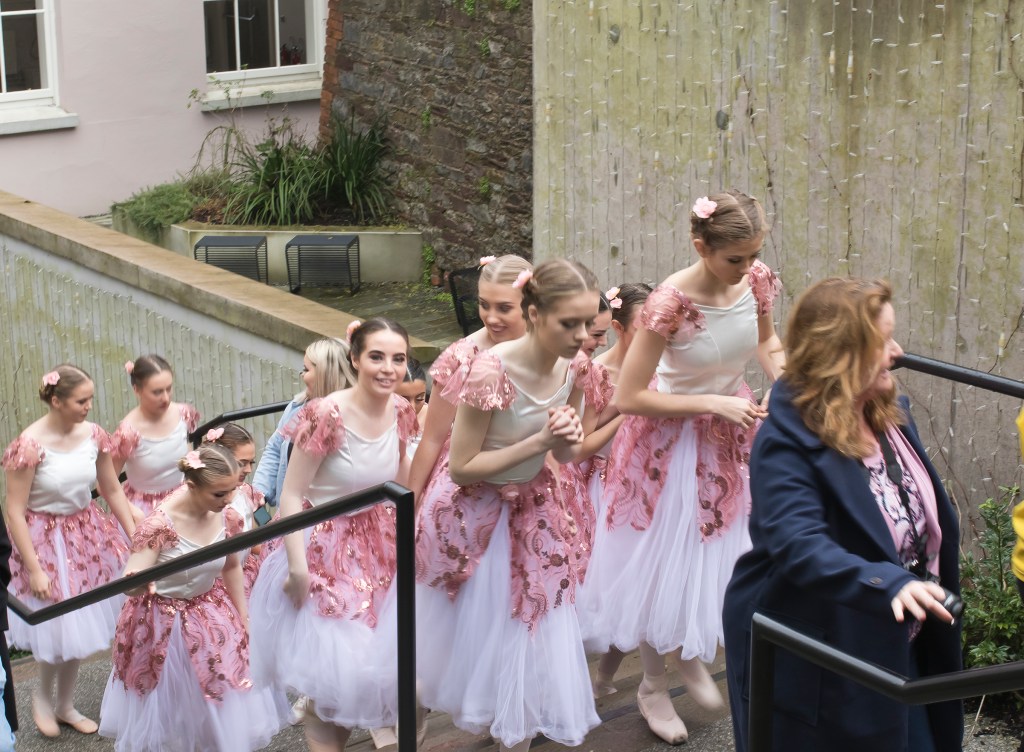
A number of young persons dance troupes also performed at a separate, indoor event. Seating for that was limited, so we skipped it and just wandered around the grounds a bit before heading home.

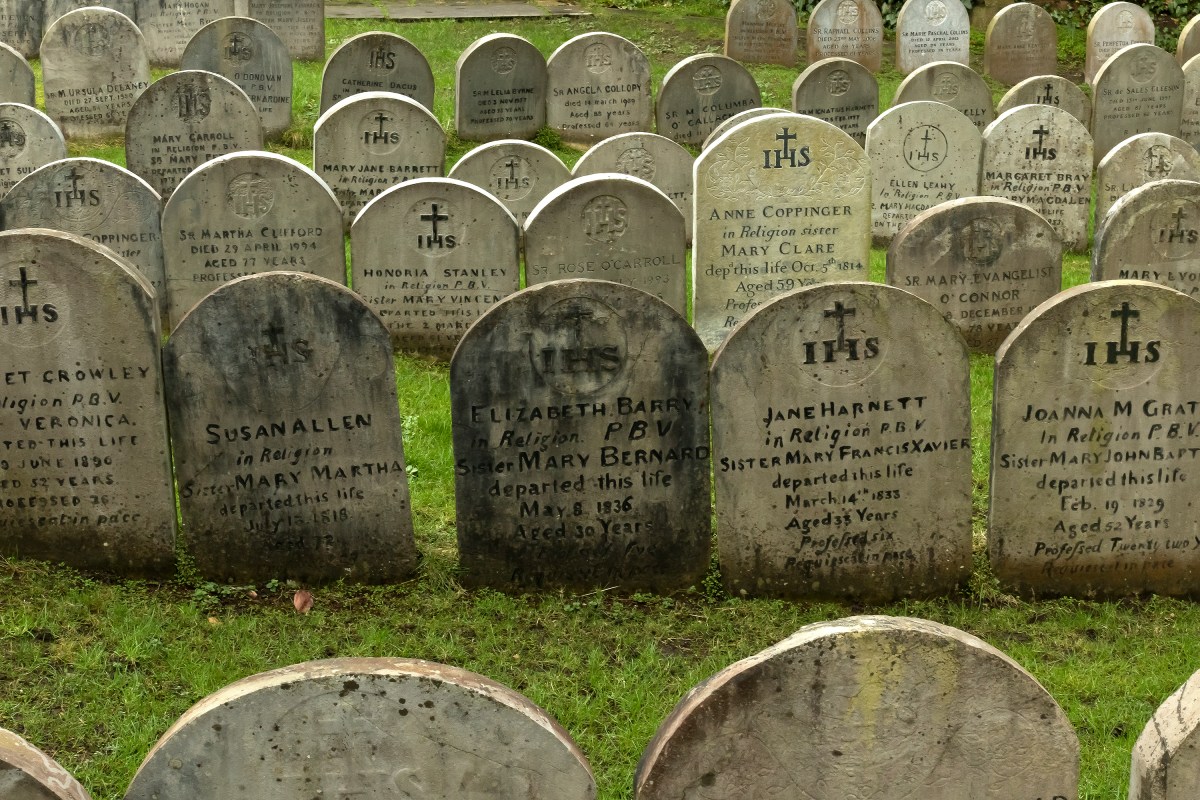
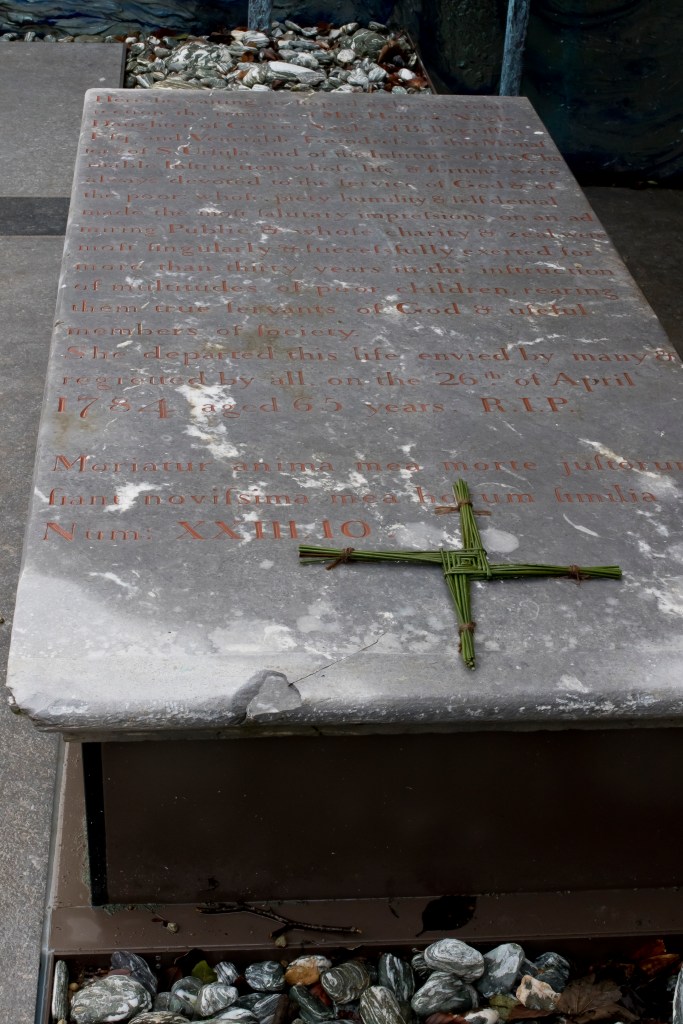
Nano Nagle crypt with St. Brigid’s cross

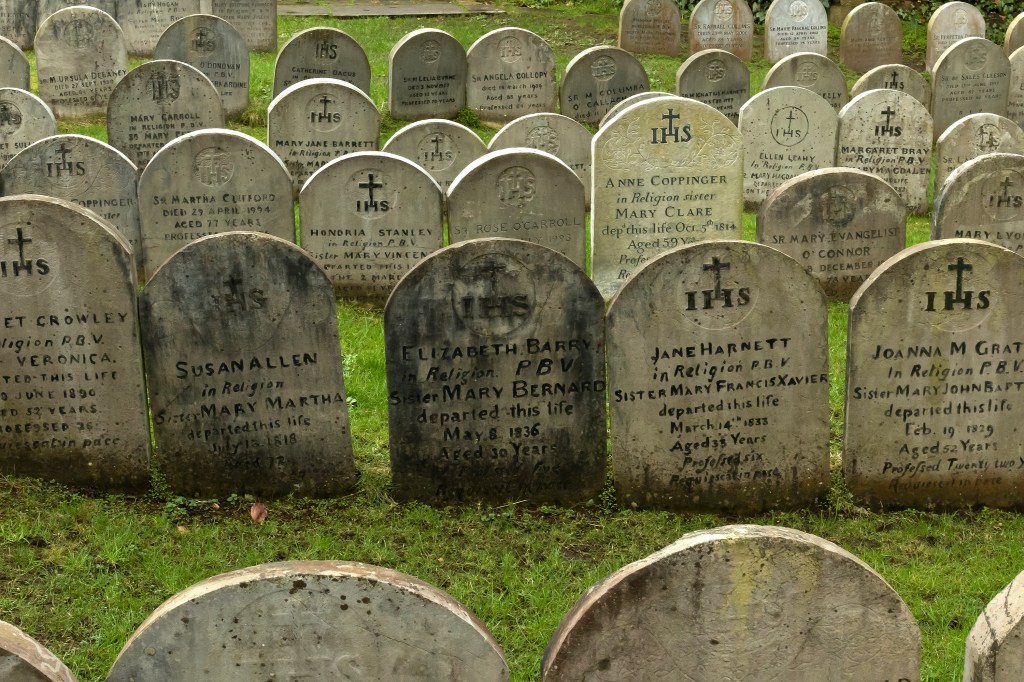
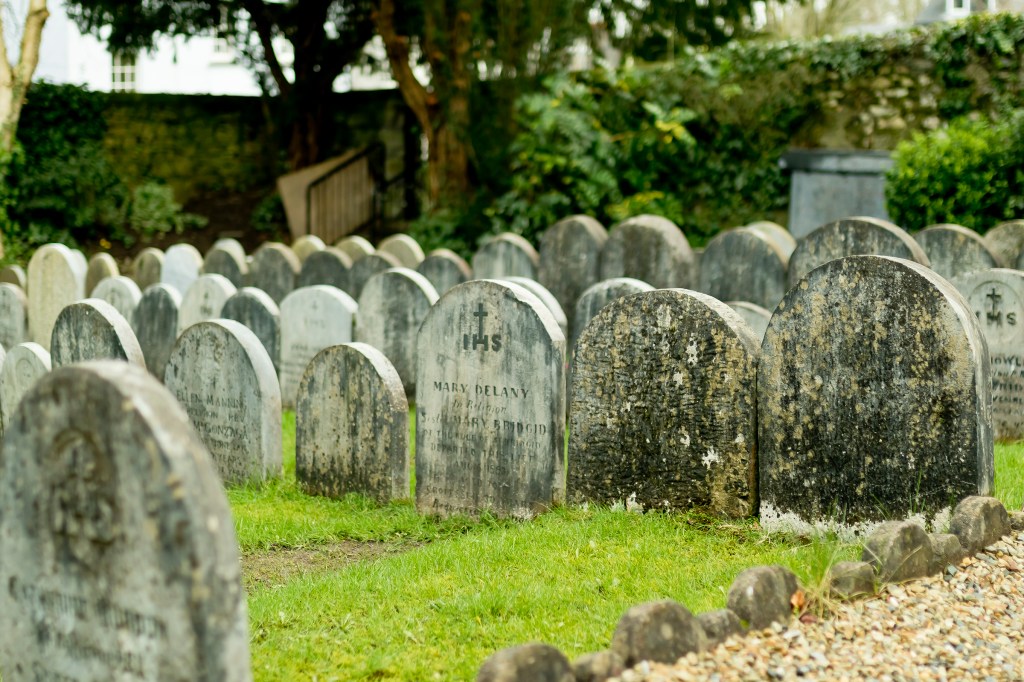
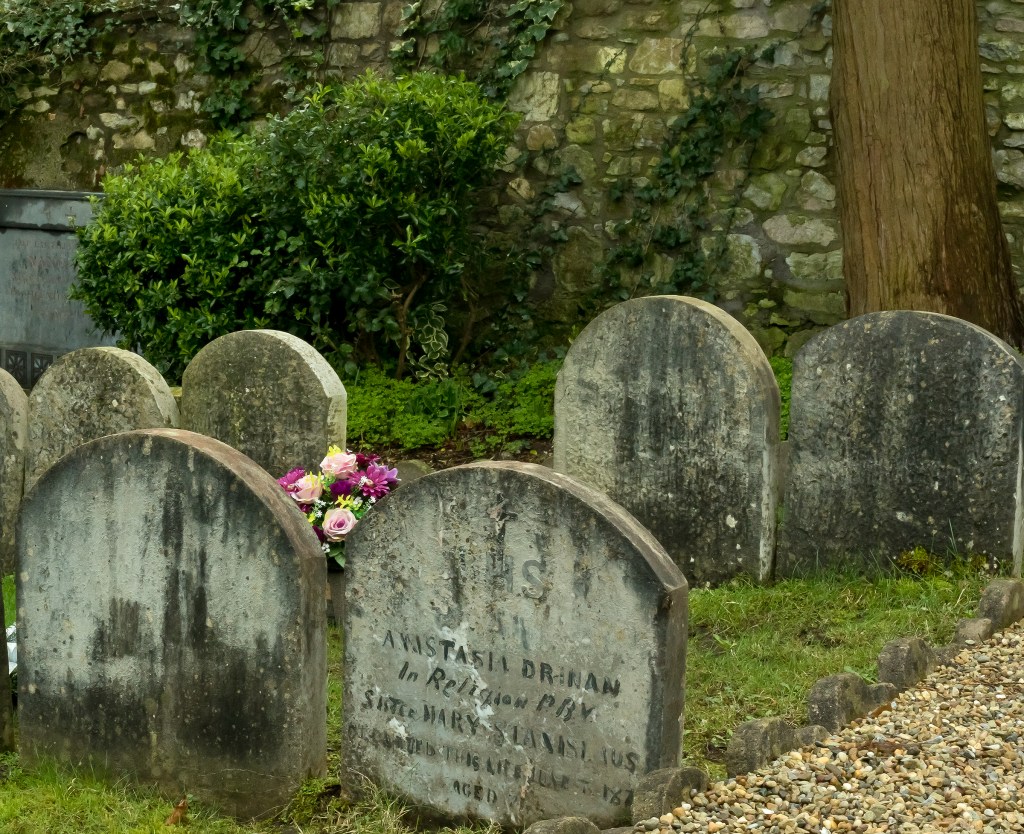
The site served as a learning center for Catholic children in the 18th century, at a time when the English Penal Laws forbade educating Catholics, as well as a convent for the Ursuline Sisters.

Categories
Cork City Ireland

Cork City, West End

Being from the US, the cities that Cork most reminds me of geographically are New York and Pittsburgh. All have rivers running through their hearts, which bracket or surround a densely built island or peninsula. Pittsburgh and Cork’s rivers are eminently walkable, with footbridges that are at most a few hundred yards apart. Manhattan’s East River can be crossed on foot, but the bridges are higher, farther apart, and traverse a greater span.

Today, we walked over to Cork’s west end, where the River Lee splits into its north and south branches on its way around the island that is the city center.

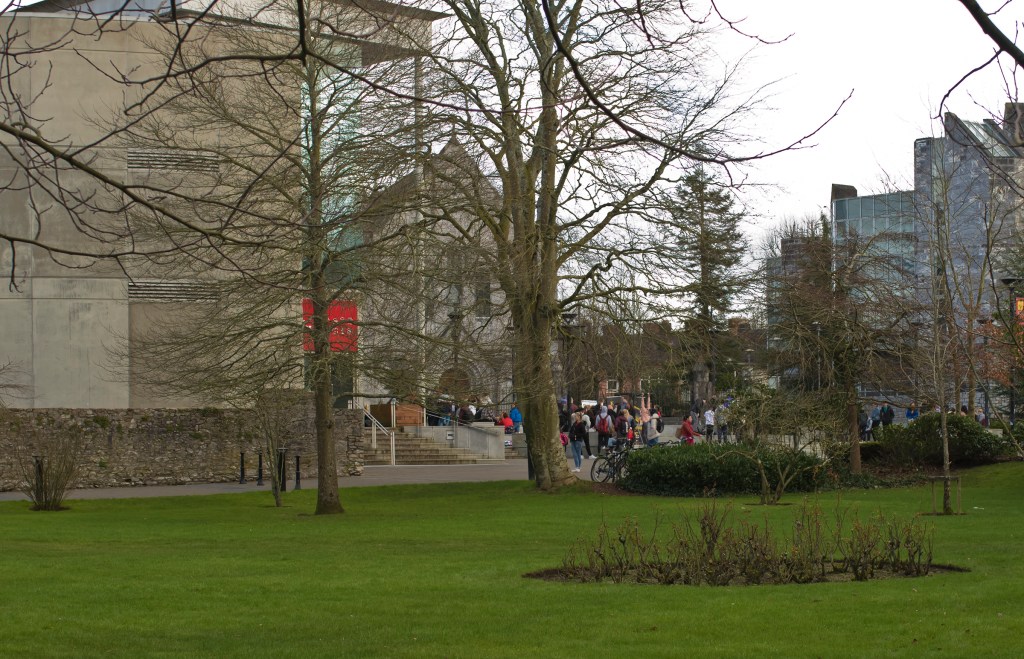
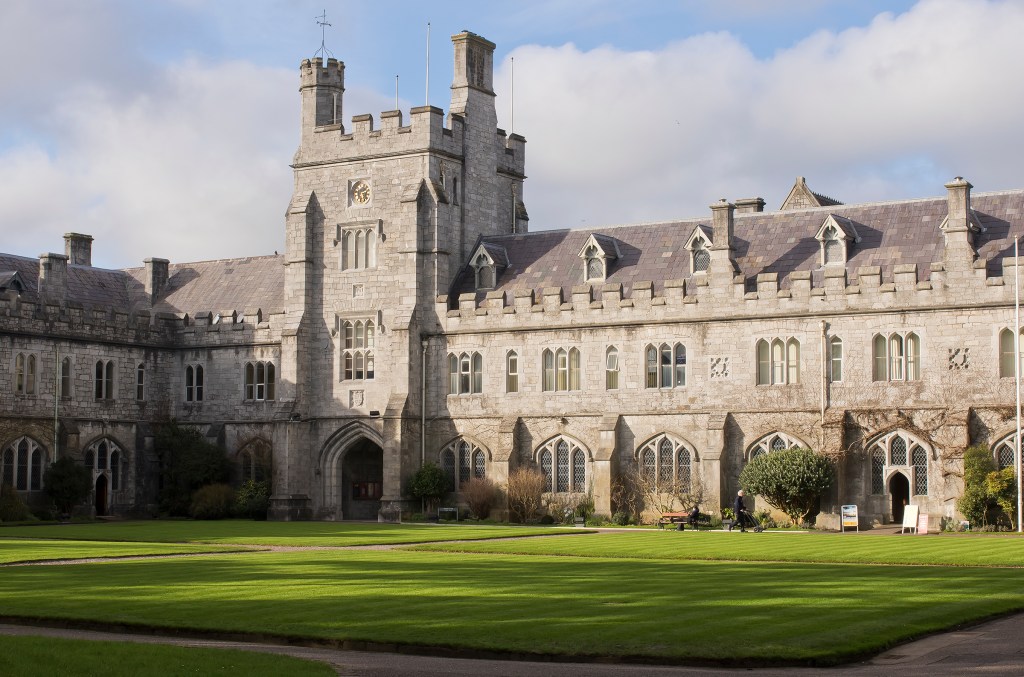
We passed through University College of Cork, and i am surely not the first person to ask which is it, then, a university or a college?

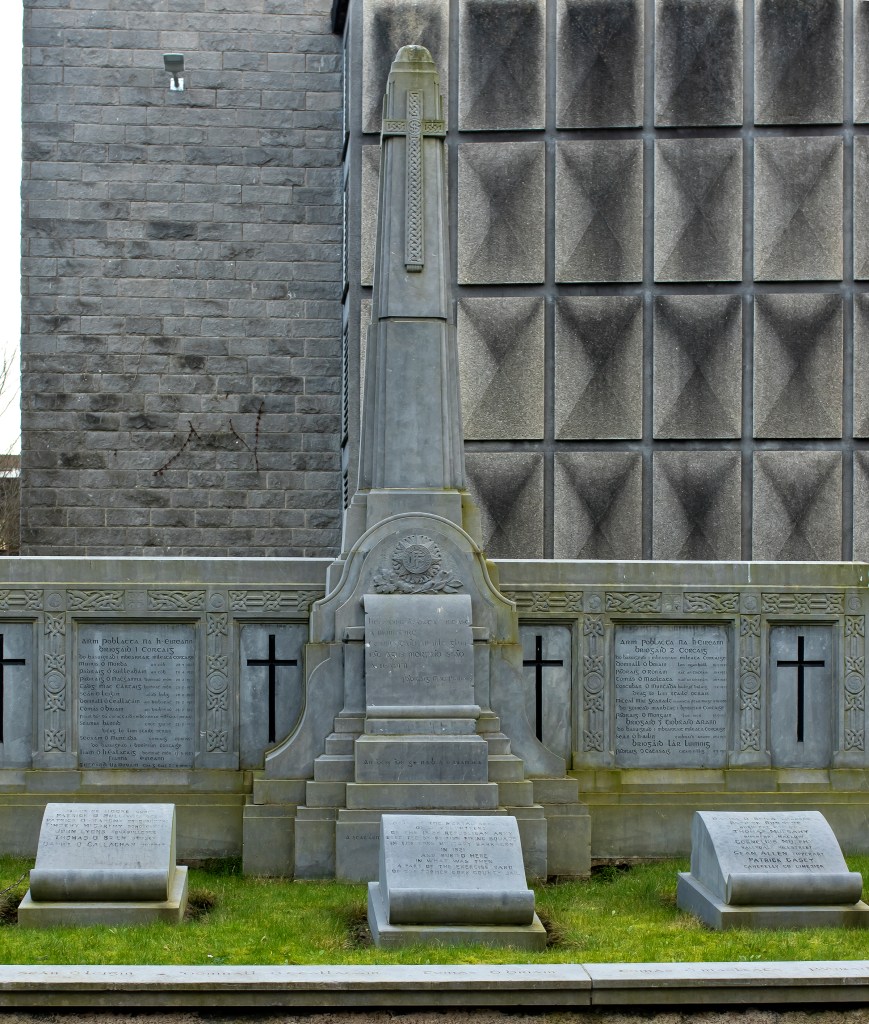
Memorial to volunteers who were executed at the site of the university by the British during the war for independence in 1921.

The walking trail continues past the university to the branching of the river.

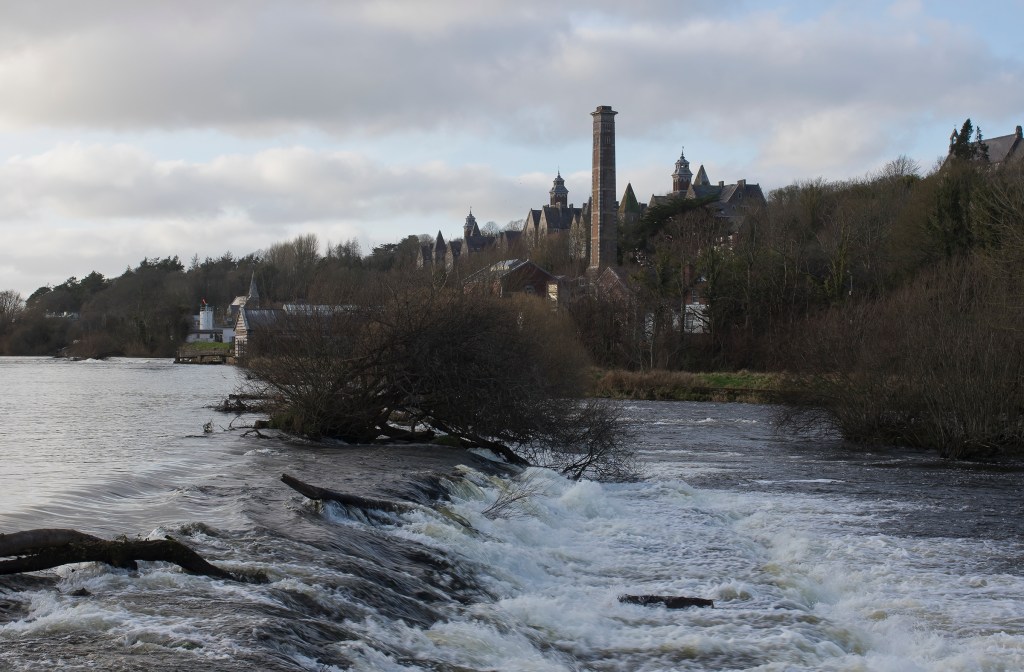
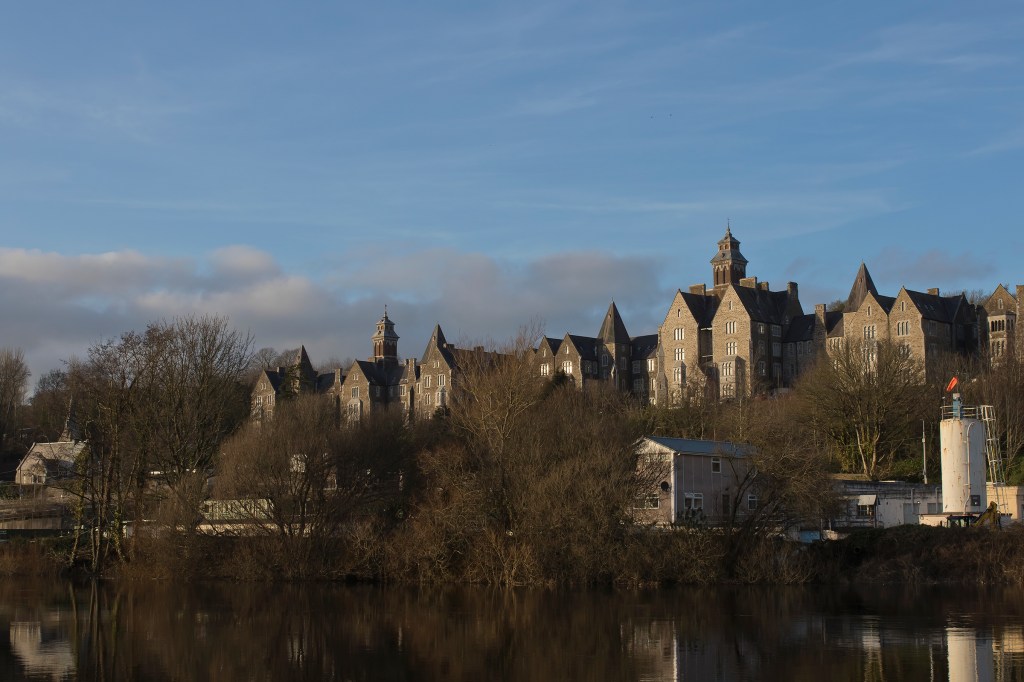
The Atkins Hall Apartments, formerly an insane asylum, now luxury apartments. Rumor has it that some of the apartments are haunted. We considered staying there, but decided it was too far (about 40 minutes) to be walking into town each day.
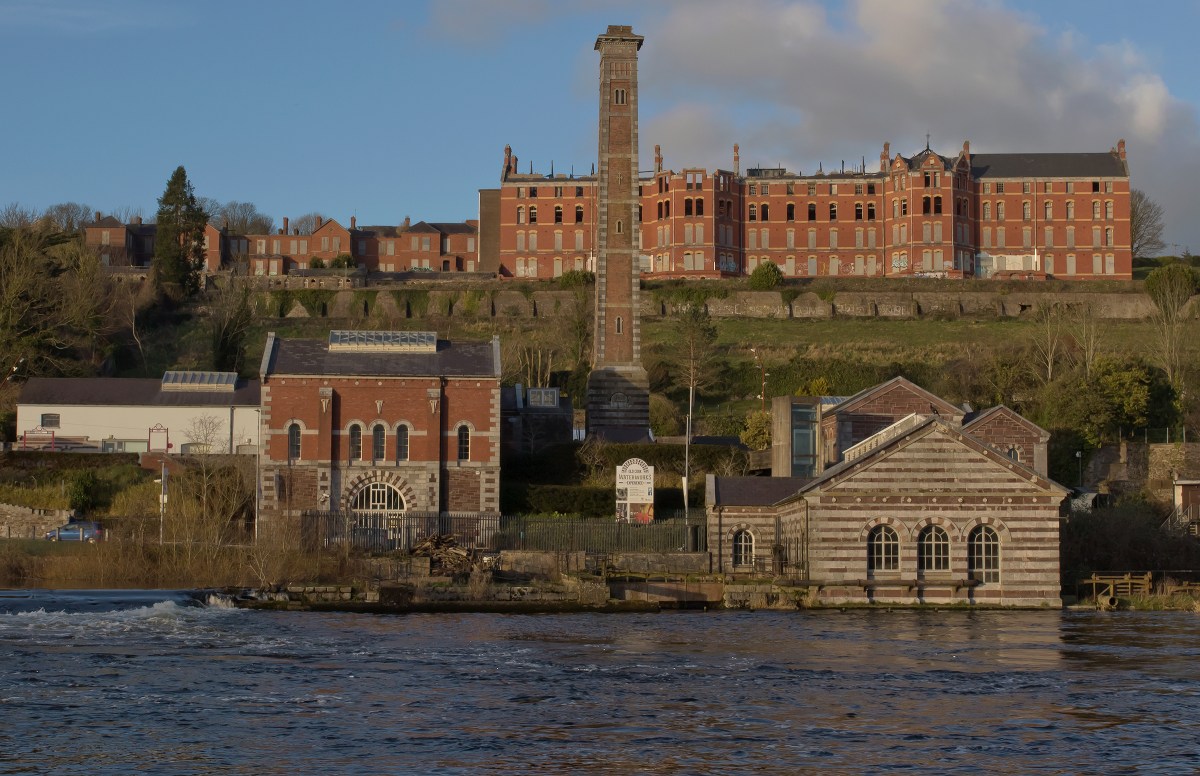
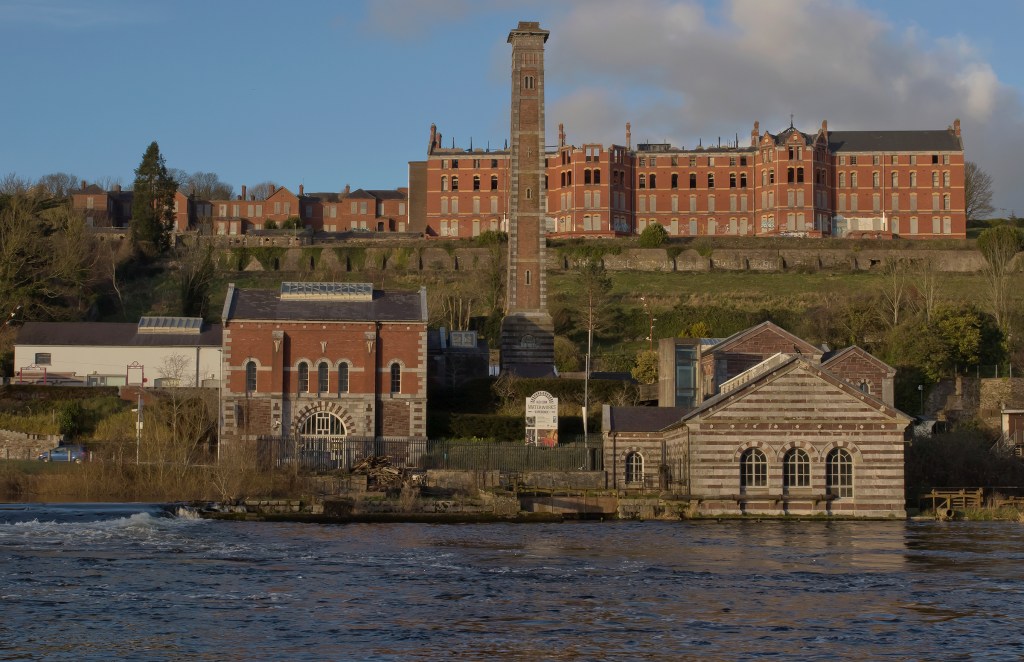
In the foreground, the Old Cork Waterworks. Background, St. Kevin’s Asylum, also converted to apartments but, if my eyes don’t deceive me, no longer in use as the result of a fire.

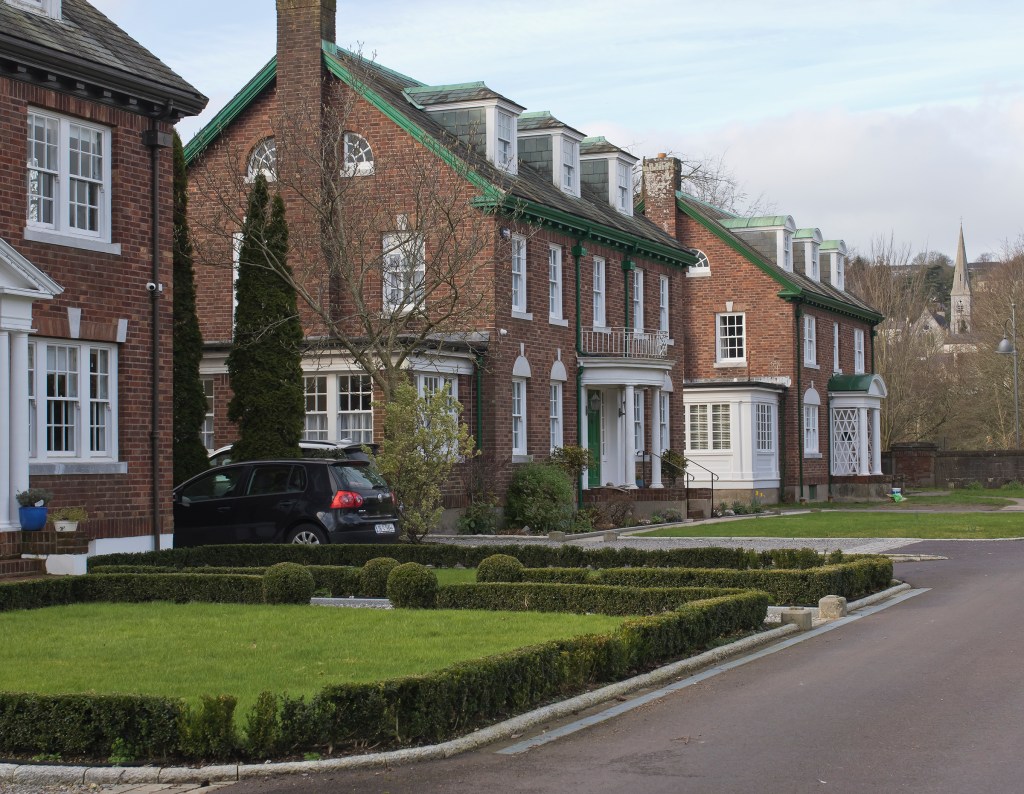
These buildings made me chuckle.

Categories
Cork City Ireland

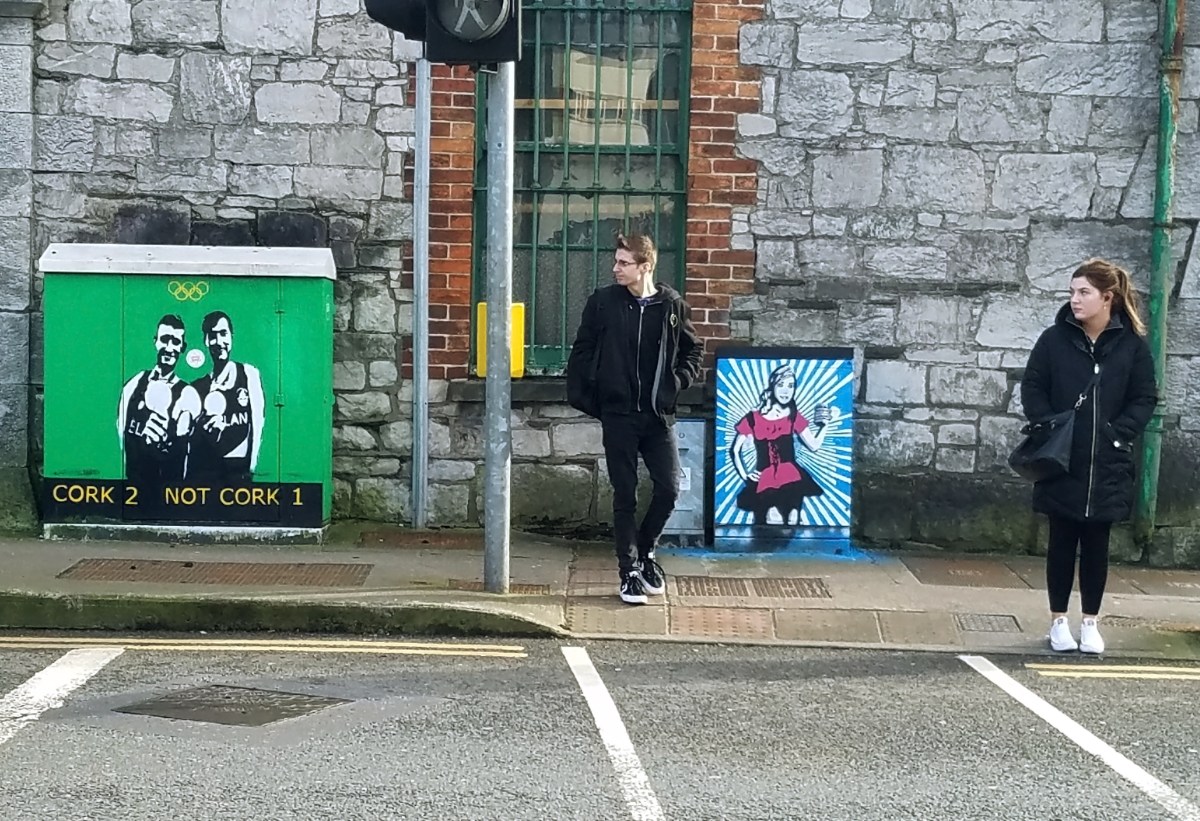
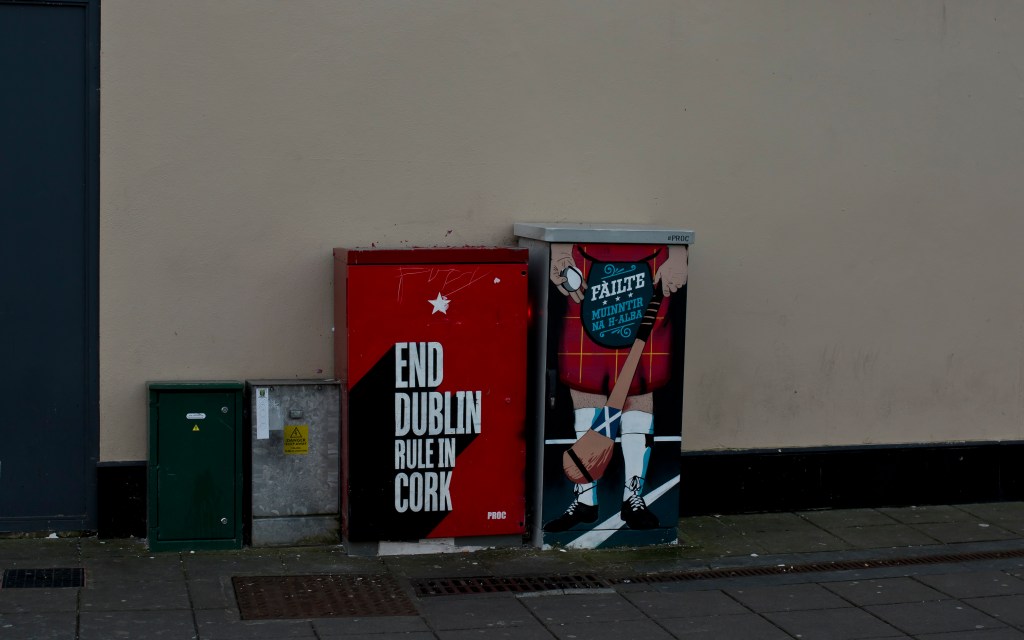
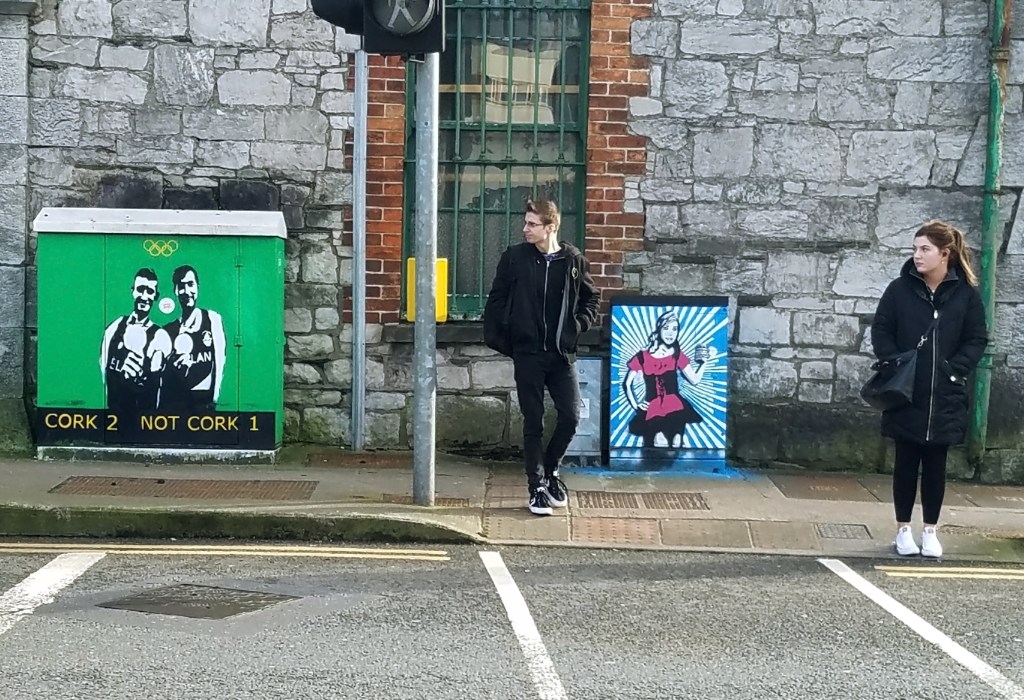
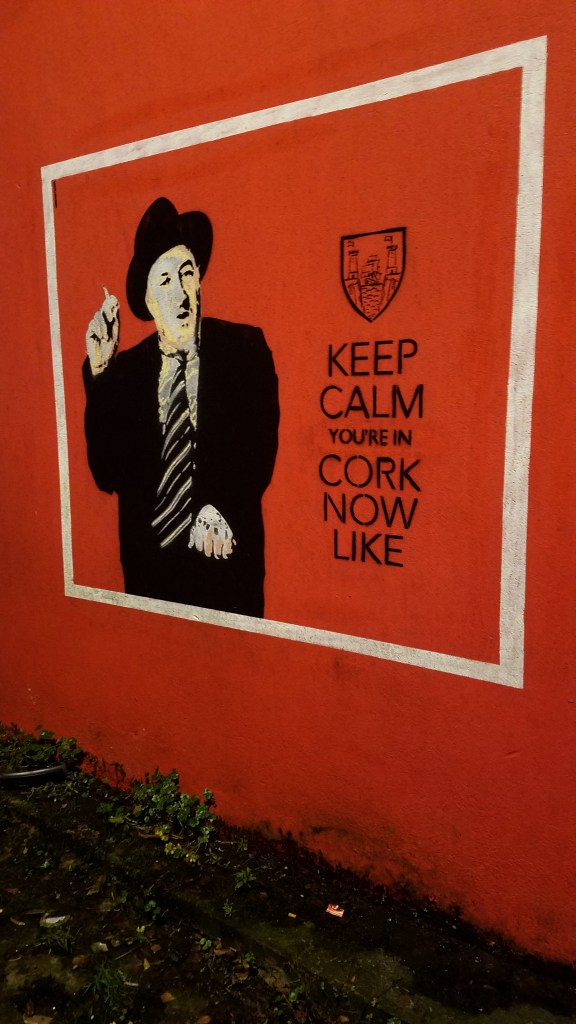
Street art in Cork City

First in a series.

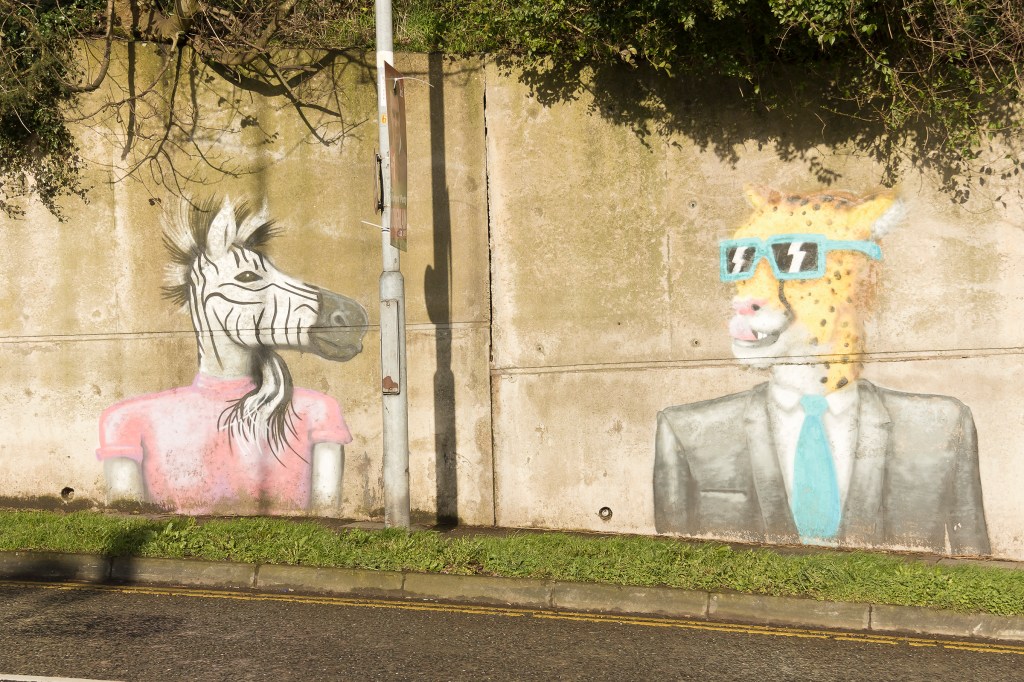
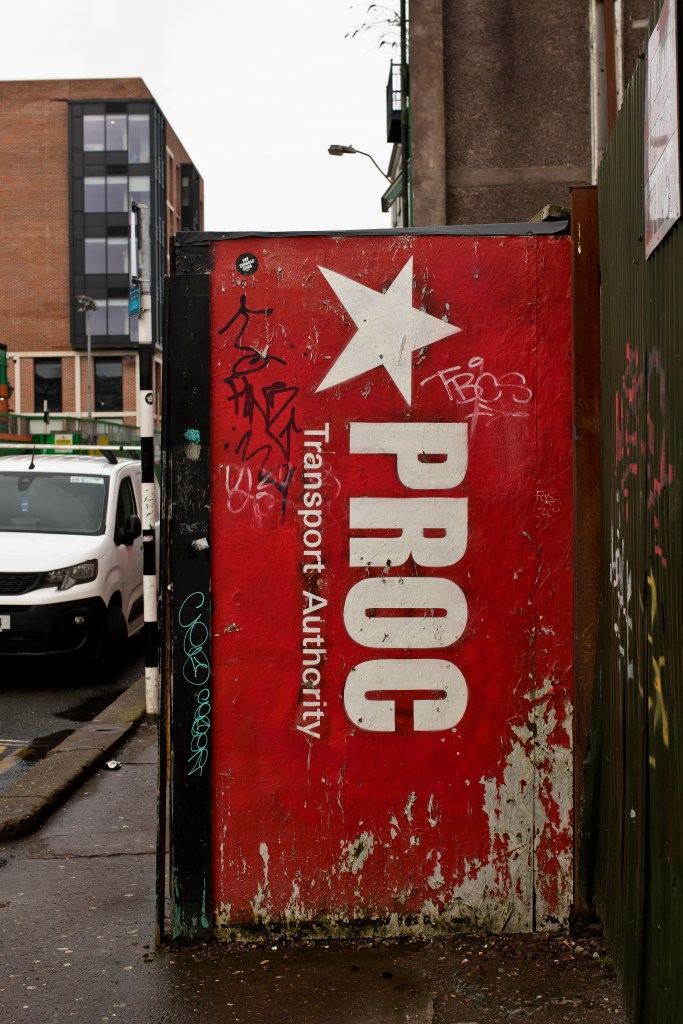
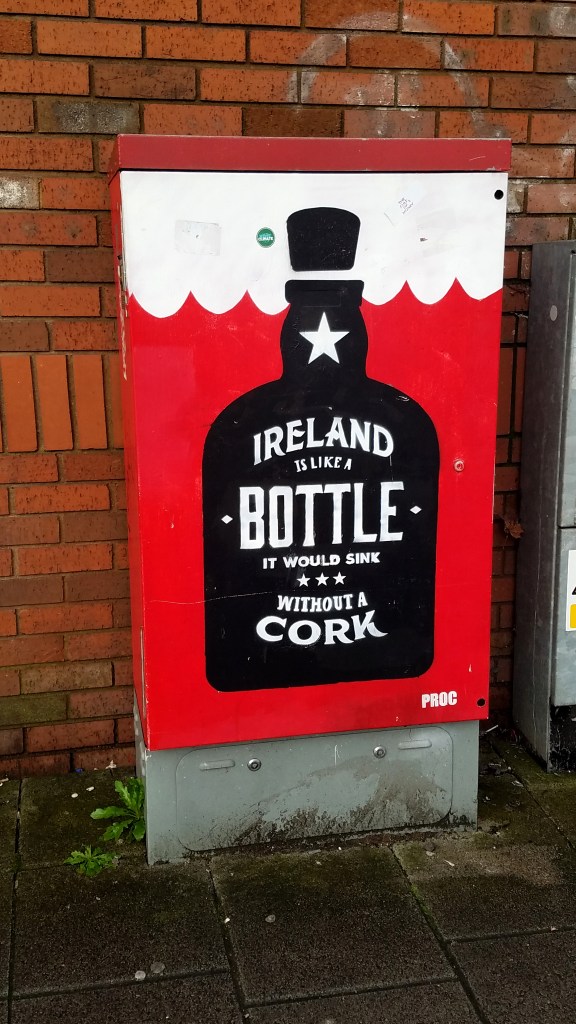
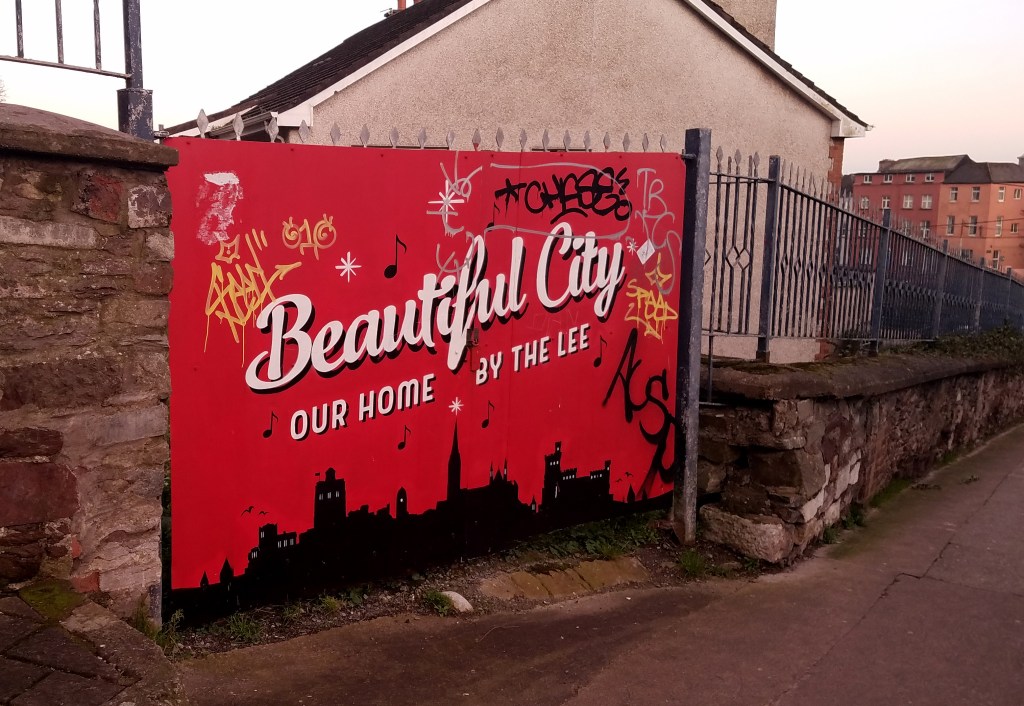
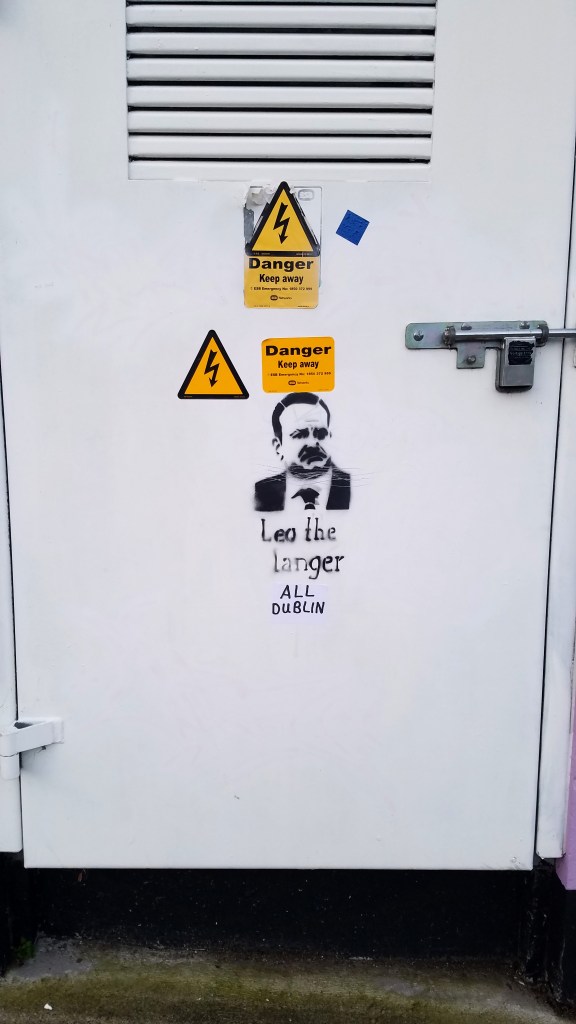
On our first visit here, I was impressed by the extent of street art around town. We’ve only been here five days, so I haven’t yet had the chance to learn any of the history of the People’s Republic of Cork, but my guess is that it’s probably 2 or 3 core members, with a surrounding, ever-changing cast of supporters. That is, assuming they’re still active. Some of their artwork does seem relatively recent.

Not everything I’ve been able to photograph is theirs, but they are rather ubiquitous.

And they clearly have access to some large printing equipment.

My general impression is that the politics are more implied than baldly stated, but that’s not always the case.

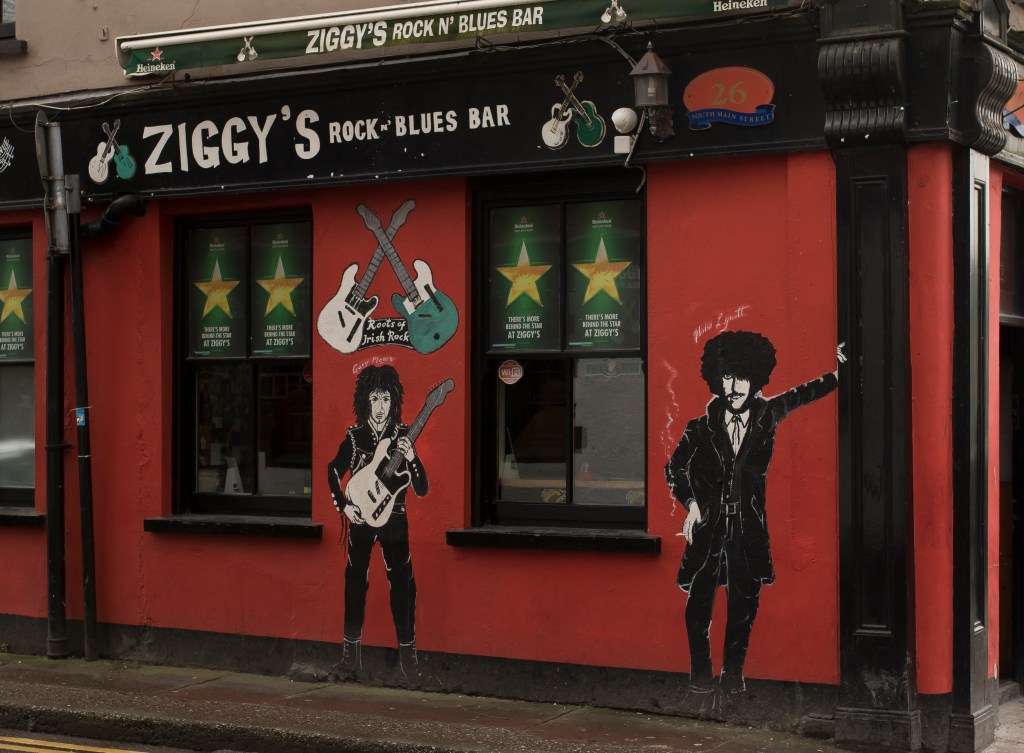
Then, of course, there’s always Phil Lynott. His image was everywhere last time we were in Ireland. I imagine before we leave, i’ll have a whole gallery of Lynott mural photos.

Meanwhile . . .

Categories
Ireland Traveling

On being a tourist

We visited Ireland for the first time almost 3 years ago. Dublin, Dundalk, Bray, Waterford, Youghal, Cork, Cliffs of Moher, Lisdoonvarna, Galway, and Athlone, packed into 11 days. We were, in a word, tourists.

It’s not an inherently bad thing to be. First time in a different country, you naturally want to take in as much of the surroundings as possible. Every stream, every cobblestone, every pint is a new experience.
But there’s also a discomfort in being a tourist. You’re in other people’s homes, gawking at their alien ways. I’m much more relaxed trying to fit into my surroundings. Much of that first visit felt comfortable. While the Cliffs of Moher, say, are indisputably a tourist venue, in Yeoghal we parked the car, had lunch, hung out with some toddlers on the 30 square meter pebbly beach, and felt at home. Of our time here, only Galway felt like a city geared towards tourism. The joke I made for a while was that it was the only place we saw people juggling firesticks.

Cork City was our favorite stop, precisely because it had almost nothing in the way of tourist attractions. Our biggest draw was the Butter Museum, which turned out exactly as we imagined. Sin É is a cramped bar in the Victorian Quarter, with traditional music nightly, that may or may not appear in lists of things to do in Cork. But we felt very much at home over our 2 1/2 days here. Enough so that it was our first choice of a city to stay in for a couple of months. We checked in to our apartment Saturday afternoon, returned the rental car Sunday morning, and have spent the past couple of days figuring out where to buy things like bread, coffee beans, post cards, and books.

Our neighborhood has 3 supermarkets, a dozen or so small grocers, more secondhand shops than I can count, twice as many bars as secondhand shops, and street food from a dozen different cultures. I’ve heard at least that many languages spoken as we learn to navigate the city.

We’ve also met a couple of the immediate neighbors, younger than us for sure. A man from India working in tech, who we met in the elevator. A couple, he from Croatia, she from Portugal via France. She was chock full of suggestions on where to eat and drink when we get to Coimbra and Porto later this spring.

The latter we met outside our apartment on the common patio area last night when we returned from our walk. They had set up to practice their firestick juggling routine.

Categories
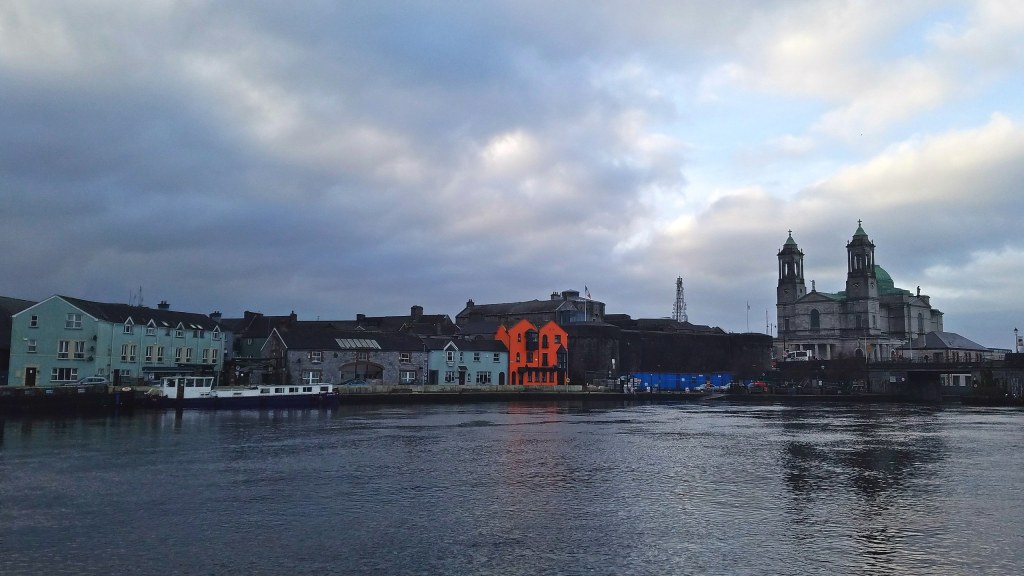
Athlone Ireland

Athlone

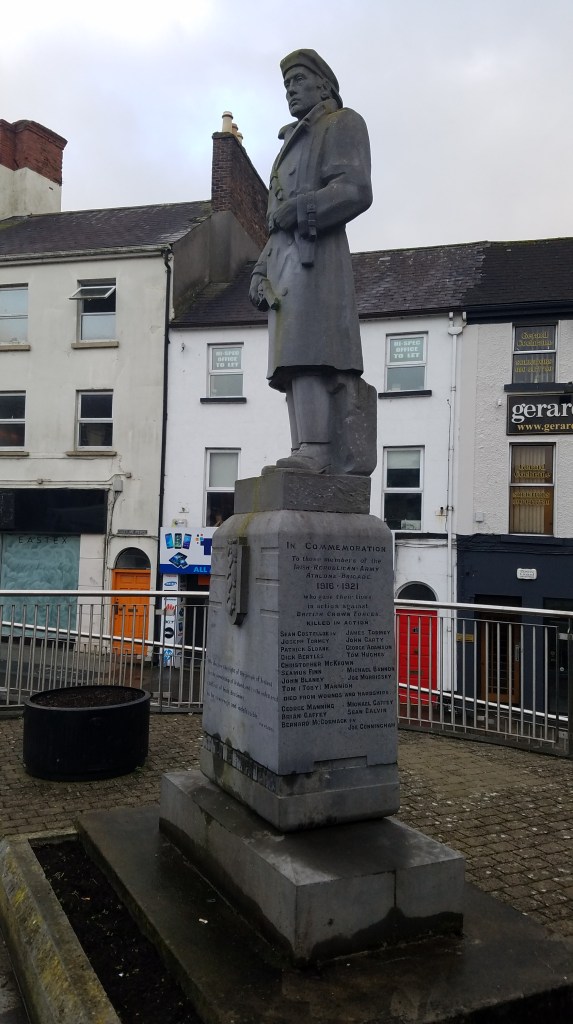
We stopped in Athlone for lunch a few years ago on our first Ireland visit. It’s where Claire’s granddad had been living before emigrating to the US.

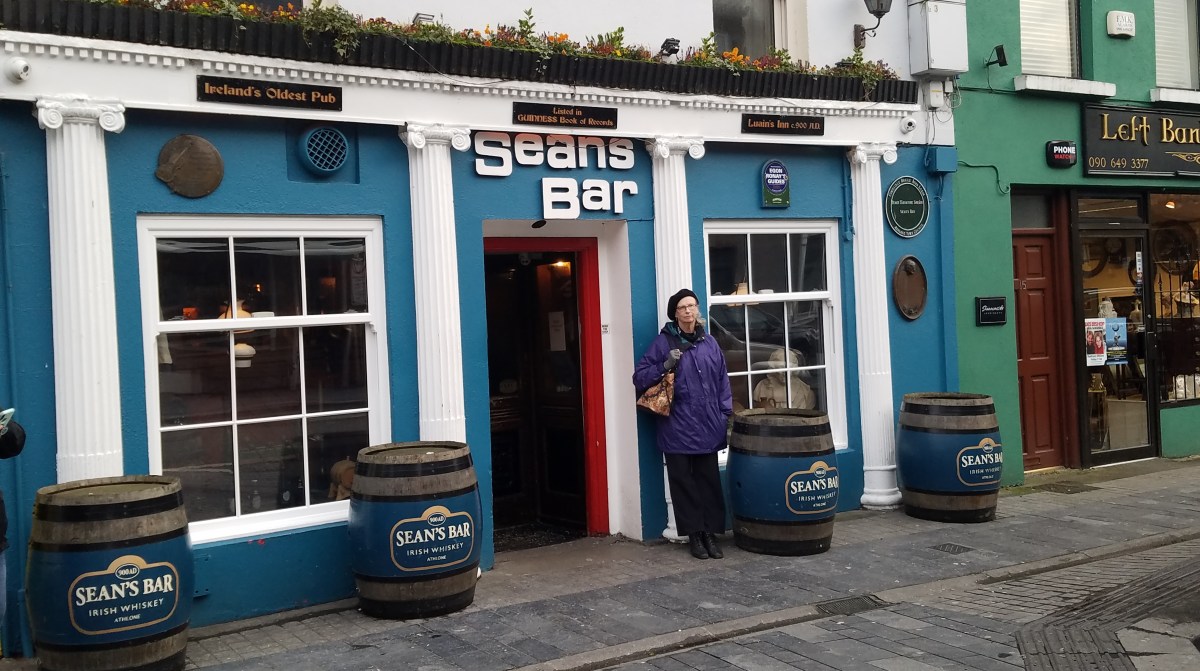
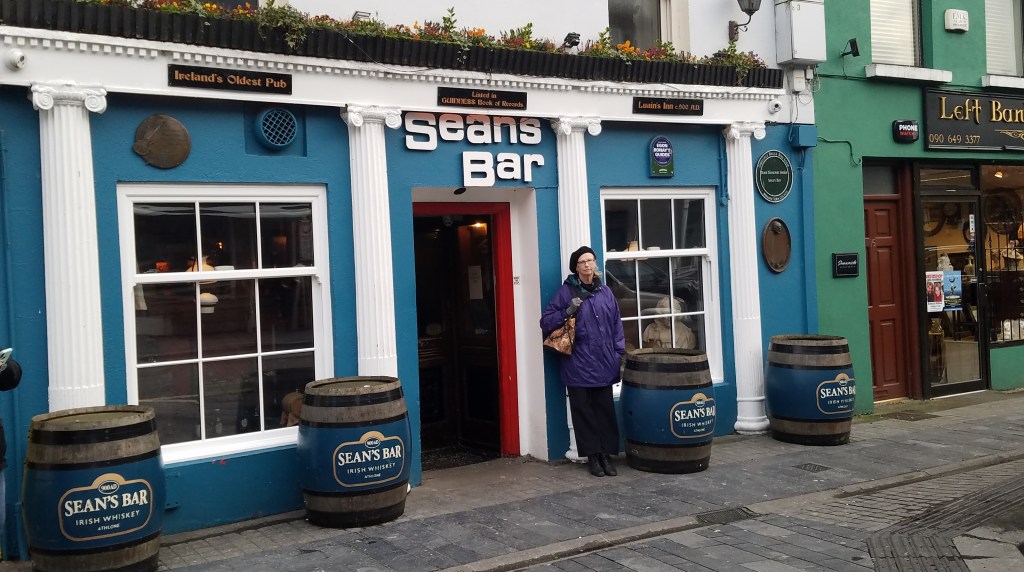
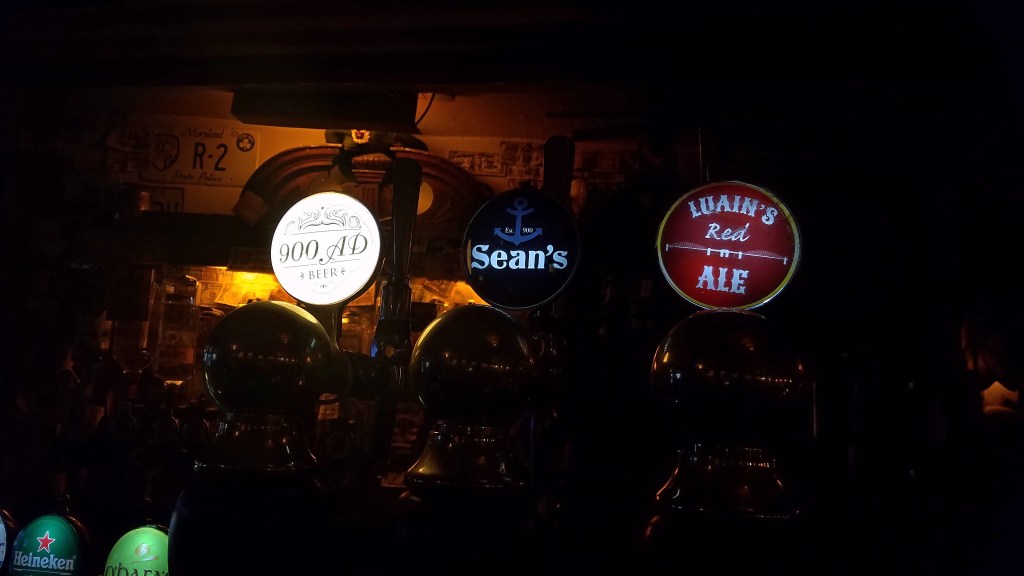
We wanted to spend a bit more time there on this trip, so we booked 2 nights. In all honesty, the flight over threw me for a loop, so those days were a bit of a blur. I did get to drink a few pints in Sean’s Bar, which, at 1200 years old is the oldest in Ireland, and possibly in Europe.

Categories
Uncategorized

Catching up with St. Brigid

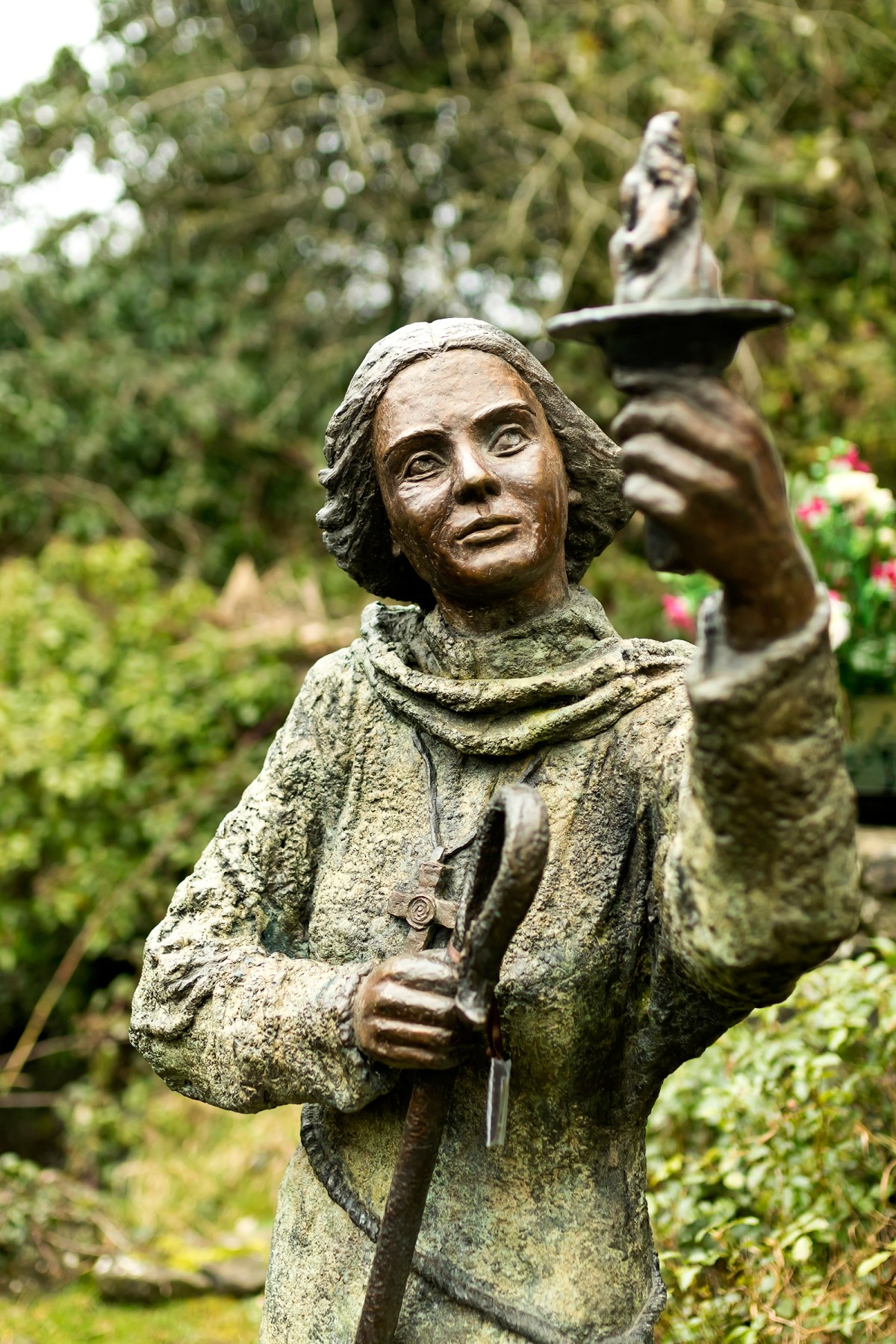
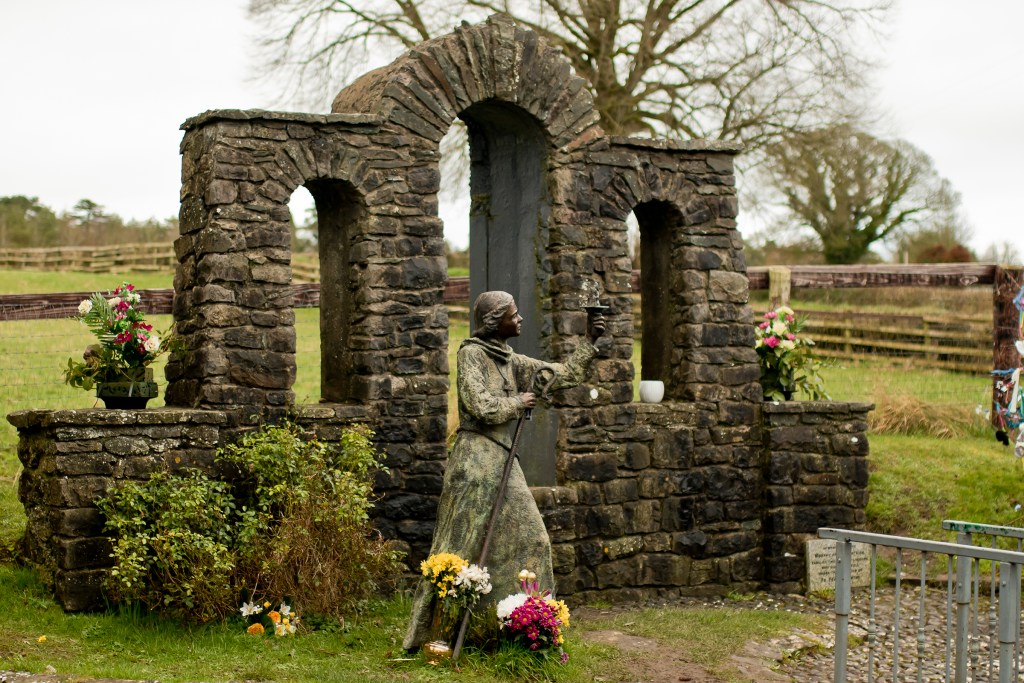
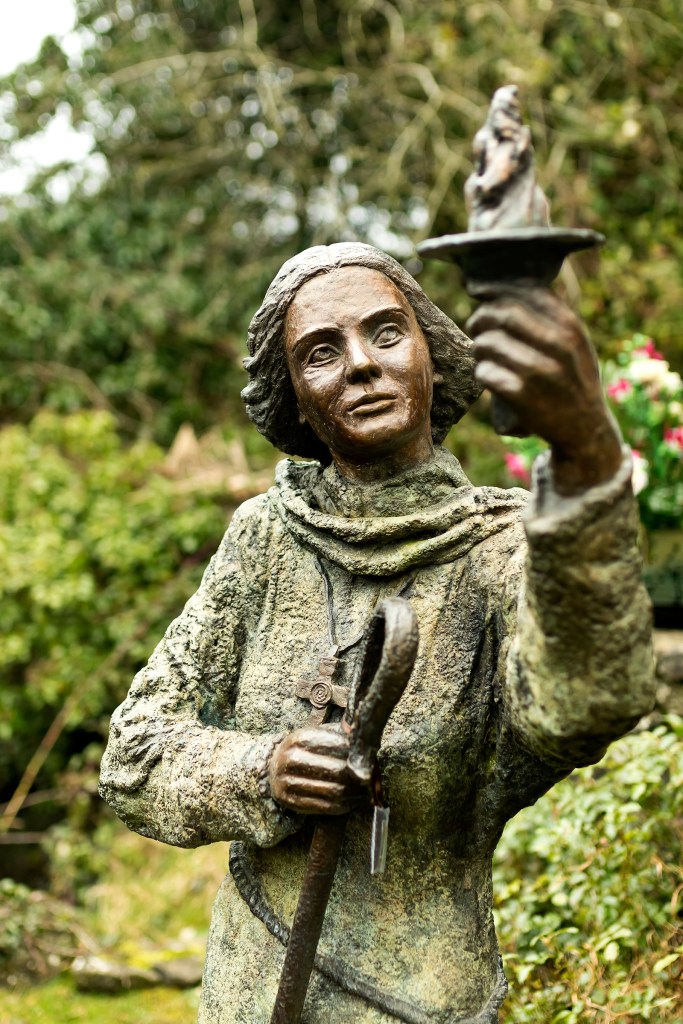
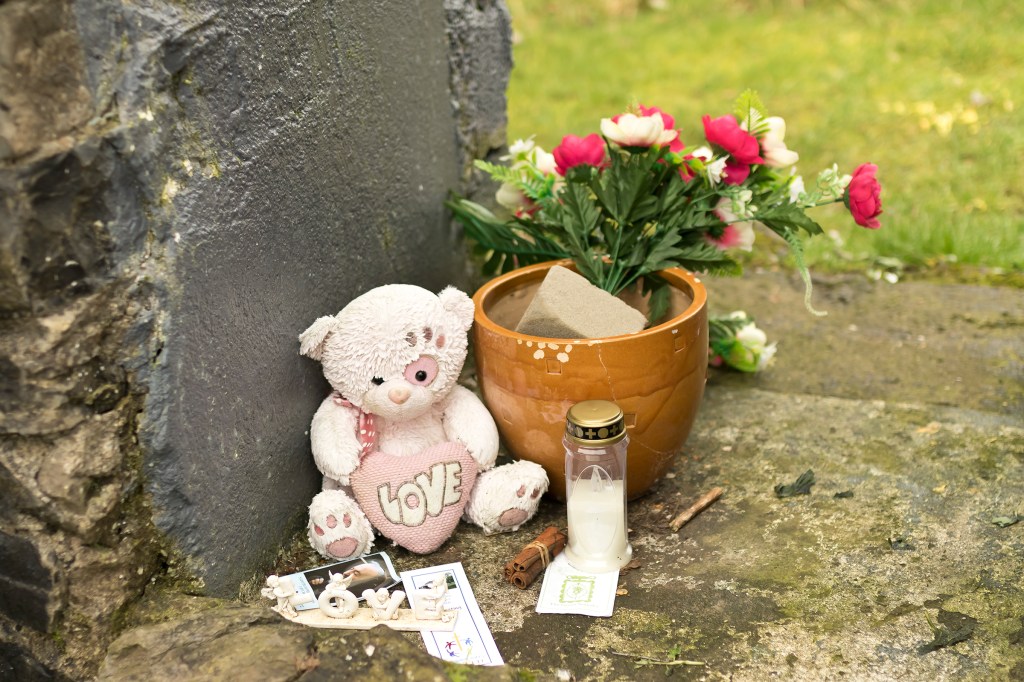
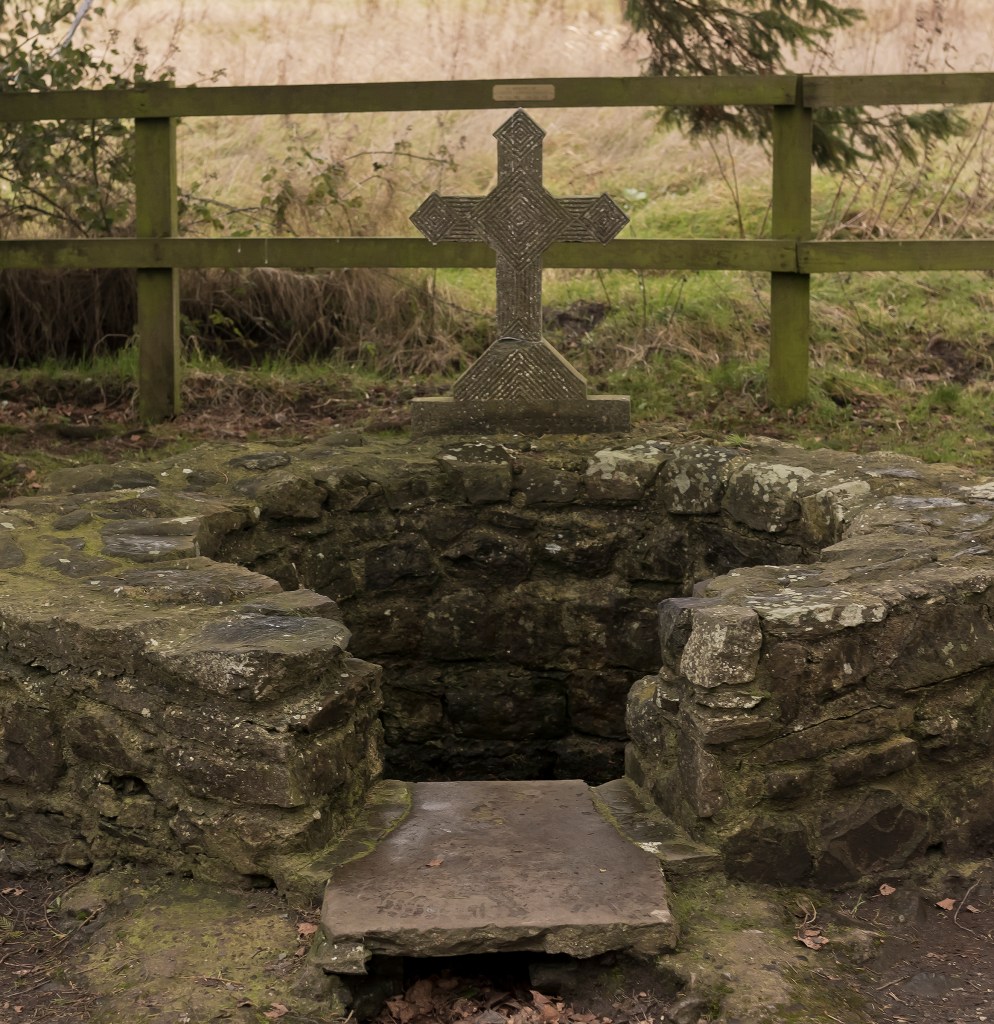
On our first day, Thursday 30 January, we visited St. Brigid’s Well, in County Kildare. Her Saint Day, which once upon a time was celebrated as Imbolc, happened a few days later, but we weren’t able to stick around. The Well was a lovely place, though.

Categories
Uncategorized

Travel Itinerary

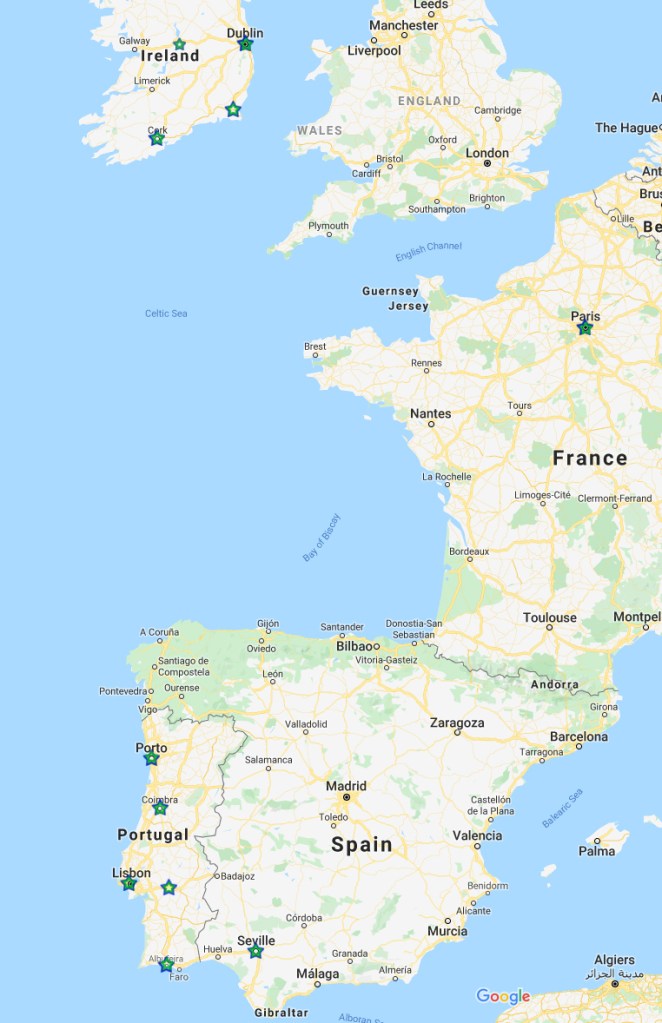
Where we’ll be for various lengths of time over the next 3 months.

Design a site like this with WordPress.com
Get started